
Language
Please Choose Your Language
Views: 222 Author: Amanda Publish Time: 2025-11-03 Origin: Site


Content Menu
● Introduction to Beach Umbrellas
● Selecting the Optimal Beach Spot
● Gear Checklist: What You Need for Setup
● Step-by-Step Installation: Setting Up Your Beach Umbrella
>> Step 1: Prepare the Sand Base
>> Step 2: Anchor the Umbrella Pole
>> Step 3: Connect Umbrella Components
>> Step 4: Open the Canopy and Adjust Tilt
>> Step 5: Secure for Extra Stability
● Advanced Anchoring Techniques
● Practical Tips for Quick Setup
● Maintenance and Storage Tips
● Creative Beach Umbrella Solutions
● Troubleshooting: Common Setup Challenges
● Expert Buying Guide for Beach Umbrellas
● FAQs
>> 1. What is the safest way to anchor a beach umbrella in strong wind?
>> 2. How do I pick the best spot for my beach umbrella?
>> 3. My beach umbrella won't stay up—what should I do?
>> 4. Are there official safety standards for beach umbrellas?
>> 5. How should I care for my beach umbrella?
Setting up a beach umbrella is a must for every beach trip. It keeps you shaded, cool, and protected from the sun, making your day by the shore comfortable and safe. From choosing a sturdy spot, anchoring your beach umbrella with confidence, and making the most of modern wind-resistant features, this guide covers everything you need for a reliable and enjoyable shelter. With expert advice, field-tested setup steps, and practical tips, you'll never worry about unstable beach umbrellas again.
A beach umbrella is more than just an outdoor accessory—it's your first line of defense against harsh UV rays and sudden wind gusts. High-quality beach umbrellas feature durable canopies, robust poles, and smart anchoring systems specifically designed to withstand tough seaside conditions. Whether you're a solo beach enthusiast, part of a family, or entertaining groups of friends, a beach umbrella enables longer stays at the shore and better protection for everyone. Stylish designs, vibrant colors, and innovative stability features make modern beach umbrellas both functional and attractive additions to your beach gear.[5][7][8]
Choosing the right location is the first step to success when setting up your beach umbrella.
- Firm, Compacted Sand: Avoid loose, powdery sand. Instead, find a stable section of beach where the sand holds together well—this ensures a solid anchor for your umbrella.[1][4]
- Safe Distance from Water: Stay above the high tide line to prevent moisture damage or sudden waves washing away your setup.[1]
- Position Near Natural Windbreaks: Use features like dunes, rocks, or shrubs to shield your umbrella from direct wind, reducing the risk of sudden flying umbrellas.[1]
- Away from Crowds: Leave ample distance between your beach umbrella and other beachgoers to ensure safety and comfort.
Before heading to the beach, double-check your equipment for a perfect, hassle-free umbrella setup:
- Beach umbrella with tilt function
- Sand anchor or screw auger (for pole stability)
- Hammer or mallet (optional for stubborn sand)
- Sandbags or umbrella weights for extra stability
- Waterproof carry bag
- Portable beach chairs, towels, and matching accessories
- Brush away the top layer of dry sand (at least 2-3 inches) using your foot or hands, exposing firmer, damp sand underneath for a strong base.[2][8][9]
- Use a sand anchor, auger, or sand gopher to dig a deep, secure hole—aim for at least 16 inches deep. Firm and wet sand offer the best grip.
- Insert the pole at an angle (about 30 degrees from vertical) facing into the wind and rotate it as you push deeper for extra stability.[8]
- Twist-in screw anchors or spiral bases work well to secure the umbrella, especially in windy conditions. Firmly pack sand around the pole once inserted.
- Slide the upper pole onto the lower base, ensuring a tight fit. Clean out any sand in connection points to avoid stuck pieces later.[2]
- Insert the retaining pin or hitch (if included) to lock the umbrella securely.
- With the pole anchored, slowly open the umbrella canopy, keeping it closed during initial installation to prevent wind catching.[1]
- Use the tilt feature to adjust the umbrella's angle throughout the day, maximizing shade as the sun moves.
- If your umbrella includes wind vents, ensure they are open for improved airflow and stability.
- Attach sandbags, water weights, or stakes to the bottom of the pole when winds rise.[4][7]
- Tie down the canopy using included ropes or straps if weather conditions demand—this is crucial for umbrellas with larger spans.
- Double-check all fastenings and give the umbrella a gentle shake to test for security.
If you want ultimate peace of mind for your beach umbrella setup, explore these proven stability methods:
- Spiral Sand Anchors: These anchors twist deep into the sand for unbeatable grip, ideal for windy beaches. Simply screw the anchor clockwise until fully buried, then insert and secure the umbrella pole.[6]
- Sandbags and Water Weights: Modern beach umbrellas work well with weighted bags that wrap around or sit on the base of the pole. Fill these with beach sand or water, then tighten the drawstrings to create compact, portable anchors for extra wind resistance.
- Multi-Anchor Systems: Some beach umbrellas and cabanas use multiple anchor points—combine sand anchors, weights, and rope ties for maximum stability on especially blustery days.
- Avoid stabbing the umbrella straight down; a rocking and twisting motion secures it better in the sand.[9]
- Set up with the closed canopy facing into the wind—open only after anchoring to prevent sudden gusts from lifting the umbrella.
- Pack up promptly if winds become hazardous, closing the canopy and removing anchors carefully.[10]
Safety is paramount with beach umbrellas. Strong coastal winds can make even secure umbrellas dangerous if not properly managed.
- Always tilt the beach umbrella into the wind rather than away from it—this reduces lift and keeps your umbrella grounded.[8]
- For gusty conditions, reinforce with sandbags, water weights, or additional stakes.
- Never leave a beach umbrella unattended in strong wind; close the canopy immediately or pack up until conditions improve.[11][10]
- Inspect your umbrella and anchoring equipment regularly. Replace damaged or rusted components promptly.
Longevity and performance of your beach umbrella depend on regular care and smart storage:
- Rinse off sand and saltwater after each use to prevent corrosion and wear.
- Keep connection points free from sand—this avoids jamming and makes setup or takedown easier next time.[2]
- Store your umbrella and anchors in a waterproof bag to protect them from moisture and UV damage during transit or between trips.
- Wiggle the pole gently when taking down to release anchors and avoid bending. Insert retaining pins back after disassembly for safety.[2]
Beach umbrellas aren't just for traditional setups. Try these alternate uses for more convenience:
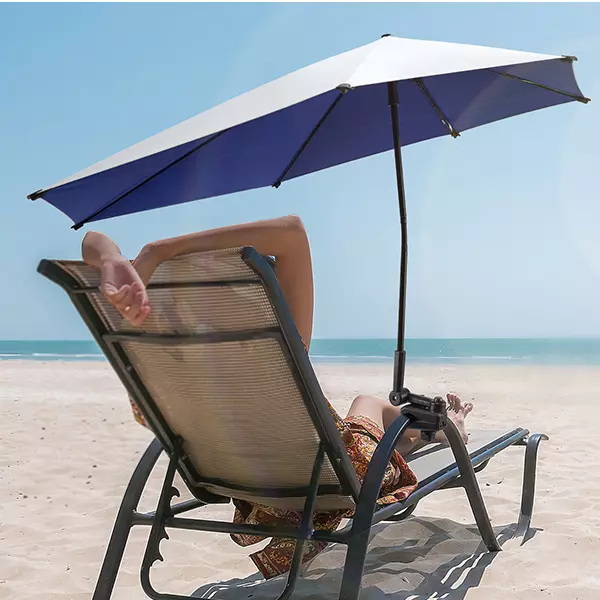
- Beach Chair Umbrellas: Clamp a compact beach umbrella directly to your chair, providing portable, adjustable individual shade. Perfect for solo sunbathers or quick trips.[8]
- Matching Accessories: Pair your beach umbrella with coordinated towels, wind blockers, and tents for complete sun protection and a stylish look.
- Family-Size Canopies: For larger groups, use extended canopies with sand pocket anchors—spread out the fabric, fill pockets with sand, and support with several poles for a roomy shaded retreat.[6]
Though beach umbrellas are simple devices, problems can arise—here's how to solve the most frequent issues:
- Umbrella Flips or Flies Away: Re-anchor deeper, add more weights, or relocate to a less windy area. Always check all fastenings before relaxing.
- Pole Stuck or Bent: Avoid over-forcing connections; gently wiggle if stuck and clean out sand before storing.[2]
- Canopy Damage or Tears: Inspect before every trip—patch up minor holes, but replace badly damaged umbrellas to maintain safety and coverage.
When choosing or upgrading your beach umbrella, focus on these top features:
- Durable Materials: Look for UV-resistant fabrics and rust-proof aluminum or fiberglass poles for maximum lifespan on the coast.[7]
- Sturdy Anchoring System: Integrated sand anchors, spiral bases, or compatible weights and stakes make for easy, safe installation.
- Adjustable Tilt: A tilt feature lets you adjust shade without moving your entire setup—crucial as the sun moves.
- Wind Vents and Canopy Size: Wind vents in the canopy reduce pressure and risk of lift. Canopy sizes typically range from 6 to 9 feet, so choose based on your group size.
Setting up a beach umbrella doesn't just mean sticking it in the sand—expert setup and maintenance are what keep you cool, safe, and worry-free on the shore. By following these step-by-step instructions, investing in the right gear, and using advanced anchoring methods, you'll unlock the full potential of your beach umbrella, creating a fun and protected space for every seaside adventure. No matter the weather, you're equipped with both practical knowledge and insider tips for an unforgettable beach day.
Use a spiral sand anchor or auger system, bury it deeply in compacted sand, and place the closed canopy facing into the wind before opening. Reinforce with sandbags or weights for extra stability.[6][8]
Select a firm, stable section of sand above the high tide line, shielded by natural windbreaks like dunes or rocks. Keep away from crowds for safety.[4][1]
Try a deeper anchor placement, use more weights or sandbags, double-check all pole connections, and avoid setup in loose, powdery sand.[7][9]
Yes, top anchors comply with ASTM F3681 standards for wind resistance, often rated for up to 30mph and withstanding at least 75 pounds of force.[10][11]
Rinse and dry your umbrella after each use, keep sand out of pole connections, store gear in a waterproof bag, and check for damage regularly to ensure lasting safety and protection.[8][2]
[1](https://www.aosom.com/blog-how-to-set-up-a-beach-umbrella-guide-for-shade-and-sun-protection.html)
[2](https://beachbub.com/pages/tips-tricks)
[3](https://www.youtube.com/watch?v=FfAG0aUOPzY)
[4](https://topumbrella.com/info/156)
[5](https://sundaysupply.co/blogs/sunday-supply-co-blog/how-to-setup-a-beach-umbrella)
[6](https://www.ammsun.com/blogs/news/what-is-the-best-way-to-anchor-a-beach-umbrella-1)
[7](https://www.heininger.biz/blogs/umbrella/beach-umbrella-essentials-everything-you-need-to-know-before-you-buy)
[8](https://corollabeachservices.com/beach-umbrella-easy-setup-tips-for-perfect-beach-days/)
[9](https://www.today.com/home/best-way-secure-your-beach-umbrella-so-it-won-t-t134327)
[10](https://www.cpsc.gov/s3fs-public/SafetyAlert_3000_BeachUmbrellas_052024.pdf)
[11](https://beachbub.com/blogs/news/new-umbrella-safety-standards-for-beachside-hotels-resorts)


