
Language
Please Choose Your Language


Content Menu
● Design Essentials of the 2 Fold Umbrella
● Key Components and Materials
● OEM and Customization Opportunities
● Market Positioning and Applications
● Manufacturing and Quality Assurance
● Design Considerations for OEM Projects
● Quality, Safety, and Certifications
● Care and Usage Guidance for End Customers
● Sustainability and Future Trends
● Practical OEM Proposal Template
● Case Studies and Real-World Applications
● The Future of 2 Fold Umbrellas in OEM Markets
● Practical Language for International Sales
● FAQ
>> 1. What distinguishes a 2 fold umbrella from a 3 fold umbrella?
>> 2. Can a 2 fold umbrella be customized for branding and packaging in OEM programs?
>> 3. What are typical minimum order quantities (MOQs) for custom 2 fold umbrellas?
>> 4. Do 2 fold umbrellas offer UV protection?
>> 5. What maintenance practices maximize the longevity of a 2 fold umbrella?
A 2 fold umbrella represents a balanced design in the folding umbrella family, offering a practical blend of portability, durability, and canopy coverage. This article, tailored for foreign brands, wholesalers, and OEM manufacturers, delves into design essentials, manufacturing processes, customization options, market trends, and practical guidance for building and selling 2 fold umbrellas under OEM arrangements. The discussion consistently references Folding Umbrella concepts and highlights how a two-fold configuration can satisfy diverse customer needs across different regions and applications.
The 2 fold umbrella is defined by two primary folding joints within its shaft system, creating a compact closed form while preserving a generous canopy when opened. Its architecture typically includes a telescoping shaft, a rib system with two primary folding points, a canopy fabric, a handle, and a closing mechanism. The material choices for OEM projects are diverse, including aluminum, steel, or fiberglass frames; canopy fabrics such as pongee or polyester with various coatings; and handles made from plastic, wood, or synthetic composites. The two-fold structure helps distribute load more evenly under gusting winds, contributing to improved durability and a longer service life for professional and consumer applications alike. When integrated with a protective sleeve and branded packaging, the 2 fold umbrella can be presented as a premium OEM product suitable for corporate gifting, retail shelves, or promotional campaigns. The phrase Folding Umbrella is central to marketing and product positioning in this category, reinforcing the shared category identity across global markets.
- Frame and ribs: A robust yet flexible frame, often using tempered metal alloys or fiberglass, supports wind resistance while retaining foldability.
- Shaft: A telescoping shaft provides extendable height with two fold points to achieve compactness.
- Canopy fabric: Typical fabrics include pongee or polyester with water-repellent finishes and, in higher-end lines, UV protection coatings.
- Handle and grip: Ergonomics and grip texture vary; premium lines may feature wood, rubberized, or metallic finishes.
- Mechanism: Auto-open, auto-close, or manual-open options determine user experience and compatibility with OEM specifications.
- Finishing and branding: Canopy printing, color-matching, logo application, and packaging design are essential for OEM success.
OEM programs for folding umbrellas, including 2 fold variants, offer extensive customization options to align with brand identity and market positioning:
- Branding surfaces: Full canopy printing, side panels, sleeve branding, and collar logos.
- Color and finish: Pantone-color matching, rib and shaft finishes, and coating choices including UV protection and water repellents.
- Packaging solutions: Custom hang tags, boxes, and retail-ready packaging to support shelf presence and brand storytelling.
- Value-added features: Wind-resistant frames, anti-slip handles, ergonomic grips, and reinforced joints for enhanced durability.
- Compliance and safety: Certifications (ISO, REACH, SGS) and age-appropriate safety features can be incorporated to meet regional requirements.
These OEM options enable brands to deliver a consistent, high-value Folding Umbrella experience across product lines, campaigns, and markets.
Two-fold folding umbrellas occupy a versatile niche in the global rain-gear ecosystem. They are well-suited for:
- Corporate gifts and promotional merchandise, where branding impact and reliability matter.
- Private-label retail partnerships, offering retailers a balance of price, performance, and customization.
- Sports and outdoor brands, where larger canopy coverage and durability support active use in variable weather.
- Travel and everyday carry categories, where compactness, ease of use, and reliability drive customer satisfaction.
The OEM pathway enables manufacturers to tailor the product to each channel, ensuring that the Folding Umbrella aligns with brand values and audience expectations.
The manufacturing process for a 2 fold umbrella typically follows a structured sequence, with careful attention to tolerances, alignment, and finish:
- Frame and rib preparation: Metal or composite ribs are cut, shaped, and joined to form a strong, foldable frame.
- Shaft assembly: The telescopic shaft is assembled and tested for smooth extension and retraction.
- Canopy fabrication: Fabric panels are cut, printed if required, coated, and stitched into a canopy that matches the intended arc and stitch density.
- Alignment and assembly: The canopy is attached to the frame, hinge points are tested, and the locking mechanism is calibrated for reliable operation.
- Branding and packaging: Logo printing, color matching, and packaging design are completed, followed by final QA checks prior to shipment.
- Compliance testing: Wind-resistance tests, water repellency tests, and safety checks ensure the product meets relevant standards for export markets.
OEM partners frequently provide traceability documentation, material certifications, and batch-level quality data to support retailers and brand owners.
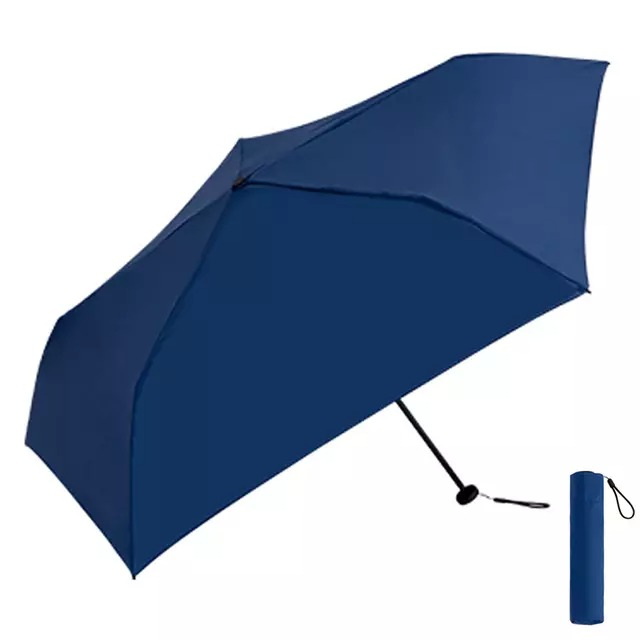
When developing a 2 fold umbrella for OEM clients, several design considerations influence performance, cost, and market fit:
- Canopy size and shape: Choose an arc that balances coverage with closed-length expectations for target consumers.
- Wind resistance: Rib geometry, joint design, and materials contribute to stability under gusts.
- Open/close mechanism: Auto-open/auto-close features add convenience but may impact price and maintenance.
- Weight and balance: Material choices affect perceived quality and user comfort.
- Branding integration: Canopy printing fidelity, color fastness, and logo placement must withstand repeated use and cleaning.
- Sustainability goals: Recyclable materials, reduced packaging, and supplier sustainability credentials can differentiate OEM offerings.
For OEM programs, quality and safety are non-negotiable. Reputable suppliers typically pursue:
- ISO 9001 quality management systems to ensure consistent production standards.
- REACH compliance for chemical safety in fabrics and coatings.
- SGS or third-party testing for wind-resistance, water repellency, and durability.
- UV protection levels for canopy materials (e.g., UV50+ coatings) in sun-ready models.
- Child-safety considerations such as rounded tips and protected runners where applicable.
Certification and documentation build trust with distributors and end users, supporting smoother export and retail clearance.
Educating end customers on proper care increases product longevity and satisfaction:
- Air-dry after use to prevent mold and material damage.
- Store in protective sleeves to minimize scuffs and contamination of the canopy.
- Clean with mild soap and water; avoid harsh solvents that could degrade coatings.
- Inspect joints and locking mechanisms periodically and replace worn components as needed.
- Dry and store in a cool, ventilated area to preserve fabric and frame integrity.
Clear maintenance guidance supports positive brand experiences and reduces returns in OEM programs.
Sustainability is increasingly shaping folding umbrella design and supplier selection:
- Materials: Availability of recycled fabrics, responsibly sourced wood or alternative materials for handles, and recyclable packaging.
- Circular economy: Take-back programs and remanufacturing opportunities can extend product life cycles.
- Eco-friendly coatings: Water-based inks and coatings with reduced VOCs support compliance and brand image.
- Design for durability: Longer lifespans and repairability drive consumer trust and reduce waste.
- Personalization at scale: Efficient digital printing and customization workflows enable frequent brand refreshes without significant lead-time impact.
For brands evaluating OEM partnerships, a concise proposal structure can streamline decisions:
- Executive summary: Brand objectives, target markets, and desired outcomes.
- Product specifications: Canopy size, arc, fold count, materials, coatings, and weight targets.
- Branding plan: Logo, colorways, printing methods, and packaging concepts.
- Manufacturing plan: Lead times, minimum order quantities, quality assurance steps, and scalability.
- Compliance and risk: Certification needs, safety requirements, and contingency plans.
- Commercial terms: Pricing tiers, payment terms, and logistics arrangements.
This template supports clear alignment between the umbrella factory and the OEM partner, reducing project friction and accelerating time-to-market.
Real-world examples illustrate how 2 fold umbrella OEM projects have delivered value:
- Corporate gifts with branded UV-coated canopies and premium packaging that reinforce brand recall.
- Private-label programs for retailers seeking reliable, mid-range offerings with strong wind resistance.
- Sports and outdoor lines that require larger canopy coverage and robust frames for frequent outdoor use.
These case studies demonstrate how thoughtful design, material selection, and branding elevate the value proposition of Folding Umbrella products.
The future of 2 fold umbrellas in OEM markets hinges on continued innovation in materials, manufacturing efficiency, and branding flexibility. Expect enhancements in:
- Faster prototyping cycles with 3D printing and digital tooling to shorten development timelines.
- More resilient frame systems that resist wind-induced deformation and corrosion.
- Expanded customization capabilities, including more sophisticated canopy graphics and specialty coatings.
- Enhanced sustainability programs, featuring end-of-life options and greener manufacturing practices.
These trends position 2 fold umbrellas as a continually relevant solution for global brands seeking reliable rain gear with strong branding potential.
When communicating with potential buyers in diverse markets, consider expressing benefits in terms of:
- Durability: “A robust two-fold frame minimizes joint failures under wind loads.”
- Portability: “A compact closed length ensures easy carry in bags and luggage.”
- Branding: “Full OEM customization supports consistent brand storytelling across channels.”
- Turnaround: “Efficient production workflows enable realistic lead times for large campaigns.”
Clear, market-specific messaging helps translate technical features into tangible value for distributors and retailers.
The 2 fold umbrella stands out as a reliable, versatile folding umbrella option that harmonizes durability, canopy coverage, and branding potential. For OEM partnerships, its design lends itself to scalable customization, efficient production, and strong market appeal across corporate gifts, retail private-label programs, and sports or outdoor lines. Brands seeking a dependable umbrella platform for global markets will find the two-fold approach an optimal starting point, enabling compelling branding, strong performance, and sustainable growth in the Folding Umbrella category.
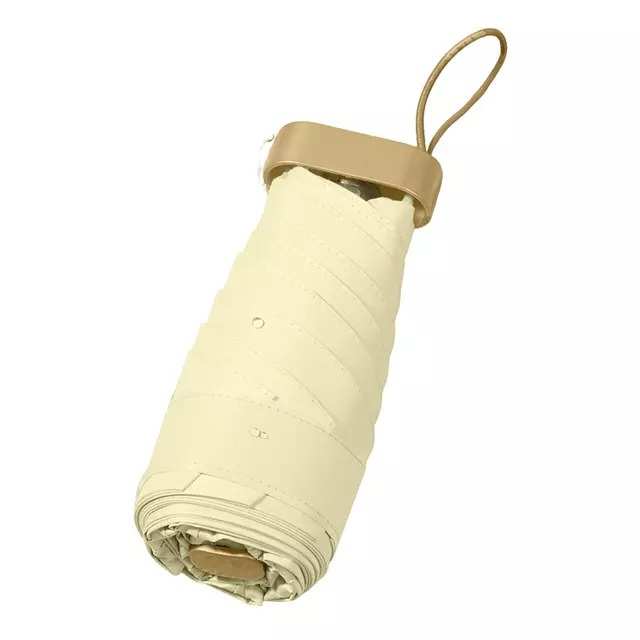
The 2 fold umbrella features two primary folding joints in the frame, offering greater canopy size and frame strength, whereas a 3 fold umbrella folds into a smaller, more compact form with slightly reduced frame rigidity. The trade-off typically favors durability and ease of use for the two-fold design while prioritizing portability in the three-fold variant.
Yes. OEM programs commonly support full canopy printing, logo placement, color matching, and bespoke packaging. Customization extends to materials, coatings, and user-oriented features to align with brand identity and campaign needs.
MOQs depend on material choices, customization complexity, and production capacity, but common ranges fall between 1,000 and 10,000 units for many OEM projects. Specifics are confirmed during supplier discussions.
Many 2 fold umbrellas include UV coatings on the canopy to provide sun protection in addition to rain shielding, particularly for outdoor or travel-oriented models.
Best practices include air-drying after use, storing in protective sleeves, cleaning with mild soap and water, avoiding harsh solvents, and periodic inspection of joints and the locking mechanism. Regular care helps sustain performance and appearance.
[1](https://www.umbrellas-factory.com/news/detailed-umbrellas-manufacturing-process/)
[2](https://schirmmacher.eu/manufacturing-umbrellas)
[3](https://topumbrella.com/info/164)
[4](https://www.umbrellafactory.cn/customize-mini-umbrella/)
[5](https://www.yoana-umbrella.com/the-ultimate-guide-to-umbrella-components/)
[6](https://www.umbrellastore.co.uk/umbrella-printing-guide/)


