
Language
Views: 222 Author: Amanda Publish Time: 2025-11-09 Origin: Site


Content Menu
● Heating Fundamentals for Outdoor Tents
>> Heat sources suitable for Outdoor Tent environments
>> Ventilation, clearance, and tent materials
● Safety Protocols and Compliance
>> Site and installation safety
>> Material and equipment considerations
>> Integrating heating with tent architecture
>> Durability, maintenance, and lifecycle
● Practical Scenarios and Implementation Tips
>> Hospitality tent applications
>> Showroom and wholesale environments
● Practical How-To: Safe Use of Heaters Under an Outdoor Tent
● Sustainability, Efficiency, and Cost Considerations
● FAQ
>> 1. How do you determine the right heater size for an Outdoor Tent?
>> 2. Are electric heaters safer than gas heaters under a tent?
>> 3. What clearance distances should be observed for heaters near tent fabrics?
>> 4. Can a heater run continuously during an event?
>> 5. How can a brand visually integrate heating solutions into an Outdoor Tent?
The use case of heating an Outdoor Tent is increasingly common for international brands, wholesalers, and OEM manufacturers delivering turnkey tent and shelter solutions. Outdoor Tent experiences—from hospitality pop-ups to commercial showrooms—demand warmth without compromising safety, aesthetics, or structural integrity. This article provides a practical, safety-forward guide for integrating heating solutions into tent environments, with a focus on design considerations for OEM projects, climate variability, and user comfort. The aim is to help brands plan reliable, compliant, and visually appealing heated tent environments that resonate with customers and end-users.
- Electric radiant heaters: Compact, controllable, and generally easy to install, electric radiant heaters convert electrical energy directly into heat with minimal airflow disturbance. They're well-suited for well-powered tents where electrical outlets or generators can supply steady voltage.
- Propane and natural gas heaters: Gas-fired units deliver substantial heat and mobility, ideal for larger tents or event spaces. They require careful ventilation, proper clearances, and secure storage for fuel cylinders.
- Infrared versus convection: Infrared heaters target objects and occupants directly, reducing ambient air heating and often improving perceived warmth at the seated zones. Convective heaters warm the air, which can be beneficial in drafty tent spaces but may lead to higher air movement and energy use.
- Safety considerations: Fuel management, ignition protection, and electrical protection (gFCIs, weather-rated outlets, and extension cord management) are essential. For OEM applications, ensure the heater choice aligns with tent materials, canopy heights, and any integrated safety systems.
- Fabric ignition and seams: Tent fabrics vary in flame resistance and coating compatibility. Heaters should not be placed in direct contact with fabric, and heat shields or guard plates may be required to prevent fabric damage.
- Clearances: Maintain manufacturer-specified clearances from tents, poles, fixtures, and decorative elements. In general, ensure warm air exhausts and flame pathways are well away from any flammable components.
- Ventilation strategies: Adequate ventilation reduces the risk of CO buildup when using combustion-based heaters. Where feasible, use heat sources with low emissions or dedicated ventilation strategies that funnel heat efficiently without compromising tent structure.
- Environmental conditions: Calm conditions improve heat retention, while wind can dissipate warmth more quickly. Draft management becomes critical in marquee or membrane structures.
- Occupancy and heat load: The number of occupants directly affects heat load. In OEM designs, segment zones so that heat output can be modulated according to foot traffic and seating density.
- Noise and comfort: Some heaters introduce noise or vibration; incorporating quiet operation modes or strategically placing units can maintain ambiance without disrupting conversations or branding.
- Zoning and pluming: Position heating units so that gas lines, electrical cords, and hoses remain protected from foot traffic and potential snag points. Use cord management channels and protective housings to minimize trip hazards.
- Fire safety measures: Install CO detectors where combustion-based heaters are used, ensure emergency shutoff access, and define clear egress routes. Consider fire blankets or extinguishers within easy reach of the tent entry points.
- Utilities planning: For OEM deployments, coordinate with electrical and gas supply partners to guarantee adequate load, regulator sizing, and leak detection protocols. Maintain regulatory compliance with local fire codes and tent-specific safety guidelines.
- Heat shields: Use heat shields to prevent radiant heat from affecting fabric panels or decorative elements.
- Weatherproof enclosures: All electrical components and fuel connections should be enclosed in weatherproof housings rated for outdoor use.
- Maintenance access: Design installations that allow routine inspection of vents, exhausts, and connections without requiring disassembly of structural components.
- Mounting options: Choose mounting strategies that minimize fabric exposure and protect from weather. Consider standoff mounts that create air gaps for improved heat distribution and safer operation.
- Wiring and gas routing: Plan for clean routing with weatherproof conduits, strain reliefs, and integrated cable trays. Use modular connections to enable quick maintenance or replacement.
- Safety integration: Build in automatic shutoff features when ventilation is compromised or when temperatures exceed safe thresholds. Include fail-safe indicators and remote monitoring options.
- Heat zoning and control: Divide larger tents into heat zones with independent controls to optimize comfort and energy use. Robotic or remote thermostats can help maintain uniform comfort without manual intervention.
- Lighting and branding synergy: Align heating elements with lighting design and brand messaging. Conceal bulky equipment while preserving a premium guest experience.
- Acoustic impact: Consider the acoustic footprint of heater operation, especially in quiet or intimate dining zones, and select models with reduced noise emissions when possible.
- Corrosion and weather exposure: Choose materials with corrosion resistance for outdoor environments and ensure seals remain effective after repeated assembly/disassembly cycles.
- Cleaning and service: Create a maintenance schedule that includes outdoor-specific cleaning routines, inspection of gas lines, and replacement of heat shields when degraded.
- Spare parts and support: Establish a parts inventory strategy aligned with the expected lifecycle of the tent system and the heater models chosen for OEM deployment.
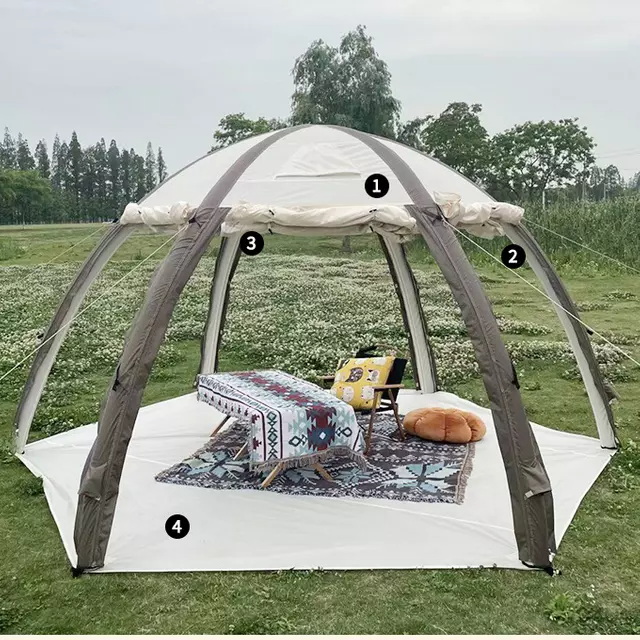
- Distributed heat zones: For larger crowds, install multiple smaller heaters to avoid cold pockets and reduce the risk of overheating any single area.
- Safety-aware placement: Position heaters away from high-traffic zones and from any fabric drapes or signage that could restrict airflow or pose ignition risks.
- Dining warmth: In premium dining areas, integrate heaters under seating clusters or along perimeters to create warm comfort without visual distraction.
- Guest experience: Use heat-friendly zones to support longer dwell times, ensuring that warmth complements, rather than dominates, the tent ambiance.
- Demonstration-friendly: Set up a controlled demonstration area where potential buyers can observe heat distribution, safety features, and ease of maintenance.
- Branding alignment: Ensure the heating solution visually aligns with brand aesthetics—using color-matched housings and unobtrusive mounting to preserve the Outdoor Tent's design language.
- Pre-inspection: Check tent fabric integrity, frame stability, and electrical or gas readiness before mounting heaters.
- Heater selection: Determine BTU requirements based on tent size, occupancy, and climate. For OEMs, create modular options that can be configured for different tent footprints.
- Positioning: Place heaters to maximize warmth while preserving clearances and airflow. Use heat shields to protect fabric and fixtures.
- Connections: Secure gas lines and electrical connections with weatherproof fittings. Use strain reliefs and protective covers for outdoor exposure.
- Monitoring: Set up easy-to-read indicators or smart thermostats, and plan for regular checks during use.
- Uneven warmth: Reassess heat zone placement and ensure no obstructions are blocking heat dispersion.
- CO or gas concerns: Verify venting, detectors, and leak checks; shut down immediately if any abnormal odor or readings occur.
- Electrical faults: Inspect cords, outlets, and GFCI protection; replace damaged components promptly.
- Compare electric versus fuel-based heating in Outdoor Tent contexts, considering electricity availability, fuel costs, and the environmental footprint.
- Implement heat recovery or zoning to reduce overall energy consumption and improve guest comfort.
- Plan for durable, weather-resistant components with longer service intervals to minimize downtime in OEM deployments.
- Build in scalable options to accommodate different tent sizes and configurations, enabling efficient production planning.
A careful, safety-forward approach to heating an Outdoor Tent can unlock extended usability, enhanced guest comfort, and stronger brand experiences for OEM partnerships. By selecting appropriate heat sources, respecting ventilation and clearance requirements, and integrating heating systems into tent architecture with durable materials and smart controls, brands can deliver warmth that complements the tent's aesthetics and safety standards. The most successful implementations balance warmth with airflow, visibility with discretion, and performance with maintenance practicality, ensuring a reliable, scalable solution for a wide range of tent configurations and applications.
- A heat load assessment considering tent volume, insulation, occupancy, and climate informs BTU output; use zone-based heat planning to tailor output to each area.
- Electric heaters minimize combustion risk and exhaust concerns, but require reliable power and proper cable management; gas heaters offer strong warmth but demand ventilation and leak precautions.
- Maintain manufacturer-recommended distances from fabric, poles, and decorative elements; use heat shields and protective housings as needed to prevent fabric damage.
- Yes, with appropriate safeguards: adequate ventilation, stable power or fuel supply, continuous monitoring, and emergency shutdown protocols.
- Employ discreet mounting, integrated heat zones, and branding-friendly enclosures; pair with ambient lighting and signage that preserves the tent's design language.
[1](https://skylinetentcompany.com/blogs/tent-heating-and-cooling-solutions-for-extreme-temperatures/)
[2](https://www.pitchup.com/guides/tents/beginners-tent-camping-guide/heat-for-tents/)
[3](https://www.skokie.org/DocumentCenter/View/5383/Guidelines-for-Outdoor-Heating-for-Tents-PDF)
[4](https://hot-tent.com/blogs/news/how-to-heat-a-tent-9-safe-and-efficient-ways-rbm)
[5](https://www.reddit.com/r/camping/comments/y1wisy/safe_tent_heatingideas/)
[6](https://www.outsideonline.com/outdoor-gear/camping/how-to-safely-heat-a-tent/)
[7](https://www.facebook.com/groups/nzfacamping/posts/1452836672761011/)
[8](https://gettent.com/our-blog?p=how-to-heat-a-tent-safely)
[9](https://www.patioheatandshade.com/how-to-safely-heat-winter-party-tent.htm)
[10](https://tentstyle.co.uk/how-to-heat-and-cool-your-stretch-tent-a-handy-guide/)


