
Language
Please Choose Your Language


Content Menu
● Typical Retail Price Ranges of Parasols
● Materials and Their Impact on Parasol Cost
● Design, Style, and Functional Features
● OEM Parasol Pricing: What B2B Buyers Should Know
>> Tooling, Sampling, and Development
● The Total Cost of a Parasol for Business Buyers
● How OEM Manufacturers Build a Quotation
● Strategies to Optimize Parasol Cost Without Sacrificing Quality
● How Parasol Pricing Connects to Brand Positioning
● FAQs
>> (1) How can I estimate the price of a Parasol quickly?
>> (2) Why do two Parasols with the same size have very different prices?
>> (3) Are branded or promotional Parasols always more expensive?
>> (4) How can a buyer lower Parasol costs without reducing durability too much?
>> (5) What should I prepare before asking a factory “How Much Is a Parasol?”?
A Parasol is more than just a shade accessory; it is a functional product that links comfort, brand image, and long‑term outdoor performance. When foreign brands, wholesalers, and project buyers evaluate parasol prices, they must consider not only the visible product but also manufacturing, logistics, and lifecycle cost.
A Parasol is a shade device primarily designed to block sunlight and UV radiation rather than heavy rain. Compared with a conventional umbrella, a Parasol usually has a broader canopy, stronger UV blocking, and a structure optimized for comfort in outdoor spaces such as patios, gardens, cafés, and beaches.
Modern Parasols appear in many forms: compact handheld fashion Parasols, garden Parasols fixed through a table, beach Parasols with sand anchors, and large commercial Parasols that define the outdoor style of hotels, resorts, and restaurants. Each type of Parasol has distinct technical features that directly influence cost, durability, and user experience.
To understand “How Much Is a Parasol?”, it helps to group Parasols into clear categories:
- Decorative Parasols
Often made from paper, lace, or lightweight fabric, these Parasols are used at weddings, photography sessions, and promotional events. They focus on appearance rather than long‑term outdoor performance.
- Household garden and balcony Parasols
These Parasols are common in consumer markets and usually feature polyester fabric, steel or aluminum poles, and simple tilt or crank systems.
- Beach Parasols
Parasol designs for beaches frequently use brighter colors, sand‑friendly poles, and vented canopies to handle light wind and sun exposure.
- Commercial Parasols
These Parasols serve hotels, resorts, cafés, and branded outdoor areas. They typically use higher‑grade fabrics and stronger frames and may include large logos or custom color schemes.
For OEM projects, the same factory can often supply all of these Parasol types with different materials and configurations, shifting the final Parasol price according to the buyer's positioning and target customer.
From a consumer perspective, Parasol prices can vary greatly. Decorative paper or lace Parasols can be very economical, suitable for one‑time events or photo shoots. Basic outdoor Parasols with a simple metal pole and standard polyester canopy generally sit in the low to mid price band.
Mid‑range Parasols, such as family garden or market Parasols, cost more but offer improved mechanisms and stronger fabrics, making the Parasol more reliable for repeated seasonal use. At the top end, designer Parasols and large commercial Parasols can reach high price points because they combine premium materials, complex structure, and brand value in a single Parasol product.
The canopy fabric is one of the most important cost components of a Parasol. Entry‑level Parasols often use basic polyester, which is light and affordable but offers limited colorfastness and shorter UV protection life compared with premium fabrics. Increasing the fabric weight and applying UV and water‑repellent coatings makes the Parasol more durable and comfortable but also more expensive.
Higher‑end Parasols typically feature solution‑dyed acrylic or other performance fabrics. These Parasols resist fading, deliver stronger UV blocking, and maintain color for several seasons under sun exposure. Because the fabric itself costs more, these Parasols sit in a higher price bracket but can create better value over time.
The frame of a Parasol includes the pole, ribs, hubs, and the mechanism for opening and closing. Low‑cost Parasols often use simple steel tubes and basic joints. These frames are cheaper to manufacture, which helps keep the Parasol price low but may reduce lifespan in harsh weather.
Aluminum and alloy frames improve corrosion resistance and reduce weight. When a Parasol uses thicker aluminum, reinforced ribs, and high‑quality connectors, the overall structure becomes sturdier, and the cost increases. Wooden or hardwood poles give Parasols a premium appearance for resorts and gardens, but their material and finishing processes add to the final Parasol price.
Additional mechanisms such as crank lifts, push‑button tilt, multi‑angle adjustment, and wind vents also raise the manufacturing cost. However, they make the Parasol more comfortable to operate and more attractive for mid‑ to high‑end consumers.
The Parasol base or mounting solution is another hidden cost item. Light plastic bases filled with water or sand are inexpensive but only suitable for small Parasols. Heavier bases, often made of steel, concrete, or granite, are necessary for larger Parasols and windy conditions.
Cantilever Parasols, in particular, require substantial bases and more complex mounting options. This means that when asking “How much is a Parasol?”, customers must often consider both the canopy frame and the base as a combined system.
Several design choices influence Parasol pricing beyond raw materials:
- Shape and size
Round Parasols are common, but square and rectangular Parasols often provide more usable shade over rectangular tables. Large Parasols use more fabric and stronger ribs, which increases material cost and assembly time.
- Color and pattern
Solid colors are more cost‑effective, especially in OEM mass production. Custom prints, stripes, or special patterns make the Parasol visually unique but may add printing and handling costs.
- Vent design
Many Parasols feature a vented top that allows air to flow through the canopy, improving stability. This design adds sewing steps and materials but enhances performance.
- Accessories
LED lighting, heating elements, side curtains, and valances are optional extras that can significantly raise the retail price of a Parasol. For premium hospitality spaces, these features may be necessary to create a complete experience.

From an OEM perspective, “How Much Is a Parasol?” is not a single figure but a formula. OEM Parasol suppliers work from detailed specifications and buying conditions to create quotations that balance cost, quality, and branding.
Order volume is a core factor. Many factories set a minimum order quantity (MOQ) for each Parasol design. Once the buyer's order exceeds the MOQ, the unit cost typically drops as more Parasols are produced on the same production line setup.
Large orders help distribute fixed costs—such as pattern development, sample making, and printing setup—over many units. For promotional Parasols and branded Parasols, this allows the manufacturer to offer very competitive unit prices compared with buying ready‑made retail Parasols.
OEM Parasols often carry logos, slogans, or full‑surface artwork. Simple one‑color logos on a few panels require limited printing steps and are relatively economical. Multi‑color logos, large images across the entire Parasol canopy, or elaborate patterns demand more advanced printing technologies and more time in production.
Every customization element—logo size, number of printed panels, color count, and additional labels—directly affects the Parasol's unit cost. Buyers should decide which elements truly support brand communication and which can be simplified to optimize budget.
If the requested Parasol design uses existing molds and standard hardware, the development cost is minimal. However, new rib shapes, special pole diameters, or unique mechanisms may require new tooling. In this case, the OEM Parasol buyer must invest in a one‑time tooling or development charge, then spread that investment across future batches.
Sample Parasols are often produced before mass production. This sample stage verifies fabric choice, printing quality, and mechanical performance. Although sampling adds a small cost at the beginning, it avoids expensive corrections once full production is running.
For businesses, the Parasol price goes beyond the factory ex‑works figure. Transportation from the factory to the destination country, import duties, inland logistics, storage, and retail or project installation all add to the total cost of the Parasol.
In long‑term outdoor installations, maintenance costs also matter. A cheaper Parasol that tears, fades, or rusts quickly forces frequent replacements. A higher‑quality Parasol with better fabric and frame, even at a higher initial price, can deliver a lower cost per season and a better customer experience.
In promotional campaigns, the cost per impression is a key metric. A robust promotional Parasol with a strong logo, placed in busy outdoor spaces, can generate long‑term visibility. Spreading the Parasol cost over thousands of views often reveals that high‑quality Parasols are more economical than many short‑term advertising formats.
When a foreign brand or wholesaler sends a Parasol inquiry, a professional manufacturer will typically follow several steps:
1. Technical clarification
The manufacturer clarifies the Parasol's intended use—household, commercial, or promotional—and collects details about canopy size, shape, fabric, frame material, opening system, and accessories.
2. Artwork and printing review
Artwork files are checked for resolution, color mode, and panel coverage. The manufacturer confirms how many panels of the Parasol will be printed and which printing technology should be used.
3. Cost calculation
Material usage, labor time, machine time, and overhead are calculated, then combined with the buyer's quantity and delivery schedule to produce a base cost per Parasol.
4. Quotation proposal
The factory submits a quotation including unit price, tooling or sample charges if any, packaging details, and estimated lead time. Sometimes, several Parasol configurations are proposed at different price levels.
5. Optimization
If the initial Parasol price is above the buyer's target, the manufacturer may recommend alternative fabrics, simplified printing, or small design changes to reduce cost while preserving brand impact.
OEM buyers can actively manage Parasol budgets by working strategically with their manufacturing partners:
- Standardize components
Using a standard frame and base across several Parasol campaigns, changing only the fabric color or print, helps reduce complexity and maintain stable pricing.
- Choose the right fabric grade
Not every project needs the most premium fabric. Selecting a mid‑range fabric that balances durability, UV performance, and cost can keep the Parasol price under control while still delivering a great user experience.
- Simplify printing
Reducing the number of printed panels or using fewer colors can cut printing costs. A clean, well‑designed logo on a bold background often stands out more than overly complex artwork.
- Plan orders in advance
Allowing enough lead time prevents expensive rush arrangements. Consolidating Parasol orders by season or region can reduce both production and freight costs.
- Focus on total value
When Parasols are a central part of the brand's outdoor presence, choosing stronger frames and high‑grade fabrics can save money over the product's lifetime by avoiding frequent replacements and complaints.
The Parasol price level should reflect the positioning of the buyer's brand. A luxury resort that highlights premium service will naturally choose higher‑end Parasols with refined details, rich fabrics, and custom accessories, accepting a higher unit cost to protect brand image.
Mass retailers may prioritize competitive pricing and volume, selecting standardized Parasols and controlling material and printing costs carefully. Promotional agencies might focus on maximum visual exposure within a defined budget, selecting Parasols that can carry bold artwork and survive a campaign season at a reasonable price.
By aligning Parasol specifications with brand positioning, the buyer creates a coherent experience for end users and avoids wasting money on features that do not support their market strategy.
“How Much Is a Parasol?” cannot be answered by a single number because the Parasol market ranges from low‑cost decorative pieces to advanced commercial shade systems. The price of a Parasol is shaped by materials, frame design, size, accessories, and brand positioning in the retail market.
In OEM and wholesale contexts, Parasol pricing becomes even more strategic. Order quantity, customization level, tooling needs, logistics, and expected lifespan all influence the total cost of a Parasol program. By working closely with a professional Parasol manufacturer, brands and wholesalers can design Parasols that deliver strong UV protection, appealing design, and durable performance at a cost level that matches their business goals.
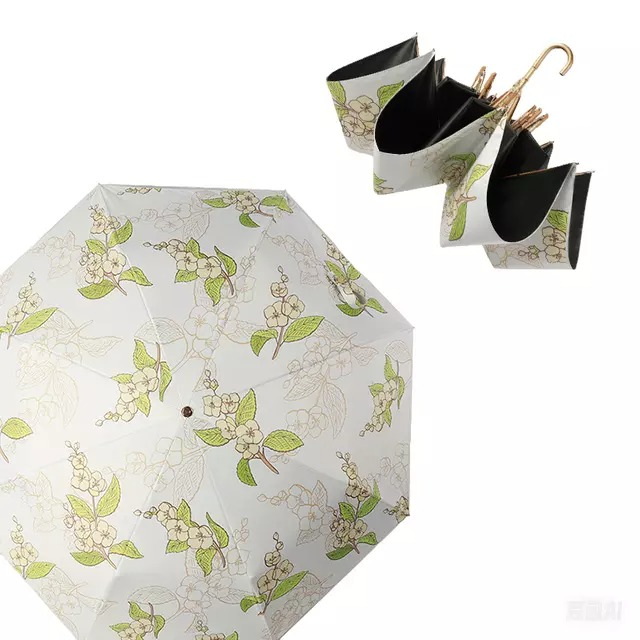
A quick way to estimate Parasol price is to define size, fabric type, frame material, and whether the Parasol is basic, mid‑range, or premium, then compare similar models in the same category. For OEM projects, sharing these parameters with a manufacturer allows them to provide a fast reference quote that can later be refined.
Two Parasols of the same diameter may use completely different fabric grades, pole thicknesses, rib designs, and hardware quality. One Parasol might have a thin polyester fabric and light steel frame, while the other uses heavy acrylic fabric, reinforced ribs, and an advanced opening system, leading to very different costs.
Branded or promotional Parasols are not always more expensive per unit, especially when produced in bulk. Although logo printing and custom colors add some cost, large order quantities and standardized structures can keep the overall Parasol price competitive while delivering strong advertising value.
A buyer can lower Parasol costs by simplifying artwork, selecting a cost‑effective mid‑range fabric instead of the very top tier, and using standard frame components instead of highly customized hardware. Prioritizing key performance features such as UV protection and frame strength, while trimming non‑essential extras, keeps the Parasol durable and affordable.
Before requesting a quotation, it is helpful to prepare basic Parasol specifications: intended use, size, shape, fabric preference, pole material, expected order quantity, and any printing or accessory requirements. Providing reference photos or links to similar Parasols also helps the manufacturer understand the desired style and price range more accurately.


