
Language


Content Menu
● Waterproofing and UV Protection Treatments
● Pole Production and Tent Setup Testing
● Quality Control and Inspection
● Frequently Asked Questions (FAQ)
>> 1. What materials are best for an Outdoor Tent?
>> 2. How is waterproofing applied during tent production?
>> 3. What types of poles are used in Outdoor Tents?
>> 4. How is the quality of tents assured?
>> 5. Can manufacturers customize tents for brand orders?
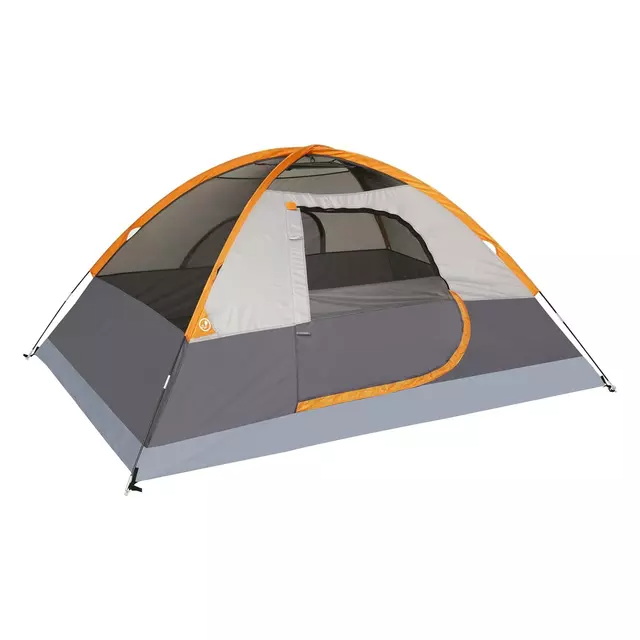
Creating a high-quality outdoor tent involves a detailed manufacturing process that ensures durability, weather resistance, and comfort. Whether for camping enthusiasts or brands providing OEM services to wholesalers and producers, understanding how an outdoor tent is made is essential. This guide walks you through every crucial phase of the process, from raw material selection to design, assembly, and quality control.
The Outdoor Tent plays a vital role in outdoor activities such as camping, hiking, and festivals. Its purpose is to offer shelter from harsh weather conditions while remaining lightweight and portable. This article thoroughly explores the step-by-step manufacturing process of Outdoor Tents, emphasizing the materials, design, assembly, and testing techniques that bring these reliable shelters to life. Whether you are a manufacturer or an outdoor enthusiast, understanding these production principles ensures better appreciation of quality tents.
The durability and performance of an Outdoor Tent begin with choosing the right materials. Fabrics must balance strength, lightweight, and water resistance to survive outdoor conditions.
- Fabric Types: Commonly used materials include nylon and polyester, prized for their lightweight and tear resistance. Cotton canvas is used in some traditional designs due to its breathability.
- Breathable Laminates: Advanced tents might incorporate breathable membranes like Gore-Tex® Pro Shell or eVent® fabrics that keep moisture out while allowing airflow.
- Supporting Components: Poles generally comprise aluminum or fiberglass, offering strength and flexibility. Other critical parts include high-quality zippers, guy lines, tent stakes, and tensioning ropes.
The precise selection depends on the tent's intended use, whether for lightweight backpacking or rugged mountaineering.[1][3]
Tent design defines the usability, weather resistance, and structural integrity.
- Designers employ specialized CAD software to create detailed tent blueprints.
- The design phase considers the type of tent (dome, tunnel, cabin), use cases (camping, expedition), and environmental factors like rain or snow.
- Each tent panel's pattern is meticulously planned, accounting for overlap, seams, and ventilation layout.
After design finalization, patterns guide the fabric cutting, ensuring accuracy for assembly.[1]
Fabric cutting is a critical production step with a direct impact on tent quality.
- Fabric layers are spread on large cutting tables.
- Computer-controlled cutting machines or manual cutting with precision tools slice fabric panels according to patterns.
- Accuracy prevents misalignment and material wastage, crucial for tents with complex shapes and features.
This step establishes the foundation for flawless sewing and assembly.[4][1]
To equip the tent for outdoor exposure, cut fabrics undergo specialized treatments.
- Waterproofing: Fabrics are coated or sprayed with Durable Water Repellent (DWR) or silicone-based agents to prevent water penetration.
- Seam Taping: Waterproof tape seals sewing seams to prevent leakage.
- UV Protection: Coatings or fabric weaves filter UV rays, protecting both the user and the tent material from sun damage.
These treatments maintain breathability while ensuring the tent stays dry under heavy rain.[3][1]
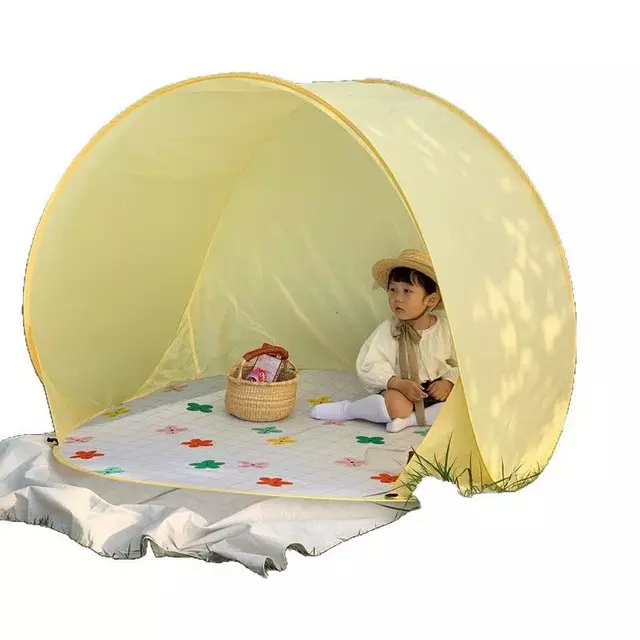
This phase transforms fabric panels into a functional tent.
- Heavy-duty industrial sewing machines stitch the panels with durable threads.
- Multiple stitch rows and reinforced seams enhance strength.
- Additional features such as doors, windows, vents, and pockets are sewn in.
- Stake loops, zipper guards, and guyline attachments are securely integrated.
Continuous quality checks occur during assembly to maintain precision and durability.[4][1]
Tent poles, usually made from aluminum or fiberglass, are crafted to balance lightness and sturdy support.
- Poles are cut, shaped, and coated during manufacturing.
- Assembled tents undergo setup testing to verify ease of pitch, structural integrity, and component fit.
- Stress tests ensure that poles and fabric withstand tension and environmental pressures.
Testing guarantees the tent stands firm in demanding conditions.[2][1]
Before the tents leave the factory, they undergo rigorous quality assurance.
- Water resistance is verified through spray or immersion tests.
- Fabric tear strength and tensile durability are measured.
- UV resistance and wear from abrasion are examined.
- Assembly precision, including seam strength and component attachment, is scrutinized.
Products that fail to meet standards are reworked or rejected, ensuring high-quality output.[11][3][1]
Completed tents are carefully folded and packed for shipment.
- Packaging protects the tent during transit and includes necessary accessories like stakes, repair kits, and instructions.
- OEM tents are often labeled or customized according to brand specifications.
Efficient packaging facilitates smooth delivery to wholesalers, retailers, or end customers.[1]
Manufacturing an Outdoor Tent requires an intricate combination of skillful design, premium materials, precise assembly, and stringent quality control. Each step—from fabric selection to final packing—ensures the resulting product is durable, weather-resistant, and user-friendly. This meticulous process guarantees outdoor enthusiasts and brands a reliable shelter tailored for the demands of nature.
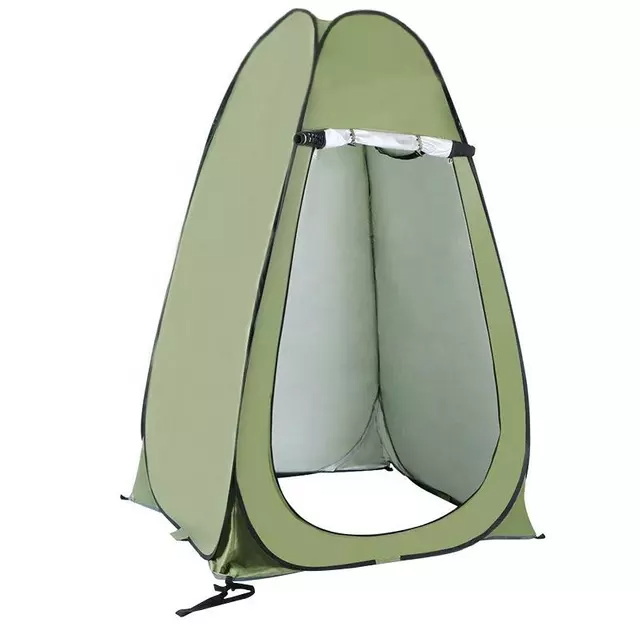
Nylon and polyester fabrics are preferred for being lightweight and durable, while breathable laminates like Gore-Tex® enhance waterproofness and ventilation.[1]
Waterproofing involves coating fabrics with DWR or silicone sprays and sealing seams with waterproof tape, helping the tent repel rain while allowing breathability.[1]
Aluminum and fiberglass poles are common. Aluminum offers lightness and strength, and fiberglass provides flexibility. The choice depends on tent size and usage.[1]
Through tests for tear strength, waterproof ability, UV resistance, and assembly quality, ensuring each tent meets stringent outdoor performance standards.[11]
Yes. OEM services allow brands to customize fabrics, colors, tent shapes, and accessories according to their specifications.[12]
[1](https://fairtradefinder.com/how-are-tents-made/)
[2](https://www.skylarkline.com/principles-of-outdoor-tent-construction.html)
[3](https://insights.made-in-china.com/Understanding-Tent-Fabric-A-Comprehensive-Sourcing-Guide-and-User-Needs-Analysis_RauAdwcXCnHS.html)
[4](https://www.youtube.com/watch?v=v53je0NVdf8)
[5](https://www.zemat.com/blog/tents-production-process/)
[6](https://tentsupply.com/part-3-a-closer-look-at-tent-manufacturing-laminate-vs-coated-vinyl/)
[7](https://tents-manufacture.com/full-tent-making-process-explanation/)
[8](https://americantent.com/blogs/now-trending/tent-manufacturer)
[9](https://www.weldmaster.com/blog/creating-custom-tents-for-unique-applications)
[10](https://ar.qicaiknitting.com/resources/your-complete-tent-materials-amp-fabrics-guide.html)
[11](https://www.homfulgroup.com/videos/camping-tent-factory.asp)
[12](https://www.youtube.com/watch?v=8DEYNbzGGjE)


