
Language
Please Choose Your Language
Views: 222 Author: Amanda Publish Time: 2025-11-20 Origin: Site


Content Menu
● Preparing for Your Outdoor Tent Setup
● Step 1: Lay Down the Tent Footprint or Ground Tarp
● Step 2: Spread Out the Tent Body
● Step 3: Drive Tent Stakes into Corners
● Step 4: Assemble the Tent Poles
● Step 5: Attach the Poles to the Tent
● Step 6: Raise the Tent Frame
● Step 8: Secure Guy Lines and Final Anchoring
● Step 9: Organize Tent Interior
● Additional Tips for Outdoor Tent Setup Success
● Frequently Asked Questions (FAQ)
>> 1. How long does it typically take to set up a Greatland Outdoors tent?
>> 2. Can one person set up the tent, or are two people recommended?
>> 3. What should I do if the ground is too hard for stakes?
>> 4. Is it necessary to use the rainfly in all weather conditions?
>> 5. How can I maintain my Greatland Outdoors tent for long-term use?
Setting up an outdoor tent can seem daunting at first, but with clear instructions and a bit of practice, pitching a Greatland Outdoors tent can be a straightforward and enjoyable task. This guide will take you through every step of setting up your outdoor tent with ease and confidence, ensuring a sturdy, comfortable shelter for your outdoor adventures. Whether you're a beginner or an experienced camper, these tips and techniques will enhance your tent setup experience.
Before even unpacking your tent, preparation is key. Select the perfect campsite by scouting for a flat, well-drained area free from rocks, roots, and debris. Avoid low spots where water may collect in case of rainfall. Clearing the ground will not only protect your tent floor but also increase your camping comfort.
Next, layout all parts of your Greatland Outdoors tent: the tent body, poles, stakes, rainfly, and guy lines. Sorting your gear before setup accelerates the process and prevents last-minute surprises.
If your Greatland tent includes a footprint (a protective ground tarp), spread it evenly on the chosen site. The footprint adds an extra layer of moisture resistance and protects the tent floor from abrasions. Make sure the shiny side faces downward and is taut without wrinkles.
Even without a footprint, placing a thin tarp or groundsheet under the tent body is recommended for extra protection against moisture and wear.
Place the tent body on top of the footprint or the clear space if not using one. Align the tent so the door faces your desired direction (preferably away from prevailing winds). Flatten out the fabric, ensuring no wrinkles or bunching. This will help the tent take shape evenly when poles are inserted.
Anchor the tent body by securing the four corners with stakes. Insert stakes at about a 45-degree angle pointing away from the tent for better stability. Drive the stakes firmly into the ground using a mallet or hammer until only a few inches remain visible.
For larger tents, additional stakes may be used around the perimeter for increased stability.
Greatland Outdoors tents typically use shock-corded poles that are color-coded or numbered for easier assembly. Connect all the pole segments by sliding the ends together carefully, ensuring each is securely seated. Avoid bending, forcing, or snapping the poles, as this can damage them.
The method for pole attachment varies by model:
- Sleeve System: Slide the poles through fabric sleeves running diagonally across the tent body.
- Clip System: Attach poles to clips sewn onto the tent body.
Either way, the poles form the tent's frame. Take care to thread poles gently to avoid snagging the fabric.
After poles are attached, carefully lift the tent frame by flexing the poles into their arched positions. Insert the pole ends into corner fixtures or grommets on the tent body or footprint. Raise the tent upright and secure any hook-and-loop fasteners or velcro straps available to tighten the structure.
Adjust stakes or pole positions as needed to evenly distribute tension and shape.
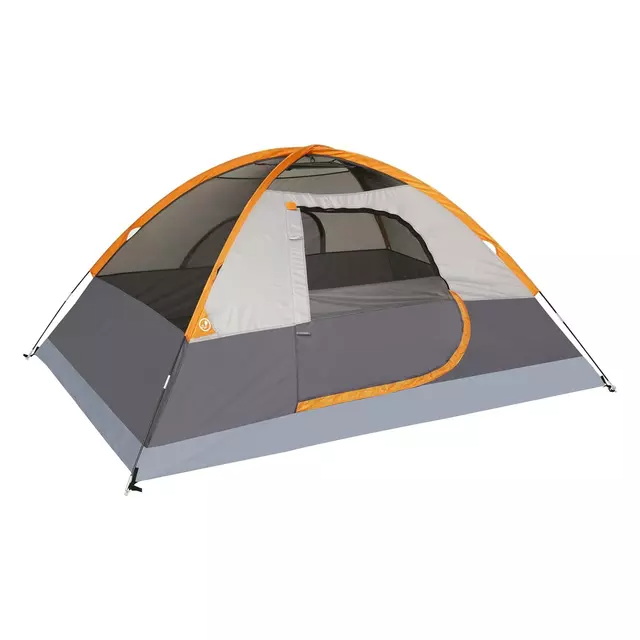
The rainfly is a waterproof cover that shields your tent from rain and wind. Drape the rainfly over the fully erected tent, ensuring doors and vestibules align with those of the tent body.
Fasten the rainfly to hooks, buckles, or loops positioned at the tent's corners and poles. Then, pull guy lines out from the rainfly towards secure ground anchor points and tighten for stability. This prevents sagging and improves wind resistance.
Guy lines are crucial for anchoring the tent during windy conditions. Stake these lines out at a 45-degree angle away from the tent, adjusting lines to be taut but not overly tight which can stress the fabric.
Double-check that all stakes are firmly planted and tension is evenly distributed across the tent. This will maximize the tent's structural integrity and weather resistance.
Once the tent stands firm, set up the interior space. Attach any gear lofts, pockets, or dividers to optimize storage and living comfort. Lay down sleeping pads or mats, and arrange sleeping bags, backpacks, and essentials in designated areas.
Greatland's spacious designs often include multiple rooms for families or groups, providing options for privacy and organization.
- Practice Assembly at Home: Familiarize yourself with all parts and steps before heading outdoors. Practicing will save time and reduce frustration at the campsite.
- Check Weather Conditions: Adapt your setup techniques depending on weather—tighten stakes and guy lines before storms and remove rainfly for ventilation on clear nights.
- Use a Tent Footprint or Groundsheet: This protects the tent floor against moisture and wear, extending its lifespan.
- Keep the Tent Clean and Dry: After use, clean debris and dry the tent thoroughly before storage to prevent mold and mildew.
- Pack Extra Stakes and Repair Kit: Be prepared for unexpected situations such as lost stakes or minor tears.
Setting up a Greatland Outdoors tent is a manageable and rewarding task that lays the foundation for an enjoyable camping experience. By following the detailed step-by-step process — from preparing your site and laying the tent canvas to erecting poles, attaching the rainfly, and securing all anchors — you can ensure your outdoor tent remains sturdy and comfortable regardless of weather conditions. With these practical tips and organized approach, your Greatland Outdoors tent will provide reliable shelter and comfort for many outdoor adventures to come.
For beginners, setting up can take about 15 to 30 minutes. Experienced campers can usually erect the tent in under 10 minutes with practice.
While the tent can be set up solo, having two people makes the process much easier and faster, especially when raising and securing the poles.
In hard or rocky soil, use rocks to weigh down the tent corners or use specialized heavy-duty stakes designed for tough terrain.
No. The rainfly is essential in wet or windy weather to keep you dry. On clear, calm nights, removing it improves ventilation and reduces condensation inside the tent.
Clean the tent after use with mild soap and water, dry it thoroughly before storage, avoid prolonged exposure to UV rays, and store it in a cool, dry place.
[1](https://mountaineerjourney.com/blog/mastering-basic-tent-setup-techniques-a-step-by-step-guide)
[2](https://www.basecampoutdoorgear.com/post/rental-tent-set-up-instructions)
[3](https://www.wikihow.com/Set-Up-a-Tent)
[4](https://www.battlbox.com/blogs/camping/how-to-set-up-a-camping-tent-a-comprehensive-guide)
[5](https://www.youtube.com/watch?v=Pf2hmFeUsbY)
[6](https://www.popularmechanics.com/adventure/outdoor-gear/a65448265/how-to-set-up-a-tent/)
[7](https://www.outdoors.org/resources/amc-outdoors/outdoor-resources/how-to-pitch-a-tent/)
[8](https://www.rei.com/learn/expert-advice/tent-set-up.html)
[9](https://americantent.com/pages/tent-setup-guides)
[10](https://www.bigagnes.com/blogs/support/how-to-set-up-your-tent)


