
Language
Please Choose Your Language


Content Menu
● Introduction: A Bright Symbol of Protection and Practicality
● Historical Lines: From Ocean Trades to Everyday Visibility
● The Science of Visibility: Why Yellow Packs a Punch
● Materials and Technology: The Construction of a Yellow Raincoat
● Sustainability and Innovation in Yellow Rainwear
● Manufacturing Process: From Raw Materials to the Finished Raincoat
● Industrial and supply chain considerations
● Design and Product Differentiation: Keeping Yellow Relevant
● Operational Insights for OEM Partners
● Challenges and Solutions in Yellow Raincoat Production
● Why Yellow Remains a Strategic Choice for Rainwear Brands
● Product Storytelling for Your Brand: OEM Messaging and Positioning
● FAQ
>> 1) Why is yellow the preferred color for raincoats?
>> 2) What materials are typically used in yellow raincoats today?
>> 3) How do manufacturers ensure yellow raincoats stay colorfast after washing?
>> 4) What design features differentiate premium yellow raincoats from basic models?
>> 5) Can yellow raincoats be produced with eco-friendly materials and processes?
From the deck of a weather-beaten fishing schooner to the crowded streets of a modern city, the yellow raincoat stands out as a beacon of safety, practicality, and even optimism. The color's high visibility in dim light, combined with decades of engineering refinement, has made yellow raincoats a staple across industrial, maritime, and consumer markets. In this extended exploration, we trace the origins, science, and culture behind yellow raincoats, while offering insights into materials, manufacturing processes, and product positioning for brands seeking reliable OEM solutions. The raincoat, in yellow, is not merely a tool for staying dry; it is a well-calibrated balance of function, safety, and style that continues to evolve with new fabrics, coatings, and design sensibilities. This article provides a comprehensive view for international brands, wholesalers, and manufacturers seeking to understand why yellow remains more than a color—it is a strategic choice in rainwear engineering. The term raincoat will be used throughout to refer to a broad family of waterproof outerwear designed to keep wearers dry in wet climates.
Yellow raincoats owe much of their notoriety to maritime traditions. Fishermen and sailors required outerwear that could withstand prolonged exposure to sea spray, rain, and wind, while also remaining easily visible for crew coordination and safety. Early approaches used natural or oil-treated fabrics that offered water resistance but came with limited flexibility and comfort. As waterproofing technologies evolved, so did fabric and dye strategies. Yellow rose to prominence because its brightness proved highly legible against gray skies, rough seas, and urban rain—an essential feature for quick recognition during a storm or a capsize incident. Over time, manufacturers recognized that color could do more than merely look bright; it could actively enhance safety, reduce response times in emergencies, and improve on-deck visibility for operators and rescue teams. This historical arc—from practical waterproofing to color as a safety feature—helps explain why yellow became the default hue in many premium rainwear lines. The long-standing maritime association also supported a broad distribution of yellow raincoats into non-maritime settings, including construction sites, urban commuters, and outdoor recreation, where visibility remains a priority. The result is a durable tradition that continues to influence modern product development and branding.
Visibility is the cornerstone of yellow raincoats' enduring popularity. The human eye is more sensitive to certain wavelengths of light, and yellow occupies a high-contrast zone that remains noticeable across varied weather conditions, from drizzle to dense fog. This makes yellow an excellent choice for outerwear designed to be seen quickly by colleagues, pedestrians, or drivers. In practical terms, the brightness of yellow, often combined with high-reflectivity accents or coatings, translates into faster recognition times in critical situations. For manufacturers and brands, this translates into a measurable benefit: higher conspicuity under adverse lighting, which is especially important for PPE compliance in industrial and municipal segments. From a product design perspective, the visibility advantage informs decisions around additional reflective strips, luminescent trim, or hybrid color-blocking strategies that retain the yellow core while enhancing nighttime visibility. The science here aligns with broader safety standards in PPE, where color and reflectivity play complementary roles in preventing accidents and enabling rapid response.
Modern raincoats blend waterproof performance with comfort, breathability, and durability. The core components include the fabric, coatings, seams, and accessories, all of which must work in harmony to deliver reliable rain protection while maintaining wearer comfort during long hours outdoors.
- Fabrics: The backbone of any raincoat is its waterproof fabric. Traditional options include PVC and polyurethane-coated textiles, while more advanced designs may employ coated nylon or polyester with microporous membranes or breathable laminates. The choice of fabric affects weight, stiffness, hand feel, and wash durability, all of which influence wearer acceptance in both workwear and consumer markets.
- Coatings and membranes: Waterproofing can be achieved through durable coatings or membrane technologies that resist water ingress while allowing some breathability. The level of breathability (measured as grams of water vapor per square meter per day) depends on the coating or membrane system and affects comfort in different climates. For manufacturers, this means balancing rain protection with comfort, a critical specification when targeting international retailers who demand multi-season performance.
- Seams and closures: Sealed seams, taped seams, and robust zippers or snap fasteners are essential to prevent water leakage at joints. Seam sealing is a common area for quality control in OEM production, ensuring long-term performance across repeated wet weather exposure.
- Finishes and trims: Breathability, abrasion resistance, colorfastness, and hand feel are influenced by finishing processes and trim choices. In yellow raincoats, colorfastness to washing and sunlight is especially important to maintain the distinctive hue across product lifecycles.
Contemporary raincoat production increasingly emphasizes sustainability. Some brands experiment with recycled or upcycled materials, including post-consumer plastics, to reduce environmental impact while preserving performance. Innovations in finishing chemistries and dye technology allow for colorfast yellows that resist fading after repeated washing and sun exposure. For OEM partnerships, this opens opportunities to align product lines with corporate sustainability goals, meet regulatory expectations across markets, and appeal to eco-conscious retailers and consumers.
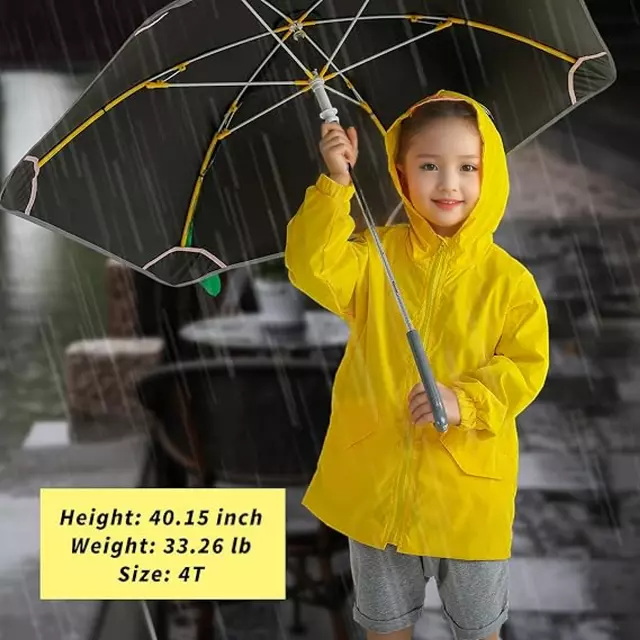
A typical raincoat production workflow in an OEM context comprises several essential stages:
- Sourcing and material preparation: Selecting waterproof fabrics, threads, tapes, coatings, and linings that meet performance and regulatory standards. For yellow raincoats, dye fastness and color consistency are critical, as color deviations can undermine brand integrity.
- Patterning and cutting: Computer-aided design (CAD) systems are often used to ensure precise patterns that minimize waste and enable scalable production across sizes.
- Assembly: The main assembly involves sewing shells, attaching linings, and integrating components such as hoods, pockets, cuffs, and closures. Seam sealing or waterproof tape is applied to critical seams to ensure waterproof performance.
- Finishing: Final quality checks, washing, and pressing to achieve the desired hand feel and appearance. Colorfastness tests verify that the iconic yellow hue remains vibrant through the product's lifecycle.
- Packaging and distribution: Labels, care instructions, and packaging designs align with brand requirements and regional market expectations.
- Compliance and testing: Raincoats must comply with regional PPE or outerwear standards where applicable. This includes water resistance ratings, breathability measurements, and durability tests.
- Lead times and flexibility: OEM partnerships demand reliable lead times and the ability to accommodate varying order quantities, colorways, and feature sets without compromising quality.
- Quality control: Stringent checks at each stage—from fabric inspection to final packaging—minimize returns and strengthen brand reputation.
Even within a standardized color, there is ample room for differentiation. Brands can introduce:
- Subtle tonal variations within the yellow family, such as lemon, goldenrod, or warm amber tones, to create distinct product lines while preserving core safety and visibility benefits.
- Functional features: adjustable hoods, venting panels, removable linings for seasonal versatility, and waterproof zippers for enhanced performance.
- Aesthetic details: contrast lining colors, piping, logo placement, and subtle textures that give premium feel without sacrificing the essential Raincoat function.
- Supplier collaboration: Close alignment with fabric suppliers, coating specialists, and sewing contractors ensures consistent color quality and waterproof performance.
- Quality assurance: Implementing standardized test methods for water resistance, colorfastness, and seam integrity minimizes post-sale issues and strengthens customer trust.
- Customization pathways: Offer scalable customization options—color accuracy, trim choices, logos, and packaging—to meet diverse international brand requirements while preserving core performance characteristics.
- Color consistency: Maintaining a consistent yellow across lots and seasons can be challenging due to dye lot variations. Solutions include strict color tolerance specifications, standardized dyeing procedures, and periodic color quality audits.
- Balancing breathability and waterproofing: Some users require higher breathability for comfort in warm climates, while others prioritize maximum waterproofing. Solution: provide product tiers with different fabric/membrane configurations to suit regional needs.
- Environmental considerations: Regulations and consumer expectations push for sustainable materials and responsible waste management. Solution: invest in recycled-content fabrics, low-impact coatings, and circularity programs to close the material loop.
- Safety and compliance: High visibility improves safety outcomes for workers, commuters, and outdoor enthusiasts.
- Brand storytelling: Yellow raincoats tell a story of resilience, optimism, and practical design—values that resonate in markets worldwide.
- Market readiness: The tradition and familiarity of yellow raincoats reduce consumer hesitation when introducing new rainwear lines to retailers and end-users.
- Industrial PPE and workwear: Construction, logistics, and maritime sectors often prefer high-visibility outerwear to comply with safety norms and reduce accident risk.
- Consumer fashion: Fashion-forward yellow raincoats appear in seasonal collections, collaborations, and limited releases, combining function with style.
- Outdoor and travel gear: Hikers, campers, and urban explorers appreciate the waterproof reliability and easy spotting in varied weather.
- Communicate the lineage: Emphasize marched-by-sea heritage and safety-first design to connect with buyers looking for authentic, functional outerwear.
- Emphasize performance: Highlight waterproofing levels, breathability options, and seam technologies that are crucial for wholesale buyers evaluating durability and ROI.
- Highlight sustainability: If applicable, detail recycled-content fabrics, responsible dye practices, and recyclable packaging to align with global sustainability goals.
Yellow raincoats persist as one of the most recognizable and trusted forms of weather protection. Their bright hue is not merely decorative; it is a carefully chosen attribute that enhances visibility, signals safety, and reinforces a cheerful resilience in wet environments. For manufacturers and brand partners, the yellow raincoat remains a versatile canvas for innovation—without sacrificing the core values of waterproofing, durability, and wearer comfort. As supply chains continue to evolve and consumer expectations expand, the yellow raincoat will likely adapt through new materials, smarter coatings, and thoughtful design details, maintaining its status as an enduring icon of practical, reliable rain protection.
- Yellow is chosen for its high visibility in wet and low-light conditions, helping wearers be seen quickly, which enhances safety in industrial, maritime, and urban settings.
- Modern yellow raincoats are usually made from waterproof fabrics such as PVC, polyurethane-coated textiles, and breathable laminates or membranes on polyester or nylon bases.
- Colorfastness is ensured through stable dye chemistries, proper dye-to-fabric binding, and careful finishing processes that resist fading from washing and sun exposure.
- Premium versions often include higher waterproof ratings, better breathability, sealed or taped seams, ergonomic hoods, adjustable cuffs, reflective elements, and premium trims or linings.
- Yes, many suppliers offer recycled or sustainable fabrics, low-impact coatings, and responsible dyeing practices to reduce environmental impact while maintaining performance.
[1](https://vishimex.com/the-process-of-manufacturing-raincoats-from-waterproof-fabric-to-finished-product/)
[2](https://www.fibre2fashion.com/industry-article/492/an-overview-of-raincoat-production)
[3](https://khatabook.com/blog/raincoats-manufacturing-process/)
[4](https://www.safetyhub.co.ke/raincoats-manufacturing-types-and-uses/)
[5](https://www.oasisjackets.com/important-steps-for-manufacturing-rain-jackets-that-you-did-not-know/)
[6](https://www.linkedin.com/pulse/production-process-raincoats-hollee-raincoat-rain-wear-rain-boots)
[7](https://www.facebook.com/groups/1612500875568772/posts/3256664924485684/)
[8](https://deepwear.info/blog/expanding-into-rainwear-heres-what-you-need-to-know/)
[9](https://norwegianrain.com/sustainability/technical-fabrics-made-of-waste/)


