
Language
Please Choose Your Language
Views: 222 Author: Amanda Publish Time: 2025-11-08 Origin: Site


Content Menu
● Netting fundamentals in raincoat design
● Types of netting used in raincoats
>> Durable abrasion-resistant netting
>> Lightweight waterproof netting
>> Specialty netting (UV/allergen/pollution protection)
>> Netting performance drivers for raincoat OEM programs
● Construction types and their relation to netting
● Material and performance considerations for nets
● Industry benchmarks and best practices
● Practical OEM guidelines for choosing raincoat netting
● Case studies and real-world scenarios
● How to communicate netting choices to brand partners and customers
● FAQs
>> 1) What is the primary function of mesh lining in a raincoat?
>> 2) How does mesh lining impact raincoat breathability and waterproof performance?
>> 3) Are all raincoats suitable for mesh lining?
>> 4) Which mesh materials are best for heavy-duty rainwear?
>> 5) Does mesh lining require special care?
Raincoats have evolved far beyond simple waterproof shells. In OEM collaborations with overseas brands, wholesalers, and manufacturers, the interior netting or mesh lining plays a decisive role in comfort, durability, and performance under varied weather conditions. The choice of netting affects breathability, moisture management, abrasion resistance, weight, and the overall user experience. This article delves into the main netting options used in raincoat construction, outlines their practical implications for design and production, and offers guidance for selecting the best mesh for different market segments and climates.
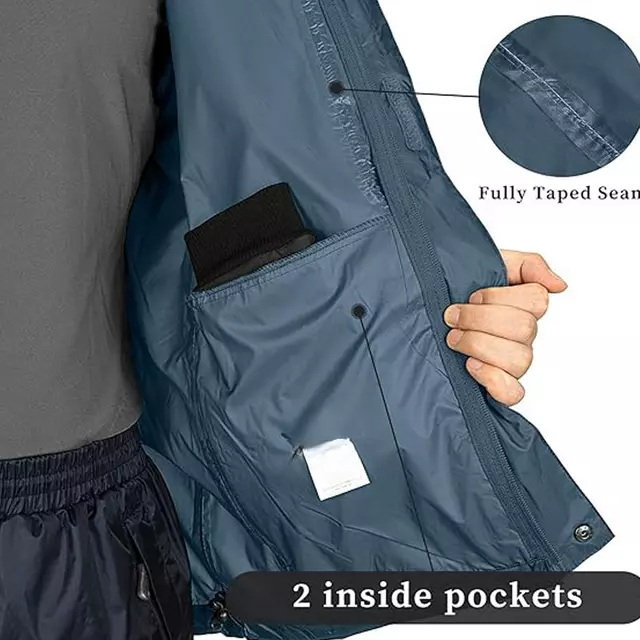
Mesh lining sits between the outer waterproof layer and the wearer's clothing or skin. Its primary roles are to allow air movement, wick moisture away from the body, and reduce the “clammy” sensation that can accompany airtight raincoats. In high-end rainwear, the mesh also serves as a micro-structure that protects the waterproof membrane from direct contact with skin oils, sweat, and abrasion. For OEM producers, selecting the right mesh involves balancing breathability, softness, durability, weight, and compatibility with the membrane system (2L, 2.5L, or 3L constructions).
- Characteristics: Lightweight, highly breathable, and soft to the touch. Often manufactured from polyester or nylon blends with open-weave patterns to maximize air exchange.
- Practical benefits: Improves comfort on long wear times, supports moisture vapor transport, and reduces heat buildup.
- Design considerations: Compatible with most membranes; minimal impact on overall jacket weight; can be engineered with different opening sizes to tailor airflow at zones like underarms and back.
- Characteristics: Denser weave, higher denier fibers, sometimes reinforced at critical seams or shoulder zones.
- Practical benefits: Extends life in rugged use (hiking, workwear, industrial contexts), resists snagging from backpacks or tool straps.
- Design considerations: Slightly heavier than standard breathable mesh; may require specific stitching patterns to prevent stitch abrasion on the fabric edges.
- Characteristics: Ultra-light meshes designed to minimize weight while preserving some air exchange.
- Practical benefits: Ideal for ultra-light rain jackets and city commuters seeking compact packability.
- Design considerations: Must be compatible with thin membranes and minimal seam allowances; may need careful finishing to avoid water ingress at edges.
Bug netting and insect protection nets
- Characteristics: Fine mesh with small aperture to deter insects while maintaining airflow.
- Practical benefits: Essential for outdoor enthusiasts in warm, humid environments; improves comfort in camping or trekking contexts.
- Design considerations: May influence hood design and vent placement; ensure that it does not compromise visibility or facial fit.
- Characteristics: Treated or inherently UV-blocking meshes; allergen-barrier variants exist.
- Practical benefits: Appeals to sensitive users or markets with strong outdoor exposure to sunlight or pollutants.
- Design considerations: May add cost; verify compatibility with safety or regulatory requirements.
- Breathability vs waterproofing balance: Netting should complement membrane breathability, not impede it. The right mesh supports vapor transfer while preventing external water ingress at seams.
- Comfort against the skin: Softer, smoother meshes reduce abrasion and chafing, especially for long-wear scenarios.
- Durability under load: Areas subjected to backpack straps, sleeves, and cuffs benefit from reinforced nets to resist tearing and snagging.
- Weight and packability: High-performance applications favor light-weight meshes that maintain packability without sacrificing comfort.
- Manufacturing feasibility: Mesh choice must align with sewing capabilities, heat-sealing processes, and seam-taping strategies used in 2L, 2.5L, or 3L constructions.
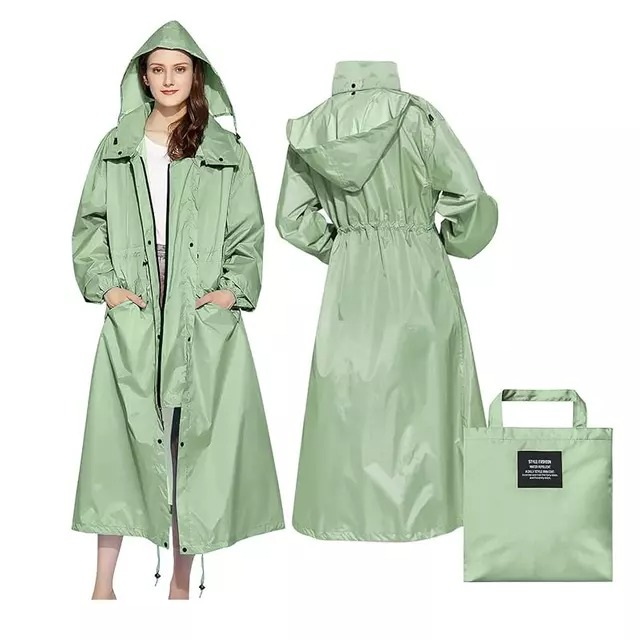
- Structure: A waterproof/breathable membrane bonded to the shell with a film or mesh interior lining for comfort.
- Netting role: A loose mesh or knit interior liner provides airflow and moisture management without adding significant barrier to breathability.
- OEM considerations: Mesh weight and porosity influence microclimate inside the garment; compatibility with seam taping is essential.
- Structure: A laminated membrane with a protective outer film and an interior mesh or micro-fiber liner.
- Netting role: The interior mesh maintains comfort while allowing better moisture venting through the laminate system.
- OEM considerations: Ensure that the mesh does not trap excessive moisture, which could reduce perceived breathability.
- Structure: Membrane sandwiched between an outer shell and a strong interior liner.
- Netting role: The interior liner is often a more substantial fabric than typical mesh, providing enhanced handfeel and durability.
- OEM considerations: Netting choice is pivotal for comfort at the interior contact surface; requires careful selection to avoid compromising the waterproof layer.
- Fiber type: Polyester and nylon blends are common for their balance of softness, strength, and moisture management.
- Fabric weight: Measured in denier or gsm; heavier nets provide durability but may reduce airflow slightly.
- Finishes: DWR (durable water repellent) compatibility with the inner shell to prevent wicking into the membrane.
- Laundering and care: Nets should withstand maintenance cycles without losing texture or alignment with the membrane.
- Compatibility with membrane technology: Ensure that mesh interior does not generate micro-abrasion against the membrane's surface.
- Seam integrity: Mesh edges should not cause fraying at seam lines; use reinforced stitching or binding where necessary.
- User-tested comfort: Conduct wear trials across climates to measure heat buildup, moisture, and overall comfort.
- Regulatory awareness: For high-visibility or industrial rainwear, ensure that mesh choices meet relevant safety standards.
- Define target use cases: urban commuters, outdoor adventurers, industrial workers, or rain-driven fashion customers.
- Prioritize breathability and comfort for active wear; emphasize durability for outdoor or heavy use.
- Establish a balance between weight and warmth; lighter meshes for summer or tropical climates, heavier, reinforced nets for cold or rugged environments.
- Align with membrane systems: Confirm compatibility with the chosen 2L, 2.5L, or 3L construction and with seam sealing methods.
- Test across conditions: Simulate rain, humidity, and temperature to evaluate how the mesh behaves in real-world wear.
- Consider maintenance: Ensure mesh withstands cleaning cycles and does not degrade membrane performance.
- Outdoor brand collaboration: A mid-range rain jacket featuring a breathable mesh lining in a 2.5L system, delivering quick drying and comfortable wear during light-intensity hikes and urban commutes.
- Industrial rainwear: A heavy-duty raincoat using abrasion-resistant mesh in high-contact zones to resist strap wear from backpacks and tool belts.
- Lightweight city rain jacket: A 2L shell with ultra-light mesh interior designed for daily commuting, emphasizing packability and minimal bulk.
- Transparent spec sheets: Provide detailed netting material specs, weight, weave, and finishing information.
- Clear performance claims: Tie mesh properties to tangible benefits such as breathability, comfort, and durability.
- Visual demonstrations: Use photos and short videos to illustrate interior mesh patterns and their functional benefits.
- Customization options: Offer a menu of mesh options with corresponding pricing, minimums, and lead times for OEM orders.
Netting in raincoats is a critical design consideration that influences comfort, breathability, durability, and overall user experience. For OEM programs and collaborative brands, selecting the right mesh requires aligning with end-use scenarios, climate, and membrane technology, while ensuring manufacturability and cost-effectiveness. Thoughtful mesh choices can differentiate products in competitive markets and deliver superior Raincoat performance across a broad range of conditions.
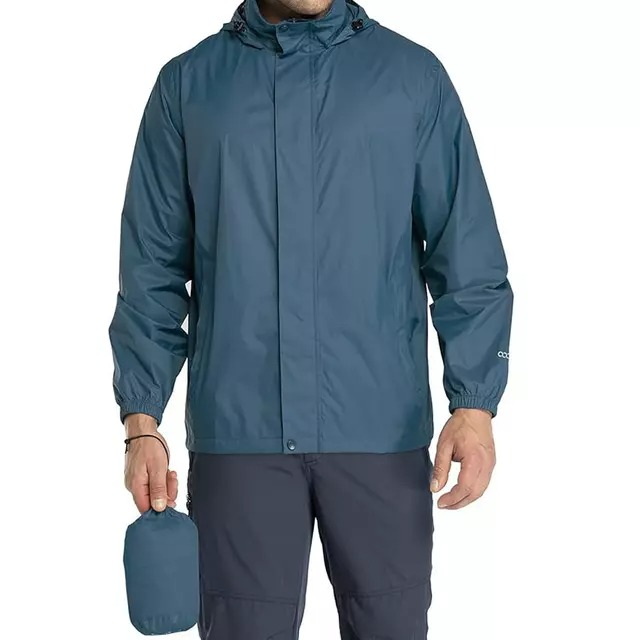
The mesh lining enhances ventilation, reduces interior moisture buildup, and protects the waterproof membrane from skin oils and abrasion, improving overall comfort and durability.
Mesh lining itself does not determine waterproof performance, but it supports moisture vapor transfer and air movement, contributing to perceived breathability without compromising the outer membrane's function.
While many are designed with mesh interiors for comfort and durability, some basic or disposable rainwear may use minimal or no lining. Active, outdoor, and premium rainwear commonly benefit from mesh interiors.
For rugged use, abrasion-resistant nylon or polyester meshes with reinforced edges provide durability under repeated gear contact and rough handling.
In most cases, standard washing according to manufacturer guidelines is sufficient. Avoid high heat and harsh chemicals that could degrade fibers or affect the membrane's performance.
We are a rain umbrella and raincoat OEM partner, delivering tailored netting and lining solutions for international brands, wholesalers, and manufacturers. Our expertise spans mesh linings, membrane compatibility, and multi-layer rainwear construction to optimize comfort, durability, and performance in every climate.
[1](https://www.dromex.co.za/wp-content/uploads/2023/11/technical-datasheet-rubberised-raincoat-1.pdf)
[2](https://www.majesticglove.com/Product/high-visibility-waterproof-rain-jacket-with-nylon-mesh-liner-ansi-3-r-75-1305)
[3](https://www.switchbacktravel.com/info/rain-jacket-construction)
[4](https://www.llbean.com/llb/shop/82669?page=h2off-rain-jacket-mesh-lined)
[5](https://t-shirt.com.hk/en/product/nylon-waterproof-jacket-with-mesh-lining/)
[6](https://www.rsea.com.au/i-90-mesh-lined-rain-jacket)
[7](https://www.kathmandu.co.uk/blogs/article/rain-jacket-layers-explained)
[8](https://synqworkwear.com/en/product/catcher-rain-jacket-703wa2l2i)


