
Language
Please Choose Your Language
Views: 222 Author: Amanda Publish Time: 2025-12-09 Origin: Site


Content Menu
● What “Safe” Means for an Outdoor Dining Tent
● Structural Safety: Wind, Rain, and Snow
● Fire Safety and Flame Resistance
● Ventilation, Heaters, and Air Quality
● Regulatory Requirements and Permits
● Layout, Exits, and Emergency Planning
● Safe Installation and Maintenance Practices
● Choosing a Safe Outdoor Tent for Dining
● Operational Best Practices for Restaurants
● Guest Comfort and Perception of Safety
● OEM and Branding Considerations for Outdoor Tents
● Staff Training and Emergency Response
● Simple Safety Checklist for Outdoor Dining Tents
● FAQs
>> 1. Are outdoor dining tents safe in strong wind?
>> 2. Do outdoor dining tents need special fire‑resistant fabric?
>> 3. Can heaters be used safely inside an outdoor dining tent?
>> 4. When is a permit required for an outdoor dining tent?
>> 5. How should an outdoor dining tent be anchored?
A safe outdoor tent for dining protects guests from sun, rain, and wind while minimizing structural, fire, and health risks. For restaurants, wholesalers, and brand owners, it must also satisfy local regulations and fire codes that govern temporary membrane structures used as food and beverage areas.[2][3]
Structural safety focuses on stability against gusts, precipitation, and uneven ground so the Outdoor Tent will not collapse or blow away. Fire and life safety involves flame‑resistant fabric, suitable exits, “No Smoking” rules, and clear evacuation paths for diners and staff.[4][5]
High‑quality commercial Outdoor Tents designed for hospitality use generally meet higher safety margins than basic consumer pop‑ups, especially when professionally installed and regularly inspected. For OEM partners, this is a key selling point when serving international brand clients who must meet stricter standards.[6]
Wind is one of the biggest safety threats for any Outdoor Tent used as a dining space. Even a compact Outdoor Tent can act like a large sail if not anchored correctly, putting guests, staff, and nearby property at risk.[1][4]
Many tent safety specialists recommend fully evacuating a tent when wind speeds reach roughly 35–38 mph, because gusts at this level can shift poles, pull stakes, and overturn furnishings. Proper staking, ballast weights, and tensioning of the tent top are critical so the Outdoor Tent remains tight, without sagging or loose panels that catch the wind.[4]
In areas with heavy rain, the Outdoor Tent must be structurally engineered to bear expected water loads and avoid pooling on the roof. Good design includes proper pitch, guttering between multiple Outdoor Tents, and drainage paths that prevent water from flowing through the dining area.[2]
In snow‑prone regions, restaurants should consider snow‑rated Outdoor Tent structures or avoid winter operation unless the tent is specifically engineered for that load. Staff need clear procedures for brushing off accumulating snow or closing the tent when conditions become unsafe.[2][4]
Fire safety is central to evaluating whether an Outdoor Tent is truly safe for dining. For commercial use, the tent fabric should be certified as flame resistant to standards such as NFPA 701 or equivalent local requirements, with visible labels attached to the material.[3][5]
Authorities often restrict or prohibit open flames and active cooking equipment under or immediately adjacent to dining tents due to ignition and smoke risks. Where outdoor heaters or cooking are allowed, regulators typically require portable extinguishers, safe clearance from combustible materials, and protection from tipping or contact with guests.[5][3]
Smoking is usually not permitted inside an Outdoor Tent, with “No Smoking” signs clearly posted at entrances and eye‑level locations. Regular inspections for damaged fabric, exposed electrical wiring, or blocked exits further reduce fire hazards in the Outdoor Tent environment.[7][8]
Ventilation is another pillar of outdoor dining tent safety, especially in colder seasons when sidewalls and heaters are added. Many guidelines require at least one fully open side or permeable walls so the Outdoor Tent still behaves like an outdoor environment, not a sealed indoor room.[9][7]
Fuel‑fired heaters must be used strictly according to manufacturer instructions and only in appropriate environments to avoid carbon monoxide buildup and burns. Best practice is to keep fuel‑burning heaters outside the main canopy or near openings, while using electric radiant heaters cautiously inside the Outdoor Tent where permitted.[10][5]
Good airflow design includes:[9]
- Leaving strategic gaps or open panels in sidewalls.
- Avoiding layouts that trap exhaust or smoke in corners.
- Spacing multiple Outdoor Tents apart so air can circulate freely.
For larger installations, some jurisdictions also reference life‑safety codes that address air changes and egress for temporary outdoor structures used as assembly spaces.[11]
Restaurants and event operators must understand that larger Outdoor Tents are often regulated similarly to small buildings. Many cities require permits for tents exceeding a specific area (commonly around 400 square feet) or for any Outdoor Tent used as an assembly space.[3][2]
Typical regulatory requirements for outdoor dining tents include flame‑resistant certification labels, minimum distances from buildings and property lines, and limitations on how multiple Outdoor Tents may be grouped. Authorities may also require fire inspections, documented occupancy limits, and additional permits if cooking with gas or solid fuel is involved under or near the Outdoor Tent.[11][3]
For international brand buyers, working with an OEM manufacturer that understands these regulatory expectations makes it easier to import Outdoor Tents that will pass local inspections. Clear documentation, test reports, and labeling all contribute to smoother approvals.[6]
Even a high‑quality Outdoor Tent becomes unsafe if the internal layout ignores emergency access and evacuation. Seating, furniture, and heaters must be arranged so all guests can reach exits quickly without squeezing through tight gaps or weaving around obstacles.[8][12]
Effective safety planning for an outdoor dining tent typically includes clearly marked exits with illuminated signs for evening service, unobstructed aisles that lead directly to open areas outside the Outdoor Tent, and staff training on evacuation procedures for wind, fire, or medical emergencies. Some tent specialists recommend a formal evacuation threshold based on wind speed or nearby lightning activity and urge operators to “err on the side of caution.”[8][4]
Posting basic safety rules for guests at the entrance of the Outdoor Tent can also improve awareness and cooperation in an emergency. This may include simple reminders about staying seated during strong gusts, not moving heaters, and following staff instructions quickly.[7][4]
Safe installation starts with choosing a level, non‑combustible surface for the Outdoor Tent, such as concrete or compacted soil, where anchoring systems can work effectively. Tents placed on unstable or uneven ground are more likely to shift or pond water during storms, increasing collapse risk.[4][2]
Professional installers often follow detailed checklists covering stake depth, ballast weight, guy line tension, and inspection of connection hardware. After installation, operators should routinely verify that stakes and weights remain secure, the tent top stays tight, and sidewalls have not loosened in changing weather.[6][4]
For long‑term outdoor dining setups, periodic inspections for fabric wear, UV degradation, and corrosion of metal components help maintain the structural integrity of the Outdoor Tent. Any signs of tearing, bending, or instability are reasons to close the tent to diners until repairs or replacements are completed.[10][2]
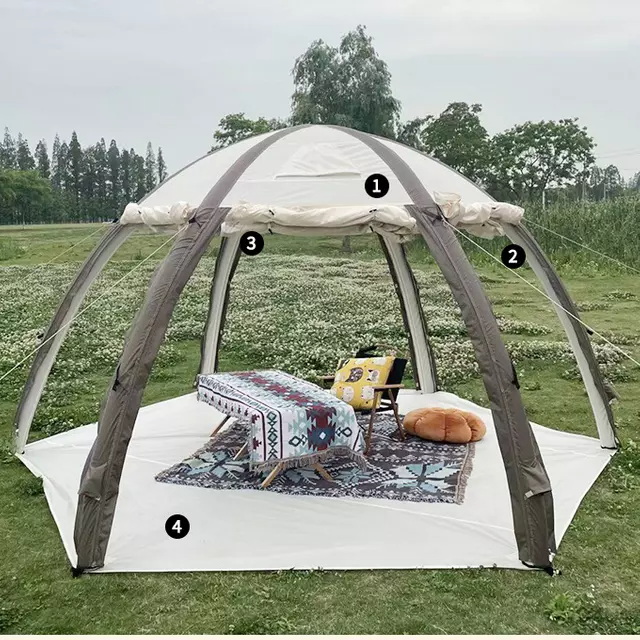
When selecting an Outdoor Tent for dining, safety must be considered alongside aesthetics, branding, and capacity. Restaurant owners, wholesalers, and brand partners should look for manufacturers who can document structural engineering, fabric certifications, and compliance with relevant fire and building codes.[3][6]
Key selection criteria for a safe Outdoor Tent include:[5]
- Commercial‑grade frame and connectors designed for repeated assembly and disassembly.
- Flame‑resistant fabric with visible compliance labels and documentation.
- Flexible sidewall options so the Outdoor Tent can operate more open or more enclosed as regulations and weather demand.
Working with OEM manufacturers experienced in producing Outdoor Tents for hospitality clients ensures better customization of anchoring systems, accessories, and visual design while maintaining safety margins. Coordination with local inspectors during planning prevents costly last‑minute changes to the Outdoor Tent installation.[3][6]
Safe operation is an ongoing process, not a one‑time event when the Outdoor Tent is installed. Restaurant managers should embed Outdoor Tent safety into daily checklists and staff training.[4]
Practical operational measures include:[1]
- Checking weather forecasts before service and having a clear plan to suspend outdoor dining when high winds or severe storms are expected.
- Assigning specific staff responsibilities for monitoring the Outdoor Tent structure, heaters, and exits during busy periods.
- Documenting inspections and maintenance of the Outdoor Tent to show due diligence if regulators or insurers request records.
By treating the Outdoor Tent as an extension of the restaurant's main building, with similar attention to safety and compliance, operators can reduce risk and reassure guests.[5]
Safety and comfort strongly influence how guests perceive the value of an Outdoor Tent dining space. People are more likely to return if the tent feels solid, well‑ventilated, and thoughtfully laid out.[5]
Elements that support both comfort and safety include comfortable distances between tables, which help with egress and give guests room to relax, good lighting that makes the Outdoor Tent feel inviting while also highlighting exit routes and any level changes, and effective climate control with safe heaters or fans that do not create glare, noise, or burn hazards. When guests notice visible safety measures such as stable heaters, extinguishers, and clear signage, they often feel more confident in choosing Outdoor Tent seating.[4][5]
For brand owners, wholesalers, and importers, Outdoor Tents are not only functional structures but also powerful branding tools. A well‑designed OEM Outdoor Tent can display logos, colors, and messaging while integrating structural and safety features seamlessly.[6]
Important OEM considerations include designing panels and valances that allow branding while maintaining flame‑resistant performance and structural strength, specifying reinforced points where lighting, heaters, or décor elements will be mounted so the Outdoor Tent remains stable, and offering modular components such as removable sidewalls or transparent windows that can be configured differently for various markets and regulations. By combining safety engineering with marketing needs, OEM suppliers help their partners differentiate while staying compliant in multiple countries.[6]
Even the safest Outdoor Tent design depends on human response during unexpected events. Well‑trained staff can prevent small issues from escalating and can evacuate guests quickly if needed.[4]
Training topics for teams working around an Outdoor Tent should include recognizing early warning signs like unusual flapping, leaning poles, or water pooling, and knowing when to stop seating guests or start evacuation; using fire extinguishers correctly and understanding where they are positioned around the Outdoor Tent; and guiding guests calmly to safe zones during strong winds, lightning, or suspected gas leaks. Regular drills or brief run‑throughs before peak season help staff react consistently under pressure.[10][4]
A concise checklist makes it easier for staff to keep every Outdoor Tent dining service safe and consistent. Operators can adapt the following concepts into laminated cards or digital SOPs for daily use.[1][4]
Before opening the Outdoor Tent to guests, staff should confirm:[1]
- Weather: No high‑wind or severe‑storm warnings; a plan to evacuate if gusts increase.
- Structure: All stakes, weights, and connections are secure; the tent top is tight; no visible damage.
- Fire safety: Extinguishers are accessible, heaters correctly placed, and no open flames where prohibited.
During service, staff should monitor wind, crowding, and heater use while keeping aisles and exits clear. After closing, they should power down heaters, check for smoldering materials, and inspect the Outdoor Tent for any new wear or structural issues.[13][8]
Outdoor dining tents are safe solutions for year‑round hospitality when treated as engineered structures rather than casual accessories. By selecting compliant Outdoor Tent products, anchoring them correctly, maintaining ventilation, training staff, and following fire and building codes, restaurants and their OEM partners can offer comfortable Outdoor Tent dining that protects both guests and staff.[2][4]
Outdoor dining tents can be used safely only within defined wind limits and with proper anchoring. Many tent professionals recommend evacuating the Outdoor Tent once wind gusts reach roughly 35–38 mph and securing or removing sidewalls to reduce uplift in windy conditions.[1][4]
Yes, commercial Outdoor Tents for dining should use flame‑resistant fabric tested to standards such as NFPA 701 or local equivalents. Inspectors often look for labels sewn into the Outdoor Tent material that document this certification before approving use.[3]
Portable heaters can be used around Outdoor Tents if they are installed according to manufacturer instructions and local fire codes. This usually means stable placement, adequate clearance from fabrics, auto‑shutoff features, and ensuring that fuel‑burning heaters do not create carbon monoxide hazards in enclosed Outdoor Tents.[10][5]
Many jurisdictions require permits for Outdoor Tents larger than a defined area or for any tent used as an assembly space such as a restaurant dining area. Local codes may also require separate permits when cooking with propane, charcoal, or other open flames near the Outdoor Tent.[11][2]
Safe anchoring of an Outdoor Tent usually involves either deep stakes, engineered ballast weights, or a combination sized to the tent and local wind expectations. Skipping ballast or using improvised weights greatly increases the risk of tent failure, so operators should follow manufacturer specifications for the specific Outdoor Tent model.[6][4]
[1](https://economytent.com/tent-safety-requirements-you-should-know/)
[2](https://www.montana.edu/srm/fireandlifesafety/specialeventsreview/tents.html)
[3](https://www.seattle.gov/fire/business-services/special-events/tents-and-flameproofing)
[4](https://americantent.com/blogs/best-in-tents/guide-to-event-tent-safety-in-extreme-weather)
[5](https://insuregood.org/outdoor-dining-safety-for-restaurants/)
[6](https://tentsupply.com/tent-safety-regulations-every-rental-business-should-know/)
[7](https://www.montgomerycountymd.gov/DPS/Resources/Files/COMBUILD/Coronavirus-NFPA-Tent-Fact-Sheet.pdf)
[8](https://skylinetentcompany.com/blogs/guide-to-tent-installation-safety-essential-tips/)
[9](https://seattle.eater.com/2021/1/13/22229237/washington-releases-guidelines-for-outdoor-dining-bay-doors-windows-co2-monitors)
[10](https://www.lakestevenswa.gov/DocumentCenter/View/9277/Pandemic-Temporary-Membrane-Structures-and-Tents)
[11](https://content.govdelivery.com/landing_pages/15562/d7fcd496e0c29b85a4d39747fdddc477)
[12](https://www.seattle.gov/transportation/permits-and-services/permits/applicant-guides/ag-1093)
[13](https://nearzero.co/blogs/blog/6-essential-tips-to-reduce-fire-risks-when-camping)


