
Language
Please Choose Your Language
Views: 222 Author: Amanda Publish Time: 2025-12-19 Origin: Site


Content Menu
● What “Safe” Really Means for an Outdoor Tent
● Main Risks When Using an Outdoor Tent for Dining
● Wind, Weather, and Structural Safety
>> Preventing ponding, sagging, and snow load
● Anchoring and Ballasting for Outdoor Tents
>> Stakes, anchors, and hard‑surface weights
>> Correct attachment and tension
● Fire Safety in Restaurant Outdoor Tents
>> Flame‑resistant fabric and documentation
>> Exits, extinguishers, and emergency lighting
● Heating, Cooking, and Fuel Near Tents
>> Cooking operations and exhaust
● Ventilation, Air Quality, and Comfort
>> Wall configurations and airflow
>> Condensation and humidity control
● Exits, Layout, and Crowd Management
>> Seating plans and aisle width
>> Trip hazards, cords, and flooring
● Regulatory and Code Considerations
>> Permits and size thresholds
>> Coordination with landlords and inspectors
● Choosing a Safe Outdoor Tent System
>> Commercial‑grade vs. consumer‑grade tents
>> Customization and branding with safety in mind
● Operating Procedures and Staff Training
>> Weather monitoring and evacuation plans
● FAQs
>> 1. How safe is an Outdoor Tent in strong wind?
>> 2. Does every restaurant Outdoor Tent need fire‑resistant fabric?
>> 3. Can heaters be used underneath an Outdoor Tent roof?
>> 4. How many exits should a large Outdoor Tent have?
>> 5. What should staff check every day before opening Outdoor Tent seating?
Using an outdoor tent for restaurant dining became popular during health crises, but many operators continue to rely on these structures because they extend the season and increase seating capacity. A safe Outdoor Tent is the result of good product selection, correct installation, and disciplined daily management, not luck.
A restaurant Outdoor Tent must handle real‑world conditions: wind, rain, snow, heaters, electrical systems, serving traffic, and crowded seating. For brands, wholesalers, and OEM buyers, this means working with commercial‑grade Outdoor Tent designs, not light-duty party tents intended for occasional backyard use.
Safety for a restaurant Outdoor Tent can be divided into four main dimensions: structural safety, fire and life safety, environmental comfort, and safe movement of guests and staff. Structural safety covers frame strength, connections, and the way the Outdoor Tent resists wind uplift or lateral loads.
Fire and life safety deal with flame‑resistant fabrics, number and size of exits, emergency lighting, heater placement, and how easily people can evacuate. Environmental comfort focuses on temperature, ventilation, and air quality inside the Outdoor Tent, while movement safety focuses on aisle width, trip hazards, and clear sightlines.
The most obvious risk is collapse or partial failure of the Outdoor Tent when wind loads exceed what the frame or anchoring can resist. Even a small movement of the structure can overturn tables, break glassware, and injure guests.
A second major risk is fire, especially when portable gas or electric heaters, candles, decorative lights, and cooking equipment are used close to fabric. Another risk is overcrowding or blocked exits, which can turn a minor incident into a serious emergency if people cannot leave the Outdoor Tent quickly.
Every quality Outdoor Tent model is designed with a recommended maximum wind speed. Light pop‑up Outdoor Tent frames may be intended only for calm or low‑wind days, while heavy commercial frame tents can safely handle higher gusts when correctly anchored.
Restaurant operators should define clear internal rules: for example, watch conditions carefully as gusts approach moderate levels, and fully stop seating and evacuate the Outdoor Tent when gusts reach a higher threshold. Even if the Outdoor Tent survives, keeping guests under a visibly straining structure is a reputational and safety risk.
Rainwater ponding on the roof can quickly overload an Outdoor Tent and cause sudden collapse, even without strong wind. A tight, well‑tensioned canopy with correct pitch allows water to run off instead of collecting in low spots.
In snowy climates, a restaurant should not rely on a light Outdoor Tent as a four‑season building. Wet snow is heavy; if it cannot slide off quickly, staff must physically clear it from the Outdoor Tent roof or close the tent area during storms. Choosing an Outdoor Tent frame with adequate load ratings and sloped roofs is essential for long‑term winter use.
A structurally strong Outdoor Tent becomes unsafe if it is not anchored or ballasted correctly. On grass or soil, long stakes driven to the recommended depth with proper angles and guy lines provide strong resistance to uplift.
On concrete, pavers, or asphalt, ballasting is the only option. Concrete blocks, steel plates, or water‑filled weights should be sized according to the tent size and local guidelines, not guessed. Each leg of the Outdoor Tent should have its own properly attached weight rather than sharing a single central ballast.
Weights and stakes must be connected to structural parts of the Outdoor Tent with rated straps or ratchet tie‑downs. Thin cords, bungee straps, or decorative ropes stretch under load and can fail suddenly.
Frame tension also plays a key role. A loose, wrinkled Outdoor Tent top catches more wind and collects more water than a tight, smooth canopy. Regularly checking and adjusting straps, ratchets, and guy lines keeps the Outdoor Tent stable, particularly after a night of wind or after moving tables and chairs.
For restaurant use, Outdoor Tent fabrics should be flame‑resistant, not just “thick” or “heavy.” Reputable manufacturers supply canopies and sidewalls that meet recognized flame‑retardant standards and include labels or certificates.
Restaurants should keep copies of fabric certificates and be prepared to show them to inspectors or landlords. Using uncertified fabric or mixing non‑compliant decorative fabric with a compliant Outdoor Tent canopy can undermine the entire fire‑safety strategy.
A larger Outdoor Tent should have at least two separate exits; bigger structures may need more. Exits must be obvious, unobstructed, and ideally marked with signs that remain visible even in low light.
At least one appropriate fire extinguisher should be mounted inside or immediately outside the Outdoor Tent, and staff should know how to use it. Where operating at night, emergency lighting or backup power for exit signs ensures that guests can still find their way out if main power fails.

Portable heaters are necessary for many Outdoor Tent dining setups but must be treated like powerful appliances, not simple accessories. They should stand on stable, level surfaces, with enough clearance from the canopy and sidewalls to avoid overheating the fabric.
Tall “mushroom” style gas heaters should not touch or lean into the roof of the Outdoor Tent. Smaller electric heaters must be specified for outdoor use, protected from water, and powered through appropriate circuits with proper extension cords and connectors.
If grills, fryers, or ovens are used near an Outdoor Tent, they produce heat, smoke, and sometimes grease vapor. Many operators choose to keep actual cooking outside the Outdoor Tent footprint and use the tent only for serving and dining.
Where food preparation must occur under cover, a safer option is a dedicated cooking canopy or kitchen Outdoor Tent designed for higher temperatures and better ventilation. Keeping hot equipment away from tent walls and roofs while routing smoke and steam upward reduces fire risk and improves guest comfort.
An Outdoor Tent with four solid walls traps heat and moisture. In mild conditions, using zero, one, or two walls instead of fully enclosing the Outdoor Tent allows cross‑ventilation and keeps the indoor‑outdoor feeling that guests expect.
In colder seasons, restaurants often combine partial walls with safe heaters, using clear PVC or window panels to block wind while still leaving gaps for fresh air. The aim is to balance temperature control with good air quality, avoiding a stuffy or smoky environment.
When warm indoor air meets a cool Outdoor Tent roof, condensation can form and drip onto tables. Good ventilation reduces this, but material choices also matter. Higher‑quality Outdoor Tent fabrics manage moisture better and resist mildew.
Regular opening of sidewalls, especially during non‑service hours, helps dry the interior and extend the life of both fabric and frame. For four‑season sites, combining the Outdoor Tent with dehumidifiers or gentle mechanical ventilation may be justified.
A safe Outdoor Tent relies on a layout that allows guests and staff to move freely. Narrow aisles may look efficient on paper but quickly become congested when servers carry trays or when families with children and strollers move between tables.
Restaurant planners should maintain clear pathways from every table to each exit without sharp turns, obstacles, or dead‑ends. Locating exits on different sides of the Outdoor Tent also helps spread traffic if people must leave quickly.
Power cords, fuel hoses, and temporary flooring are common tripping hazards inside an Outdoor Tent. Routing cords overhead or along tent legs, then covering any crossing points with cable ramps or taped mats, significantly reduces accidents.
If a floor is installed under the Outdoor Tent, it should be level, non‑slippery, and aligned so that edges do not create steps or gaps where chair legs and heels can catch. Stable flooring is especially important in climates with frequent rain or snow.
Many cities classify large Outdoor Tent structures as “temporary membrane structures” and set size thresholds where permits become mandatory. Smaller units used briefly may fall below these thresholds, but once a restaurant uses a large Outdoor Tent for weeks or months, permits and formal inspections are often required.
Permit applications typically ask for tent dimensions, occupant load, seating plan, exit locations, type of heating, and wiring or gas routes. Preparing these documents together with the Outdoor Tent supplier or OEM manufacturer helps ensure the design is realistic and compliant.
Restaurant tenants should also coordinate Outdoor Tent plans with property owners and insurance providers. Landlords may have their own rules on loading, anchoring on paving, proximity to walls, or blocking of driveways.
Meeting with fire inspectors or municipal staff early, even before ordering an Outdoor Tent, reduces the chance of costly redesigns. Many authorities are open to reviewing sketches and recommending safer Outdoor Tent layouts before full installation.
Consumer‑grade pop‑up shelters are fine for weekend markets but are rarely designed for daily restaurant use with heaters, lights, and heavy branding. Commercial‑grade Outdoor Tent systems use stronger frames, thicker connectors, and better fabric, with test data to support their wind and fire ratings.
For brands and wholesalers, specifying commercial‑grade Outdoor Tent kits for restaurant customers reduces warranty claims and long‑term risk. This includes not only the canopy and frame, but also ballast systems, connector hardware, and recommended accessories.
Logos, colors, and printed graphics help build brand identity on an Outdoor Tent, but they should not interfere with safety. Overloading the structure with heavy hanging signs or lights can push it beyond its design limits.
Instead, restaurants can work with OEM partners to integrate branding directly into the Outdoor Tent fabric through printing, and mount lighter signage on approved frame points. This approach keeps the Outdoor Tent visually strong while respecting structural constraints.
Before each service, staff should check anchoring, canopy tension, exits, heaters, and trip hazards around the Outdoor Tent. Any loosening of straps, shifting of weights, or new damage to fabric or frame should be corrected before guests arrive.
A short, consistent inspection checklist helps maintain standards even as teams change or seasonal employees join. Training staff to notice unusual movement, creaking, or flapping in the Outdoor Tent gives early warning of potential problems.
Assigning someone to monitor weather forecasts and live conditions during service is just as important as the physical Outdoor Tent. This person can decide when to pause seating, move guests indoors, or close the Outdoor Tent before conditions become dangerous.
Evacuation plans should be simple and practiced: staff know which exits to direct guests to, who turns off heaters, who calls emergency services if needed, and how to manage payment or re‑seating after an interruption. A well‑rehearsed plan builds confidence and protects both people and brand image.
Outdoor Restaurant Tents are safe when operators treat them as engineered spaces, built around commercial‑grade frames, flame‑resistant fabric, and robust anchoring tailored to the site surface and local climate. The moment an Outdoor Tent becomes a permanent part of the restaurant business, it should also become part of a structured safety program that includes daily inspections, weather rules, and clear evacuation plans.
For brands, wholesalers, and OEM partners, specifying Outdoor Tent systems with tested wind ratings, certified fabrics, standardized ballast, and code‑friendly layouts protects both end‑users and long‑term reputation. When safety, comfort, and branding are designed together, the Outdoor Tent becomes a reliable outdoor dining asset instead of a seasonal risk.
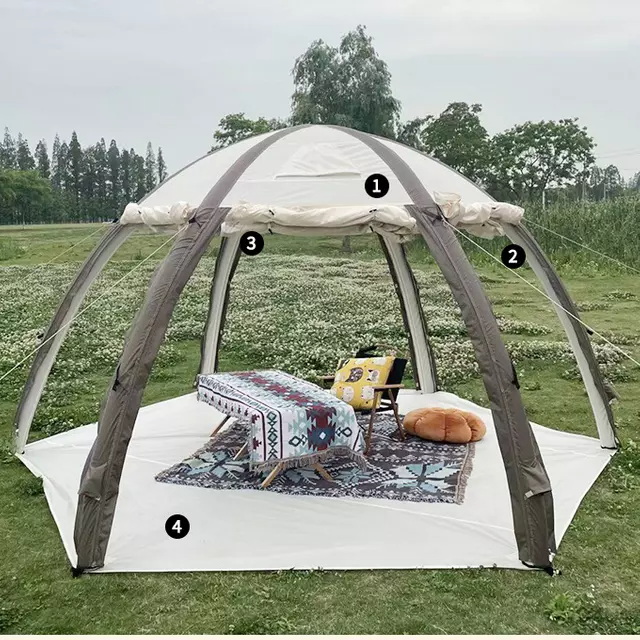
An Outdoor Tent is only as safe as its frame, anchoring, and respect for wind limits. Even with a good design, restaurants should define a wind speed at which to stop seating and another, higher level at which they must evacuate and close the Outdoor Tent.
For commercial dining use, flame‑resistant fabric is strongly recommended and often required by local regulations or landlords. Using certified fabric, keeping proof of certification, and combining it with good exit and extinguisher planning significantly reduce fire risk.
Yes, but only when the heater type, clearance distances, and placement follow manufacturer instructions and local rules. Heaters must not touch or overheat the canopy or sidewalls, and guests should not be able to bump or knock them over while moving around the Outdoor Tent.
Small Outdoor Tent installations may function with a single exit, but larger restaurant tents should have at least two exits on different sides. As guest numbers rise, more exit width and additional exit routes may be needed to allow fast, low‑stress evacuation.
Before seating guests, staff should verify that the Outdoor Tent is securely anchored, the canopy is tight, exits and aisles are clear, heaters and cords are correctly placed, and no damage or new leaks are visible. A brief weather check and a quick review of the evacuation plan complete a practical daily safety routine.


