
Language
Please Choose Your Language
Views: 222 Author: Amanda Publish Time: 2025-12-19 Origin: Site


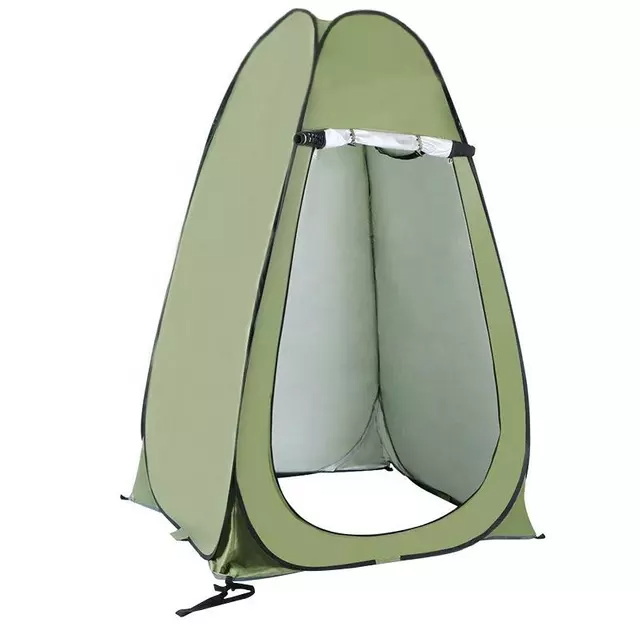
Content Menu
● How Covid Spreads in Outdoor Settings
● When an Outdoor Tent Is Relatively Safe
● When an Outdoor Tent Becomes High-Risk
● Ventilation Principles for Outdoor Tents
● Layout, Capacity, and Flow in Outdoor Tents
● Behavior and Etiquette Under the Tent
● Outdoor Tent Use for Dining and Hospitality
● Outdoor Tents for Events and Celebrations
● Medical and Emergency Outdoor Tents
● Beyond Covid: General Safety in Outdoor Tents
● Design Features That Support Safer Outdoor Tents
● Communication and Training for End Users
● FAQs
>> 1. Is an Outdoor Tent always safer than being indoors?
>> 2. How many sides should stay open on an Outdoor Tent?
>> 3. Are fully enclosed “bubble” Outdoor Tents safe for dining?
>> 4. What makes an Outdoor Tent suitable for large events during Covid?
>> 5. How can Outdoor Tent manufacturers support safer post-pandemic gatherings?
Outdoor Tents became a symbol of “safer gathering” during the Covid pandemic, from restaurant patios and wedding venues to drive-through medical stations. Many people naturally assumed that any outdoor tent was safer than being indoors, but the reality is more nuanced and depends heavily on ventilation, layout, and how people behave under the canopy.[3][4]
For brands, wholesalers, and OEM manufacturers that supply Outdoor Tents, customers now expect products that not only look good but also support healthier, more flexible outdoor lifestyles. Understanding how Covid spreads in and around an Outdoor Tent helps both end users and professional buyers choose the right structures and set them up in safer ways.[5][6]
Covid spreads mainly through respiratory particles and aerosols that infected people exhale when they breathe, talk, laugh, cough, or sing. Indoors, these particles can build up in poorly ventilated spaces, especially when many people are together for long periods.[7][8]
Outdoors, moving air disperses these particles more quickly, which is why meeting outside typically carries a lower risk than gathering indoors. However, if outdoor air is blocked or trapped by walls, plastic curtains, or tightly sealed covers, the environment starts behaving more like a room, even if the structure is called an Outdoor Tent.[9][1]
An Outdoor Tent is relatively safer for Covid when the design and setup preserve the advantages of being outside. That means abundant natural airflow, lower crowd density, and attention to basic prevention measures such as staying home when sick and maintaining some distance between groups.[6][1]
Key conditions that support safer use of an Outdoor Tent include:
- Multiple fully open sides that allow wind to pass through freely, rather than just small gaps at ground level.[9]
- Adequate spacing so people are not shoulder-to-shoulder under the tent, especially around entrances and serving areas.[10]
- Shorter events or breaks between sessions so the air under the Outdoor Tent can refresh naturally.[4]
The more an Outdoor Tent is closed up, the more it behaves like an indoor space from a Covid perspective. When sidewalls, plastic curtains, or rigid panels are pulled down and kept closed, airflow drops, and aerosols can linger in the air for longer periods if someone infectious is present.[2][8]
Risk increases when:
- The Outdoor Tent is fully or nearly fully enclosed, especially in cold or windy weather when all sides are down.[9]
- Many people share the same space for long periods while talking loudly, singing, or eating without masks.[4]
- Different groups use the same enclosed Outdoor Tent back-to-back without airing it out in between.[2]
In these situations, the Covid risk may approach that of indoor dining rooms or event halls, especially if ventilation has not been deliberately designed.[8]
Ventilation is the main factor that determines whether an Outdoor Tent remains close to outdoor conditions or slides toward indoor risk. Even simple changes to an Outdoor Tent's structure and positioning can significantly improve airflow.[1]
Useful ventilation practices include:
- Keeping at least two opposite sides fully open to create a through-breeze across the Outdoor Tent.[9]
- Using roll-up sidewalls, mesh panels, or windows that can be opened whenever weather allows, instead of fixed solid walls.[11]
- Avoiding layouts where tall backdrops, stage structures, or stacked furniture block key airflow paths inside the Outdoor Tent.[9]
In some specialized contexts, such as medical or emergency tents, mechanical ventilation can be added to pull potentially contaminated air away from staff and patients. For most commercial or social uses, though, structural design and smart placement of openings are the most practical tools for better airflow.[12][9]
The way space is used inside an Outdoor Tent has a major impact on Covid risk. Even a well-ventilated Outdoor Tent can become problematic if too many people are packed into a small area, or if bottlenecks form at entrances, buffets, or service counters.[5][10]
To support safer layouts:
- Plan more space per person than pre-pandemic standards, particularly for dining and reception-style events.[5]
- Use wider aisles and, where possible, one-way circulation routes to reduce face-to-face encounters in tight spaces.[10]
- Position hand sanitizer stations prominently near entry points, serving lines, and restrooms connected to the Outdoor Tent.[13]
For brands and OEM manufacturers, offering sample floor plans and capacity guidelines tailored to different Outdoor Tent sizes can help clients configure safer events.[3]
Even in an ideal Outdoor Tent, human behavior determines the real-world risk. Masks, distancing, and staying away when ill remain important layers of protection, especially when community transmission is elevated.[6][13]
Practical behavior guidelines for Outdoor Tents include:
- Wearing masks when not actively eating or drinking, particularly in semi-enclosed tents or at crowded times.[6]
- Keeping conversations at a reasonable volume to reduce the need for shouting, which increases aerosol emission.[4]
- Encouraging guests to step outside the main Outdoor Tent area for extended phone calls or close face-to-face conversations.[13]
Hosts and event organizers can reinforce these norms through signage at the tent entrance and gentle reminders from staff.[10]
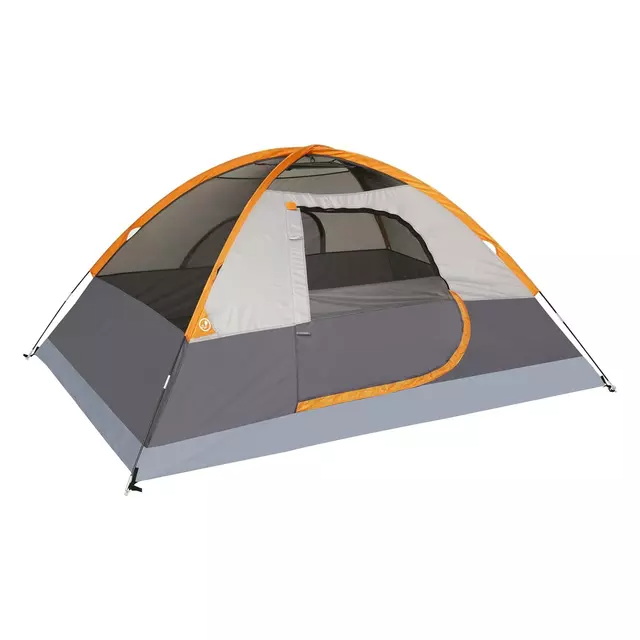
Food service and hospitality businesses were among the earliest heavy users of Outdoor Tents during the pandemic. When configured with open sides and spaced tables, Outdoor Tents allowed restaurants and cafes to continue operating while lowering indoor crowding.[2][9]
For safer outdoor dining under an Outdoor Tent:
- Keep at least two sides open whenever possible, even in cooler weather, and use heaters positioned safely away from fabric and walkways.[9]
- Seat different households at separate tables with enough distance that conversations do not overlap heavily.[10]
- Rotate staff between areas so that no single team member spends hours in the most crowded part of the Outdoor Tent without breaks.[2]
Restaurants that invest in high-quality Outdoor Tent solutions with flexible sidewalls and robust structures can continue using these spaces beyond the pandemic for seasonal, family-friendly dining.[3]
Event planners have turned to large Outdoor Tents to host weddings, corporate functions, and community festivals while managing Covid risk. With the right design, a large Outdoor Tent can provide shelter, branding opportunities, and a sense of occasion without fully enclosing guests.[3][5]
Important practices for event tents include:
- Using multiple Outdoor Tents or zones to spread guests out rather than concentrating everyone under a single massive structure.[5]
- Designing separate areas for dining, mingling, and entertainment to avoid creating a single densely packed crowd.[13]
- Providing clear communication in invitations and onsite signage about health expectations, such as staying home if symptomatic or recently exposed.[13]
Brands and OEM producers can support event clients by offering modular Outdoor Tent systems that connect multiple canopies and by supplying layout suggestions that maintain airflow.[9]
In healthcare and emergency response, Outdoor Tents have served as triage stations, testing areas, and temporary waiting rooms. The goal in these settings is to reduce indoor crowding and separate symptomatic people from others, while still protecting staff and vulnerable patients.[12][13]
For medical Outdoor Tents:
- Ventilation must be carefully managed, often with engineered airflow that draws air away from staff and out of the tent.[12]
- Interior layouts should separate “clean” and “potentially infectious” zones wherever possible, with clear markings and staff guidance.[13]
- Durable, easy-to-clean tent materials and frames make it easier to disinfect surfaces between shifts or patient groups.[12]
Manufacturers who supply medical-grade Outdoor Tents need to emphasize compliance with healthcare and safety requirements, not just general event standards.[12]
While Covid is a major concern, general safety in Outdoor Tents must not be overlooked. Fire risk, structural stability, weather resistance, and proper heater use are all critical when large numbers of people gather under fabric structures.[14][15]
Key general safety points include:
- Securing the Outdoor Tent correctly with stakes, weights, or ballast appropriate to expected wind conditions.[15]
- Following fire-code rules on clear exits, maximum occupancy, and distance between heaters, open flames, and tent fabric.[14]
- Avoiding fuel-burning heaters inside tightly enclosed Outdoor Tents, which can create fire hazards and carbon monoxide buildup.[14]
High-quality OEM Outdoor Tents that meet recognized fire-retardant standards and include clear safety instructions are more attractive to professional buyers such as venues and municipalities.[15]
From a product development perspective, Outdoor Tent design can proactively support safer use even when end users are not experts in ventilation or risk management. Building safety-focused features directly into the structure helps both brands and customers.[9]
Valuable design features include:
- Modular sidewalls with multiple opening options (full roll-up, half-height, mesh panels) so users can adjust airflow for weather and risk levels.[11]
- High roof peaks and vents that allow warm, exhaled air to rise and escape, improving overall circulation in the Outdoor Tent.[9]
- Strong frames and anchoring systems that keep the Outdoor Tent stable when sides are open and wind can pass through.[9]
OEM manufacturers that highlight these features in product descriptions and marketing materials can position their Outdoor Tents as “post-pandemic ready” solutions.[3]
Even the best-designed Outdoor Tent can be used poorly if customers are not shown how to set it up correctly. Simple, accessible communication makes it easier for small businesses, schools, and community groups to use Outdoor Tents in safer ways.[5][10]
Helpful communication tools include:
- Printed setup guides with diagrams showing recommended open-side configurations and maximum suggested occupancy.[10]
- QR codes on packaging and tent labels that link to short videos explaining safe installation, anchoring, and ventilation options.[3]
- Sample layouts for common scenarios, such as 20-guest outdoor dining, 50-person corporate reception, or small outdoor classroom under an Outdoor Tent.[5]
By providing these resources, brands and OEM suppliers make it more likely that Outdoor Tents will be used in ways that preserve outdoor safety advantages.[3]
Outdoor Tents can be an effective way to reduce Covid risk compared with indoor spaces, but only when they maintain the essential qualities of the outdoors: open air, space, and controlled crowding. Once an Outdoor Tent is tightly enclosed and packed with people, it starts to behave like an indoor room, and the familiar layers of protection—ventilation, masks, distancing, and staying home when ill—remain crucial. For brands, wholesalers, and OEM manufacturers, designing Outdoor Tents with airflow, modular sidewalls, and clear usage guidance is now part of delivering real value to customers who plan to keep gathering outdoors in a post-pandemic world.[1][2][5]
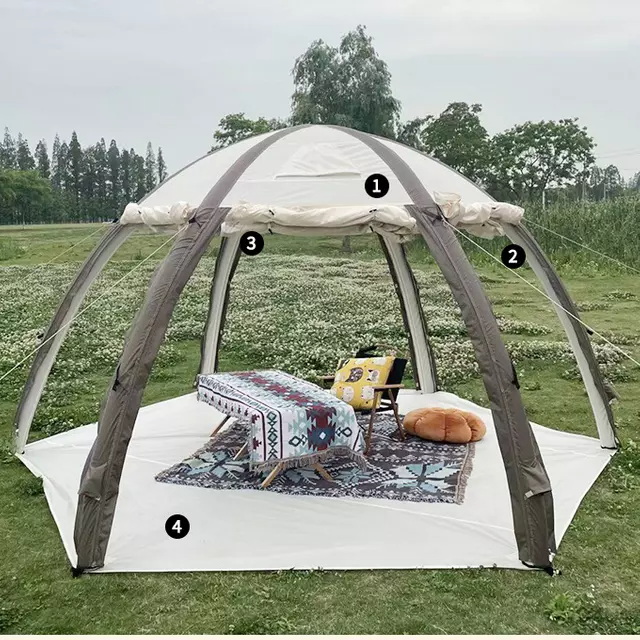
An Outdoor Tent with open sides is typically safer than a small, poorly ventilated indoor room because moving air can disperse virus particles more quickly. However, if the Outdoor Tent is mostly closed, crowded, and used for long events, the Covid risk can be similar to indoor spaces.[8][1]
More open sides mean better airflow and lower risk, so at least two opposite sides of an Outdoor Tent should stay fully open whenever possible. In mild weather, opening three or four sides brings the environment even closer to true outdoor conditions.[11][9]
Enclosed bubbles or small fully enclosed Outdoor Tents can be relatively safe when used exclusively by one household, because they separate that group from others. They become riskier if multiple, unrelated groups reuse the same bubble or enclosed Outdoor Tent without enough time or ventilation to clear the air between uses.[2][9]
An Outdoor Tent for events should combine generous space per person, good natural ventilation, and thoughtful crowd management. Limiting capacity, spreading out seating, managing entry and exit, and encouraging basic precautions like masks and hand hygiene all help control Covid risk.[13][5]
Manufacturers and OEM suppliers can build safety into every Outdoor Tent by offering modular sidewalls, roof vents, and robust frames that stay stable with sides open. They can also provide clear setup instructions, capacity guidance, and educational videos so users know how to configure Outdoor Tents for better airflow and safer events.[3][9]
[1](https://pmc.ncbi.nlm.nih.gov/articles/PMC8051020/)
[2](https://www.businessinsider.com/covid-19-safety-risks-of-outdoor-dining-tents-plastic-bubbles-2020-10)
[3](https://www.choura.co/outdoor-events-during-the-covid-19-pandemic/)
[4](https://pmc.ncbi.nlm.nih.gov/articles/PMC7798940/)
[5](https://americantent.com/blogs/taking-care/how-to-organize-a-safe-outdoor-event-the-post-pandemic-guide)
[6](https://www.who.int/emergencies/diseases/novel-coronavirus-2019/advice-for-public)
[7](https://www.cdc.gov/covid/about/index.html)
[8](https://pmc.ncbi.nlm.nih.gov/articles/PMC7873670/)
[9](https://ncceh.ca/resources/evidence-briefs/outdoor-winter-dining-during-covid-19-pandemic)
[10](https://covid-19.acgov.org/covid19-assets/docs/press/holiday-recommendations-2020.11.09.pdf)
[11](https://gfn.unizar.es/2021/05/13/covid-19-ventilation-in-camping-tents/)
[12](https://www.ductsox.com/applications/medical-emergency-tents)
[13](https://www.who.int/news-room/questions-and-answers/item/coronavirus-disease-covid-19-mass-gatherings)
[14](https://www.lakestevenswa.gov/DocumentCenter/View/9277/Pandemic-Temporary-Membrane-Structures-and-Tents)
[15](https://seattle.gov/documents/Departments/Fire/Business/SFDTentsHeatersInfoSheet.pdf)


