
Language
Please Choose Your Language


Content Menu
● Historical Evolution of the Golf Umbrella
● Dimensions and Sizing: Golf Umbrella vs. Regular Umbrella
>> Standard Golf Umbrella Dimensions
>> Fit and Comfort on the Course
● Key Technical Features of Golf Umbrellas
>> Canopy Materials and Technology
● Engineering for Extreme Weather
>> Waterproofing and Maintenance
● Typical Uses: On and Off the Course
● Customization and Branding Opportunities
● Choosing the Ideal Golf Umbrella
● Maintenance and Longevity Tips
● Frequently Asked Questions (FAQ)
>> 1. What is the typical size of a golf umbrella?
>> 2. How are golf umbrellas engineered for strong winds?
>> 3. What kind of custom branding is possible?
>> 4. What are the best materials for frames and canopies?
>> 5. How should you care for a golf umbrella to ensure longevity?
A golf umbrella is not just a tool—it's an essential accessory for every golfer, designed to offer unmatched protection and style. While a typical umbrella might serve daily commuters well enough, seasoned golfers and outdoor enthusiasts know that a golf umbrella must perform on a much higher level. From size and materials to advanced features and branding opportunities, a comprehensive understanding of what makes a golf umbrella outstanding is crucial for both buyers and OEM clients seeking to stand out in the market.[4][5]
A golf umbrella, as distinguished from regular personal umbrellas, is purpose-built to shield both the player and their full set of equipment on the golf course. Its expansive canopy, sturdy build, and tactical design ensure that rain, sun, and even wind are no match for its performance. These umbrellas serve not only functional needs but also represent unique branding opportunities for international brands, clubs, and event organizers.[5][4]
In their early days, golf umbrellas prioritised function over form. Initially constructed from oiled cotton canopies and wooden handles, these originals ensured players enjoyed basic protection against rain and sun. However, limitations in material options and canopy size meant that comfort and coverage were somewhat restricted.
With time, the evolution of manufacturing techniques and the introduction of advanced materials propelled golf umbrellas into a new era. The integration of lightweight fiberglass frames, quick-dry polyester canopies, ergonomic handles, and vented windproof structures redefined the standard of performance. Today, golf umbrellas not only withstand harsh weather but are also tailored for style and convenience.[5]
Golf umbrellas normally feature a canopy diameter between 54 and 70 inches, with common sizes at 60, 62, and 68 inches. This generous coverage is not arbitrary—it's intentionally designed to protect both the golfer and their equipment, sometimes up to two or three people under the same umbrella.[4][5]
By contrast, regular consumer umbrellas are typically 35–40 inches in diameter, barely enough for a single individual. The superior dimensions of a golf umbrella provide:
- Full upper-body and equipment coverage.
- Increased reach for taller users.
- Protection during heavy rain showers and intense sun exposure.[5]
The elongated handle design, often exceeding 36 inches, ensures the user can maintain comfortable reach even with large canopies. Premium designs accommodate left or right-handed use, with balanced shaft and handle engineering for easy carrying over long distances.[4][5]
Modern golf umbrellas use robust, water-repellent fabrics such as high-density polyester or specialized nylon. Many incorporate a Teflon coating that beads water, causing it to roll off instantly, while vented canopies allow wind to pass through, minimizing the risk of inversion.[5]
Leading brands now integrate ultraviolet protection factors (UPF) into their canopies. Silver-coated or dual-layered fabrics block up to 98% of harmful rays, ensuring both rain and sun safety.[5]
A heavy-duty frame is central to a golf umbrella's durability. Preferred materials include:
- Fiberglass: Ultra-light, flexible, corrosion-resistant, and highly wind-resistant.[5]
- Steel: Known for maximum strength, but heavier and prone to rust if not coated.[5]
- Aluminum: Light, rust-resistant, and economical, though less flexible than fiberglass.[5]
Manufacturers often choose materials based on desired trade-offs between weight, strength, cost, and environmental resistance.
Handles affect both comfort and performance:
- Rubber: Offers a non-slip, ergonomic grip—ideal for wet or sweaty conditions.
- Wood: Classic look, warm to the touch, tailored for those valuing tradition.
- Plastic: Lightweight and economical for volume orders, but less premium feel.[5]
Some advanced models include contoured or telescoping handles for carrying convenience and adaptability.
Golf umbrellas use flexible ribs (the spokes supporting the canopy) made from fiberglass or metal alloys, number between 8-16 ribs. More ribs mean better resistance to collapse and a rounder canopy—essential in strong winds or sudden gusts.[3]
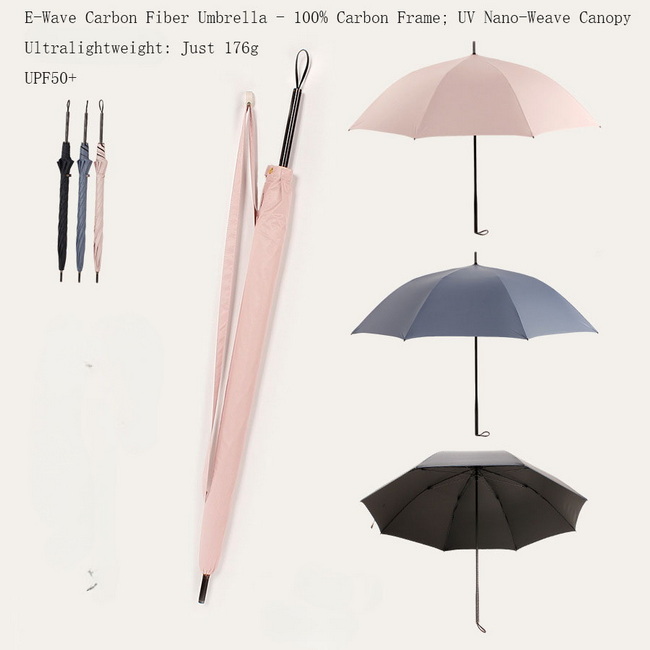
A hallmark of modern golf umbrellas is their ability to resist severe wind:
- Double Canopy/Vented Designs: Feature two layers of fabric, with the upper vent allowing wind to escape instead of lifting the umbrella.[4][5]
- Flexible Frames: Fiberglass and smartly engineered hinges bend without breaking, returning to their original form when the wind settles.[4][5]
- Secure Closures: Snap-lock closures and tensioned ribs keep the umbrella open and stable, even in storm conditions.
Besides advanced fabric coatings, seamless stitching and robust seam taping are essential for total waterproofing. Proper care—drying the umbrella after use, occasional cleaning, and storage in a dry, shaded area—extends its effective life for many years of use.[5]
While golf umbrellas are specifically designed for players on the green, their applications are much broader:
- Event coverage: Corporate events, sports tournaments, and promotional days.
- Outdoor spectator usage: Ideal for crowds at festivals, parks, or stadiums.
- Personal rain or sun protection: For anyone needing to traverse wide open spaces in challenging weather.[4][5]
OEM golf umbrella manufacturers provide extensive custom printing options—including full-color logos, slogan placements, and branded canopies—making them a powerful promotional product for wholesalers, brand owners, and distributors. This visibility ensures every umbrella works double-duty as both protection and advertisement.[4]
Options include:
- Sublimation printing for vibrant, fade-resistant graphics.
- Panel-by-panel logo placement or edge-to-edge full canopy prints.
- Color-matched handles, ferrules, and tips for cohesive branding.
When purchasing or specifying an OEM golf umbrella, consider:
- Usage scenario: Will it be used by individuals, pairs, or groups? For carrying or cart storage?
- Local climate: Are wind, sun, or rain the primary concern?
- Corporate branding: What is required in logo placement and color fidelity?
- Desired durability and lifespan: Materials, number of ribs, and canopy style.[4][5]
Bulk buyers should always request wind tunnel and waterproof testing certifications for assurance of quality.
A premium golf umbrella is a long-term investment when properly cared for:
- After heavy use, allow the umbrella to fully dry before storage.
- Clean the canopy with mild soap and water, avoiding harsh chemicals.
- Close and secure the umbrella after each use to prevent fabric stretching.
- Check for bent ribs, loose joints, or damage after strong winds, fixing or replacing parts as needed.
Manufacturers may offer replacement parts or after-sales support as part of OEM partnerships, adding value for bulk buyers.[4][5]
Golf umbrellas are defined by their exceptional size and technical sophistication, with canopies regularly reaching 54 to 70 inches in diameter for optimal protection on and off the course. Innovations in wind-resistant frames, advanced waterproof fabrics, and UV-blocking layers ensure performance under any weather condition. For international brands and wholesalers, OEM golf umbrellas present not just unmatched protection but also an ideal platform for custom branding and promotional activities. By understanding the nuances of size, construction, and customization, buyers and users alike can select the perfect golf umbrella for their needs—ensuring comfort, reliability, and maximum market visibility.[4][5]
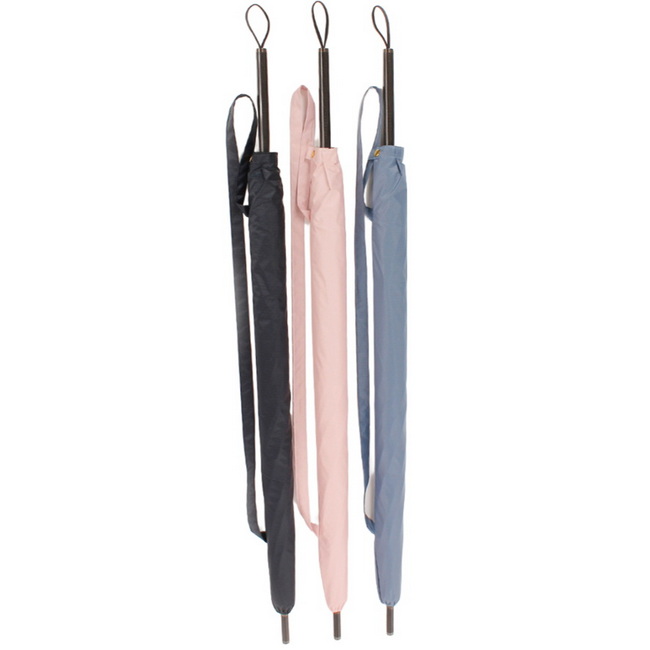
Most golf umbrellas have canopy diameters between 60 and 70 inches, which allows for coverage of golfers, their bags, and sometimes even caddies or companions.[5]
They use reinforced frames, flexible fiberglass ribs, and vented canopies that allow wind to pass through, greatly reducing the risk of inversion or structural damage.[4][5]
OEM golf umbrella suppliers offer logo printing, color matching, and fully customized canopy designs—either panel-by-panel or full canopy—for maximum promotional impact.[4][5]
The most reliable combination is a fiberglass frame (for flexibility and corrosion resistance) and a polyester or vented nylon canopy, often treated for water and UV repellency.[5]
Let it dry fully after exposure to rain, clean gently, store in a cool, dry place, and promptly address any bent ribs or damaged parts. Proper maintenance will maximize the lifespan of the umbrella.[5]
[1](https://actionpromote.co.uk/blog/your-guide-to-golf-umbrellas/)
[2](https://www.umbrellaworkshop.com/umbrellas/parts-of-an-umbrella/)
[3](https://www.blueprintumbrella.com/the-ultimate-guide-to-golf-umbrellas-style-strength-and-versatility.html)
[4](https://topumbrella.com/info/141)
[5](https://vovexgolf.com/blogs/golf/how-big-is-a-golf-umbrella)
[6](https://www.funumbrella.com/blog/the-ultimate-guide-to-umbrella-parts-and-materials)
[7](https://www.yoana-umbrella.com/the-ultimate-guide-to-umbrella-components/)
[8](https://insights.made-in-china.com/Umbrellas-A-Comprehensive-Guide-to-Understanding-Their-Uses-and-Meeting-User-Needs_KTHabZtxOnio.html)


