
Language
Please Choose Your Language
Views: 222 Author: Amanda Publish Time: 2025-11-06 Origin: Site


Content Menu
● Key considerations for Patio Umbrellas
● Canopy size, shape, and coverage
● Frame materials and construction
● Pole height, base, and stability
● Fabric performance and canopy materials
● Operating mechanisms: crank, tilt, and tilt-adjustment
● Weather and durability considerations
● Sizing guidelines for shade coverage
● Customization and OEM collaboration
● Quality control and supply chain considerations
● Frequently asked questions (FAQ)
>> 1. What canopy size is best for a 6-person dining set?
>> 2. Which frame material offers the best balance of durability and weight?
>> 3. How should a Patio Umbrella be anchored in windy climates?
>> 4. What fabric characteristics matter for UV protection and colorfastness?
>> 5. What OEM considerations ensure consistent color and fit across batches?
A Patio Umbrella is more than a shade device—it is a versatile branding and functional asset for outdoor spaces. For overseas brands, wholesalers, and manufacturers offering OEM/ODM services, selecting the right umbrella involves balancing design aesthetics, material performance, mechanical reliability, and production feasibility. This guide provides a comprehensive framework for evaluating patio umbrellas from the standpoint of international buyers and OEM partners, covering canopy geometry, frame construction, fabric performance, wind and weather resilience, customization options, and quality control pathways. The aim is to help international buyers specify, source, and collaborate with reliable manufacturers to deliver consistent shade solutions across markets, with predictable lead times, colorfastness, and durable construction.
A well-chosen Patio Umbrella should align with space dimensions, consumer usage patterns, and the target market's climate. From canopy diameter to base systems, every element influences shade quality, durability under sun exposure, and long-term maintenance costs. In OEM collaborations, standardization of components and clear specification sheets minimize variance across production batches, ensuring that each order meets the same performance criteria in different regions.
Canopy diameter and shape determine shade distribution and vento-like stability in outdoor environments. Round canopies are common for dining setups; square or rectangular canopies fit elongated tables or seating groups. For most residential dining arrangements, 7 to 9 feet (approximately 2.1 to 2.7 meters) diameter canopies cover typical 4–6 person tables with comfortable overhang. Larger setups—such as 8–10 person dining arrangements or lounge clusters—often require 9 to 11 feet (about 2.7 to 3.4 meters) or larger diameters. When the space exceeds 12 feet (3.7 meters) in width, consider a larger canopy or multiple umbrellas arranged to optimize shade and airflow. Pro tip: design guidelines commonly recommend the canopy to extend at least 1.5–2.0 feet beyond the outer edge of the seating area to ensure ample shade and reduce glare. This sizing approach supports consistent shading across different sun angles throughout the day.
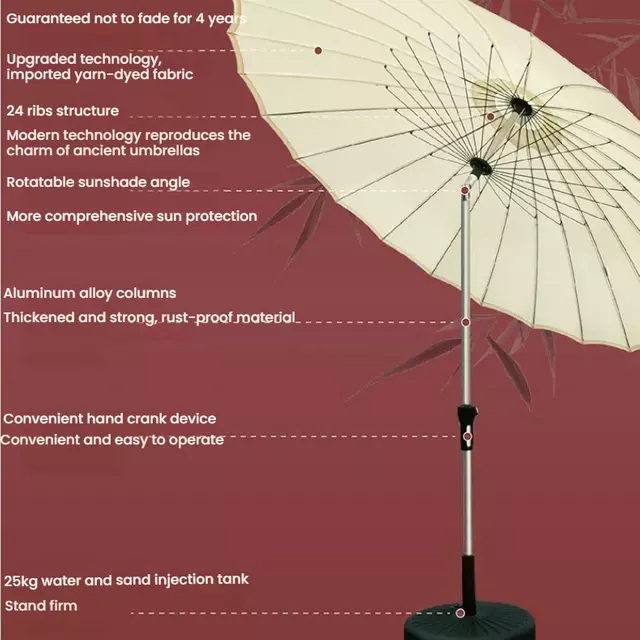
Frame choices influence weight, durability, corrosion resistance, and maintenance. The most common frame materials include aluminum alloys, fiberglass-reinforced polymers, and traditional steel with protective coatings. Aluminum frames offer light weight, rust resistance, and lower maintenance, making them especially suitable for OEM programs targeting overseas markets with diverse climate zones. Fiberglass frames provide high flexibility and overall impact resistance, which can translate into improved wind tolerance in certain designs. Steel frames offer robust strength but require protective finishes to resist corrosion in humid coastal environments. In OEM contexts, standardizing on a single frame material or offering a controlled set of options helps reduce production complexity and ensures consistent performance across orders.
Pole height affects user comfort and shade angle. Heights of 6 feet (183 cm) and above are common to accommodate seated adults and provide comfortable head clearance. Base options vary widely and include weighted concrete bases, interlocking base systems, and integrated weighted hoods for cantilever setups. For wind-prone regions, coupling the umbrella with a heavy, wind-stable base and a stout pole diameter improves stability. OEM agreements often include base customization with branding or color matching, while base weights must comply with local shipping regulations and safety standards.
The canopy fabric must resist UV exposure, fading, moisture, and mildew, while preserving color vibrancy under overseas sun conditions. Popular performance fabrics include solution-dyed acrylics (such as Sunbrella or similar, in OEM packages), polyester blends with UV inhibitors, and high-density fabrics with tight weaves for better water runoff. Colorfastness, abrasion resistance, and fade resistance are critical for an umbrella intended for multiple markets. In OEM programs, specify fabric weight, denier, UV protection factor (UPF), and any fire-retardant certifications if required by local regulations. For high-end OEM projects, a fabric warranty aligned with product life cycles communicates confidence to international retailers.
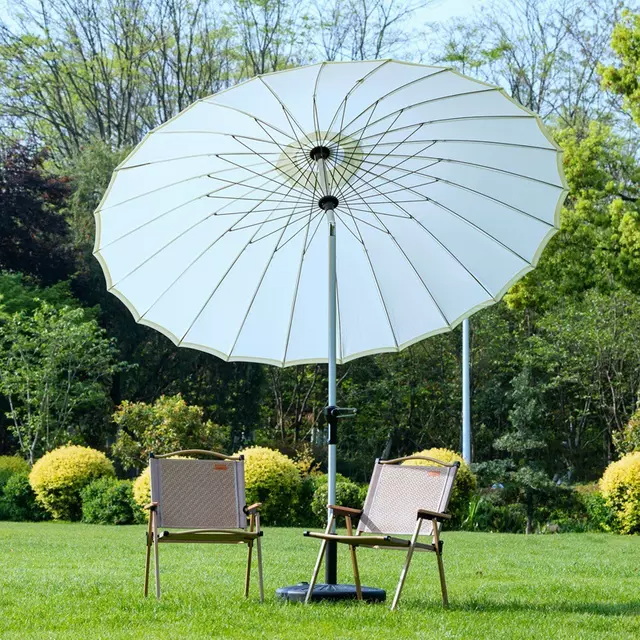
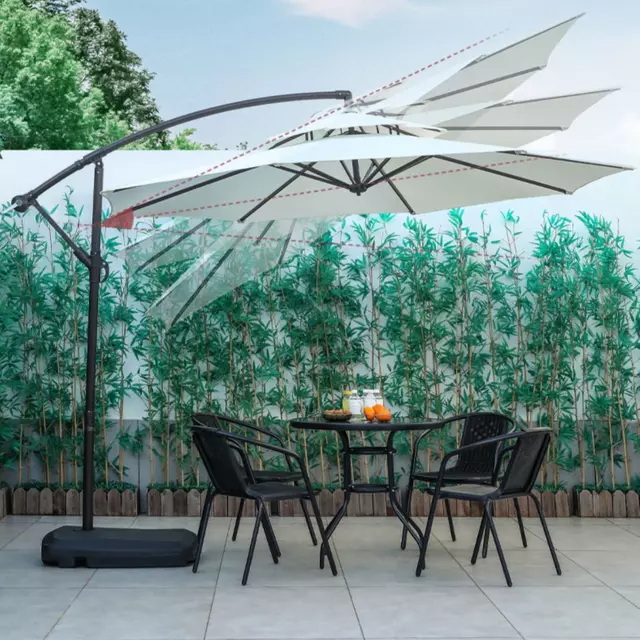
Umbrella operation mechanisms impact ease of use, maintenance, and reliability. A traditional crank mechanism is widely used for its simplicity and cost-effectiveness. Tilt mechanisms allow shade adjustment without moving the base, with varying degrees of mobility and sealing against wind. Some designs use a tension or locking mechanism to secure the canopy at multiple angles. For OEM clients, aligning the mechanism's durability with expected daily usage cycles is essential. The choice between a manual crank and a gas-assisted assist device can influence production costs and warranty considerations but can markedly affect consumer satisfaction in overseas markets.
Outdoor shade solutions face diverse weather conditions. Wind resistance is a primary concern; umbrellas should have reinforced joints, thicker ribs, and in some designs, vented canopies to reduce suction forces during gusts. Maintenance requirements, such as regular cleaning to prevent mold and color retention checks, contribute to longer product life. For offshore markets or high-humidity environments, corrosion-resistant coatings and protective finishes on metal components are critical. OEM partnerships can offer weather-sealed joints and high-durability finishes as value-added features, differentiating products in competitive international markets.
Shade coverage depends on both canopy size and the geometry of the space. For example, a 9-foot canopy provides roughly 63 to 65 square feet of shade, depending on the curve and height, which generally adequately covers standard dining setups with chairs arranged around a table. When in doubt, conduct a shading model considering sun trajectory during peak hours in target markets; this helps ensure proper shade coverage across seasons. For tight outdoor spaces, square canopies may deliver more efficient coverage than round shapes in certain layouts.
OEM collaborations thrive when customization options are clearly defined. Common customization pathways include diameter and height variations, canopy shapes (round, square, rectangular), fabric choices, frame finishes, branding on the canopy or sleeves, and integrated features like lighting or wind sensors. Establish a clear specification sheet listing all tolerances, color matching codes (PMS or similar), and material certifications. Ensure that the production plan includes minimum order quantities (MOQs), lead times, quality-control checkpoints, and packaging requirements. A strong OEM partner offers design consultation, rapid prototyping, and scalable production runs to meet international demand.
Quality control is the backbone of a successful OEM program. Establish pre-production sample approvals, dimensional tolerances, fabric color matching processes, and test methods for wind load resistance, UV stability, and colorfastness. Documentation should include material safety data sheets (where applicable), warranty terms, and compliance with local regulations in target markets. A robust supplier network, including fabric mills, hardware suppliers, and base manufacturers, ensures redundancy and resilience in the supply chain. Clear communication on batch traceability, defect rates, and corrective action plans reduces risk for overseas buyers and distributors.
Choosing the right Patio Umbrella involves a holistic assessment of size, shape, materials, mechanism, and outdoor performance, all aligned with OEM capabilities and lead-time commitments. For overseas brands and distributors, the emphasis should be on standardized components, rigorous quality control, and flexible customization options that preserve brand identity across markets. By selecting a manufacturing partner with transparent specifications, durable materials, and proven wind resistance strategies, international clients can deliver reliable shade solutions that enhance outdoor living experiences and strengthen brand reputation.
- For a 6-person dining setup, a 9-foot canopy is typically adequate to provide comfortable shade for all seating positions and reduce glare. If space allows, an 8–10 foot canopy offers additional shade margin, particularly during mid-day sun. This recommendation helps overseas buyers align product offerings with common restaurant or hotel patio configurations.
- Aluminum frames strike a strong balance between durability and light weight, making them ideal for international distribution where freight costs matter. Fiberglass frames offer strength and flexibility, particularly in wind-prone environments, but may come at a higher cost. DIY OEM programs often choose aluminum as the standard due to lower maintenance and broad market acceptance.
- A stable base with adequate weight and a high-quality locking mechanism is essential. Options include weighted bases, interlocking base systems, or concrete-filled bases. For cantilever designs, ensure proper counterbalance and consider additional anchors or ground pegs for extreme wind. Alignment with local regulations and shipping constraints is also important for OEM customers.
- Look for fabrics with high UV protection ratings, colorfastness under sunlight exposure, and mildew resistance. Solution-dyed fabrics typically offer superior color retention. For OEM programs, specify UPF ratings, warranty terms, and suitability for outdoor use across multiple climates.
- Establish a precise color-matching protocol (e.g., PMS or equivalent), standardized finish codes, and documented tolerances for canopy diameter, rib thickness, and frame dimensions. Pre-production approvals and in-process quality checks help ensure that every batch aligns with the brand's standards. Clear packaging and labeling guidelines further support consistency across markets.
[1](https://riverbendhome.com/blogs/advice-ideas/patio-umbrella-buying-guide-how-to-choose-an-outdoor-umbrella)
[2](https://hauserspatio.com/blog/a-comprehensive-review-of-different-types-of-patio-umbrellas/)
[3](https://www.christysports.com/blog/patio-umbrellas-guide.html)
[4](https://www.patioproductions.com/blog/patio-furniture/patio-umbrella-buyers-guide/)
[5](https://blog.curranonline.com/patio-umbrella-buying-guide-everything-you-need-to-know/)
[6](https://www.aosom.com/blog-the-complete-guide-to-measuring-patio-umbrellas.html)
[7](https://purpleleafshop.com/blogs/news/patio-umbrella-size-guide)
[8](https://authenteak.com/blog/best-patio-umbrellas/-/1560323/)
[9](https://www.harbourlifestyle.co.uk/blogs/news/best-parasols)
[10](https://mybaser.com.au/best-umbrella-guide-which-umbrella-to-choose)


