
Language
Please Choose Your Language
Views: 222 Author: Amanda Publish Time: 2025-12-10 Origin: Site


Content Menu
● What Is an Auto Open Umbrella?
● Why OEM Brands Choose Auto Umbrella
● Key Components of an Auto Umbrella
>> Frame: Shaft, Ribs, and Stretchers
>> Auto Mechanism and Spring System
>> Handle, Button, Ferrule, and Accessories
● Step‑by‑Step Auto Umbrella Production Process
>> Step 1: OEM Design and Project Planning
>> Step 2: Material Sourcing and Testing
>> Step 3: Fabric Cutting and Panel Preparation
>> Step 4: Printing and Branding
>> Step 6: Frame Fabrication for Auto Umbrella
>> Step 7: Assembling the Auto Mechanism
>> Step 8: Joining the Canopy to the Frame
>> Step 9: Handle Assembly and Final Details
>> Step 10: Quality Control and Functional Testing
>> Step 11: Cleaning, Packaging, and Cartoning
● Design Tips for High‑Performance OEM Auto Umbrella
>> Choosing the Right Auto Umbrella Structure
>> Matching Materials to Target Market
>> Durability, Safety, and User Experience
● FAQs
>> 1. What is the main difference between an auto umbrella and a manual umbrella?
>> 2. Is an auto open umbrella harder to maintain than a manual umbrella?
>> 3. How can brands improve the durability of their OEM auto umbrella projects?
>> 4. Are fully automatic (open and close) umbrellas better than simple auto open umbrellas?
>> 5. What should OEM buyers check when approving a pre‑production sample of an auto umbrella?
Auto umbrellas are one of the most popular rain accessories in modern life, combining comfort, smart mechanics, and stylish design. Auto Umbrella manufacturing is a precise process that integrates engineering, textile craft, and strict quality management to meet global OEM demands. For brands, wholesalers, and distributors, understanding how to make an auto open umbrella helps in planning new collections, negotiating specifications, and controlling quality in long‑term cooperation with factories.
An auto open umbrella (often just called an “auto umbrella”) is an umbrella that opens automatically when the user presses a button built into the handle or shaft. Instead of manually sliding the runner up the shaft, the user simply activates the mechanism and the canopy springs open in one smooth motion. This instant opening is especially convenient in sudden rain, crowded cities, or when the user is carrying bags.
The auto umbrella relies on a mechanical structure hidden inside the shaft, where a compression spring, inner rod, and locking system work together. When the umbrella is closed, the spring is compressed and energy is stored; pressing the button releases this energy and drives the runner upward, opening the canopy quickly and reliably. Because of this structure, an auto umbrella requires more precise design and stronger components than a basic manual umbrella, especially when used as an OEM promotional or retail product.
For brands and wholesalers, the auto umbrella offers a strong combination of perceived value and daily practicality. Customers immediately feel the difference when they press the button and the canopy pops open, creating a premium impression compared with a low‑end manual umbrella. This feeling of quality is important for corporate gifts, promotional campaigns, and lifestyle brands.
In addition, the auto umbrella has many flat, visible surfaces for printing logos, patterns, and brand messages. Canopy panels, closing straps, and even handles can be used for branding. When combined with high‑end fabrics, UV coatings, or special shapes, an auto umbrella becomes both a functional product and an effective walking advertisement. OEM clients can therefore turn a simple rain accessory into a long‑lasting brand carrier.
The canopy is the most visible part of any auto umbrella and directly influences waterproof performance, appearance, and durability. Common fabrics include:
- Polyester: cost‑effective, widely used for everyday auto umbrella lines.
- Pongee: tighter weave, smoother hand feel, and more premium look, popular with branded OEM projects.
- RPET (recycled PET): made from recycled plastic bottles, increasingly chosen for sustainable auto umbrella collections.
Fabrics can be treated with water‑repellent coatings, UV‑blocking finishes, colorfast dyes, and even reflective prints for night safety. The right fabric choice depends on the target market, price level, and required performance.
The frame is the skeleton of the auto umbrella and must be strong enough to support both the canopy and the rapid movement of the auto mechanism. It is usually made up of a central shaft, ribs that support each canopy panel, and stretchers that connect the ribs to the runner.
- Shaft: can be steel for strength, aluminum for light weight, or fiberglass for flexibility and wind resistance. Folding auto umbrella designs use multi‑section telescopic shafts, while stick auto umbrellas use single, straight shafts.
- Ribs: radiate from the top of the shaft and define the shape of the open canopy. Strong ribs help the auto umbrella resist wind and hold its form.
- Stretchers: link the runner to the ribs and transfer movement from the spring‑driven runner to the canopy when the auto umbrella opens.
Because the auto umbrella mechanism adds forces to these parts, the frame components must be carefully matched in strength and size.
The auto mechanism is what makes the auto umbrella different from a traditional manual umbrella. It typically includes:
- Compression spring positioned along the shaft.
- Inner rod connected to the runner.
- Locking and release components linked to the button.
When the auto umbrella is closed, the user pulls the runner down, compressing the spring and resetting the lock. At this stage, energy is stored in the spring. When the user presses the button, the lock releases and the spring pushes the inner rod and runner upward. The runner moves along the shaft, pulling the stretchers and ribs until the canopy is fully open and locked in position. Precision in the auto mechanism ensures that the umbrella opens cleanly and avoids partial or uneven deployment.
The handle is both a functional grip and an important branding area for the auto umbrella. It houses the button in most designs and can be made from plastic, rubber, wood, or metal. Many OEM brands prefer ergonomic handles with soft‑touch coatings or unique shapes that match their identity.
Additional parts include:
- Ferrule (top cap) at the tip of the shaft, where the ribs meet at the top.
- Tips at the ends of the ribs, sometimes used as decorative elements.
- Tie band or strap that keeps the auto umbrella closed.
- Wrist strap or carrying loop attached to the handle for convenience.
Each of these elements can be customized with colors, textures, or logos to create a distinctive auto umbrella.
The auto umbrella journey usually begins when a brand or wholesaler submits design requirements to the manufacturer. These requirements cover umbrella size, diameter, number of panels, type of auto mechanism, frame materials, and budget. OEM engineers then transform this information into detailed technical drawings and specifications.
At this stage, the client and factory will:
- Decide whether to produce a stick auto umbrella, a compact folding auto umbrella, or a golf‑style auto umbrella.
- Choose the opening mechanism: auto open only, or fully automatic (open and close).
- Define logo placement on canopy panels, straps, handle badges, and packaging.
- Set target performance standards, such as wind resistance, durability, and waterproof rating.
Clear planning at this early stage prevents later problems and ensures that the auto umbrella meets expectations.
Once the design is approved, the factory sources fabric, frames, mechanisms, and accessories from selected suppliers. Because the auto umbrella mechanism is more complex than a manual one, consistent quality of every component is essential.
Before mass production, key materials are tested:
- Fabric is checked for thickness, tear strength, coating quality, and color consistency.
- Frames are inspected for straightness, joint fit, and resistance to repeated bending.
- Springs and mechanism parts are checked for correct dimensions and tension.
Pre‑production tests may also include water‑spray tests on fabric samples and opening‑cycle tests on sample auto umbrella frames.
When materials have passed inspection, the factory starts cutting fabric for the canopy. Large rolls of fabric are laid out and cut into long strips, then into precise triangular shapes that will form the umbrella panels. Accurate cutting ensures a balanced canopy that will open smoothly on the auto umbrella frame.
For each umbrella size and shape, cutting patterns are optimized to reduce waste and hold tolerances. If the auto umbrella design includes different colors or patterns, the factory keeps each batch clearly separated and labeled. This step is especially important when managing large OEM orders for multiple models or collections.
Branding is at the heart of many OEM auto umbrella projects. After cutting, panels are moved to the printing area where logos, patterns, or full‑surface designs are applied. Factories may use screen printing for solid logos, digital printing for detailed artwork, or heat transfer for specific effects.
During this stage:
- Logos are positioned exactly where the brand requires, typically on one or more panels or on the closing strap.
- Color matching is carefully controlled to meet the customer's brand guidelines.
- Special effects such as metallic inks, reflective prints, or UV‑reactive patterns can be applied to make the auto umbrella more eye‑catching.
Printing quality is checked regularly to avoid misalignment, smudging, or color variation, all of which would affect the final auto umbrella appearance.
Printed or plain panels are then taken to the sewing department. Here, skilled operators stitch the triangular pieces together to create a complete round or polygonal canopy. Seam strength and uniformity are vital, because seams must survive both daily use and the rapid movement of the auto mechanism.
Key sewing details include:
- Maintaining consistent seam width along each joint to avoid distortions in the canopy shape.
- Reinforcing stress points where ribs attach to the canopy, especially for stronger auto umbrella frames.
- Preparing openings or reinforcements at the top for the rosette or ferrule.
After sewing, the finished canopies are inspected for defects, incorrect stitching, or panel misalignment before moving to the frame assembly area.
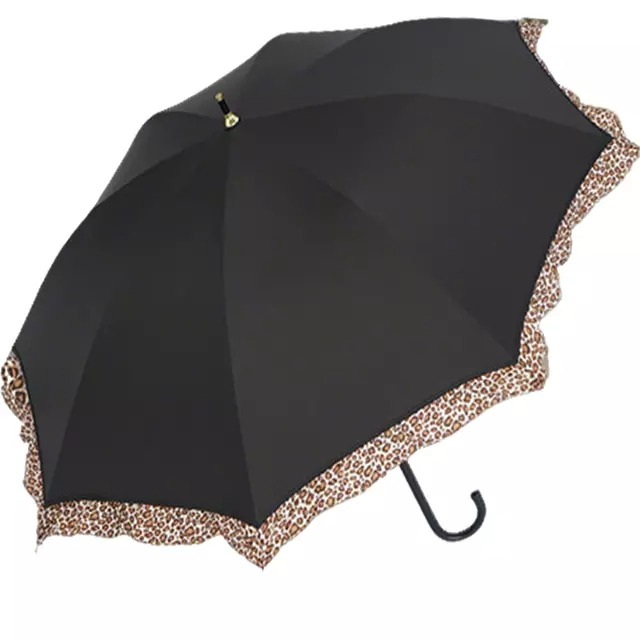
Frame fabrication is often done in a separate workshop or in collaboration with specialized suppliers. For an auto umbrella, the frame must be designed around the mechanism and spring. Ribs and stretchers are cut, bent, and punched with holes to accept rivets and joints.
The shaft is prepared according to the design:
- For a stick auto umbrella, a single straight shaft is cut to length.
- For a folding auto umbrella, multiple shaft sections are produced and fitted to slide within one another.
Each metal or fiberglass part is treated or coated to resist rust and wear, especially in wet conditions. The moving joints of the auto umbrella frame are designed to operate smoothly without excessive play.
The auto mechanism is assembled around the shaft. This is a critical step that requires careful attention and often semi‑automatic fixtures to maintain consistency.
Main steps:
- The compression spring is installed along the shaft and secured in place.
- The inner rod is connected to the runner and aligned inside the shaft.
- The locking and release system is built so that the button in the handle can engage and disengage the mechanism.
Each assembled auto umbrella mechanism is typically tested multiple times during assembly. Workers or machines repeatedly press the button, allowing the spring and runner to move, to confirm that the auto umbrella opens fully and locks in the correct position. Any stiffness or misalignment is corrected immediately to avoid problems later.
Once frames and mechanisms are ready, the canopies are attached. The top of the canopy is fixed to the shaft near the ferrule, and each panel is aligned with a rib. The ends of the ribs are then sewn, clipped, or riveted to the canopy tips.
During this process:
- Canopy tension is balanced to avoid wrinkles and ensure smooth opening of the auto umbrella.
- Stitching at attachment points is reinforced, especially for high‑wind designs.
- The canopy is opened and closed several times to confirm proper alignment on the auto umbrella frame.
Correct joining makes sure that the auto umbrella not only opens automatically but also looks symmetric and professional when in use.
After the canopy is installed, the handle, ferrule, and accessories are mounted. For an auto umbrella, the handle often contains the button and the internal link to the locking system.
This stage includes:
- Fixing the handle securely to the shaft using screws, glue, or both.
- Ensuring that the button in the handle reliably triggers the auto mechanism.
- Installing the ferrule and any decorative caps at the top.
- Sewing or attaching the tie band and, if required, the wrist strap.
OEM brands may use this step to add custom handle badges, laser‑engraved logos, or metal plates, making the auto umbrella feel unique and premium.
Quality control is one of the most important parts of auto umbrella production. Because the product contains mechanical parts, errors in assembly or material defects can quickly lead to failure if they are not detected.
Typical quality checks include:
- Opening and closing tests: auto umbrellas are opened repeatedly to confirm smooth, fast deployment and secure locking.
- Visual inspection: canopy alignment, print quality, stitching, and handle finish are checked against approved samples.
- Mechanical inspection: frames are checked for straightness, correct rivet installation, and consistent spring tension.
For larger OEM orders, factories may test a set percentage of auto umbrellas from each batch (for example, using AQL standards) and record results for traceability. This helps brands maintain a stable quality level over repeated orders.
Once the auto umbrella passes inspection, it is cleaned of dust, threads, or fingerprints and prepared for packing. Depending on the client's requirements, an auto umbrella can be wrapped in a simple polybag or presented in a fully printed gift box.
Common packaging options:
- Individual polybags or sleeves with printed labels for mass retail.
- Printed gift boxes for premium or corporate auto umbrella projects.
- Custom cardboard displays or counter stands for in‑store promotion.
Packed auto umbrellas are then placed into cartons according to packing lists, with correct labels, barcodes, and shipping marks. Carton size, quantity per carton, and gross weight are carefully calculated to optimize freight and protect the product during transport.
Different structures suit different uses:
- Stick auto umbrella: ideal for golf, driver, and business umbrellas where size and stability are prioritized.
- Folding auto umbrella: perfect for urban commuters who want a compact product that fits in bags or backpacks.
- Long folding or two‑fold auto umbrella: balances coverage and portability for daily use.
When planning an OEM order, brands should consider typical users, local climate, and retail positioning to select the best auto umbrella structure.
The best material combination for an auto umbrella depends on the target audience and selling price:
- Entry level: steel frame with polyester canopy for budget‑sensitive markets.
- Mid‑range: mixed steel/fiberglass frame with pongee fabric, often used for gift and promotional auto umbrella lines.
- Premium: full fiberglass or high‑grade alloy frame with high‑density pongee or RPET and special coatings.
Selecting materials in this way ensures that the auto umbrella feels aligned with the brand's overall image and price positioning.
The visual style of an auto umbrella strongly affects how customers perceive the product and the brand behind it. Color combinations, pattern design, and logo placement should all be carefully planned.
Effective strategies include:
- Using the brand's core colors on canopy panels and strap labels.
- Creating limited‑edition patterns for special events or collaborations.
- Designing matching sets where an auto umbrella is paired with other accessories like bags or raincoats.
Because an auto umbrella is used in public spaces, a good design can significantly enhance brand exposure.
Beyond appearance, an auto umbrella must feel safe and comfortable in real life. Durable ribs, secure tips, and smooth edges protect users from injury. Handles should be easy to grip even when wet, and the auto mechanism should not require excessive force to reset.
Brands that invest in these details will find that their auto umbrella products generate repeat orders and positive word‑of‑mouth. Considering customer feedback and market reviews is a valuable way to refine future auto umbrella collections.
Creating a high‑quality auto umbrella is a systematic process that integrates design, material science, mechanical engineering, and careful craftsmanship. From the initial OEM briefing and fabric selection to canopy sewing, auto mechanism assembly, and rigorous quality testing, every step influences the final user experience. By paying attention to frame strength, spring performance, canopy workmanship, and branding details, manufacturers and brands can deliver auto umbrella products that feel smooth, reliable, and premium in daily use.
For OEM partners, working with a factory that understands both technical requirements and marketing needs is essential. Such cooperation allows the development of auto umbrella ranges that match local markets, satisfy retailers, and build long‑term consumer loyalty. With the right structure, material choices, and quality controls, the auto umbrella becomes more than just a rain tool; it becomes a powerful, practical extension of the brand itself.
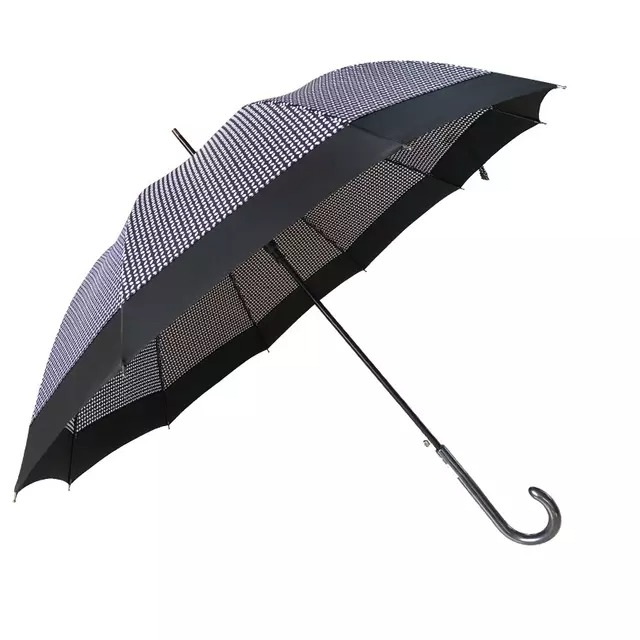
An auto umbrella opens automatically when the user presses a button, using a built‑in spring mechanism, while a manual umbrella requires the user to slide the runner up by hand. The auto umbrella therefore offers quicker, one‑handed operation and a more premium feel, but its internal mechanisms are more complex and require more precise manufacturing.
Daily maintenance for an auto umbrella is similar to that of a manual umbrella: it should be dried after use, stored in a cool and ventilated place, and opened gently without forcing the frame. However, auto umbrellas should not be forced open or closed if the mechanism feels stuck; users should check for twisted ribs or fabric before pressing the button again to avoid damage to the mechanism.
Brands can improve durability by choosing stronger frame materials (such as fiberglass ribs), specifying higher‑density canopy fabric, and requiring more strict quality tests in the factory. Additional measures include reinforcing stress points, testing samples through many open‑close cycles, and using corrosion‑resistant coatings on metal parts so the auto umbrella remains reliable over long‑term use.
Fully automatic umbrellas can open and close with the same button, offering extra convenience, especially in tight spaces or when getting in and out of vehicles. However, they have more internal components, which can increase cost and the complexity of production. A simple auto umbrella (auto open only) is often more robust and cost‑effective, so the best choice depends on the target price, market expectations, and brand positioning.
OEM buyers should check the opening speed and smoothness of the auto umbrella, the feel and reliability of the button, and whether the canopy opens fully and evenly. They should also inspect printing quality, stitching, frame alignment, handle comfort, and overall finish, then perform several open‑close cycles to confirm durability. Any issues found at this stage should be corrected before mass production begins, ensuring consistent quality across the entire order.


