
Language
Please Choose Your Language
Views: 222 Author: Amanda Publish Time: 2025-11-19 Origin: Site


Content Menu
● The Spanish Term for Raincoat
● The Complete Raincoat Manufacturing Process
>> Fabric Treatment and Preparation
>> Quality Inspection and Testing
● Benefits of Wearing a Raincoat
● Using "Raincoat" in English and Spanish Sentences
● Frequently Asked Questions (FAQs)
>> 1. What is the Spanish word for raincoat?
>> 2. How do manufacturers ensure raincoats are waterproof?
>> 3. What materials are commonly used to make raincoats?
>> 4. Can raincoats be stylish?
>> 5. How should I care for my raincoat?
A raincoat is a quintessential piece of outerwear designed to shield the wearer from rain and wet weather. For manufacturers, wholesalers, and brand owners, especially those servicing international markets, knowing how to say "raincoat" in different languages is key to effective communication and marketing. In Spanish, the primary term for raincoat is "impermeable", although other regional variants exist, such as "gabardina" and "piloto". Beyond how to say raincoat in Spanish, this article explores the manufacturing process, different types of raincoats, their benefits, usage, and care to provide a holistic understanding of this essential apparel item.
A raincoat is a waterproof or highly water-resistant coat worn to protect the wearer from rain. It is usually made from synthetic or treated fabrics that resist moisture penetration while allowing comfort. Common materials include PVC, nylon, polyester, and specialized laminates such as Gore-Tex. Features like hoods, waterproof zippers, sealed seams, and adjustable closures enhance functionality.
In Spanish, the word for raincoat is most commonly "impermeable". This term directly translates to "waterproof" but is universally understood to mean raincoat in general contexts. Other words include "gabardina", which often refers to trench coat-style raincoats, and "piloto", a more casual or regional term used in some Latin American countries.
The manufacturing of a raincoat is a meticulous and sophisticated procedure that turns raw materials into functional and stylish waterproof garments. Each step requires precision to ensure durability, waterproofing, comfort, and appearance.
The foundation of any raincoat lies in the fabric. Most raincoats are made from materials like PVC (Polyvinyl Chloride), PE, or nylon treated with a waterproof coating. PVC fabric stands out for its superb waterproof qualities, high durability, and resistance to extreme weather conditions. Polyester and specialized fabrics like Gore-Tex are also popular for their breathability and water resistance.
The threads used in stitching are typically polyester or nylon because of their strength and resistance to wear. To maintain waterproof integrity, waterproof glue or seam sealants are applied to seams, filling any pinholes left by stitching.
Before assembly, fabrics undergo treatments to enhance water repellency and durability. This may involve waterproof coatings or lamination and is followed by quality checks of thickness, flexibility, and waterproof rating.
The prepared fabric is cut into specific shapes based on design patterns. This step demands high accuracy because it affects the fit and efficiency of material use. Cutting machines or manual cutters are employed, depending on production scale.
Cut fabric pieces are sewn together using industrial sewing machines. To ensure the raincoat's waterproof capability, seams often receive additional treatment. Some manufacturers heat-seal the seams or apply seam tapes to prevent water leakage through needle holes.
Additional components such as hoods, zippers, buttons, and pockets are added during this stage. These accessories are chosen to be durable, rust-resistant, and sometimes waterproof themselves.
After assembly, each raincoat undergoes intensive quality control checks. Technicians look for defects in stitching, fabric imperfections, seam strength, and waterproof performance. Testing may include water spray tests and seam strength tests to certify waterproof integrity.
The final stage involves trimming, labeling, folding, and packaging raincoats for shipment. Packaging protects the product during transportation and ensures it reaches consumers in perfect condition.
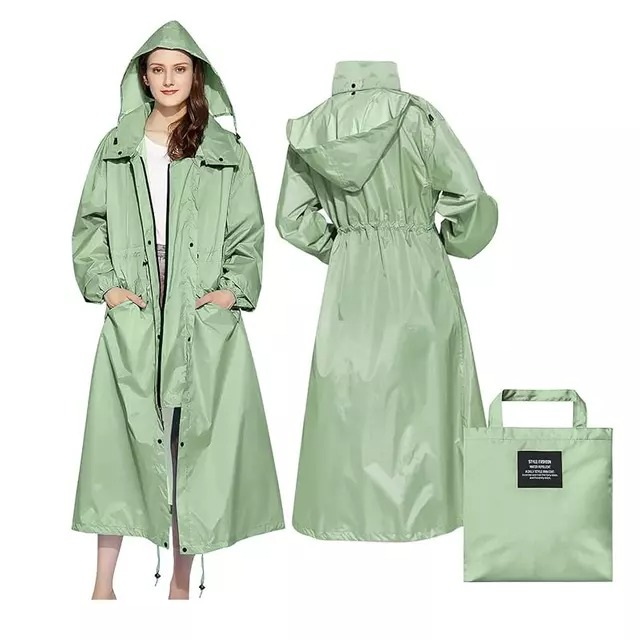
Raincoats come in various styles and materials catering to different needs:
- Lightweight Raincoats: Designed for occasional rain, easy to pack and carry.
- Heavy-Duty Raincoats: Made from thicker, more durable materials for continuous heavy rain and harsh weather.
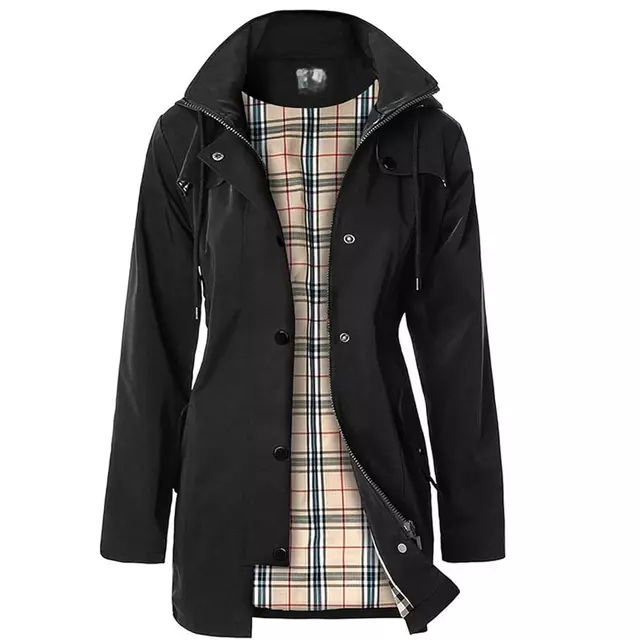
- Trench Coat-Style Raincoats: Fashionable with waterproof features, often used in urban settings.
- Ponchos: Loose, often one-piece rainwear that covers the body completely.
- Breathable Raincoats: Made with membranes like Gore-Tex to allow moisture escape while keeping rain out.
Raincoats are indispensable during wet weather since they:
- Provide effective rain and wind protection.
- Are lightweight and often packable.
- Protect underlying clothing from getting wet.
- Balance waterproofing with breathability in modern designs.
- Offer stylish options suitable for casual and professional wear.
- "I need to buy a raincoat for the rainy season."
"Necesito comprar un "impermeable" para la temporada de lluvias."
- "This raincoat keeps me dry in heavy rain."
"Este "impermeable" me mantiene seco incluso bajo la lluvia fuerte."
- "Do you sell raincoats in different sizes?"
"¿Venden "impermeables" en diferentes tallas?"
Proper maintenance extends a raincoat's life. Key tips include:
- Follow manufacturer cleaning instructions; avoid harsh detergents.
- Regularly check and reapply waterproofing treatments if needed.
- Store in a cool, dry place away from direct sunlight.
- Repair any seam damage promptly to maintain waterproof integrity.
The Spanish word for raincoat, "impermeable", encapsulates a crucial item in global apparel, offering protection from the elements. The manufacturing journey of raincoats involves selecting the right waterproof fabrics, precision cutting, sturdy sewing combined with waterproof sealing, and strict quality control to deliver durable and effective rainwear. Whether for fashion, utility, or safety, raincoats are an essential garment combining innovation, craftsmanship, and style.
It is "impermeable", though "gabardina" and "piloto" may also be used in some regions.
They use waterproof-coated fabrics, apply seam tape or glue over stitched seams, and select waterproof accessories like zippers.
PVC, nylon, polyester, and breathable fabrics like Gore-Tex are common materials for raincoats.
Yes, many raincoats come in fashionable designs such as trench styles that combine waterproofing with trendy aesthetics.
Follow care labels, avoid harsh detergents, reapply waterproof treatments as needed, and store it properly to maintain performance.
[1](https://vishimex.com/the-process-of-manufacturing-raincoats-from-waterproof-fabric-to-finished-product/)
[2](https://bigstartups.co/articles/article/an-overview-of-raincoat-production)
[3](https://www.linkedin.com/pulse/production-process-raincoats-hollee-raincoat-rain-wear-rain-boots)
[4](https://khatabook.com/blog/raincoats-manufacturing-process/)
[5](https://www.safetyhub.co.ke/raincoats-manufacturing-types-and-uses/)
[6](https://www.youtube.com/watch?v=4hr5ikwD7Tk)
[7](https://insights.made-in-china.com/Comprehensive-Guide-to-Polyester-Raincoat-Quality-and-Sourcing-Ensuring-Durability-and-Customer-Satisfaction_dtDGUiNzYmIe.html)
[8](https://www.oasisjackets.com/important-steps-for-manufacturing-rain-jackets-that-you-did-not-know/)
[9](https://deepwear.info/blog/expanding-into-rainwear-heres-what-you-need-to-know/)
[10](https://brydenapparel.com/mastering-coat-manufacturing-your-complete-guide/)


