
Language
Please Choose Your Language


Content Menu
● Key Advantages of PVC Raincoat
● Disadvantages and Limitations of PVC Raincoat
● PVC Raincoat vs Other Raincoat Materials
● Comfort Features of Modern PVC Raincoat
● Design and Styling Ideas for OEM PVC Raincoat
● Safety and Environmental Aspects of PVC Raincoat
● Practical Buying Tips for PVC Raincoat
● Is PVC Raincoat Good for Your Brand?
● FAQs
>> 1. Is a PVC raincoat good for everyday commuting?
>> 2. Is a PVC raincoat safe to wear?
>> 3. How long does a PVC raincoat last?
>> 4. Can a PVC raincoat be recycled?
>> 5. Is PVC raincoat better than polyester raincoat?
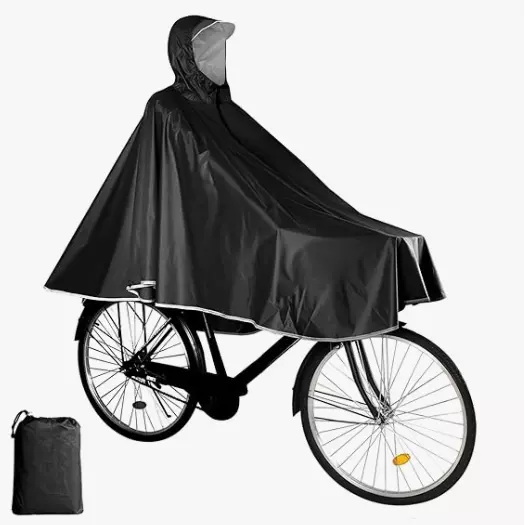
A PVC raincoat is a Raincoat made from polyvinyl chloride, a synthetic plastic that can be applied as a coating to fabric or used as a flexible sheet to create fully waterproof raincoat garments. Because PVC is naturally water-resistant and non-porous, a PVC raincoat provides a very reliable barrier against rain and splashes in many environments.[2][4][1]
In the rainwear industry, a PVC raincoat can be produced with different thicknesses and backing fabrics, such as polyester, cotton or blended textiles, to balance comfort, flexibility and cost. Many PVC raincoat styles come with welded seams, press studs, storm flaps, drawstring hoods and reflective strips, making them suitable for both workwear and consumer raincoat applications.[5][6][1][2]
PVC raincoat production usually starts from liquid PVC or PVC compound, which is coated or calendared onto a base fabric to create a laminated raincoat material. The resulting fabric for the raincoat is then cut according to pattern templates, and the pieces are assembled using stitching, high-frequency welding or heat-sealing, depending on the design.[1][2][5]
High-frequency welding is widely used in PVC raincoat manufacturing because it bonds PVC layers at a molecular level, forming strong, waterproof seams that are more resistant to leakage than ordinary stitching. After the main seams of the raincoat are finished, accessories such as zippers, snaps, cords, toggles, ventilation eyelets and reflective tapes are attached, and the raincoat goes through final inspection for waterproofness and appearance.[6][5][1]
A PVC raincoat has several important strengths that make it a good choice in certain segments of the raincoat market.[2][1]
- Excellent waterproof performance:
A PVC raincoat offers an almost completely waterproof barrier, even under strong and continuous rain, making it ideal for heavy-duty raincoat use.[4][5][1]
- Strong resistance to dirt and stains:
The smooth PVC surface on a raincoat does not absorb water or oil easily and can be wiped clean with a cloth, which is especially useful in industrial, agricultural and fishing raincoat applications.[4][1][2]
- Competitive cost for mass production:
Compared with high-end breathable membranes and some coated technical fabrics, PVC raincoat material is usually less expensive, helping brand owners create cost-effective raincoat collections for price-sensitive channels.[1][2][4]
- High flexibility in design and color:
PVC raincoat material can be produced in transparent, glossy or matte finishes, vivid colors and even printed patterns, allowing creative raincoat designs for both workwear and fashion markets.[6][2]
- Good chemical and abrasion resistance:
In many work environments, a PVC raincoat shows strong resistance against certain oils, acids and dirt, and the thick coating increases abrasion resistance and service life.[5][2][1]
For OEM clients, these advantages mean a PVC raincoat can be positioned as a reliable, rugged and affordable raincoat solution for construction workers, farmers, logistics staff, fishermen and general consumers who need basic rain protection.[7][6][1]
The same properties that make PVC raincoat highly waterproof can also create some drawbacks for specific users and situations.[3][4][1]
- Low breathability and heat buildup:
A PVC raincoat does not allow water vapor from sweat to escape, so moisture can accumulate inside the raincoat during physical activities, leading to discomfort and a clammy feeling.[3][4][1]
- Heavier and less flexible than lightweight fabrics:
Especially in higher thicknesses, a PVC raincoat can feel heavier and stiffer than raincoats made from thin polyester or nylon, which may reduce freedom of movement and long-term wearing comfort.[7][5][1]
- Potential aging, cracking and stickiness:
Over time, especially under strong sunlight and temperature changes, low-quality PVC raincoat material can harden, crack or become sticky if plasticizers migrate, reducing the usable life of the raincoat.[8][2]
- Environmental and health concerns:
PVC production and disposal are linked to environmental challenges, and some low-cost PVC raincoat products have been found with hazardous additives such as heavy metals or certain phthalates, raising concerns for vulnerable users.[9][10][11][12]
Because of these issues, a PVC raincoat is better positioned as a functional, task-oriented raincoat rather than a high-performance sports raincoat that must combine waterproofness and high breathability.[13][3][4]
Different buyers compare PVC raincoat with polyester, nylon, EVA and other raincoat materials before placing OEM orders.[2][3][4]
A polyester raincoat, especially when laminated with breathable membranes, offers a balance between waterproofness and breathability, making it suitable for hiking, trekking and commuting in variable weather. However, such a raincoat is usually more expensive and may require more complex seam-sealing technologies, which can raise production cost compared with a basic PVC raincoat.[13][3][4]
EVA raincoat material is often lighter, softer and more flexible than PVC, which brings better comfort for daily and casual raincoat use. EVA is also frequently marketed as more environmentally friendly than traditional PVC raincoat material, though the total sustainability profile still depends on the specific formulation and recycling system.[14][15][4]
Nylon or polyester raincoat fabrics with advanced coatings and membranes are common in premium outdoor apparel because they can combine good waterproof ratings with reasonable breathability. These raincoat products suit hikers, runners and cyclists but are usually positioned at higher price points and may not be necessary for heavy-duty industrial raincoat use where breathability matters less than rugged protection.[3][4][6][13]
For industrial sectors, marine activities, road maintenance, mining and agriculture, a PVC raincoat or rain suit often remains the preferred solution because it is tough, highly waterproof and affordable. For urban lifestyle or sports segments, brands often choose polyester or other technical fabrics for the main raincoat line while keeping PVC raincoat styles for budget-friendly or workwear ranges.[4][6][7][1][2][3]
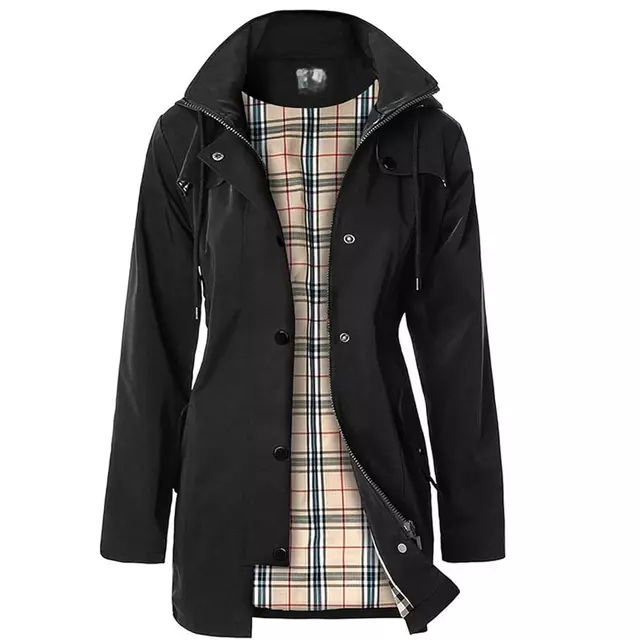
To address some weaknesses of traditional PVC raincoat designs, modern manufacturers are adding comfort-oriented features.[1][2]
Ventilation constructions, such as back cape vents, underarm eyelets or mesh-lined openings, can help reduce heat buildup inside the PVC raincoat during moderate activity. Although these features cannot fully match the breathability of membrane raincoat fabrics, they significantly improve the overall wearing experience in a PVC raincoat.[2][1]
Adjustable details also enhance comfort and protection: elastic or snap-adjustable cuffs prevent water from entering sleeves, drawstring hems reduce wind penetration, and adjustable hoods help ensure the raincoat hood moves with the wearer's head. In addition, softer backing fabrics and improved PVC formulations make modern PVC raincoat products more flexible and less “plastic-like” than older generations.[8][6][1][2]
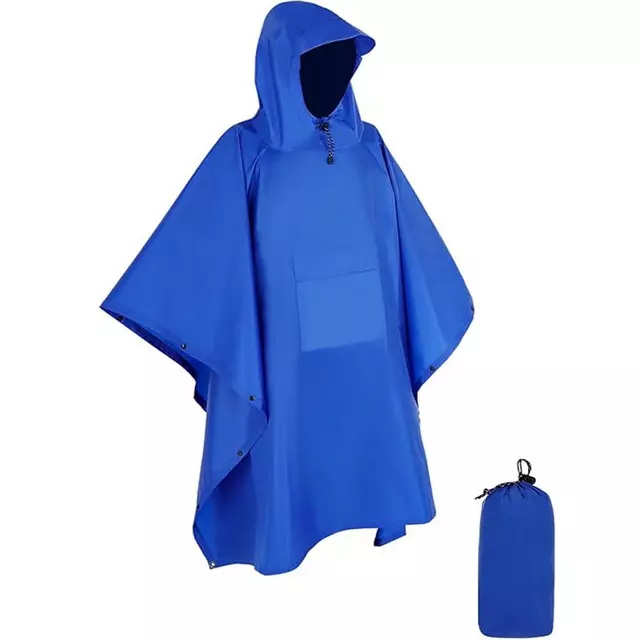
For foreign brands and wholesalers, a PVC raincoat can be much more than a basic transparent poncho; thoughtful design can create distinctive, marketable raincoat lines.[6][1][2]
Popular OEM PVC raincoat concepts include long trench-style raincoat designs with belts, city commuter raincoat styles with minimalist silhouettes, and worker raincoat sets that combine a jacket and bib pants for full-body protection. Adding clear panels, color blocking, contrast zippers, reflective tape and printed graphics can help differentiate PVC raincoat collections and align them with a brand's identity.[6][1][2]
Functional detailing is also important, such as large pockets with flaps, double front closures (zip plus snaps), adjustable hood peaks, and packable PVC raincoat designs that fold into their own pockets or pouches. OEM buyers can request specific branding options for their PVC raincoat, including screen printing, heat transfer logos, woven labels and swing tags tailored for local markets.[1][2][6]
Safety and sustainability are becoming major decision factors for both B2B and B2C buyers of raincoat products.[15][16][9]
For PVC raincoat items, particular attention is paid to additives such as plasticizers, stabilizers and pigments, which can sometimes contain hazardous substances if low-quality raw materials are used. Responsible manufacturers of PVC raincoat products typically follow standards such as REACH, RoHS, CPSIA or local chemical safety laws and provide third-party test reports to demonstrate compliance.[10][11][12][9]
From an environmental standpoint, the lifecycle of a PVC raincoat raises concerns, because PVC is not biodegradable and can release problematic compounds if incinerated improperly. While mechanical recycling of PVC raincoat material is technically possible, it is limited by collection systems and contamination issues, so worn-out PVC raincoat products often end up in landfill or general waste streams.[9][15][8]
At the same time, some brands are exploring improved formulations, alternative polymers and more sustainable supply chains for raincoat production to reduce environmental impact while preserving key performance features. For now, PVC raincoat remains widely used due to its strong functionality, but clear communication and responsible sourcing are necessary to address safety and environmental questions from consumers and institutional buyers.[16][17][15][9][4]
When planning a PVC raincoat program, overseas buyers should define clear specifications to ensure the raincoat performs well in the target market.[6][1][2]
First, clarify the main user scenario: worker raincoat, school raincoat, emergency car raincoat, outdoor event raincoat or fashion raincoat. This decision influences PVC thickness, backing fabric, length, style and accessory requirements for each raincoat model.[1][2][6]
Second, decide on visibility and safety features, such as fluorescent colors for high-visibility raincoat use, reflective tape placement and logo prints. For industrial clients, consider ordering PVC raincoat designs with additional reinforcement at elbows, knees and seat areas, plus extra pockets for tools and devices.[7][6][1]
Third, set clear quality and testing standards: request waterproofness testing, seam integrity checks, colorfastness tests and chemical safety reports appropriate for the target country. Strong quality control during PVC raincoat production reduces complaint risk and strengthens brand reputation in the raincoat category.[11][12][10][9][2][6][1]
Finally, consider packaging and logistics options, including individual polybag packing, barcode labels, size stickers and carton markings customized for retail, wholesale or e-commerce channels. Good packaging ensures each PVC raincoat arrives clean, dry and ready for sale, which is especially important for long-distance shipping and storage.[2][6][1]
Whether PVC raincoat is “good” depends on how and where the raincoat will be used. For heavy rain, industrial worksites, agriculture, fishing and budget-conscious consumers, PVC raincoat provides impressive waterproof protection at a very competitive price.[3][4][6][1]
For high-performance outdoor sports and long, active use, a PVC raincoat is usually not ideal because of its limited breathability and heavier feel compared with technical polyester or nylon raincoat fabrics. In these cases, a brand can position PVC raincoat as a rugged workwear or backup option while offering more advanced fabric raincoat lines for active customers.[13][4][3][2]
By working with a professional OEM manufacturer, brands and wholesalers can design PVC raincoat collections that match their market needs, from simple emergency raincoat ponchos to full-featured worker raincoat suits with high-visibility colors and reinforced panels. This strategic approach allows PVC raincoat products to play a valuable role in a broader rainwear portfolio.[6][1][2]
PVC raincoat is a strong, waterproof and cost-effective raincoat solution that performs very well in heavy rain, industrial environments and price-sensitive markets, even though it sacrifices breathability and lightweight comfort. For brands, wholesalers and OEM buyers, PVC raincoat can be an excellent choice when the focus is on reliable protection, easy maintenance and competitive pricing rather than high-end sport performance.[4][3][7][1][2][6]
At the same time, safety and environmental aspects of PVC raincoat should not be ignored, so selecting reputable suppliers, requesting compliance documents and communicating clearly with customers are essential steps. When integrated thoughtfully into a diversified raincoat range, PVC raincoat products help brands cover both workwear and everyday needs, offering customers dependable protection against the rain.[12][15][16][9][3][4][1][2][6]
A PVC raincoat is suitable for short to medium commuting in heavy rain because it keeps the wearer fully dry and protects clothing underneath from splashes and road spray. However, during long walks or in warm and humid climates, a PVC raincoat may feel hot and clammy, so some commuters prefer lighter, more breathable polyester or membrane-based raincoat options.[5][13][3][4][1]
Most PVC raincoat products from reputable manufacturers are considered safe when used as intended and when they comply with relevant regulations on chemicals and heavy metals. Problems are more often linked to very cheap PVC raincoat items, especially for children, where excessive levels of hazardous additives have occasionally been reported, so buyers should always request proper test reports before placing large PVC raincoat orders.[10][11][12][9]
The lifespan of a PVC raincoat depends on material quality, thickness, usage intensity and storage conditions, but a well-made PVC raincoat can last for several seasons in typical work or outdoor use. To maximize the service life of a PVC raincoat, it should be dried after use, stored away from direct sunlight and high heat, and kept clean from oils and chemicals that might damage the material over time.[8][1][2][6]
In principle, PVC raincoat material can be recycled through specialized processes, but in practice recycling options for used PVC raincoat products are limited in many regions. Because of this, worn-out PVC raincoat items often end up in general waste streams, which is why some brands and organizations are exploring alternative raincoat materials and improved waste management systems.[15][16][9][8]
PVC raincoat is better than polyester raincoat when the main requirements are maximum waterproofness, resistance to dirt and low cost, such as in construction sites, farms and emergency raincoat kits. Polyester raincoat is generally better when users need a lighter, more breathable raincoat for activities like hiking, cycling or daily commuting, although it may come at a higher price level.[13][3][4][5][1]
[1](https://mannsupply.com/blogs/ppe-reviews/pvc-rain-suit)
[2](https://www.anbusafety.com/raincoat-fabric/)
[3](https://www.linyangpvc.com/which-is-better-pvc-or-polyester-for-rain-coat.html)
[4](https://wearce.com/5-best-raincoat-materials/)
[5](https://www.canvasetc.com/denier-fabric-coatings/)
[6](https://www.raingearpro.com/blogs/news/choosing-the-right-rain-gear-for-construction-a-comprehensive-guide)
[7](https://fop.fas.harvard.edu/raingear)
[8](https://modaknits.com/polyvinyl-chloride-fabric/)
[9](https://www.linyangpvc.com/are-pvc-raincoats-safe.html)
[10](https://chej.org/warning-vinyl-rain-coats-chock-full-of-hazardous-chemicals)
[11](https://www.ecowastecoalition.org/beware-of-toxic-rain-coats-ecowaste/)
[12](https://sproutsanfrancisco.com/get-educated/pvc-in-kids-rain-gear/)
[13](https://www.gearpatrol.com/style/a640010/waterproof-fabrics-pros-and-cons/)
[14](https://www.swallowtextile.com/pvc-vs-eva-fabrics-for-rainwear-a-comprehensive-comparison.html)
[15](https://renegadeplastics.com/blog/pvc-material/)
[16](https://ceh.org/yourhealth/why-you-should-think-twice-about-buying-that-new-raincoat/)
[17](https://www.nytimes.com/wirecutter/reviews/pfas-bans-for-clothing/)


