
Language
Please Choose Your Language
Views: 222 Author: Amanda Publish Time: 2025-12-18 Origin: Site


Content Menu
● Understanding Coraline's Iconic Raincoat Look
● What Does Coraline Wear Under Her Raincoat?
>> Typical Under‑Raincoat Outfit (Inspired by Coraline)
● Why the Under‑Raincoat Outfit Matters
● Practical Layering Under a Raincoat – Real‑World Guide
>> Spring – Light Layers Under the Raincoat
>> Summer – Minimal Under‑Raincoat Clothing
>> Autumn – Transitional Under‑Raincoat Combinations
>> Winter – When a Raincoat Becomes Part of a System
● Fabric, Fit and Function – Why They Affect What You Wear Under a Raincoat
● Styling a Coraline‑Inspired Raincoat Collection
>> Color Story
>> Matching Umbrellas and Boots
>> Graphic and Pattern Options
● OEM Opportunities – Turning the Concept into Product
>> For International Brands and Retailers
>> For Wholesalers and Distributors
● Content Ideas Using the “Coraline” Angle
● FAQs
>> 1. Does Coraline's outfit work in real life weather?
>> 2. What should children wear under a school raincoat?
>> 3. How can brands show layering options for a raincoat online?
>> 4. Is a bright yellow raincoat practical for adults, or only for kids?
>> 5. How do I choose the right size raincoat if I want to layer clothing underneath?
As a professional raincoat and umbrella OEM manufacturer, we hear this question more often than you might think: “What does Coraline wear under her raincoat?”
On the surface, it sounds like a fan question about a beloved stop‑motion movie. But for rainwear brands, wholesalers and private label buyers, it opens a very practical discussion: how to style, layer and design a raincoat so it looks iconic, feels comfortable, and actually performs in real weather.
In this in‑depth guide, we explore what Coraline wears under her raincoat, how this look works in real life, and how you can turn similar concepts into sellable OEM raincoat collections across seasons and markets.
Coraline's bright yellow raincoat, matching rain boots and simple underlayers have become a visual symbol recognized worldwide. For brands, this look is a masterclass in character‑driven raincoat design and color storytelling.
From an apparel point of view, the question “What does Coraline wear under her raincoat?” actually breaks down into three core topics:
- How to layer under a raincoat for comfort in different seasons
- How the outer raincoat shell works with inner clothing
- How to combine raincoat, umbrella and accessories into a complete, memorable look
By deconstructing each element, we can connect Coraline's animated style to real product decisions for OEM raincoat lines aimed at children, teens and adults.
In the film, Coraline's outfit is intentionally simple, so the raincoat becomes the main visual focus. The under‑raincoat combination is designed to be:
- Comfortable and casual
- Easy to animate in stop‑motion
- Realistic for a child walking in windy, rainy weather
While different scenes vary, the “classic” Coraline setup can be summarized like this:
- A light knit sweater or striped pullover under the raincoat
- Slim‑fit pants or leggings that tuck easily into rain boots
- Thin base layer (T‑shirt or thermal shirt) in cooler weather
- Occasionally a scarf or neck covering when the environment appears colder
This gives us a practical formula for real users:
> Base layer + Light mid‑layer + Waterproof raincoat + Weather‑appropriate bottoms
From a real‑world design perspective, this is exactly how many consumers wear a raincoat: not as a heavy winter coat, but as a protective waterproof shell over everyday clothes. The raincoat is the hero piece, while everything under the raincoat supports comfort and mobility.
For film or animation, under‑raincoat styling is about character. For manufacturers and brands, it directly affects:
- How customers perceive the fit of a raincoat
- How breathable and comfortable the raincoat feels in daily use
- How easy it is for retailers to merchandise a complete look in photos and videos
- How flexible the raincoat is across multiple climates and markets
If you ignore what people wear under a raincoat, you risk:
- Over‑insulating and making the raincoat too hot
- Under‑sizing the raincoat so it feels tight over sweaters or hoodies
- Increasing product returns due to poor comfort
- Missing cross‑selling opportunities with umbrellas, boots and accessories
So the question “What does Coraline wear under her raincoat?” becomes a useful reference point for layer‑friendly raincoat design that matches real customer behavior.
To move from Coraline's animated world to actual consumer needs, we must think about layering by season. A well‑designed raincoat should adapt to spring showers, summer storms, autumn drizzle and mild winter rain, simply by changing what is worn under the raincoat.
In mild, rainy spring weather, customers usually wear:
- Cotton T‑shirt or light base layer
- Thin sweater or long‑sleeve shirt
- Lightweight, unlined or mesh‑lined raincoat
Key raincoat features for spring:
- Breathable fabric to prevent overheating
- Ventilation openings (back yoke, underarm vents)
- A comfortable cut that allows one light layer under the raincoat
In marketing materials, show how the raincoat fits over a simple spring outfit. This reassures buyers that the raincoat can be used daily, not only in heavy storms.
In summer rainstorms, people dislike heavy clothing. Under a raincoat they may choose:
- Sleeveless top or moisture‑wicking T‑shirt
- Shorts, thin pants or leggings
For OEM buyers, summer raincoat designs can focus on:
- Ultra‑light shell raincoat that packs into a small bag or pocket
- Unlined construction to keep the raincoat cool
- Shorter length raincoat or 3/4 length for better ventilation
- Simple, easy‑to‑carry raincoat styles suitable for travel and commuting
In this season, the under‑raincoat outfit is very minimal, so the raincoat itself must manage heat and humidity efficiently.
Autumn is closest to the feeling of Coraline's environment: slightly chilly, windy and rainy. Typical layering under a raincoat includes:
- Base layer T‑shirt or thermal top
- Knitted sweater, hoodie or fleece
- Medium‑weight, lined raincoat with hood
Raincoat considerations for autumn:
- Slightly roomier fit to accommodate thicker underlayers
- Drawcord hem and hood to seal out wind and rain
- Option for detachable lining or lightly insulated raincoat for cooler regions
Autumn is also the peak season for colorful fashion raincoat collections. A Coraline‑inspired yellow raincoat combined with cozy sweaters under the raincoat creates a strong visual story for lookbooks and campaigns.
In cold, wet winter conditions, a raincoat is usually part of a multi‑layer system:
- Thermal base layer
- Fleece or insulated mid‑layer
- Possibly a light down jacket
- Waterproof, windproof shell raincoat on top
While a classic Coraline‑style raincoat is not a heavy winter coat, it can still be used as an outer shell if there is enough space for layering inside. In regions with wet but not extremely cold winters, a well‑designed raincoat with warm clothing underneath is often more flexible than a single thick coat.
For OEM clients, winter raincoat lines should emphasize:
- 3‑in‑1 designs (zip‑in liner + outer raincoat shell)
- High waterproof rating and fully taped seams
- Adjustable cuffs, hems and hood to block cold air
- Lining that slides smoothly over sweaters, not catching or bunching
By marketing the raincoat as part of a layering system, brands can educate customers on how to dress under the raincoat instead of selling just a single garment.
To answer the Coraline question in a professional way, we must understand how fabric and fit determine what people can comfortably wear under a raincoat.
Common shell fabrics include:
- PU‑coated polyester: Durable, cost‑effective and versatile for OEM orders
- PVC raincoat material: Very waterproof and iconic; often seen in classic yellow raincoat styles
- Nylon with PU or PVC coating: Lightweight and packable, ideal for travel raincoat concepts
- TPU or breathable membrane laminates: Higher‑end performance raincoat applications
The more breathable the fabric, the more flexible your under‑raincoat options become. Less breathable shells may require lighter clothing under the raincoat to avoid overheating.
Lining options strongly influence what Coraline‑style layers make sense under a raincoat:
- Mesh lining: Good for active use, improves airflow around base layers
- Polyester taffeta lining: Smooth and easy to put on over sweaters or hoodies
- Cotton or jersey lining: Very comfortable, but warmer; better for cooler climates
A well‑designed lining ensures the raincoat can slide easily over knit sweaters, fleeces and thicker underlayers. This matches the way Coraline appears to move freely in her raincoat without restriction.
When we think of “What does Coraline wear under her raincoat?”, we notice she runs, jumps and explores. This implies:
- Raglan sleeves or articulated sleeve patterns for better arm mobility
- Enough chest and shoulder ease to wear a sweater underneath
- Proper body length to cover the hips but not restrict walking or climbing
For OEM buyers, it is important to clarify whether the raincoat will be worn:
- Mainly over a T‑shirt (slimmer, fashion‑oriented cut)
- Regularly over a sweater or hoodie (relaxed fit)
- As a top shell over multiple insulating layers (generous, outdoor‑oriented fit)
Size charts, fit notes and try‑on photos should all show how the raincoat behaves when different garments are worn under the raincoat.
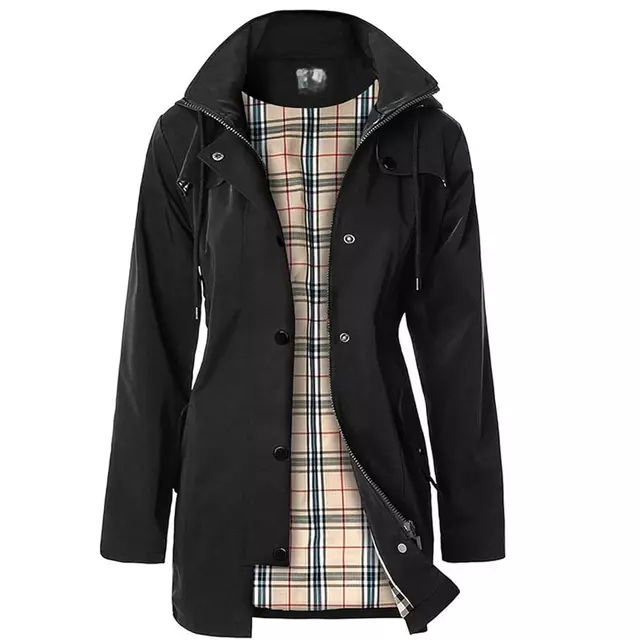
Many brands want to capture the charm of Coraline's raincoat without copying it directly. Here are some ideas to translate this into your own OEM raincoat range for both kids and adults.
- Use a signature bright color (yellow, red, cobalt blue) as the main raincoat shell.
- Offer 1–2 neutral raincoat options (navy, black, olive) for customers who prefer subtle looks.
- Use contrasting lining colors that coordinate with typical under‑raincoat layers shown in photos.
By repeating one or two key raincoat colors across your range, you build a strong brand identity similar to Coraline's unmistakable yellow raincoat.
Since we are also a rain umbrella manufacturer, coordinating the raincoat with umbrellas and boots creates a complete package:
- Child or adult raincoat + umbrella + boot sets for retail or online bundles
- Coraline‑inspired bright umbrellas with reflective details or playful prints
- Promotional campaigns built around “rainy day kits” featuring matching raincoat and umbrella designs
For lifestyle photos and videos, always show:
- How the raincoat sits over the outfit
- How the umbrella matches the raincoat color or trim
- How the entire rainwear system looks in motion and in wet conditions
To avoid a direct copy of Coraline while keeping the playful mood:
- Use star, raindrop, or cloud patterns inside the raincoat lining
- Add reflective prints and piping for safety in low‑light rainy conditions
- Offer limited‑edition printed raincoat designs for brands targeting children and young adults
With the right graphics, your raincoat can tell its own story while still echoing the charm of Coraline's look.
The Coraline question is not just for fans; it is a smart starting point for product planning and differentiation.
We can support you in creating:
- Children's raincoat collections inspired by storybook or animation aesthetics
- Lifestyle raincoat lines for adults with fashionable silhouettes and color blocking
- Coordinated raincoat + umbrella bundles for special promotions, back‑to‑school or holiday sales
Customization options include:
- Shell color, finish (matte, glossy, semi‑matte) and hardware color
- Printed or branded lining inside the raincoat for hidden storytelling
- Logo placement on chest, sleeve, back, pocket flaps or umbrella canopy
- Hangtag and packaging design that communicates how to layer under the raincoat
By explaining to end‑users what to wear under the raincoat, you increase satisfaction and reduce confusion about warmth and comfort.
Wholesalers often ask:
> “What will my customers wear under this raincoat? Will they find it too warm or too tight?”
To support you, we can:
- Recommend standard fits suitable for layering in your target climate
- Provide sample photos and videos showing different outfits under the raincoat
- Offer size grading optimized for your local markets and body types
- Develop unisex raincoat patterns that work across various demographics
By planning from the beginning for what goes under the raincoat, you make stocking decisions easier and reduce returns.
If you are building your brand website or social media presence, you can repurpose the “What does Coraline wear under her raincoat?” topic into multiple pieces of engaging content.
Potential blog or video themes:
- “Five Real‑Life Outfits to Wear Under a Yellow Raincoat”
- “How to Layer Under a Raincoat Without Overheating in Summer”
- “From Cartoon to Closet: Turning an Iconic Raincoat Into a Real Product Line”
- “What Our Customers Actually Wear Under Our Raincoats – Street Style Lookbook”
- “Raincoat vs. Winter Coat: When to Layer and When to Insulate”
Each post can include:
- Close‑ups of the raincoat fabric, lining and seams
- Detail shots showing how sweaters, shirts and hoodies sit under the raincoat
- Short try‑on videos demonstrating different ways to style the raincoat for school, work or travel
By consistently answering the question of what to wear under a raincoat, you position your brand as both stylish and practical.
So, what does Coraline wear under her raincoat?
In the film, it is usually a simple sweater, base layer and slim pants – a practical, comfortable combination that lets her move freely while the raincoat remains the star of the look. In the real world, this translates into a clear rule: a good raincoat must work as a protective outer shell over flexible layers rather than trying to do everything on its own.
For brands, wholesalers and manufacturers, thinking carefully about what customers wear under a raincoat is essential. It influences fabric choice, lining, pattern cutting, size charts and even how you photograph, film and market your raincoat. By designing and presenting raincoats with layering in mind, you can offer collections that are not only visually iconic but also truly functional for everyday use in every season.
As an experienced OEM factory specializing in raincoats and umbrellas, we help you turn these ideas into real, market‑ready products—whether you want a Coraline‑inspired children's raincoat, a minimalist urban raincoat line, or a full family rainwear collection with matching umbrellas and accessories.
Yes. Coraline's look is actually very realistic for mild to cool, rainy weather. A light sweater or pullover under a waterproof raincoat, combined with slim pants and rain boots, is a practical everyday outfit. In colder climates, you would simply add a warmer base layer or thicker mid‑layer under the raincoat.
For school days, children should wear comfortable, breathable layers under a raincoat. A cotton T‑shirt, a light sweater or sweatshirt, and regular pants or leggings are usually enough. The raincoat's job is to block wind and rain, so the clothing under the raincoat should focus on comfort and temperature, not waterproofing.
Brands can show layering options by using styled photos and short videos. For example, they can photograph the same raincoat over a T‑shirt, over a sweater and over a hoodie, and label each look for a specific season. Size guides can also explain how much space the raincoat allows for clothing underneath.
A bright yellow raincoat is practical for both adults and children. It increases visibility in rainy, low‑light conditions and creates a strong style statement. Many commuters and travelers prefer a colorful raincoat for safety and personality, while still wearing neutral outfits under the raincoat for balance.
When choosing a raincoat size for layering, consider the thickest garment you plan to wear under the raincoat, such as a hoodie or light puffer. Try on or measure over that garment if possible. The raincoat should close easily, allow you to raise your arms and sit comfortably, and not pull tightly across the shoulders or chest.


