
Language
Please Choose Your Language
Views: 222 Author: Amanda Publish Time: 2025-12-09 Origin: Site


Content Menu
● Understanding Raccoon Behavior Around Outdoor Tents
● Do Raccoons Really Attack Tents?
● Health Risks Raccoons Can Pose Near Your Outdoor Tent
● Why Food Storage Matters More Than Tent Strength
● Practical Camp Habits To Protect Your Outdoor Tent
● Choosing and Positioning Your Outdoor Tent
● Nightly Routine To Raccoon‑Proof Your Outdoor Tent
● How To Respond If Raccoons Approach Your Outdoor Tent
● Special Considerations for Families and Pets
● Tent Materials, Construction, and Wildlife Resistance
● Are Raccoons Attracted to Lights or Sounds Around an Outdoor Tent?
● Best Practices for Long‑Term or Repeated Camping in the Same Area
● FAQ
>> 1. Do raccoons bite through an outdoor tent wall?
>> 2. Is it safe to leave my backpack in the outdoor tent?
>> 3. Can raccoons open tent zippers on an outdoor tent?
>> 4. How far from my outdoor tent should I store food?
>> 5. What are signs that a raccoon near my outdoor tent might be sick?
Raccoons are clever, adaptable animals that thrive wherever humans provide garbage, food scraps, or unsecured supplies. Understanding what they want and how they behave at night is the key to protecting your outdoor tent and enjoying peaceful sleep in the woods.
Raccoons are primarily nocturnal, so most encounters around your outdoor tent happen after dark when human activity quiets down and campfires fade. They rely on an excellent sense of smell to locate leftovers in fire pits, crumbs on picnic tables, pet food bowls, and even small snacks forgotten in the pockets of clothing inside your outdoor tent.
These animals are opportunistic omnivores, not predators targeting humans. When raccoons paw at or sniff an outdoor tent, they are usually tracking the scent of food or toiletries, not trying to “attack” the tent or its occupants. As soon as they realize there is no reward, most raccoons move on to easier sources such as trash cans or open coolers.
The idea of raccoons attacking tents sounds dramatic, but in practice, true attacks are rare and usually linked to unusual circumstances like disease, extreme stress, or an animal being cornered. Most campers who report raccoon “attacks” are actually experiencing nuisance behavior: scratching, tugging at zippers, or chewing holes near areas where food scent is strong.
In the vast majority of camping situations, a raccoon will not tear deeply into an outdoor tent if there is no strong food odor inside. A tent with clean gear and no snacks is simply not worth the effort. Noise, movement, and light also discourage raccoons; banging a pot or flashing a bright headlamp toward them normally sends them running into the darkness.
Although raccoons rarely pose a direct attack threat, they can still create health risks around your campsite. Their droppings and urine may contain parasites or bacteria, and a small number of raccoons can be infected with viruses such as rabies in some regions. This is why campers should think not only about protecting the outdoor tent fabric, but also about minimizing direct contact with raccoons and their waste.
Never handle raccoon feces around your outdoor tent with bare hands. If you see droppings near your camping spot, avoid disturbing them, and consider moving your outdoor tent to a cleaner section of the campsite. Do not try to feed raccoons or lure them close for photos; habituated animals lose their natural fear of humans, which increases the risk of bites, scratches, and contamination of camp surfaces.
Many campers believe that a thicker, more rugged outdoor tent will solve wildlife problems, but with raccoons the real issue is food management. An expensive heavy‑duty outdoor tent filled with candy bars still smells like a buffet to a hungry raccoon. On the other hand, a basic outdoor tent surrounded by excellent food storage practices is far less attractive.
Think of every odor as a message. When you cook near the door of your outdoor tent, spill drinks on the ground, or store snacks under your sleeping bag, you send a message of opportunity to night‑time scavengers. Properly sealed containers, distance between your outdoor tent and food storage area, and a clean cooking zone transform that message into silence. In a quiet, low‑odor camp, raccoons may pass through but have little reason to experiment with your outdoor tent.
Good campsite habits quickly become second nature and dramatically reduce raccoon problems. Rather than relying on one trick, focus on building a routine that consistently keeps smells away from the sleeping area of your outdoor tent.
Helpful practices include:
- Store all human and pet food in hard containers, a vehicle, or lockers instead of inside your outdoor tent.
- Keep scented items like toothpaste, deodorant, and wet wipes in a separate stuff sack that stays outside the sleeping area of the outdoor tent.
- Clean dishes and cookware well away from your outdoor tent, and discard dishwater into designated areas instead of splashing it around the campsite.
- Wipe picnic tables and cooking surfaces after every meal so crumbs and grease do not lure raccoons toward your outdoor tent.
- Take out trash promptly; tying off a garbage bag and leaving it beside your outdoor tent is an open invitation to animals.
- Avoid feeding wildlife of any kind; feeding one squirrel or bird teaches raccoons and other animals that human camps are reliable food sources.
When every member of the group understands and follows these rules, your outdoor tent is less likely to experience any scratching, pawing, or midnight noise.
Design and placement of your outdoor tent also contributes to safety and comfort. While no tent can be guaranteed “raccoon‑proof,” some choices will make your shelter more resilient to curious animals.
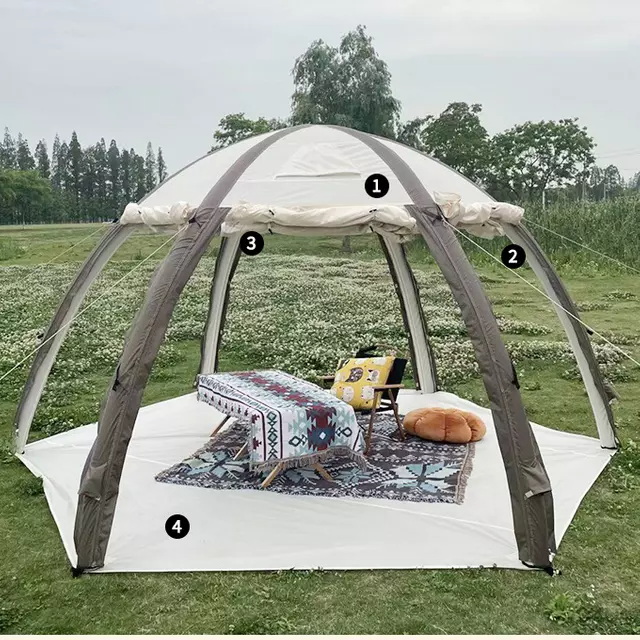
A well‑designed outdoor tent often includes features such as:
- Tough floor fabric and reinforced corners that resist abrasion if a raccoon investigates the base of the tent.
- Covered or “garage‑style” zippers with flaps that hide pulls, making it harder for nimble paws to tug them.
- Steep walls and taut rainfly panels that offer few loose folds for animals to grab and pull.
Position your outdoor tent upwind from the cooking area so smoke and food smells drift away instead of directly over your shelter. Maintain clear separation between your outdoor tent and your kitchen zone, ideally with a visible gap and a dedicated table or tarp where all food‑related activity happens.
A consistent bedtime checklist helps ensure that nothing is accidentally left in or around your outdoor tent that might attract raccoons. Going through this same set of steps each evening becomes a simple habit for the entire camping group.
A sample nightly routine:
1. Finish cooking and eating, then scrub pots, pans, and dishes at the designated wash area rather than right beside your outdoor tent.
2. Wipe down all cooking surfaces and pack stoves, utensils, and condiments into a bin or duffel that is stored away from your outdoor tent.
3. Transfer all food, snacks, and trash into a vehicle, metal locker, or sturdy container with a tight‑fitting lid.
4. Check pockets, backpacks, and daypacks for energy bars, candy, trail mix, or gum, and remove everything edible before you enter your outdoor tent.
5. Place toiletries and scented items in a separate bag that stays outside the outdoor tent or in the same secure storage with food.
6. Walk a quick loop around your site with a flashlight to confirm that no bags, wrappers, or cooking tools have been forgotten in the grass.
By the time you zip up your outdoor tent, the entire campsite should be clean, quiet, and uninteresting to any raccoon wandering through the area.
Even in a very tidy campsite, curious raccoons may draw near, especially in heavily used campgrounds where previous campers have been careless. Knowing how to respond keeps you calm and prevents minor visits from turning into serious problems.
If you hear rustling or scratching outside your outdoor tent, pause and listen to distinguish between wind, branches, and an animal moving around your gear. A raccoon may be investigating a cooler, a trash bag, or pots and pans before it reaches anything as close as your outdoor tent. Staying calm matters; sudden panicked movements and yelling can sometimes cause a cornered animal to feel threatened.
Inside the outdoor tent, you can:
- Speak in a firm, loud voice and clap your hands.
- Shine a bright flashlight or headlamp through the tent wall toward the sound.
- Avoid placing your hands or face right against the fabric where an animal is scratching.
If you are already outside the outdoor tent and see a raccoon nearby, stand tall, make noise, and give it a clear path to escape. Never chase, corner, or try to hit the animal. If a raccoon appears unusually bold, sick, or aggressive, keep your distance and report the situation to campground staff or local authorities rather than handling it yourself.
Families camping with children and pets must plan extra carefully to keep their outdoor tent and campsite safe from raccoon issues. Kids often stash snacks in pockets or sleeping bags, and pets may leave food bowls outside or bark loudly at any animal moving around the campsite at night.
Before bedtime, check children's clothing, backpacks, and sleeping areas for hidden treats or crumbs that might attract raccoons to the outdoor tent. Teach children not to run toward wildlife or try to feed raccoons just because they “look cute.” Instruct them to stay inside the outdoor tent if they wake up and hear noises outside, and to alert an adult rather than unzipping the door.
Pets should eat at set times, and any leftover food or bowls should be removed from the ground and stored well away from the outdoor tent. Keeping dogs on a leash or in a secure area prevents them from chasing raccoons and potentially provoking defensive behavior. At night, if possible, have pets sleep inside the outdoor tent or in a crate in a vehicle instead of outside where they may encounter wildlife.
While food management is critical, some campers still want to understand how materials and construction can improve the resilience of an outdoor tent in wildlife‑rich areas. Lightweight modern fabrics are not designed to withstand determined chewing or clawing from a strong animal, but certain design decisions can limit damage if a raccoon does investigate.
Heavier‑denier tent floors and lower wall panels resist tearing better than ultra‑light fabrics and are less likely to rip from a single claw swipe. Reinforced stitching around doorways and corners adds strength where stress concentrates, making it harder for small holes to spread across a large section of the outdoor tent wall.
Multiple zippers on doors and vestibules allow campers to position openings at elevated points that are harder for animals to reach. Vestibules themselves create a buffer zone, so if a raccoon noses at gear stored outside, it does not make direct contact with the sleeping chamber of the outdoor tent. Combined with good campsite hygiene, these design features give campers an extra layer of confidence.
Raccoons are curious and adaptable, so they sometimes explore areas with human noise and light, especially where they have learned to find food. However, bright, sudden light and sharp sounds are more likely to scare them off than to attract them. A headlamp beam or lantern shining directly toward a raccoon near your outdoor tent usually signals danger rather than opportunity.
That said, leaving consistent, soft lighting near your outdoor tent does not guarantee that raccoons will stay away. If the area smells like food, they may tolerate low‑level illumination to reach a reward. The best approach combines neutral or minimal scent around the outdoor tent with the ability to use sudden light and sound if an animal comes too close.
If you often camp in the same park, forest, or lakeside area, local raccoons quickly learn how each campsite is managed. Camps that consistently leave food out signal “easy meals,” while camps with clean routines, secure storage, and disciplined use of the outdoor tent signal “no reward.”
For frequent campers:
- Use the same high standards every trip so wildlife patterns do not shift toward your usual spot.
- Consider adopting bear‑style food storage such as canisters or cable hangs even when only raccoons are present.
- Teach all regular camping partners your outdoor tent rules and expectations so habits stay strong across seasons.
Over time, raccoons may learn that your favorite campsite rarely offers accessible food, reducing repeat visits and letting you enjoy your outdoor tent with minimal interruption.
Raccoons almost never attack people inside tents, but they are clever scavengers that constantly test campgrounds for the easiest possible food sources. The real risk to your outdoor tent is not deliberate aggression, but curious pawing, chewing, or scratching triggered by strong odors from snacks, trash, and scented items stored too close to where you sleep. By keeping food well away from your outdoor tent, maintaining a clean cooking zone, choosing a thoughtful campsite layout, and using a durable, well‑designed outdoor tent, you can transform your shelter into a low‑interest target that raccoons are likely to ignore. With these simple habits, most encounters become brief, harmless glimpses of wildlife instead of stressful midnight visits.

Raccoons can bite or claw through thin tent fabric if they are highly motivated by food scents, but such damage is uncommon when there is no food inside the outdoor tent. In most situations, raccoons that do not find a clear reward quickly give up and move on to easier sources like open trash or unprotected coolers.
Leaving an empty backpack in your outdoor tent is usually safe, but any snacks, energy bars, or strong‑smelling items stored in that backpack can attract raccoons. For best results, empty all food and scented products from your backpack at night and store them in secure containers, then keep the backpack itself inside the outdoor tent only if it is clean and odor‑free.
Raccoons have nimble front paws and can sometimes learn to pull simple zippers, especially when previous campers have left food just inside doorways. To make this harder, position zipper pulls high off the ground, clip them together, or cover them with flaps so a raccoon cannot easily grab them and work open the entrance to your outdoor tent.
A practical guideline is to keep food and trash at least several meters away from your outdoor tent, and preferably inside a vehicle, metal locker, or certified hard container. This distance dilutes odors around the tent and reduces the chance that a raccoon investigating your supplies will end up scratching or chewing near the walls of your outdoor tent.
Warning signs include unusual daytime activity, staggering movements, extreme or unprovoked aggression, and a complete lack of normal fear of humans or tents. If a raccoon near your outdoor tent behaves this way, avoid contact, keep children and pets away, and inform campground staff or local wildlife authorities rather than trying to scare or chase the animal yourself.


