
Language
Views: 11 Author: Site Editor Publish Time: 2025-10-12 Origin: Site


Carbon Fiber Umbrellas vs. Fiberglass Umbrellas: A Comparative Analysis for Lightweight Needs
Deciding between a carbon fiber vs. fiberglass umbrella? Our in-depth guide breaks down the strength, weight, cost, and durability to help you choose the perfect UV protection & lightweight umbrella.
In the world of high-quality umbrellas, the frame is its skeleton—the key to durability, stability, and a feather-light feel. For those seeking superior sun protection and portability, the choice often narrows down to two advanced materials: carbon fiber and fiberglass.
But which one is right for you? While both are excellent for creating lightweight UV protection umbrellas, they cater to different needs and budgets. This definitive guide will dive deep into the carbon fiber vs. fiberglass debate, comparing their strengths, weaknesses, and ideal applications to help you make an informed decision.
First, let's understand the fundamental composition:
Carbon Fiber: Primarily composed of carbon atoms. It's known for its exceptional strength-to-weight ratio and is a hallmark of luxury and high performance.
Fiberglass: Made from fine strands of glass drawn from a melt. It's renowned for its incredible flexibility and shock resistance.
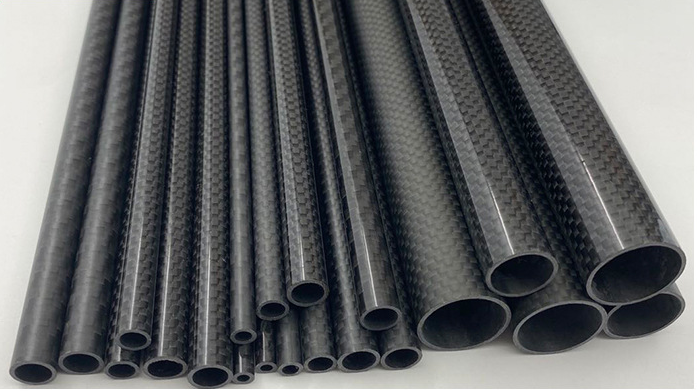
Carbon fiber is the material of choice for aerospace and supercars, and it brings that same high-tech pedigree to your umbrella.
Key Advantages:
Unmatched Strength & Stiffness: With a Young's Modulus over three times that of fiberglass, carbon fiber ribs are incredibly rigid. This provides superior stability, preventing the umbrella from wobbling or inverting in breezy conditions.
Extremely Lightweight: This is its standout feature. If minimizing the weight in your bag or hand is your top priority, carbon fiber is the undisputed champion. It offers the ultimate in portability without sacrificing strength.
Excellent Corrosion Resistance: Carbon fiber is highly resistant to moisture, salt, and rust, making it exceptionally durable for long-term use in humid or coastal climates.
Premium Aesthetic: The distinct woven pattern screams luxury, technology, and sophistication. It’s not just a tool; it’s a statement accessory.
Potential Drawbacks:
Higher Cost: The complex manufacturing process makes carbon fiber umbrellas a premium, investment-worthy product.
Controlled Flexibility: Its incredible stiffness means it handles force by resisting it. Under extreme, focused impact (like a sharp pinch), it can be more susceptible to cracking than bending.
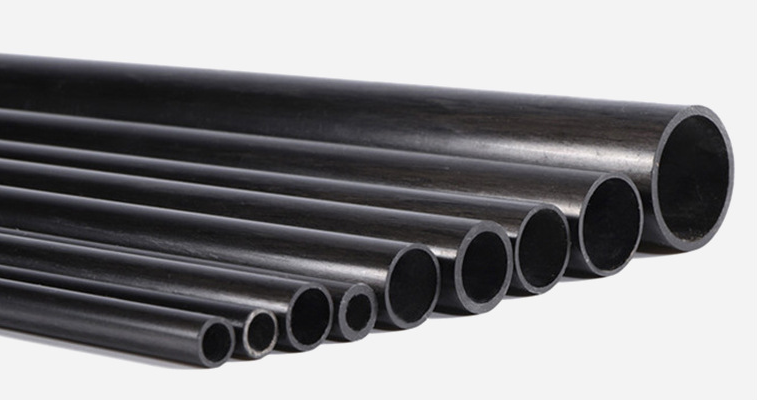
Fiberglass has been the gold standard for high-quality umbrellas for years, prized for its brilliant balance of performance and affordability.
Key Advantages:
Superior Flexibility & Wind Resistance: This is fiberglass's greatest strength. It is naturally elastic and can bend significantly without breaking. In strong, gusty winds, a fiberglass umbrella will flex and absorb the shock, often springing back into shape when a stiffer frame might fail. This makes it incredibly windproof.
Excellent Value for Money: Fiberglass offers outstanding performance and a very lightweight feel at a much more accessible price point than carbon fiber. It's the smart choice for the budget-conscious buyer who doesn't want to compromise on quality.
Proven Durability: The material and its use in umbrellas are time-tested. You are choosing a reliable, well-understood technology known for its day-in, day-out resilience.
Potential Drawbacks:
Slightly Heavier: While still very light, fiberglass is denser than carbon fiber, resulting in a marginally heavier umbrella.
Less "High-End" Perception: It is perceived as a practical and high-performance material, but it lacks the innate luxury cachet of carbon fiber.
| Feature | Carbon Fiber Umbrellas | Fiberglass Umbrellas |
|---|---|---|
| Primary Strength | Extreme Rigidity & Stiffness | Excellent Flexibility & Impact Resistance |
| Weight | Winner (Extremely Lightweight) | Very Lightweight |
| Wind Resistance | High (Resists force) | Very High (Absorbs and releases force) |
| Durability | High (Corrosion resistant) | High (Shock resistant) |
| Cost | Premium / High | Affordable / Mid-Range |
| Best For | Luxury seekers, ultimate portability | Everyday reliability, best value, windy areas |
The right choice depends entirely on your personal priorities and how you intend to use your custom umbrella.
Choose a Carbon Fiber Umbrella if:
You prioritize minimal weight above all else.
You value a premium, high-tech image and see your umbrella as a luxury accessory.
Your budget allows for an investment in top-tier materials and craftsmanship.
You need a stable, rigid frame that offers confident performance in daily breezes.
Choose a Fiberglass Umbrella if:
You need a reliable umbrella that can handle sudden gusts and strong winds.
You are looking for the best performance for your money.
You want a very lightweight and durable umbrella without the luxury price tag.
You prioritize proven, everyday reliability for commutes and travel.
Both carbon fiber and fiberglass are exceptional materials that elevate an umbrella from a simple accessory to a engineered tool for comfort and protection. By understanding their differences, you can select the perfect companion for rain or shine.


