
Language
Please Choose Your Language
Views: 222 Author: Amanda Publish Time: 2025-12-04 Origin: Site


Content Menu
● What "Waterproof" Really Means
● Main Materials Used in a Beach Umbrella
● Coatings, Treatments and Hydrostatic Head
● UV Protection vs. Waterproofing in Beach Umbrellas
● When Can a Beach Umbrella Replace a Rain Umbrella?
● Design Features That Improve Water Resistance
● Safety, Anchoring and Weather Exposure
● OEM Perspective: How to Specify a "Waterproof" Beach Umbrella
● How Consumers Can Maintain a Water‑Resistant Beach Umbrella
● FAQ
>> 1. Are all beach umbrellas waterproof?
>> 2. What fabric is best for a waterproof Beach Umbrella?
>> 3. Does UPF 50+ mean a Beach Umbrella is waterproof?
>> 4. How can I tell if my Beach Umbrella needs reproofing?
>> 5. Can I leave a Beach Umbrella outside in the rain?
>> 6. What anchoring system is safest when it's windy and rainy?
>> 7. How often should I replace my Beach Umbrella?
>> 8. Can I apply my own waterproof spray to a Beach Umbrella?
>> 9. Is a heavier Beach Umbrella always better in the rain?
>> 10. What size Beach Umbrella is ideal for both sun and occasional rain?
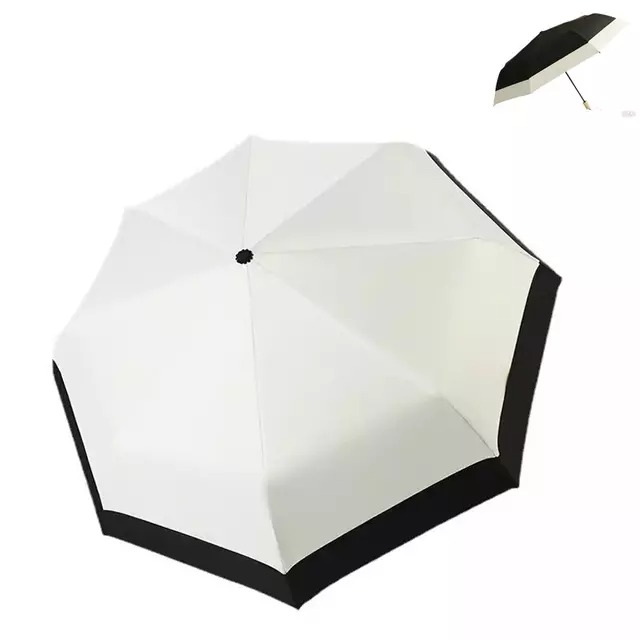
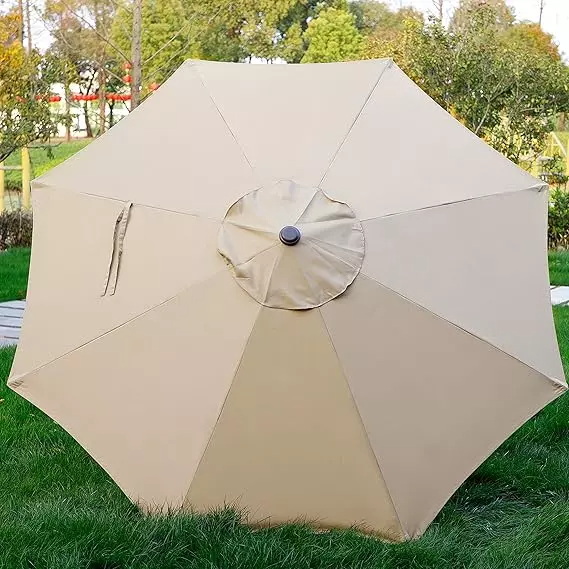
A typical Beach Umbrella canopy is made from polyester, nylon, acrylic, olefin or treated canvas, often combined with special coatings that help the fabric repel water. These canopies are engineered so that rain beads on the surface and rolls off, but under sustained or intense rain, water will eventually push through seams, vents or untreated fibers.[11][12][13][14][2]
For OEM buyers, it is more accurate to promote a Beach Umbrella as "water‑resistant" or "water‑repellent" instead of promising full waterproof performance. Clear positioning reduces after‑sales complaints and helps distributors set the right expectations for their retail customers.[9][13][14][2]
"Waterproof" is a technical term: a waterproof fabric can resist water penetration under pressure, commonly measured with a hydrostatic head test in millimeters. A rating around 1,000 mm or more is often considered waterproof for light use, while higher ratings are required for tents or high‑performance outdoor gear.[13][14][2]
"Water‑resistant" or "water‑repellent" beach umbrella fabrics usually have much lower hydrostatic head ratings, but they are more than adequate for short showers and beach conditions. For most consumers, a Beach Umbrella that keeps them dry during a quick rain cloud is enough, as long as it also blocks strong UV radiation.[10][14][2][13]
The choice of canopy fabric determines both water behavior and long‑term performance of a Beach Umbrella.[12][15][11]
- Polyester: The most common Beach Umbrella fabric, valued for its balance of strength, price and ease of coating. With PU or silver coatings, polyester canopies resist water, resist fading and deliver UPF 30–50+.[2][10][11][12]
- Nylon: Lightweight and fast‑drying, nylon Beach Umbrella fabrics accept water‑repellent and UV coatings well but can stretch more under load.[11][2]
- Acrylic: Solution‑dyed acrylic provides premium colorfastness, strong UV protection and good natural water repellency, making it a high‑end Beach Umbrella choice.[6][15][12]
- Olefin (polypropylene): Olefin Beach Umbrella fabric offers good UV resistance, low moisture absorption and resistance to stains and mildew at a competitive cost.[5][15][16]
- Canvas (cotton or blends): Traditional canvas can give a Beach Umbrella a classic look and comfortable feel, and when treated, it can be both UV‑resistant and water‑repellent.[16][2][11]
The frame materials—such as aluminum, fiberglass, steel or marine‑grade stainless—do not directly affect waterproofing but do determine corrosion resistance and durability in salty, humid environments. Combining a water‑resistant canopy with rust‑resistant components creates a Beach Umbrella that performs well in both sun and rain.[7][5][6]
Coatings are the key reason a Beach Umbrella sheds water instead of instantly soaking.[12][2][11]
Common treatments include:
- PU (polyurethane) coating: Adds a thin, flexible film on the underside or topside of the Beach Umbrella fabric, boosting water resistance and helping increase UPF rating.[10][2][11]
- Silver or reflective coating: Often applied to the underside of a Beach Umbrella canopy, this layer reflects UV and heat and can slightly improve water repellency.[17][2][10]
- PVC or other laminations: Create a nearly waterproof surface for a Beach Umbrella, but reduce breathability and can make the canopy feel heavier and hotter.[16][2][11]
- Durable water‑repellent (DWR) finishes: Help water bead off the Beach Umbrella canopy; over time these finishes wear off and may need maintenance.[15][11]
Hydrostatic head testing evaluates how much water pressure a fabric can withstand before leaking; some Beach Umbrella brands publish these ratings when they want to highlight waterproof performance. In many mainstream beach umbrellas, the hydrostatic head is sufficient for showers, but not comparable to a fully waterproof tent or tarp.[14][2]
Most customers buy a Beach Umbrella for shade and skin protection first, and rain performance second. UPF (Ultraviolet Protection Factor) measures how much UV radiation a fabric blocks; UPF 40–50+ is considered "excellent" and may block over 97% of UV rays.[18][19][17][2][10]
Beach Umbrella fabrics with high UPF usually use:
- Tight weaves (e.g., 190T or higher polyester) combined with UV‑absorbing or reflecting coatings.[20][10][11]
- Solution‑dyed acrylic or olefin fibers, where color and UV stabilizers are built into the yarn itself.[6][15][16]
Because these treatments and fiber types also reduce porosity, there is often a natural synergy: a Beach Umbrella that blocks UV well tends to repel water better than a thin, untreated fabric. However, UV rating and waterproof rating are independent, so OEM descriptions should clarify that UPF 50+ does not automatically mean the Beach Umbrella is fully waterproof.[19][21][2][10][12]
In practical use, a Beach Umbrella can serve as a temporary rain shelter when a light shower passes over the beach. Under gentle rainfall, a water‑resistant Beach Umbrella canopy will bead droplets and direct them away from users sitting underneath.[2][11][12]
However, there are important limits:
- Design geometry: A Beach Umbrella is wide and shallow, which is perfect for shade, but exposes more surface area to wind‑driven rain compared with a compact rain umbrella.[22][10]
- Vents and seams: Wind vents, tilt joints and unsealed seams give rain additional points of entry in stronger downpours.[14][22][11]
- Wind load: In heavy rain, beaches often see strong gusts, and safety standards now emphasize secure anchoring to prevent beach umbrellas from becoming airborne.[1][4]
So, a Beach Umbrella is a good backup for short, mild showers, but is not a replacement for dedicated, fully waterproof rain gear.[9][14][2]
Smart engineering can significantly improve the real‑world water performance of a Beach Umbrella.[7][11][2]
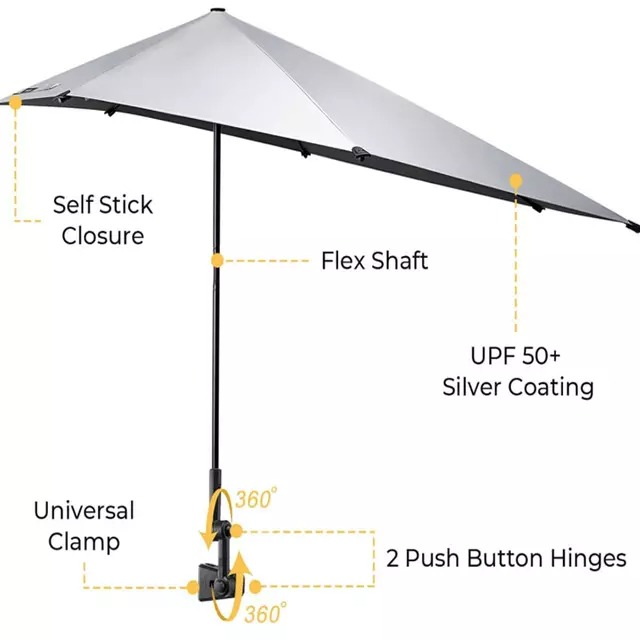
- Double‑layer canopy with vent: This design lets wind escape while keeping most rain out, reducing the risk of the Beach Umbrella flipping while still shedding water effectively.[3][7][10]
- Tensioned canopy: A taut Beach Umbrella canopy helps water run to the edges instead of pooling in fabric pockets where leaks are more likely.[23][11][2]
- Quality stitching and binding: Reinforced stitching, UV‑resistant thread and well‑finished hems reduce weak spots where water can slowly penetrate the Beach Umbrella fabric.[5][6][2]
- Rust‑resistant components: Fiberglass ribs, aluminum or stainless steel poles and corrosion‑resistant hardware ensure that water exposure does not quickly damage the Beach Umbrella structure.[1][5][7]
For OEM projects, specifying these details in the technical drawings and BOM (Bill of Materials) helps create Beach Umbrella models that stand out in both durability and weather performance.[5][6][2]
Waterproofing is only part of the story; a safe Beach Umbrella must also remain anchored when rain and wind arrive together. New standards describe minimum holding force for anchors and recommend designs that resist typical beach wind speeds around 30 mph.[4][1]
Effective anchoring systems for a Beach Umbrella include:
- Sand screw or auger anchors that twist deep into the sand.
- Finned sand poles that increase surface contact and resistance.[1][5]
- Weighted bases with sand or water for use on decks, patios or hard surfaces.[8][2]
Combining a water‑resistant canopy with robust anchoring allows a Beach Umbrella to stay stable during sudden, gusty showers on the coast.[7][1]
If your brand or buyers specifically request a more waterproof Beach Umbrella, several technical options are available.[11][16][2]
Key specification points:
- Fabric selection: Choose heavy‑duty polyester, solution‑dyed acrylic or coated canvas for premium Beach Umbrella projects.[6][12][11]
- Coating level: Define PU or PVC coating weight and hydrostatic head target (e.g., "≥ 1,000 mm") in your Beach Umbrella specification sheet.[14][2]
- Seam construction: Request overlapped seams, high‑quality thread and optional seam‑sealing in areas where water pooling may occur.[2][14]
- Testing protocol: Add lab testing or in‑house spray tests to confirm that the Beach Umbrella meets your brand's "waterproof" marketing claim.[14][2]
By aligning fabric, coatings and testing, an OEM manufacturer can confidently supply Beach Umbrella models that meet stricter waterproof expectations for resorts, rental businesses or high‑end retail lines.[6][2]
User care strongly affects how "waterproof" a Beach Umbrella feels after months or years of use.[15][12][11]
Recommended habits:
- Rinse and dry: After a rainy or salty day, rinse the Beach Umbrella fabric with fresh water and let it fully dry open before packing.[12][15][11]
- Avoid storage while wet: Storing a damp Beach Umbrella in the carry bag encourages mold and mildew, which can damage coatings and stain the fabric.[11][12]
- Gentle cleaning: Use mild soap and a soft brush instead of harsh chemicals that could strip DWR finishes from the Beach Umbrella canopy.[15][12]
- Shade storage: When not in use, keep the Beach Umbrella away from long‑term direct sun to slow fading and micro‑cracking of the coatings.[12][15]
For OEM partners, including a simple printed care label or hang tag on each Beach Umbrella helps end‑users preserve water resistance and extend product life.[2][6]
Beach umbrellas are generally engineered to be water‑resistant rather than fully waterproof, offering comfortable protection from light rain and sea spray while focusing primarily on shade and UV safety. By choosing the right fabrics, coatings, seam constructions and anchoring systems, OEM manufacturers can create Beach Umbrella lines that balance strong sun protection, practical rain performance and long‑term durability for global markets.[9][10][16][11][2]
No, most beach umbrellas are water‑resistant, designed to handle light showers and splashes but not continuous heavy rain. Only specially coated or laminated models with well‑sealed seams can be described as truly waterproof, and even these have limits in extreme weather.[13][16][9][11][14][2]
For a more waterproof Beach Umbrella, brands often select polyester or canvas with strong PU/PVC coatings, or premium solution‑dyed acrylic and olefin fabrics. These materials combine low water absorption, high UV resistance and strong colorfastness, making them suitable for high‑end Beach Umbrella projects.[16][15][6][11][12]
UPF 50+ only measures how effectively a Beach Umbrella blocks ultraviolet radiation, not how well it blocks water. While many high‑UPF canopies also have coatings that improve water repellency, waterproof and UV ratings are separate specifications and should be described clearly in product details.[21][18][19][10][2]
If water no longer beads on the canopy and instead quickly soaks or darkens the fabric under light rain, the water‑repellent finish has likely worn down. Visible mildew, chalky texture or heavy fading on the Beach Umbrella fabric are additional signs that reproofing or replacement may be needed.[15][11][12][2]
Occasional rain will not normally damage a quality Beach Umbrella, but long periods of dampness increase the risk of mildew, fading and coating degradation. It is best to close, dry and store the Beach Umbrella after wet weather, especially for OEM‑grade models intended to last for several seasons.[11][12][15][2]
In windy, rainy conditions, a Beach Umbrella should use a secure sand screw, finned sand pole or heavy base that meets or exceeds recommended holding force guidelines. Proper anchoring helps prevent the Beach Umbrella from tipping or becoming airborne, improving safety for users and people nearby.[4][1]
Replacement frequency depends on fabric quality, UV exposure and care, but lower‑end Beach Umbrella models may last only a couple of seasons under intense sun and salt. Premium umbrellas using solution‑dyed acrylics, marine‑grade hardware and strong coatings can last many years when folded, dried and stored correctly.[22][10][5][6][15][2]
Many users successfully extend water resistance by applying aftermarket waterproofing sprays that are compatible with polyester, nylon or canvas Beach Umbrella fabrics. It is important to follow product instructions and test on a small area first to avoid discoloration or damage to UV coatings.[15][2]
A heavier Beach Umbrella may feel more stable, but actual performance depends more on anchoring design, frame quality and canopy engineering than on weight alone. Lightweight Beach Umbrella models with good anchors, vents and coated fabrics can still perform very well in breezy, rainy conditions.[1][7][5]
For one or two people, a Beach Umbrella canopy around 160–220 cm (6–7.5 ft) offers a good balance of coverage, stability and portability. Larger umbrellas give more shade and rain protection but demand stronger frames and anchoring systems to remain safe in wind.[7][1][5][6][2]
[1](https://beachbub.com/blogs/news/astm-f3681-overview-new-beach-umbrella-safety-standard)
[2](https://www.ammsun.com)
[3](https://uv-blocker.com/pages/uv-blocker-beach-umbrella-dimensions)
[4](https://www.sgs.com/en/news/2025/07/safeguards-10225-astm-publishes-revised-standard-consumer-safety-specification-for-beach-umbrellas-and-anchor-devices)
[5](https://www.finbrella.com/product-range/f-models/f-160)
[6](https://beachbyfrankford.com/products/the-classic-frankford)
[7](https://www.patiowell.com/blogs/tips-how-tos/best-beach-umbrella-for-wind)
[8](https://www.shadeusa.com/product-category/beach-umbrellas/)
[9](https://www.brumbrellas.com/what-is-the-difference-between-a-beach-cabana-umbrella-and-a-beach-umbrella/)
[10](https://topumbrella.com/info/156)
[11](https://www.ammsun.com/blogs/news/which-material-is-best-for-beach-umbrellas)
[12](https://purpleleafshop.com/blogs/news/outdoor-patio-umbrella-fabrics-guide)
[13](https://westernrise.com/blogs/journal/water-resistant-vs-waterproof-whats-the-difference)
[14](https://help.sierradesigns.com/support/solutions/articles/9000208688-what-is-the-difference-in-waterproof-and-water-repellent-resistant-)
[15](https://revolutionfabrics.com/blogs/gotcha-covered/what-is-the-best-outdoor-fabric-for-umbrellas)
[16](https://www.ammsun.com/blogs/news/what-is-the-best-fabric-for-outdoor-umbrellas)
[17](https://handybeachgoods.com/blogs/beach-guides/uv-protection-beach-umbrella-guide)
[18](https://beachbrella.com/differencesbetweenspfandupf/)
[19](https://www.solbari.com/blogs/solbari-blog/upf-50-clothing-explained)
[20](https://pmc.ncbi.nlm.nih.gov/articles/PMC11548795/)
[21](https://www.ammsun.com/blogs/news/beachumbrella)
[22](https://www.nytimes.com/wirecutter/reviews/best-beach-umbrella-is-not-an-umbrella/)
[23](https://www.reddit.com/r/explainlikeimfive/comments/4dnwaf/eli5why_are_umbrellas_made_of_fabricky_material/)


