
Language
Please Choose Your Language
Views: 222 Author: Amanda Publish Time: 2025-11-16 Origin: Site


Content Menu
● The Structure: Engineering for Strength
● Durability Starts with Materials
● Wind Resistance: The Ultimate Test
● Daily Use: Why Long Umbrellas Excel
● Brand Value: OEM Customization and Longevity
● Maintenance: Keeping It in Top Shape
● Innovations in Long Umbrella Design
● Environmental Considerations
● Frequently Asked Questions (FAQ)
>> What makes a long umbrella more durable than a compact umbrella?
>> Can long umbrellas withstand strong winds?
>> Are long umbrellas suitable for daily commuting and professional use?
>> Is weight a problem for long umbrellas?
>> How should I care for my long umbrella for maximum longevity?
Long umbrellas are a staple in the world of weather protection—favored not only by daily commuters but by OEM brands, wholesalers, and discerning manufacturers who prize reliability and longevity. This article provides an in-depth exploration into why long umbrellas stand apart from their compact counterparts when it comes to durability, providing insights from engineering, field use, and industry expertise. Every section is crafted to help you understand what makes a long umbrella a lasting investment—whether you're a consumer or an umbrella manufacturer eyeing premium OEM offerings.
Long umbrellas, often referred to as stick umbrellas, boast a structurally superior design. They feature a single, continuous shaft made from materials like fiberglass, steel, or wood. This design choice reduces weak points compared to folding umbrellas which rely on multiple joints and hinged segments. The join-free structure of a long umbrella means it can better withstand stress and repeated use, a critical factor in environments with unpredictable or harsh weather.[5][6]
The canopy—the umbrella's protective upper covering—is typically made from high-performing fabrics such as pongee polyester, Outtra™, or Sunbrella, which resist both water and UV damage. The ribs (the skeleton supporting the canopy) are usually made from fiberglass, aluminum, or stainless steel, each rigorously engineered to provide flexibility and strength without undue weight. High-quality rib construction ensures that the umbrella remains resilient, even in strong wind gusts.[7][8]
The backbone of any durable umbrella is the material selection. OEM brands and manufacturers prioritize stainless steel and fiberglass for ribs and shafts, as these materials offer exceptional resistance to bending, snapping, and corrosion. Compared to the lighter aluminum found in many compact umbrellas, fiberglass and steel not only hold up against repeated use but also perform impressively under stress, significantly extending the umbrella's lifespan.[5][7]
Canopy fabric is equally important. Performance textiles like pongee, Sunbrella, and Tempotest provide excellent waterproofing, UV protection, and long-term fade resistance. Such premium materials maintain vibrant colors and structural integrity even after years of regular exposure to rain and sunlight, making them ideal for brand customization and promotional OEM products.[8]
Long umbrellas outperform compact models in wind resistance. Their larger, more robust frames, combined with high-quality ribs and well-tensioned canopies, allow them to weather strong gusts without inverting or breaking. Some premium long umbrellas undergo rigorous wind tunnel testing, with models like the Antibourrasque and Sport rated to resist wind speeds of up to 155 km/h—far beyond the average conditions most users will encounter.[6][7]
Notably, wind resistance is not just a matter of size but design. The number and placement of ribs, the tension of the canopy, and the absence of folding joints collectively contribute to the reliability of long umbrellas under severe weather. Advancements in engineering—from reinforced attachment points to weighted tips—help ensure the umbrella stays upright and functional in diverse climates.
For those who rely on umbrellas daily—whether for personal use, corporate branding, or wholesale distribution—long umbrellas consistently deliver superior durability. Their sturdy construction means they can endure frequent open-and-close cycles, accidental drops, and crowded transportation systems without significant wear. In professional settings, such as golf courses or city commutes, long umbrellas provide reliable shelter for years, becoming a trusted accessory and a showcase for OEM customizations.[3][5]
Portability may be a concern for some, but advances in materials have reduced the weight and bulk of long umbrellas. Today's models balance size with ergonomic handles, lightweight ribs, and sleek profiles, so carrying a long umbrella is no longer a burden. The added comfort, coverage, and reliability often outweigh the slight inconvenience of size—and for those needing all-weather protection, durability wins every time.
For umbrella manufacturers and brand owners, the large canopy of a long umbrella presents valuable real estate for logos, patterns, and promotional designs. The durability of long umbrellas means your branding stays visible and pristine, even after years of use—a key consideration for OEM clients serving international markets. High-quality craftsmanship not only satisfies end users but boosts brand reputation for reliability, leading to repeat business and stronger market positioning.
OEM offerings benefit from extensive customization options, from canopy fabric innovations to tailored handles and reinforced frame structures. When your product is a long umbrella built for durability, it becomes a walking advertisement for brand excellence.
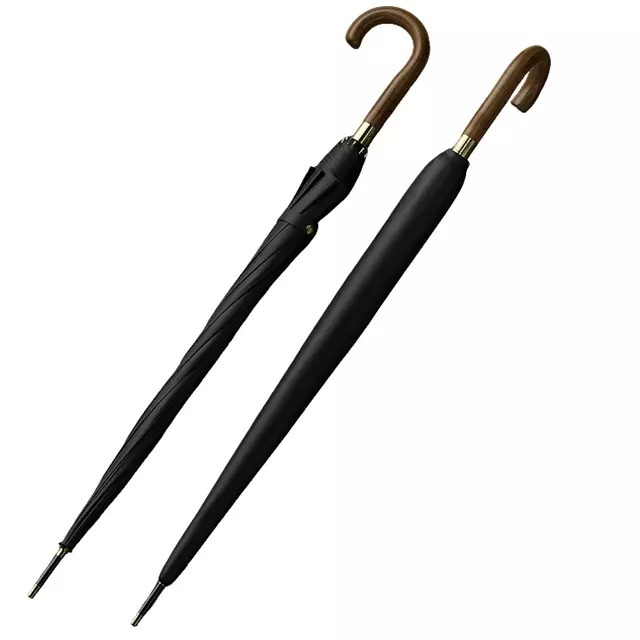
Maximizing the lifespan of a long umbrella involves simple but crucial steps:
- Clean regularly: Use mild soap and water to keep the canopy fresh and mold-free.[10]
- Dry thoroughly: Always leave the umbrella open until it dries, preventing rust and mildew.
- Store properly: Use protective sleeves to shield the canopy and tips during storage or transit.[10]
- Inspect frequently: Check ribs, handles, and canopy for signs of wear to prevent minor issues from becoming major failures.
Well-maintained long umbrellas can last for years, outliving cheaper, compact alternatives and reducing long-term costs—a compelling argument for everyone from casual users to OEM manufacturers.
Modern long umbrellas continue to evolve with consumer needs and technological advances. Features now include wind-vented canopies (with small slits allowing wind to pass through), ergonomic handles tailored for comfort, and ultra-lightweight rib designs using composite materials. Some premium models integrate LED lighting in the ribs or use recyclable fabrics, enhancing both function and sustainability.[7][8]
The edge in durability comes not just from tradition, but the ongoing commitment of umbrella designers to test and improve their products for the realities of frequent use and inclement weather.
Long umbrellas contribute positively to sustainability. Their extended lifespan means fewer replacement purchases and less waste, compared to compact umbrellas that often fail after a single season. Manufacturers are increasingly offering repair services and recyclable components, further minimizing environmental impact and aligning with global goals for responsible production.
Long umbrellas embody the best traditions and technological innovations in rain protection. Their outstanding durability, wind resistance, engineering, and material quality make them the unrivaled choice for both consumers and OEM brands seeking reliable, long-lasting performance. When investing in an umbrella—whether for personal use, wholesale, or brand promotion—a long umbrella guarantees less hassle, greater protection, and enduring value.
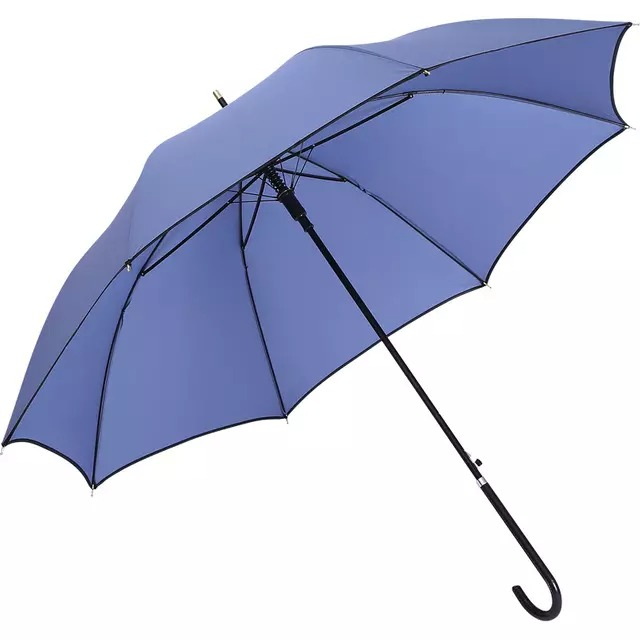
Long umbrellas use a single-piece shaft and reinforced ribs, minimizing weak points and providing much greater wind resistance. High-quality materials like fiberglass, stainless steel, and specialized performance fabrics are engineered to withstand frequent use and inclement weather far better than those found in portable models.[6][5][7]
Yes, quality long umbrellas are designed to withstand powerful gusts, with some tested for wind resistance up to 155 km/h. Their robust construction, reinforced attachment points, and flexible ribs prevent inversion and breakage in severe weather.[6][7]
Absolutely. Their reliable construction ensures years of protection even with daily use. Advances in ergonomic design and lighter materials have made modern long umbrellas more comfortable to carry and use throughout the workday, making them a preferred choice for commuters, event staff, and corporate gifting.[8][10]
Not anymore. With the latest materials like fiberglass and lightweight aluminum, the additional bulk is minimal compared to the durability gained. Most users find the increase in protection and lifespan outweighs the modest rise in weight.[8]
Dry your umbrella thoroughly before storing, clean with mild soap to prevent mildew, inspect for wear periodically, and store in a protective sleeve. With regular attention, your long umbrella can last many years without losing performance.[7][10]
[1](https://www.nytimes.com/wirecutter/reviews/best-umbrella/)
[2](https://www.outdoorgearlab.com/topics/camping-and-hiking/best-umbrella)
[3](https://www.reddit.com/r/BuyItForLife/comments/xeuka9/do_durable_umbrellas_exist_tube_vs_solid_stick/)
[4](https://www.consumerreports.org/apparel-accessories/best-umbrellas-a5725351696/)
[5](https://insights.made-in-china.com/Durability-Vs-Portability-Vs-Style-How-Are-They-Different-in-Choosing-the-Perfect-Umbrella_hTHtvjSGbJis.html)
[6](https://parapluiedecherbourg.com/en/all-about-the-characteristics-of-umbrellas/)
[7](https://www.midtownumbrellas.com/pages/compare)
[8](https://authenteak.com/blog/best-patio-umbrellas/-/1560323/)
[9](https://www.cnn.com/cnn-underscored/reviews/best-umbrellas)
[10](https://fiberliteumbrellas.com/umbrella-questions/)


