
Language
Please Choose Your Language


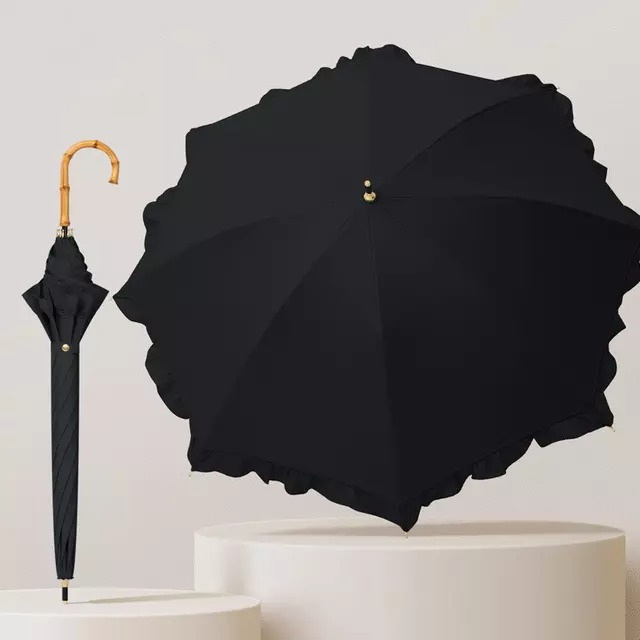
Content Menu
● Understanding UV Radiation and Sun Protection
>> What Makes a Parasole UV-Protective?
>> Fabric Features for Sun Safety
>> Difference Between Regular Umbrellas and UV Parasole
● Parasole vs. Sunscreen: Synergy or Substitute?
● OEM Manufacturing: Customizing Parasole for Brands
● Real-World Benefits of Parasole
● Key Features to Look for in Parasole
● Expanding the Use of Parasole
● Trends and Innovations in Parasole
● FAQ
>> 1. How effective are parasole for UV protection?
>> 2. Should parasole fully replace sunscreen?
>> 3. What does a UPF rating mean on a parasole?
>> 4. Are darker parasole better at blocking UV?
>> 5. Can I use a parasole in light rain as well as sun?
Parasols—also known as "parasole"—have evolved from decorative accessories into vital tools for outdoor sun protection. In today's world, the growing concern over ultraviolet (UV) exposure and its health risks has made quality parasole a preferred choice for comfort, wellness, and even branding. This in-depth guide explores the science of parasole UV protection, manufacturing insights, fabric standards, practical use, and trends in OEM parasole for business and personal needs.
Ultraviolet rays from the sun are responsible for skin aging, sunburns, and skin cancer. UV rays are classified into UVA (causes aging), UVB (causes burns), and UVC (mostly blocked by the ozone layer). Effective sun protection aims at blocking both UVA and UVB rays for comprehensive coverage.[7][8]
A parasole becomes UV-protective through specialized materials and construction. Most modern parasole feature tightly-woven fabrics—often polyester or canvas—embedded or coated with UV inhibitors. The pivotal measure here is Ultraviolet Protection Factor (UPF). A UPF rating quantifies how much UV radiation is absorbed or blocked:[2][5][6]
- UPF 50+ blocks more than 98% of UV rays, which means only 1/50th of the rays reach your skin.[1][3][5][7]
- Top-tier standards like UV Standard 801 require testing fabrics in real-world conditions, ensuring high protection even after wear and washing.[3]
In comparison, most sunscreens rely on SPF (Sun Protection Factor), which technically only describes UVB shielding. Parasole, with high UPF, cover both UVA and UVB rays.[7]
A parasole offers immediate shade and a cool microenvironment, intercepting both direct sunlight and diffuse rays. Its overhead canopy blocks the majority of incident sun, significantly reducing your UV exposure and the sensation of heat. The difference beneath a high-quality parasole can be dramatic—up to 15°C cooler than fully exposed areas.[9]
- Tight Weave: Denser fabrics block more rays; loose weaves let UV through.[6][2]
- Color: Dark colors (black, navy, charcoal) tend to absorb and deflect more UV than light colors.[10]
- Special Coatings: Silver, titanium dioxide, or carbon coatings further enhance UV protection.[5]
- Water Resistance: Many parasole resist light rain but are tailored primarily for sun, not storms.[6]
Regular umbrellas may shield from light and rain but often use fabrics that allow significant UV penetration. UV parasole utilize tested, certified materials designed to meet or exceed UPF 50+ protection standards.[6][7]
While sunscreens remain crucial for exposed skin, parasole are uniquely suited for non-chemical, instant, and long-lasting protection.
- Coverage: Parasole shade the face, neck, arms, and shoulders, reducing direct sun exposure.
- Zero Reapplication: Parasole don't fade or wash off like sunscreen. They're always effective as long as the canopy maintains its integrity.[1][5][7]
- Best Practices: Dermatologists recommend combining both—parasole for large-area shielding and sunscreen for parts outside the shade or near reflective surfaces like sand or water.[5][7]
OEM parasole manufacturing allows companies to fully customize sun umbrella products for any market:
- Fabric Choice: UV-resistant polyester or canvas, UPF 50+ certified materials.[2][3]
- Design: Custom sizes, shapes (cantilevered, folding, beach, garden), and handle ergonomics.
- Branding: Logos, colors, trims, and graphics tailored to client specifications.
- Certifications: UV Standard 801, REACH, and other international safety standards are available, increasing market appeal.[3]
- Durability: Double-stitched seams, corrosion-resistant frames, and fade-proof dyes for longer product lifespan.
For business clients (brands, wholesalers, manufacturers), partnering with a dependable OEM supplier ensures product integrity, safety, and scalable customization options for expanding market demand.
- Health: Key for reducing UV exposure, which lowers the risk of sunburn, aging, and skin cancers.[5][7]
- Comfort: Cooler microclimate under the canopy, with reduced glare and eye strain.[11][9]
- Style: Modern parasole are available in a range of fashionable prints, colors, and compact travel-friendly designs.
- Environment: Chemical-free protection, reusable season after season—contributing to greener lifestyles.
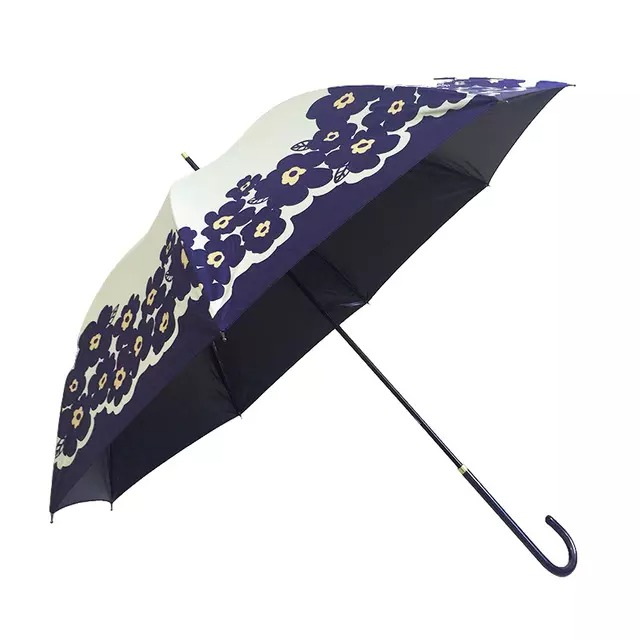
- UPF Certification: Look for a visible UPF tag (preferably 50+), especially with certification from standards like UV Standard 801.[3][7]
- Canopy Size: A broader canopy provides a larger shaded zone, protecting more of your body at once.
- Wind Resistance: Reinforced ribs and vented tops help parasole withstand summer breezes.
- Portability: Foldable or telescopic handles make them easy to carry on trips, to the beach, or in urban settings.
- Easy Mechanisms: Push-button openers and ergonomic grips add convenience to daily use.[6]
Modern parasole go far beyond personal accessories:
- Outdoor Venues: Restaurants, cafes, and hotels use large parasole to shade guests and create inviting, safe environments—especially in sunny climates.
- Events: Weddings, garden parties, and festivals often provide customized logo parasole for comfort and brand presence.
- Travel: Popular in markets across Asia, Europe, and now North America, for strolling, sightseeing, and recreational activities.[4][12]
Users are increasingly adopting parasole year-round:
- Sunny Winters: High-elevation winter sun can be intense—parasole offer added protection during outdoor activities.
- Cloudy Days: Up to 80% of UV radiation can penetrate clouds, so parasole remain valuable even on overcast days.[7][5]
- Always align the canopy between you and the sun, especially during peak hours (10am-4pm).
- For active use, pair with wide-brim hats, sunglasses, and sun sleeves for uncovered limbs.
- Store parasole in cool, dry places to preserve UPF coatings.
New advances continue to position parasole as lifestyle essentials:
- Eco-Friendly Materials: Recycled fabrics and biodegradable coatings cater to green-minded consumers.
- Integrated Technology: Some OEM models now feature UV sensors, cooling gel layers, or solar-charging attachments for mobile devices.
- Personalization: Rapid digital printing allows unique graphics and branding on smaller production runs for limited editions or bespoke products.[13]
When purchasing a parasole:
- Verify the UPF rating and check for international UV standards like UV Standard 801 for reliable, lasting performance.[3][6]
- Choose darker or lined canopies for best protection, particularly in bright, intense sun regions.[10]
- Evaluate the opening mechanism, grip comfort, and stow-ability for your daily routine.
- For businesses, ensure your OEM partner can provide consistent quality, branding options, and compliance with health and safety regulations.
Parasole (sun parasols) are versatile, effective, and fashionable solutions for UV protection in today's sun-conscious world. When made with certified UV-blocking fabrics and designed with user comfort and modern styles in mind, they deliver immediate and substantial defense against harmful ultraviolet rays. For both personal use and as a product sold by OEM manufacturers to brands worldwide, the parasole stands out as a natural, reusable, and stylish way to stay safe in the sun. Combining parasole use with sunscreen, smart apparel, and other protective measures forms the ultimate strategy for year-round sun health and comfort.[1][5][7][3]
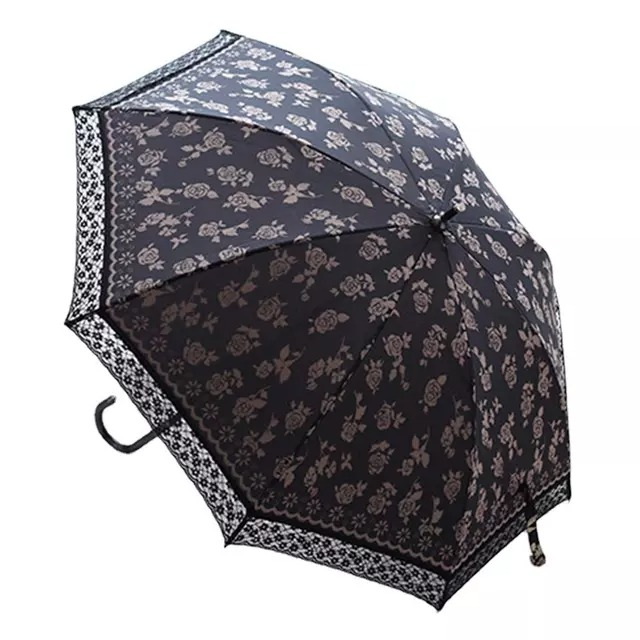
Parasole with UPF 50+ can block over 98% of UV rays, ensuring excellent sun protection by using specialized, tightly woven, and often coated fabrics.[1][7][3][6]
No. Parasole are best used as part of a comprehensive sun protection routine, shielding large areas and complementing sunscreen for full coverage, especially on reflective surfaces and uncovered skin.[5][7]
UPF (Ultraviolet Protection Factor) measures how much UV radiation a fabric lets through. UPF 50+ allows only 1/50th of UV radiation to pass, providing the highest standard of protection.[8][7][1][3]
Yes. Darker fabrics generally absorb more UV and provide better shielding—black, navy, and charcoal are ideal choices in strong sunlight.[10][6]
Many parasole offer water and fade resistance. Still, most are made primarily for sun protection and may not withstand heavy or prolonged rain.[6]
[1](https://www.lily-lark.com/blogs/news/sun-parasols-vs-sunscreen-a-comparative-guide-to-uv-protection)
[2](https://www.parasolshops.com/blogs/news/a-comprehensive-guide-to-outdoor-parasol-patio-umbrella-fabric-choices-pros-and-cons)
[3](https://www.instantshadeumbrellas.com.au/the-essential-guide-to-uv-standard-801-for-outdoor-umbrellas-upf80-provides-the-ultimate-protection/)
[4](https://nymag.com/strategist/article/best-parasols-for-sun-protection.html)
[5](https://umbrellabazaar.com/blogs/news/what-is-a-parasol-umbrella)
[6](https://www.justparasols.co.uk/blog/post/what-to-look-for-when-buying-a-garden-parasol.html)
[7](https://jjkelton.com/shade-yourself-from-the-sun-the-essential-guide-to-uv-protection-umbrellas/)
[8](https://www.skincancer.org/blog/find-your-sun-protection-style/)
[9](https://slate.com/technology/2019/09/parasols-better-than-sunscreen.html)
[10](https://belveo.co.uk/blogs/news/which-parasol-colour-best-protects-from-the-sun)
[11](https://uv-blocker.com/blogs/sun-protection/do-uv-umbrellas-work)
[12](https://www.reddit.com/r/AsianBeauty/comments/1dzz2t7/are_you_using_parasolsuv_umbrellas_only_in/)
[13](https://www.globalsources.com/zhejiang-zhengte/company-profile_6008852321259.htm)


