
Language
Please Choose Your Language


Content Menu
● The Function and Evolution of Parasols
● Parasol Materials: How They Influence Waterproofing
>> Polyester
>> Acrylic
>> Olefin
>> PVC and Vinyl Coated Parasols
>> Canvas
● Technological Advancements in Waterproofing
● Comparing Parasol Waterproof Materials
● International OEM Trends and Customization
● Maintenance Tips for Waterproof Parasols
● Parasol vs. Umbrella: Waterproofing in Practical Use
● Special Considerations for B2B and Commercial Buyers
● Environmental and Sustainability Factors
● Parasol Waterproofing: User Experiences
● FAQs
>> What is the difference between waterproof and water-resistant parasols?
>> Which parasol materials offer the best waterproofing?
>> How can I extend my parasol's waterproof life?
>> Are PVC-coated parasols ideal for every environment?
>> Do OEM manufacturers offer custom waterproof options?
Parasols are a classic fixture in outdoor living spaces, patio lounges, resorts, gardens, and commercial venues worldwide. With the rising demand for stylish sun protection, international manufacturers and OEM providers are innovating parasol solutions to suit changing climates and user needs. However, a critical buyer concern remains: Are parasols truly waterproof? This article investigates parasol waterproofing, examining materials, coatings, design technology, and practical care tips, while providing actionable advice for brands, wholesalers, and manufacturers.
Parasols originated as sun-blocking accessories, valued for their shade and cooling impact under intense sunlight. Historically, parasols prioritized elegance and UV protection, relying on silk, cotton, or canvas covers to shield users from ultra-violet rays. In the modern era, functional innovations have enabled parasols to achieve moderate to superior waterproofing, supporting outdoor activities in unpredictable weather.
Waterproofing is now a key selling point, especially in Europe, North America, and subtropical markets, where sudden rain is both common and inconvenient. This trend is driving material science advancements and international OEM competition, compelling manufacturers to balance cost, durability, and premium weather resistance.
Polyester's popularity stems from its affordability and baseline water resistance. Standard polyester parasols can withstand light rain, but their long-term performance depends on density and post-manufacturing treatments. Solution-dyed polyester offers improved colorfastness and moderate waterproofing, while polyester pongee fabric is denser, providing robust resistance to moisture and UV rays.[2][4][5]
A limitation of basic polyester is its vulnerability to fading and stretching—properties that can reduce waterproofing over time. Dense weaving, special coatings, and regular cleaning can counteract these issues.
Acrylic is the premium choice for high-end parasols, known for superior weather resistance, vibrant color retention, and comfort. Acrylic fibers are typically solution-dyed, granting the canopy inherent water repellency and UPF 50+ UV protection. Acrylic parasols excel in wet climates and commercial venues requiring long-term durability.[5][6][8]
While acrylic fabrics cost more upfront, their extended lifespan and lower maintenance needs often offer better ROI for brands and professional users seeking longevity. They also feature micro-perforations for improved breathability, keeping shaded areas cooler.
Olefin, or polypropylene, is a synthetic material that balances price and performance. Olefin parasols efficiently resist rain, mildew, and stains, and are ideal for natural settings requiring year-round weather protection. Its UPF 80 rating makes it a winning choice for buyers prioritizing both shade and water resistance within a practical budget. However, color selection is more limited than acrylic or polyester, and breathability may be lower.[4][8][5]
Parasols with PVC- or vinyl-coated polyester canopies are built for environments where water pooling and heavy rainfall are regular concerns. These fabrics are essentially waterproof, meaning they prevent water penetration entirely, making them suitable for both commercial and residential use in rainy climates. Though heavier and less breathable than other options—and not as stylish as acrylic—they excel in durability and hygiene, easily wiped clean after storms.[3][7]
Canvas remains a classic choice, especially for vintage or custom parasol designs. Unless specially treated with waterproofing sprays, traditional canvas tends to absorb water and requires frequent maintenance. Modern solutions include pre-treated canvases and specialized coatings to enhance water repellency.
The water column test quantifies a fabric's water resistance, measuring how much vertical water pressure fabric can withstand before leaking. Standard waterproof parasol fabrics range from 350mm to 500mm water column ratings, corresponding to reliable rain protection in most settings. Solero parasols, for instance, boast 500mm ratings, indicating the ability to handle 50 cm of water per square centimeter without leakage—a benchmark for premium products.[9]
Nano technology is revolutionizing the parasol industry by introducing ultra-thin, invisible water-repellent layers on canopy surfaces. Parasols treated with nano coatings shed moisture instantly and resist stains, mildew, and fading. Nano-coated products tend to retain water resistance even after years of outdoor exposure, with minimal maintenance requirements.
A deeper dive into the performance, pricing, and application areas for leading parasol materials clarifies market positioning:
- Polyester: Affordable, moderate waterproofing; best for occasional use or locations with light rainfall.[1][2]
- Acrylic: Premium, excellent waterproofing and UV resistance; ideal for luxury, high-traffic, and commercial installations.[6][5]
- Olefin: Balanced performance and budget; highly water-resistant and durable, fitting all-weather environments.[8][4]
- PVC/Vinyl: 100% waterproof, industrial-grade durability; preferred for commercial, beach, poolside, and rainy climate applications.[7][3]
- Canvas (treated): Classic appearance, variable waterproofing depending on treatments.
Manufacturers and OEM providers choose fabric types strategically for target markets—luxury resorts, busy urban cafés, and residential patios all require different balances of cost and performance.
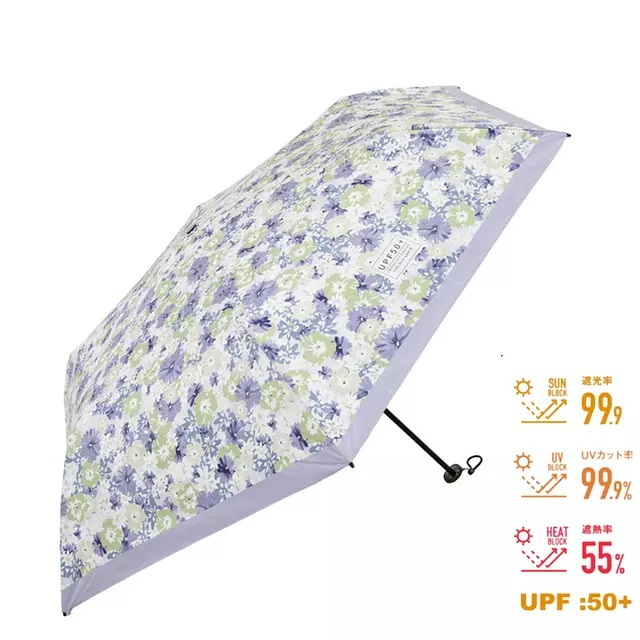
Though canopy fabrics are crucial, the frame contributes to overall durability and water tolerance. Most modern parasols use wood, aluminum, or steel frames:
- Wood: Visually appealing and stable, but needs annual treatment for outdoor water exposure.
- Aluminum: Lightweight, rust-resistant, and cost-effective—well-suited for consumers seeking value and minimal maintenance.
- Steel: Exceptional strength for commercial use, but at a higher price point.[1]
Frame engineering—such as joint sealing, pole angling, and reinforced hinges—directly impacts how water runs off and how well the parasol stands up to wind during storms.
Oval, rectangular, and offset parasols provide improved rain runoff, minimizing water pooling. Large canopies and cantilever designs offer substantial coverage but require stronger frames and bases to withstand wind and rain.
Chinese, European, and American OEM manufacturers increasingly compete to supply custom waterproof parasols for global brands and wholesalers. Options range from print designs, logo placement, and branded covers to advanced technical coatings, sensor-enabled open/close systems (for automatic weather response), and heat-reflective layers.
Top-selling models cater to both commercial and residential buyers, with "parasol waterproof" as a leading online search term in markets like the UK, Germany, and the United States.
Proper maintenance extends parasol life and preserves waterproof properties:
- Shake off water and dirt after use, especially following heavy rain.
- Clean canopy regularly with soap and water. Avoid harsh chemicals, which can degrade coatings.[11][4]
- Reapply waterproofing sprays according to manufacturer instructions, especially after extended outdoor exposure or cleaning.
- Allow fabric to dry fully before storage to prevent mildew—critical for canvas, polyester, and untreated materials.[5]
- Store parasols indoors or under protective PVC covers during extended periods of rain or winter, especially in humid climates.
Well-maintained parasols deliver years of weather resilience, sustaining investment value for OEM clients and end-users alike.
While parasols and umbrellas may seem similar, their purposes, waterproofing, and construction diverge:
- Parasols: Large, stationary or semi-portable items; optimize sun protection and moderate waterproofing; suited for gardens, patios, cafés.
- Umbrellas: Compact, portable; built exclusively for rain, with highly waterproof "bathtub" nylon or polyester grades and reinforced frames; ideal for personal and travel use.
Buyers should match product selection to expected use environments. Commercial buyers in hospitality or retail may require both rain-optimized umbrellas and stylish waterproof parasols for balanced protection.
For commercial venues, bulk orders often require parasols that blend form, function, and branding. When ordering OEM waterproof parasols, buyers should check:
- Water column rating and test certification from manufacturers
- Warranty and after-sales support for both canopy and frame
- Availability of branded waterproof covers for off-season storage
- Custom coatings or nano-technology upgrades (for enhanced performance)
- Wind resistance features (for installation in exposed locations)
OEM partners can advise on region-specific standards and compliance for weatherproof outdoor products, ensuring international buyers meet local safety and quality expectations.
As outdoor living grows in popularity, sustainability is increasingly important. Modern manufacturers offer recyclable polyester and acrylic, eco-friendly coatings (water-based), and reusable packaging for parasols. Longevity, reduced microplastic shedding, and repairable frames are trending features sought by environmentally conscious brands.
The true test of a waterproof parasol is user satisfaction during unexpected rain. Popular reviews highlight that high-density acrylic and PVC-coated parasols deliver reliable dry shelter, even in heavy showers. Olefin and treated polyester umbrellas suit moderate climates, while entry-level polyester is best reserved for sun-drenched, low-rain regions. Many users opt for periodic re-treatment to extend waterproof life.
Global hospitality venues—such as resorts and cafés—report savings and improved customer comfort after switching to certified waterproof parasols. Commercial buyers appreciate the reduced need for frequent replacement, boosting sustainability and return on investment.
Parasols have evolved from sun-only accessories into versatile tools that protect against UV rays and, with advanced materials and coatings, rain. While not every model is "waterproof" in the strictest sense, careful selection of fabric, frame, and maintenance strategies can ensure your parasol delivers reliable rain resistance for seasons to come.
Understanding the distinctions between polyester, acrylic, olefin, PVC/vinyl, and canvas helps buyers make informed choices. Commercial and OEM partners benefit from advanced certifications and international compliance, allowing efficient sourcing and responsive customization.
In summary, modern parasols cater to a spectrum of climate challenges—from blazing sun to torrential rain—and remain an indispensable asset for both private and professional outdoor spaces.
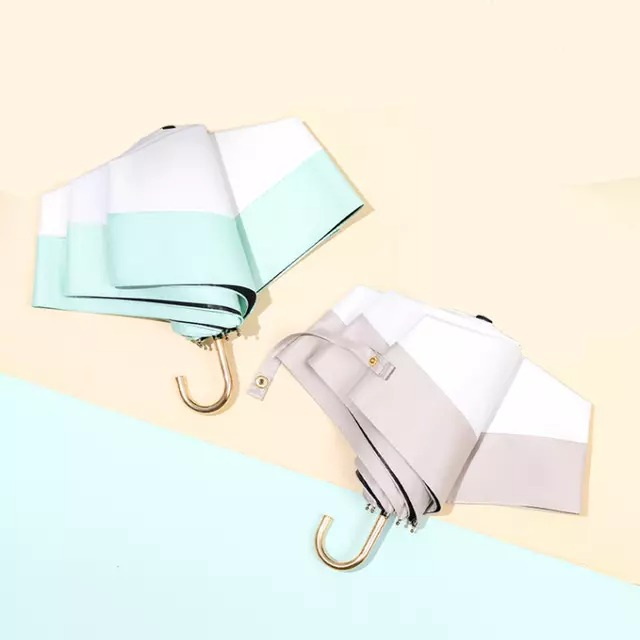
Waterproof parasols have fabrics and coatings designed to completely prevent water penetration, suitable for heavy rainfall. Water-resistant parasols can repel light rain but may eventually allow water through after prolonged exposure.[3][6][5]
Acrylic, olefin, and PVC/vinyl-coated polyester deliver superior waterproofing, durability, and color retention. Basic polyester and untreated canvas need frequent care and reapplication of waterproofing sprays.[6][7][8][3][5]
Clean regularly, reapply waterproofing treatments, and store properly during storms or when not in use. Follow manufacturer care instructions for longevity.
PVC-coated parasols are 100% waterproof and withstand harsh weather, but they may be heavier and less breathable than acrylic or olefin. They are excellent for commercial, beach, and poolside setups.[7][3]
Yes, most OEM providers offer customizable fabrics, branded coatings, and region-specific waterproof ratings, helping wholesalers and commercial buyers meet market demands.
[1](https://www.harbourlifestyle.co.uk/blogs/news/best-parasols)
[2](https://www.parasolshops.com/blogs/news/a-comprehensive-guide-to-outdoor-parasol-patio-umbrella-fabric-choices-pros-and-cons)
[3](https://patiopelican.com/blogs/blog/outdoor-umbrella-fabrics-compared)
[4](https://www.midtownumbrellas.com/blogs/news/which-fabric-is-right-for-you)
[5](https://www.brumbrellas.com/what-is-the-best-fabric-for-patio-umbrellas/)
[6](https://purpleleafshop.com/blogs/news/outdoor-patio-umbrella-fabrics-guide)
[7](https://www.ammsun.com/blogs/news/which-material-is-best-for-beach-umbrellas)
[8](https://belveo.co.uk/blogs/news/discovering-parasol-fabrics-a-guide-to-choosing-the-ideal-fabric)
[9](https://parasols.eu/buying-a-parasol.html)
[10](https://decoroutdoor.com/blog/sunbrella-vs-sunbrella-rain/)
[11](https://www.youtube.com/watch?v=IySq3pEB7vo)


