
Language
Please Choose Your Language
Views: 222 Author: Amanda Publish Time: 2025-11-19 Origin: Site


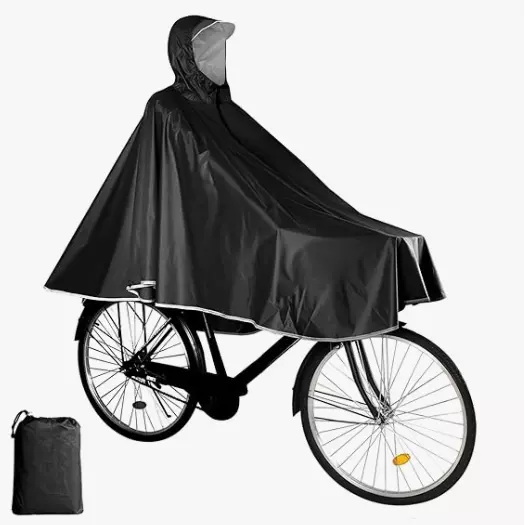
Content Menu
● Understanding Waterproofness in Raincoats
>> The Difference Between Water-Resistant and Waterproof
● Common Materials Used in Raincoats
>> Polyvinyl Chloride (PVC) and Vinyl
>> Waterproof/Breathable Membranes
● How Do Raincoats Achieve Waterproofness?
>> Durable Water Repellent (DWR) Coating
>> Waterproof Membranes and Laminates
● Waterproof Ratings and Testing
● Challenges in Waterproofness
● Maintaining Your Raincoat's Waterproof Performance
● Innovations in Waterproof Technology
● Practical Tips for Choosing a Raincoat
● FAQ
>> 1. Are all raincoats truly waterproof?
>> 2. What is Durable Water Repellent (DWR)?
>> 3. How does breathability work in waterproof raincoats?
>> 4. How should I maintain my raincoat's waterproofing?
>> 5. What is the difference between 2-layer and 3-layer raincoat construction?
Raincoats are essential for staying dry in wet weather, but many wonder: are raincoats truly waterproof? The answer is nuanced, as raincoats vary widely in their ability to repel and resist water. This article delves into the science and technology behind raincoats, explains different types and materials, discusses how waterproofing works, and offers practical advice on maintenance. Understanding these elements will help you choose the right raincoat for your needs and weather conditions.
The term "waterproof" implies absolute protection from water penetration. However, in reality, waterproofness exists on a spectrum. Many raincoats are labeled waterproof but vary widely in how well and how long they keep you dry. Raincoats can be classified into:
- Water-Resistant: Fabric can repel water to some extent but will eventually get saturated in heavy rain.
- Waterproof: Equipped with technologies to prevent water ingress under various conditions.
- Highly Waterproof: Designed to withstand prolonged exposure to heavy rain through advanced materials, sealed seams, and specialized coatings.
Water-resistant raincoats rely mostly on tightly woven fabrics and surface treatments to prevent light rain from soaking through. Waterproof raincoats incorporate additional layers or membranes that form a barrier impermeable to water droplets, even in heavy downpours.
These synthetic fabrics are common in raincoat manufacture due to durability and light weight. On their own, they usually offer water resistance but require treatments or membranes to become waterproof.
These plastics create a completely waterproof barrier, blocking water entirely. However, they lack breathability, often causing discomfort due to trapped sweat and moisture.
Technologies like Gore-Tex, eVent, and proprietary membranes represent the pinnacle of raincoat fabric innovation. These use microporous materials with tiny pores too small for liquid water but large enough to let sweat vapor escape, achieving waterproofness without sacrificing comfort.
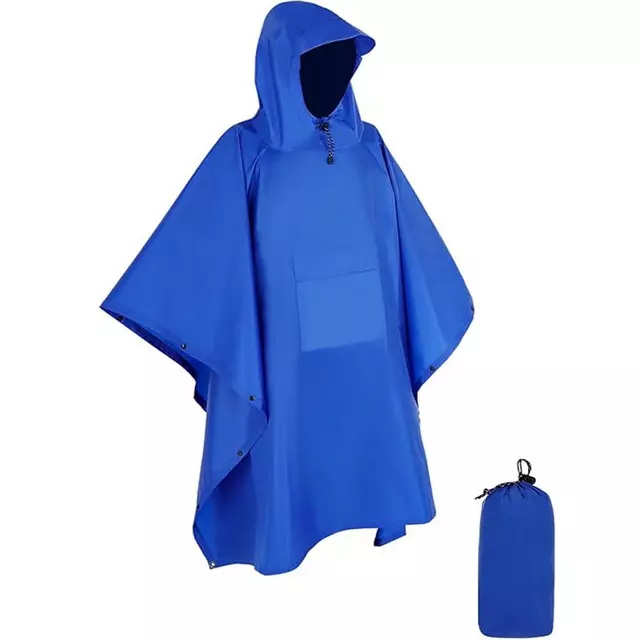
The effectiveness of a raincoat depends on multiple elements working together. Here are the key components:
The outer fabric of most modern raincoats is treated with a DWR finish, a microscopic texture that causes water to bead and roll off instead of soaking in. This finish helps keep the fabric dry and prevents saturation, which maintains breathability of underlying layers. However, DWR wears off with wear and washing, requiring reapplication.
A critical element in high-quality raincoats, waterproof membranes are thin films bonded to or sandwiched between fabric layers. They physically block water penetration while enabling vapor passages. Different constructions include:
- 2-Layer Construction: Membrane bonded to outer fabric plus an inner lining layer protecting the membrane.
- 2.5-Layer Construction: Membrane bonded with a protective veneer on its inside, making jackets lighter but slightly less durable.
- 3-Layer Construction: Outer fabric, membrane, and inner lining bonded into one durable material, offering the highest performance.
The membranes' micropores allow sweat vapor to escape, offering breathability that is essential for comfort during activity.
Even the best membranes are vulnerable at stitch holes. To prevent water leakage, seams are taped or welded, and zippers often have storm flaps or water-resistant designs.
Adjustable cuffs, hoods with brims, storm flaps over zippers, and high collars contribute to blocking water entry at vulnerable points.
Raincoats undergo rigorous testing to certify waterproofness:
- Hydrostatic Head Test: Measures water pressure a fabric can sustain before leaking, reported in millimeters (mm). A rating above 10,000 mm is generally considered waterproof for heavy rain.
- Spray Test: Simulates rainfall to examine initial water repellency.
- Durability Tests: Assess the longevity of waterproof treatments after wear and washing.
Even the finest raincoats have limitations. Without proper care, their waterproof performance diminishes:
- DWR Degradation: When the outer fabric loses its water-repellent finish, it soaks up water, drastically reducing breathability and making the coat feel cold and clammy.
- Membrane Damage: Tears or punctures in membranes allow water ingress.
- Sweat Management: Waterproof fabrics can trap moisture inside without efficient vapor permeability, causing discomfort.
Preserving your raincoat's waterproofness requires care:
- Use mild detergents designed for waterproof gear.
- Regularly reapply DWR treatment to restore the outer water repellency.
- Repair seam tape or membrane damage promptly.
- Avoid washing with fabric softeners or bleach, which degrade coatings.
- Store the coat in a dry, ventilated space.
Recent advances improve comfort and durability:
- Diamond Fuse Technology: Increases durability by interlocking diamond-shaped yarns without adding weight.
- Advanced Membranes (GORE-TEX, eVent): Use specialized polymers with micropores for optimal waterproof and breathability balance.
- Lightweight Laminates: Reduce bulk without compromising waterproof protection.
- Many brands develop proprietary membranes and coatings tailored for specific climates and activities.
- Match the waterproof rating to your environment — higher ratings for heavy or prolonged rain.
- Prioritize breathability if you plan intensive physical activity.
- Consider the jacket's weight, durability, and fit.
- Check for features like adjustable hoods, cuffs, and ventilation zippers.
- Factor in maintenance requirements to keep waterproofness intact.
Raincoats are not universally waterproof; their effectiveness depends on materials, construction, and maintenance. Modern waterproof raincoats combine durable water repellent coatings, waterproof/breathable membranes, sealed seams, and smart design to keep rain out while allowing sweat to escape. With proper care, these technologies ensure you stay dry and comfortable in wet weather.
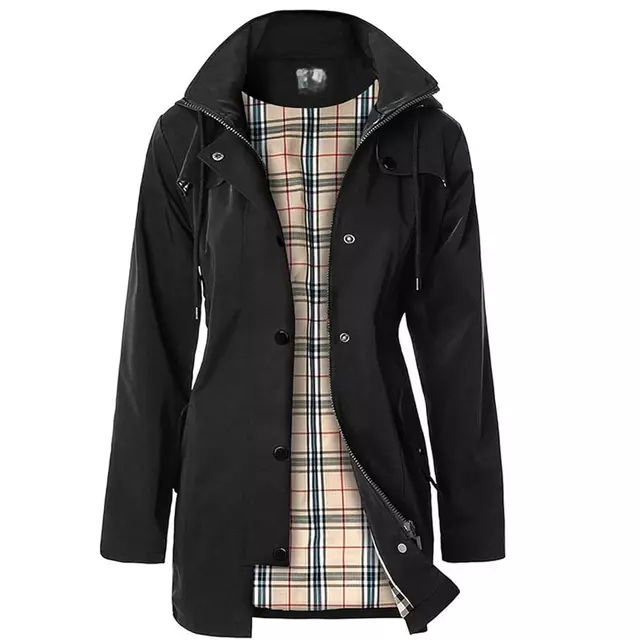
No, raincoats vary from water-resistant to highly waterproof. Only those with waterproof membranes, sealed seams, and durable water repellent (DWR) finishes provide reliable protection in heavy rain.
DWR is a coating applied to the outer fabric to cause water to bead off, preventing the fabric from soaking. It maintains the raincoat's breathability but needs periodic reapplication.
Breathable waterproof membranes have micropores small enough to block water droplets but large enough to let sweat vapor escape, preventing moisture buildup inside.
Wash with gentle, technical detergents, avoid fabric softeners, reapply DWR treatments when water stops beading, and repair damaged seams or membranes promptly.
A 2-layer raincoat uses a waterproof membrane bonded to an outer fabric, with a separate inner lining. A 3-layer jacket bonds the outer fabric, membrane, and lining into a single material for superior durability and performance.
[1](https://www.rei.com/learn/expert-advice/rainwear-how-it-works.html)
[2](https://triplefatgoose.com/blogs/down-time/the-best-rain-jackets)
[3](https://valleyandpeak.co.uk/blogs/news/the-science-of-staying-dry-a-deep-dive-into-waterproof-jacket-materials)
[4](https://www.zajo.com/blog/how-it-works-the-fascinating-science-behind-waterproofing)
[5](https://www.greatoutdoors.ie/blogs/expert-advice/how-do-waterproofs-work)
[6](https://www.wired.com/story/how-to-waterproof-rain-jacket/)
[7](https://www.columbia.com/waterproof-vs-resistant-vs-repellent.html)
[8](https://www.snowandrock.com/expert-advice-and-inspiration/buying-guides/Waterproof-ratings-and-breathability-explained.html)
[9](https://www.evo.com/guides/outerwear-waterproof-ratings-and-breathability)
[10](https://www.reddit.com/r/CampingGear/comments/32mall/wondering_about_rain_jackets_specifically_where/)


