
Language
Please Choose Your Language
Views: 222 Author: Amanda Publish Time: 2025-11-09 Origin: Site


Content Menu
● What defines a reactive Outdoor Tent?
● A closer look at the core components
>> Frame systems and structural integrity
>> Ventilation, condensation management, and usability
>> Ground interaction and stability
>> Portability and packing efficiency
>> Use-case driven design decisions
>> Material sourcing and supplier collaboration
>> Quality assurance and testing
>> Branding and customization opportunities
>> Maintenance and after-sales support
>> Economic and market considerations
● Observations on consumer sentiment and industry trends
● Integration with umbrella and shelter product lines
● Choosing the right partner for rapid-setup Outdoor Tent production
● FAQ
>> 1. What is the best material for a reactive Outdoor Tent canopy?
>> 2. How does a quick-setup tent handle wind?
>> 3. Are rapid-setup tents suitable for professional outdoor environments?
>> 4. What maintenance is recommended for Reactive Outdoor Tent-style shelters?
>> 5. How should an OEM partner specify a rapid-setup tent in a contract?
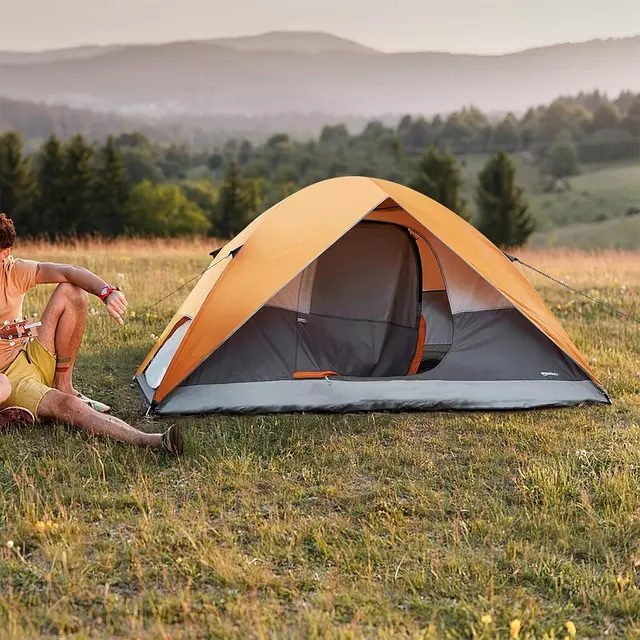
Reactive Outdoor Tents offer the promise of rapid deployment, compact packing, and dependable shelter in a variety of outdoor contexts. For a rain gear and shelter manufacturer that provides OEM services to overseas brands, wholesalers, and manufacturers, understanding how these tents achieve speed without sacrificing durability is essential. The following extended analysis delves into the core design philosophies behind rapid-setup Outdoor Tents, dissects materials and construction, explores suitable use cases across segments, and translates these insights into practical guidance for product development, sourcing, and collaboration with OEM partners. The discussion centers on the Outdoor Tent category while drawing explicit connections to umbrella and shelter pipelines, enabling a cohesive strategy for expanding a product portfolio with high-value, design-forward shelter solutions.
A reactive or rapid-setup tent hinges on a combination of mechanism design, fabric performance, and overall structural integrity that enables fast pitching and striking down without compromising shelter quality. Key design concepts include integrated frame systems (such as pre-assembled poles or inflatable beams), hub-and-spoke architectures, and simplified, intuitive tensioning sequences that reduce user error during setup. The core benefit is clear: time saved during deployment translates into more time for enjoyment, work tasks, or service delivery in professional contexts. Yet speed is not the sole measure of success. Real-world performance hinges on wind stability, waterproofing reliability, seam durability, and long-term resilience under repetitive usage. For OEM collaborations, these factors influence pricing, manufacturing tolerance requirements, and warranty terms, all of which affect market adoption and brand perception.
- Aluminum frameworks are favored for their light weight, rigidity, and corrosion resistance, contributing to easier transport and quicker assembly while maintaining strength under typical wind loads.
- Fiberglass or composite poles offer cost advantages and flexibility but may introduce greater fatigue risk over time, especially in repetitive setup cycles. The trade-off between weight, stiffness, and durability is a critical decision for OEM design briefs.
- Integrated or pre-attached poles (where feasible) can streamline setup; however, they demand meticulous quality control to prevent frame misalignment during production.
- Canopy fabrics frequently involve polyester or nylon blends with polyurethane (PU) or silicone-based coatings to balance water resistance, UV protection, and breathability. The coating system and hydrostatic head rating are decisive for performance in heavy rain and high-UV environments.
- Double-wall constructions with breathable inner layers can significantly reduce condensation buildup, improving comfort in humid climates and during multi-day use scenarios.
- Seam treatments—tape-sealed or heat-sealed seams—enhance waterproof performance and reduce seam leak risk in adverse weather.
- Mesh panels, strategically placed vents, and well-designed rainflies contribute to airflow, reducing interior humidity and improving comfort in warm environments.
- Zipper quality and seam durability support repeated use, a common requirement in commercial or event-oriented applications where shelters must be deployed frequently.
- Stakes, guylines, and ground-surface compatibility are essential for wind resilience. OEM considerations include stake material, anchor design, and the availability of region-specific accessories to ensure reliable performance on diverse terrains.
- A primary advantage of rapid-setup tents is their compact packed dimensions and reasonable weight, but this must be balanced against durability and weatherproofing. The packaging approach, carry bags, and ergonomic handling influence the overall user experience and repeat purchase likelihood.
- Recreational camping models emphasize portability, ease of use, and value retention. The design emphasis is on rapid setup, stable performance in typical camping wind loads, and a comfortable interior.
- Event and exhibition shelters require robust durability, frequent setup/teardown cycles, weatherproofing, and branding surfaces. These models often adopt reinforced seams, high-durability fabrics, and branding-friendly canopy surfaces.
- Professional and industrial deployments prioritize reliability in variable weather, long-term resilience, and serviceability, including easy replacement parts, accessible spare components, and strong warranties.
- For an umbrella manufacturer expanding into shelter, the integration points include adaptable frames, canopy materials with branding options, and cross-brand compatibility with existing accessory ecosystems such as groundsheets and rain covers.
- Material selection affects not only performance and price but also sustainability, scalability, and ease of certification in different markets. Working with suppliers who can provide consistent batch quality, traceability, and technical data sheets supports a smoother OEM process.
- Certification and compliance considerations (safety standards, environmental footprints, and labor practices) impact market access and brand reputation. A disciplined supplier qualification process minimizes risk in large-scale production runs.
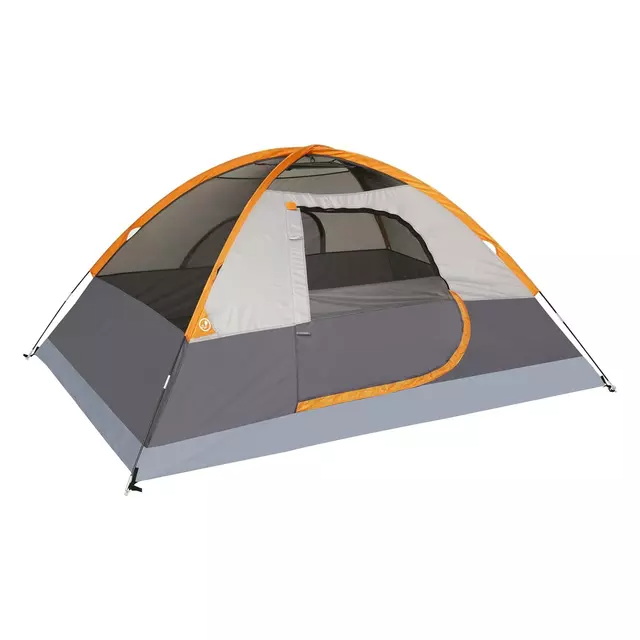
- Quasi-static wind tests, rain exposure tests, and material aging simulations are essential to demonstrate product reliability under real-world conditions.
- Early-stage prototypes should undergo iterative testing for fit, finish, and user experience before committing to pre-production tooling. This disciplined approach reduces the risk of expensive late-stage changes.
- OEM partnerships often revolve around branding surfaces, colorways, logo placement, and packaging design. The ability to tailor branding without compromising performance is a strong selling point for both clients and manufacturing teams.
- Packaging design considerations should include protective inner linings, clear setup instructions, and branding-friendly exterior graphics that align with customer expectations and regulatory requirements.
- Durable products demand robust after-sales service frameworks, including easy-to-access replacement parts, warranty coverage, and responsive customer service. Proactive support contributes to long-term client satisfaction and repeat business in a competitive market.
- The rapid-setup tent segment has a diverse price spectrum influenced by frame material, canopy fabric, seam quality, and brand positioning. Maintaining a balance between affordability and durability is crucial in appealing to both mass-market consumers and professional buyers.
- Lead times, minimum order quantities, and production capacities vary by manufacturer. A clear, transparent development timeline helps OEM partners plan marketing, inventory, and distribution strategies, reducing the risk of stockouts or overproduction.
- Customer feedback often highlights fast assembly and ease of use as major benefits. However, buyers also report concerns about long-term durability, seam integrity, and performance in extreme weather. Sound design practice should address these concerns with rigorous material choices, optimized construction, and comprehensive warranty coverage.
- Industry trends show growing demand for modular components, greater customization capabilities, and enhanced branding opportunities in shelter solutions. Embracing modularity and scalable production can help brands differentiate their Outdoor Tent offerings while leveraging existing manufacturing strengths.
- For umbrella manufacturers, combining shelter solutions with existing canopy and frame technologies can yield cohesive product families. Cross-utilization of frame components, fabrics, and hardware reduces supply chain complexity and enables faster time-to-market for new Shelter lines.
- Marketing messaging can emphasize the versatility of Outdoor Tent products as extensions of umbrella expertise, highlighting shared competencies in weatherproofing, portability, and durable construction.
- A successful OEM relationship hinges on shared quality standards, clear contractual milestones, and a mutual commitment to product excellence. Key criteria include production capacity, tooling availability, supply chain resilience, and a proven track record in similar products.
- The collaboration should outline decision gates for design reviews, material substitutions, and scope changes, ensuring alignment with brand expectations and regulatory requirements across markets.
The case for reactive Outdoor Tents rests on the combination of swift deployment, robust construction, and thoughtful design that addresses real-world usage across consumer and professional contexts. For manufacturers focused on umbrella and shelter products, these insights translate into actionable guidance for product development, supplier selection, and market positioning within an OEM framework. Emphasizing frame strength, fabric durability, effective ventilation, reliable waterproofing, and strategic branding support paves the way for successful expansion into shelter Solutions that complement existing Outdoor Tent offerings and meet the demands of diverse customers.
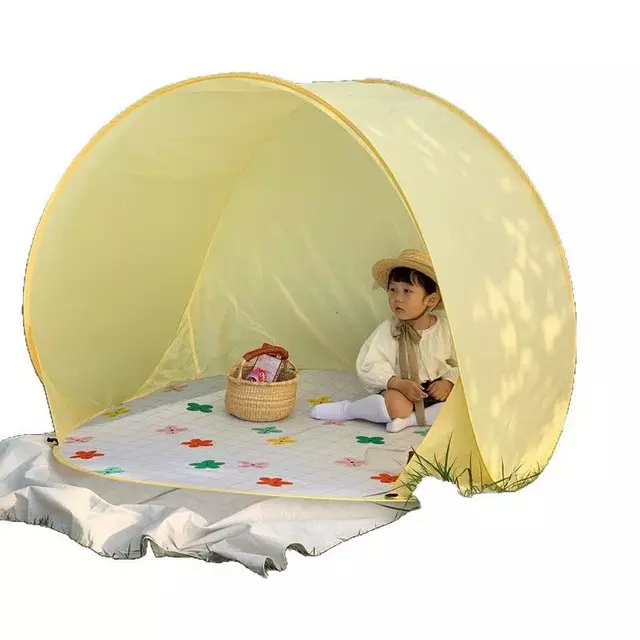
- The optimal canopy material balances durability, weight, and weather resistance. Common choices include ripstop polyester or nylon with durable coatings (PU or silicone) to ensure waterproofing and UV protection, while breathable fabrics and venting design improve comfort in warm climates.
- Wind handling depends on a sturdy frame, proper anchoring, and an aerodynamically designed rainfly or windbreak features. Always anchor and tension appropriately for conditions, and consider wind-load ratings during design and testing to ensure stability.
- Yes, when designed for durability, weatherproofing, and reliable after-sales support. Suitability depends on how well the product matches the specific environmental conditions and the availability of spare parts and service networks.
- Regular inspection of seams, zippers, and frame joints; ensure thorough drying before storage; clean with mild soap; reproof fabrics as needed; and store in a dry, ventilated bag to extend life.
- Include explicit performance specifications (setup time, wind load rating, waterproof rating, material weight, seam type), testing protocols, quality-control milestones, lead times, and warranty terms. Require samples and pre-production approvals to ensure alignment before full-scale production.
[1](https://reactiveoutdoor.com/pages/2-step-cabin-tent-us)
[2](https://ultimatemotorcycling.com/2024/08/18/reactive-outdoor-3-secs-tent-review-motorcycle-camping/)
[3](https://reactiveoutdoor.com/pages/3-secs-tent-uk)
[4](https://reactiveoutdoor.com)
[5](https://www.youtube.com/watch?v=H113CmCpIH8)
[6](https://www.ebay.com/itm/146502117391)


