
Language
Please Choose Your Language
Views: 222 Author: Amanda Publish Time: 2025-12-15 Origin: Site


Content Menu
● What “Standard Umbrella” Really Means
● Typical Lengths of Different Umbrella Types
● Standard Long Umbrella Size (Adult Walking Umbrella)
● Golf Long Umbrella and Extra‑Long Models
● Compact, Folding and Pocket Umbrellas
● How to Measure a Long Umbrella
● Matching Long Umbrella Length to User Height
● Long Umbrella vs Portable Umbrella
● Design Elements That Affect Long Umbrella Length
● Material Choices for Long Umbrella Performance
● Long Umbrella Length and Branding Area
● Use Scenarios for Different Long Umbrella Sizes
● Safety and Ergonomics in Long Umbrella Design
● OEM Considerations for Long Umbrella Collections
● Practical Tips for Choosing Long Umbrella Sizes for Your Market
● FAQ
>> 1. What length is considered a standard long umbrella for adults?
>> 2. How do I decide between a long umbrella and a compact umbrella?
>> 3. Is a golf umbrella always longer than a normal long umbrella?
>> 4. Does long umbrella length affect wind resistance?
>> 5. Can long umbrella length be customized for private‑label or OEM projects?
A standard umbrella most people use every day is usually a full‑length, non‑folding long umbrella designed to balance coverage, comfort, and portability. In the rainwear market, this “standard” is defined by both the total length of the umbrella and the diameter of the canopy when opened.
In practice, “standard umbrella” usually refers to an adult long umbrella, also known as a stick umbrella or walking umbrella. It is the classic style with a straight shaft, a curved or straight handle, and ribs that do not fold down into multiple sections.
For everyday city use, brands typically treat this long umbrella as the default model for unisex adult customers. When people ask “How long is a standard umbrella?”, they almost always imagine this familiar long umbrella carried on the street, on the way to the office, or at a bus stop.
Umbrellas come in several categories, and each category has its own idea of “standard” size. Understanding these differences helps buyers and OEM partners choose the right long umbrella for each market.
- Compact or travel umbrellas are designed for portability. They fold down to a short length that fits into handbags or backpacks, so they are not considered long umbrella products.
- Walking or city umbrellas are the classic long umbrella type, with a fixed shaft that does not fold. These models define what most consumers mean by a “standard umbrella”.
- Golf umbrellas are oversized long umbrella designs with large canopies and long shafts, made for open spaces like golf courses and stadiums.
While all of these products protect against rain, only the walking and golf styles really fit the description of a long umbrella. For OEM catalogs and product pages, clearly separating compact umbrellas from long umbrella models will avoid confusion.
For adult users, the most common standard long umbrella follows a familiar size formula. The total length from the top tip to the bottom of the handle usually falls in the range that feels comfortable to carry by hand and to lean on lightly like a walking stick.
The canopy diameter also has its own typical range. It needs to be wide enough to keep shoulders and upper body dry, while still narrow enough to move through crowded streets and doorways. In most cases, this standard long umbrella is intended to cover one adult plus a bag or briefcase, not two adults standing side by side.
Because of this balance, many retailers and brands present this walking long umbrella as the universal, go‑to size for cities, business districts, and everyday commuting.
Golf umbrellas form a special category of long umbrella built around maximum coverage and high visibility. On a golf course or at an outdoor event, the user often needs to protect both themselves and their equipment or companion.
To achieve this, a golf long umbrella typically has a much larger canopy and a longer shaft than a city umbrella. The bigger canopy helps shield the golfer plus a caddie, a trolley, or a bag. The longer shaft supports this large surface area and keeps the top of the canopy high enough not to obstruct the user's vision.
There are also extra‑long umbrella models used for events, team branding, or VIP hospitality. These long umbrella designs can reach impressive lengths, creating a strong visual impact while offering generous rain protection.
Compact or pocket umbrellas focus on convenience rather than the classic long umbrella silhouette. They fold down into multiple sections so they can be stored inside bags and luggage.
Most compact umbrellas have shorter handles and smaller shafts, so they do not function as walking umbrellas. However, their canopy sizes often match or closely approach those of smaller long umbrellas, which means they still offer acceptable coverage for one person in light to moderate rain.
In a full umbrella collection, compact designs work best as travel companions, while the long umbrella models serve as main protection pieces and style statements.
Clear measurement standards are essential when communicating specifications between manufacturers, wholesalers, and foreign brand owners. A long umbrella can be described in several dimensions, but the most important are total length and canopy diameter.
- Total length is measured in a straight line from the metal or plastic tip at the top of the umbrella down to the bottom of the handle when the long umbrella is fully closed.
- Canopy diameter is measured across the widest part of the open canopy, from one edge to the opposite edge, passing through the center.
Some technical sheets also mention rib length, which is the length of one rib from the center to the tip. Rib length is especially popular in certain markets as a quick way to express the scale of a long umbrella canopy.
User comfort depends greatly on matching the long umbrella size to the user's height. When a long umbrella is too short, it may not provide enough coverage and can feel awkward to hold. When it is too long, it can be heavy or inconvenient in crowded environments.
Many sizing systems associate specific long umbrella lengths with user height bands. Shorter adults may prefer slightly shorter long umbrella models that are easier to handle, while taller users may choose a longer length for better proportional coverage.
For OEM projects targeting global markets, offering at least two long umbrella lengths can help serve a wider range of users. For example, a standard long umbrella length for average heights, plus a slightly longer version for taller regions, can satisfy different customer groups without changing the overall design.
Choosing between a long umbrella and a compact umbrella is a common decision for both end consumers and corporate buyers. Each option has its strengths, so the right choice depends on lifestyle and brand goals.
- A long umbrella generally offers better structural strength and wind resistance because it uses a straight, non‑folding shaft. It also looks more refined and traditional, which suits business dress codes, uniforms, and premium gift programs.
- A compact umbrella focuses on convenience and portability. It fits easily in a handbag or backpack but may sacrifice some durability and stability compared with a long umbrella.
From a brand perspective, a long umbrella works well as a flagship or executive gift item, while compact umbrellas are ideal for mass promotions and travel campaigns.
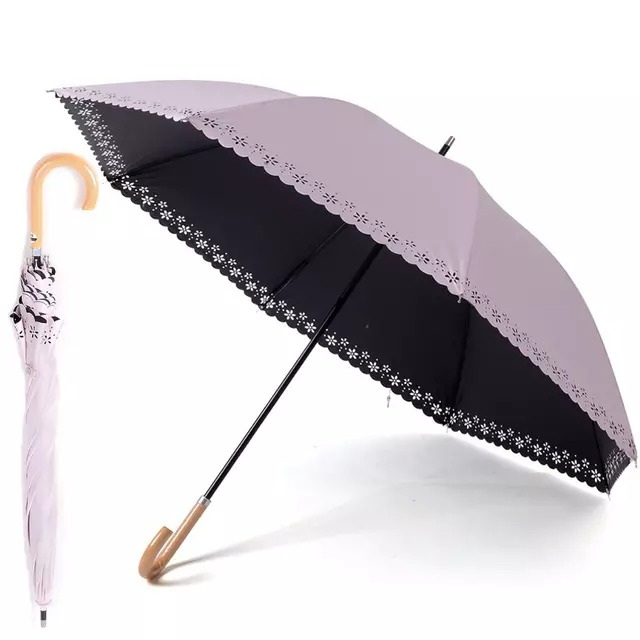
While length and canopy diameter are key, many other design details influence how a long umbrella feels in the hand and how it is perceived by customers. These elements are important when planning OEM orders for foreign brands.
- Shaft material: Steel, fiberglass, aluminum, and wood all behave differently in terms of strength, weight, and flexibility. A fiberglass or mixed‑material shaft can make a long umbrella more wind‑resistant without adding excessive weight.
- Handle shape: Crook handles, straight handles, sport handles, and ergonomic grips all change how the long umbrella is carried. Crook handles are classic and convenient for hanging, while straight handles look modern and suit compact storage.
- Opening mechanism: Manual, auto‑open, and auto‑open‑and‑close systems affect both convenience and cost. For a long umbrella, a smooth auto‑open mechanism can create a premium feel and a strong impression.
By adjusting these design factors, a manufacturer can create a wide variety of long umbrella models from a single length platform.
Materials play a crucial role in the overall performance and lifespan of a long umbrella. Brands and OEM buyers often use material upgrades to justify premium positioning and higher margins.
- Canopy fabrics: Polyester is widely used for its balance of cost, durability, and color vibrancy. Higher‑end long umbrella models may use thicker polyester, pongee, or other treated fabrics for better water repellency and UV protection.
- Frame components: Ribs and stretchers made from fiberglass or quality steel enhance wind resistance. Reinforced joints reduce the risk of breakage when a long umbrella is used in gusty conditions.
- Surface treatments: Water‑repellent and quick‑drying coatings help raindrops slide off the canopy, reducing drying time and improving the user's experience after leaving the rain.
Combining the right materials with a well‑chosen length results in a long umbrella that feels solid, looks professional, and performs well over many seasons.
From a promotional or retail branding angle, long umbrella length also affects the available area for logos and artwork. A larger, taller long umbrella provides more visual space, which is particularly attractive for corporate campaigns.
- The larger canopy of a long umbrella allows wider and taller print zones on each panel, making logos more visible from a distance.
- The straight shaft and longer handle area can sometimes accommodate additional branding elements such as printed sleeves, labels, or engraved handle details.
Golf and event‑style long umbrella models are especially popular when a company wants maximum logo visibility during outdoor sports, tournaments, or city events.
Various environments and lifestyles call for different long umbrella sizes. When recommending sizes to overseas partners, it is useful to associate each long umbrella length with typical usage scenarios.
- City commuting: Medium‑length long umbrella models work best for people who walk through crowded streets, enter public transport, and move in and out of buildings.
- Driving and short walks: Users who frequently drive may prefer slightly shorter long umbrella sizes that are easy to place in car door pockets or back seats.
- Outdoor sports and events: Oversized golf‑style long umbrella models provide the best coverage for fans, players, and equipment, especially when shade or wind protection is also important.
By mapping size options to daily life situations, a brand can guide end users toward the most suitable long umbrella model for their needs.
A well‑designed long umbrella must also consider safety and ergonomics. Poor design can cause discomfort or even minor injuries, especially in crowded urban areas.
- Tip design: Rounded or protected tips reduce the risk of accidentally scratching other people or surfaces when the long umbrella is carried in tight spaces.
- Weight balance: A well‑balanced long umbrella distributes weight evenly along the shaft and handle, reducing strain on the wrist during long walks.
- Grip comfort: Ergonomic handles with soft‑touch materials or carefully shaped wood improve grip, especially in wet conditions.
These details might seem small, but they create a noticeable difference in overall satisfaction and make a long umbrella feel more refined.
For an OEM manufacturer serving foreign brands, wholesalers, and importers, long umbrella length is just one component of a full collection strategy. A flexible and well‑planned size structure can make the catalog more attractive and easier to sell.
- Core long umbrella line: This usually includes one or two classic walking long umbrella sizes aimed at everyday urban users. They become the foundation of the collection.
- Extended sizes: Additional long umbrella options, such as extra‑long models or golf umbrellas, allow the brand to address sports, events, or premium customer segments.
- Coordinated compact line: Matching compact umbrellas, using the same fabrics and color palettes, provide customers with a travel‑friendly alternative that still feels part of the same family.
By combining core and extended long umbrella sizes, an OEM partner can help brands build complete, coherent product ranges that adapt to different retail channels and regional preferences.
When planning long umbrella specifications for a particular country or region, practical, data‑based decisions are essential. While there is no single global standard, a few simple guidelines can reduce risk and make ordering easier.
- Study local climate and rainfall: Rainy cities with frequent storms may require sturdier, slightly larger long umbrella models, while drier climates can succeed with lighter designs.
- Consider average body height: Regions with taller populations may respond better to longer long umbrella sizes, both for comfort and visual proportion.
- Match to distribution channel: Premium boutiques, supermarkets, online platforms, and corporate gift programs may each require different long umbrella sizes and packaging approaches.
Collecting feedback from distributors and end customers will gradually refine the ideal long umbrella length range for each market segment.
A “standard umbrella” in everyday language almost always refers to a classic long umbrella designed for adult city use, with a straight shaft and a balanced canopy size. By understanding total length, canopy diameter, and the differences between walking, compact, and golf models, brands and consumers can choose long umbrella sizes that match both practical needs and style preferences.
For manufacturers and OEM partners, careful planning of long umbrella dimensions, materials, and design details creates a strong foundation for successful international collections. Offering a clear size structure—from standard city long umbrella models to extra‑long golf options—helps overseas clients position their ranges accurately and deliver reliable, comfortable rain protection to users around the world.
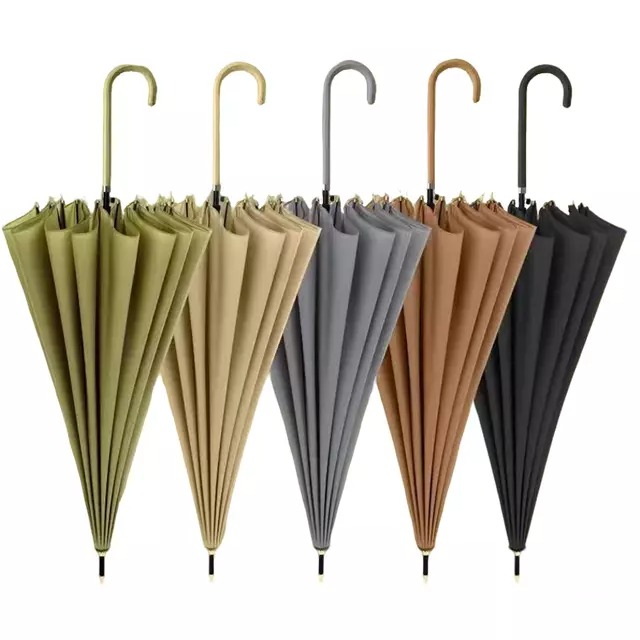
A standard long umbrella for adults is usually the classic walking style with a straight shaft and a canopy sized for one person plus a bag. In most markets, this long umbrella type is seen as the everyday default size for city commuting and general use.
Choose a long umbrella if strength, wind resistance, and a refined appearance are your top priorities. Pick a compact umbrella if portability and convenience matter more, for example when you need to keep an umbrella in a handbag, backpack, or suitcase at all times.
A golf umbrella is usually both longer and wider than a standard city long umbrella. The shaft tends to be longer to support a large canopy, which is designed to protect more than one person or to cover both the user and their equipment in open, windy spaces.
Umbrella length on its own does not decide wind resistance, but it works together with material quality, frame design, and canopy shape. A well‑engineered long umbrella with a sturdy frame, flexible ribs, and a balanced length will often perform better in gusty conditions than a shorter, lower‑quality model.
Yes, long umbrella length can be customized along with rib size, shaft material, handle design, and opening mechanism. Many OEM projects use a standard long umbrella size as a starting point, then adjust length or canopy dimensions slightly to match the target market's height, climate, and brand positioning.


