
Language
Please Choose Your Language
Views: 222 Author: Amanda Publish Time: 2025-11-07 Origin: Site


Content Menu
● Understanding the Core Categories: Toddler vs Kids Umbrella
● Key Design and Safety Principles Across Both Categories
● Diving into the Differences: Size, Weight, and Features
>> Aesthetic and Customization Opportunities
● OEM Manufacturing Considerations for Kids Umbrella Programs
● Buying Guide for Retailers and Brands
● From Safety to Style: Narrative Strategies for Market Differentiation
● Impact of OEM on Brand Outcomes
● FAQ
>> 1. What is the main difference between a toddler umbrella and a kids umbrella?
>> 2. Are there universal safety features I should require in both categories?
>> 3. How should I evaluate OEM partners for Kids Umbrella programs?
>> 4. Which design elements tend to drive retail success in Kids Umbrellas?
>> 5. What size range should I prioritize for a global Kids Umbrella line?
A well-made umbrella tailored for children can dramatically improve the user experience during wet weather, reduce the risk of injury, and strengthen a brand's reputation for safety and quality. For OEM manufacturers serving foreign brands, wholesalers, and production partners, understanding the nuances between toddler umbrellas and kids umbrellas is essential. This article explores the similarities, the differences, and the practical considerations for selecting or designing kids umbrella solutions that satisfy both safety standards and market expectations. The discussion also provides actionable guidance for brands seeking to expand their Kids Umbrella offerings through customized, certified OEM production experiences.
Toddler Umbrella and Kids Umbrella sit on the same product family but target distinct age bands and usage scenarios. The toddler segment is engineered for the youngest children, typically around ages 2 to 4, whereas the kids segment covers a broader range—from early school-age children (about 5) to pre-teens (up to around 12 or 14, depending on regional sizing conventions). This distinction drives decisions around canopy diameter, weight, safety features, handle ergonomics, and opening mechanisms, all of which influence both consumer satisfaction and retailer confidence in OEM partnerships. For brands seeking to differentiate through design, prints, and safety certifications, recognizing these boundaries is an essential step in the product development process.
While size and specific safety features differ, several core principles persist across toddler and kids umbrellas:
- Lightweight construction: Reducing weight minimizes fatigue and improves one-handed operation for young users, while still providing durable performance under typical urban rainfall. For OEM projects, lightweight materials enable lower MOQs and broader distribution.
- Child-friendly ergonomics: Handles are scaled to small hands, often featuring soft grips and curves that facilitate comfortable use. This ergonomic focus is crucial for encouraging independent use and minimizing dropped umbrellas.
- Protective canopy and ribs: Rounded tips, covered ribs, and reinforced joints minimize the risk of pinch injuries or pokes. High-quality plastics and non-toxic coatings are standard expectations in modern children's umbrella lines.
- Visual appeal and branding: Bright colors, engaging prints, and themed designs drive consumer preference in both toddler and kids segments. For OEM partners, offering customization options—prints, colors, and packaging—opens growth opportunities with international brands seeking distinctive collector-style or character-based designs.
- Weather-resistance basics: Waterproof fabrics, efficient frame geometry, and reliable opening/closing mechanisms ensure performance in typical rain events, making both categories practical daily-use items.
A structured comparison helps clarify which product spec makes sense for particular markets and retail channels.
- Toddler Umbrella: Primarily designed for children aged 2–4, with canopy diameters often between 18 and 24 inches. The goal is compact coverage that fits small frames and light handling requirements.
- Kids Umbrella: Designed for a broader pediatric range, commonly 5–12 years old, with canopy sizes typically 20–28 inches. Some OEM lines even extend to pre-teen silhouettes, balancing coverage with portability.
- Toddler Umbrella: Ultra-lightweight, often in the 200–350 gram range, enabling one-handed use and minimal fatigue for toddlers who are still developing motor skills.
- Kids Umbrella: Light to moderate weight, optimized for school-age children who can carry and operate the umbrella independently, with internal aluminum or fiberglass frame options to maintain stiffness without excess heft.
- Toddler Umbrella: Usually manual opening to keep the mechanism simple and safe, avoiding potential pinch risks associated with spring-loaded auto-open systems.
- Kids Umbrella: A mix of manual and occasional auto-open features, depending on design philosophy and target customer preferences. Performance, safety testing, and compliance documentation are critical when including auto mechanisms in children's products.
- Toddler Umbrella: Prioritizes maximum safety with reinforced tip protection, fully enclosed rib tips, minimal protrusions, and straightforward operation to prevent accidental injuries.
- Kids Umbrella: Maintains strong safety standards but may incorporate additional features such as reflective edges for visibility and slightly more robust construction to withstand active child use (running and windy conditions at school bus stops, playgrounds, etc.).
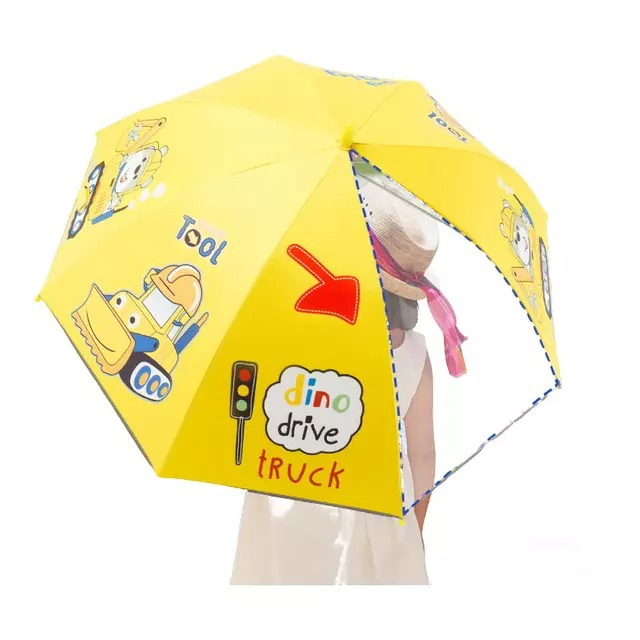
- Toddler Umbrella: Favors cute animal motifs, soft color palettes, and gentle patterns that appeal to toddlers and caregivers seeking approachable, friendly designs.
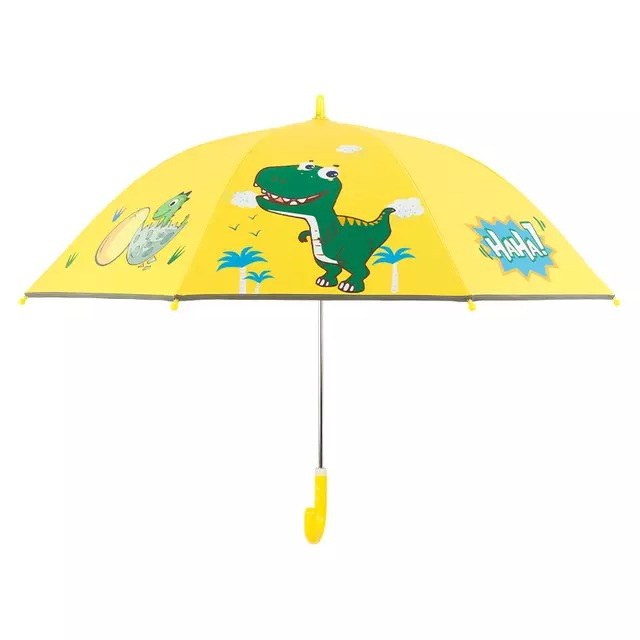
- Kids Umbrella: Offers broader branding opportunities, including character licenses, sports themes, school colors, and user-customizable prints, which are attractive to retailers and international brands seeking distinctive inventory.
For brands and distributors exploring OEM partnerships, several practical considerations can accelerate time-to-market and ensure product compliance:
- Material choices and safety certifications: Using non-toxic, child-safe materials and sourcing fabrics with proven waterproofing performance is critical. Certified suppliers with traceability enable smoother overseas certification processes and reduce recall risk.
- Durability testing and wind resistance: Kitchen table tests and wind simulations help ensure that the umbrella remains reliable under typical gusts encountered in city environments. OEM partners should provide clear test data and certificates to reassure buyers.
- Print and design flexibility: Providing rapid prototyping and small-batch capabilities helps brands iterate designs before committing to large runs. This flexibility is particularly valuable for seasonal campaigns and licensed character lines.
- Packaging and labeling: Customized packaging, safety labeling, and multilingual instruction inserts support global distribution and compliance with import regulations in target markets.
- MOQs and logistics: Flexible MOQs, scalable production schedules, and efficient logistics enable brands to align inventory with demand forecasts, promotions, and cross-border shipping requirements.
When selecting a supplier for Kids Umbrella programs, consider the following criteria to ensure a successful OEM partnership and a high-performing consumer product:
- Clear sizing guidelines: Request detailed size charts, weight specs, and recommended age ranges to minimize returns and guarantee customer satisfaction.
- Comprehensive safety documentation: Require third-party test results, certifications, and recall history disclosures to establish trust with regulators, retailers, and end consumers.
- Visual and functional customization options: Confirm the availability of designs, prints, and branding changes without compromising safety or performance.
- Post-sale support: Ensure warranty terms, spare part availability, and repair or replacement policies are transparent and easy to communicate to consumers.
A successful Kids Umbrella program blends safety with style, offering families an appealing reason to choose a particular brand. A compelling narrative for OEM partners might emphasize:
- Child-centered design philosophy: A commitment to safety-first development, ergonomic ergonomics, and age-appropriate features that scale with a child's growth.
- Global compliance: A demonstrated track record of meeting safety standards across target markets, with clear documentation and proactive risk management.
- Customization as a core value: The ability to produce limited-edition prints, licensed designs, or seasonally themed collections in coordination with brand partners.
- Value through durability: Emphasizing robust materials, reliable mechanisms, and repairability as a longer-term return on investment for families and retailers alike.
- Seamless supply chain: Highlighting efficient production cycles, transparent lead times, and dependable quality assurance practices.
Partnering with specialized OEM manufacturers to produce Kids Umbrella lines can yield tangible benefits:
- Faster time to market for new designs and seasonal campaigns
- Access to certified safety testing and compliance documentation
- Reduced risk through reliable supply chain management and clear warranty policies
- Greater market reach through multilingual packaging and localized design considerations
- Enhanced brand perception through consistent quality and safety assurances
Toddler Umbrellas and Kids Umbrellas represent two related yet distinct segments within the children's umbrella market. For brands, wholesalers, and OEM partners, the opportunity lies in delivering age-appropriate, safety-forward, stylish products that resonate with families while maintaining rigorous compliance and efficient production cycles. By aligning size, weight, opening mechanisms, safety features, and customization options with target markets, manufacturers can create robust, scalable Kids Umbrella programs that support international growth, strong retailer partnerships, and lasting consumer trust.
Toddler umbrellas are designed for ages 2–4 with smaller canopies, lighter weight, and heightened safety features, while kids umbrellas cover a broader age range (roughly 5–12) with larger canopies and potential for more diverse designs.
Yes. Rounded tips, covered ribs, non-toxic materials, and reliable manual opening mechanisms are fundamental for both, along with reflective edges for visibility in low light conditions.
Look for proven safety certifications, transparent testing results, design customization capabilities, flexible MOQs, and strong logistics support to ensure consistent quality across markets.
Engaging prints, license-based or character themes, bright colors, and practical features like wind resistance and easy-grip handles tend to attract families and drive repeat purchases.
A balanced approach includes a 20–28 inch canopy range for school-aged children, plus smaller toddler options (18–24 inch) to capture the early childhood segment in a single cohesive product family.
[1](https://www.babyproductschina.com/news/what-is-the-difference-between-kids-umbrella-and-conventional-umbrella/)
[2](https://littlesurprisebox.com/blogs/news/the-ultimate-guide-to-buying-the-best-kids-umbrella)
[3](https://www.madeumbrella.com/news/view_655.html)
[4](https://smart.dhgate.com/kids-uv-umbrella-vs-regular-umbrella-is-the-extra-protection-worth-it/)
[5](https://insights.made-in-china.com/Does-My-Child-Need-an-Umbrella-Understanding-the-Necessity-and-Benefits-for-Young-Rainy-Day-Protection_tGgTyeWDqJiP.html)
[6](https://smart.dhgate.com/are-kids-really-more-likely-to-use-a-designed-umbrella-or-is-a-plain-one-just-as-good/)
[7](https://www.walmart.com/ip/Wildkin-Kids-Umbrella-for-Boys-and-Girls-Unicorn/1020245575)


