
Language
Views: 222 Author: Amanda Publish Time: 2025-11-28 Origin: Site


Content Menu
● Core Differences Between Umbrellas And Parasols
>> Different Primary Functions
>> Fabric, Coating, And UV Performance
>> Frame Structure And Strength
● Types Of Parasols In The Market
>> Fashion And Personal Sun Parasols
>> Beach Parasols And Travel Sun Parasols
● Types Of Umbrellas And Hybrid Designs
>> Classic, Compact, And Golf Umbrellas
>> UV Umbrellas And Parasol‑Umbrella Hybrids
● Materials, Durability, And Comfort
>> Canopy Materials For Parasols
>> Canopy Materials For Umbrellas
● Application Scenarios: When To Use A Parasol, When To Use An Umbrella
>> Best Use Cases For Parasols
>> Best Use Cases For Umbrellas
>> Situations For Hybrid Parasol‑Umbrella Products
● OEM Perspective: How A Factory Can Position Parasol And Umbrella Ranges
● Are Umbrellas And Parasols The Same In Everyday Language?
● FAQ
>> 1: Are parasols waterproof?
>> 2: Can one product act as both umbrella and parasol?
>> 3: What fabric is best for a sun parasol?
>> 4: Why are garden parasols so heavy compared to umbrellas?
>> 5: How can brands customize parasols for marketing?
Umbrellas and parasols look similar at first sight, but they are not exactly the same. A parasol is designed mainly as a sunshade for UV protection and comfort, while an umbrella is primarily made to protect users from rain, wind, and bad weather. For a professional OEM factory serving overseas brands and wholesalers, understanding the real difference between an umbrella and a parasol is essential for product positioning, marketing, and technical design.
In modern markets, the word "Parasol" is strongly connected with lifestyle, outdoor leisure, beauty, and sun care. By contrast, "umbrella" is more closely linked to rain, storms, and daily commuting. However, with the development of fabric technology and frame structures, many products today can work as both an umbrella and a Parasol, especially when using waterproof and UV‑blocking materials in one design.
A parasol is a lightweight, portable or fixed shade structure designed mainly to protect people from the sun rather than from rain. Traditionally, the parasol was a fashion accessory carried by hand, often decorated with lace, embroidery, or prints, used by ladies to protect their skin from strong sunlight while walking outside or attending social events.
In the modern outdoor industry, the term Parasol also includes larger structures such as garden Parasols, patio Parasols, and beach Parasols. These products usually have a central or side pole, a wide canopy, and a stable base to create a comfortable shaded area for sitting, dining, relaxing, or working outside. What really defines a Parasol is its function: providing shade and UV protection, creating a cooler and more pleasant environment under the canopy.
An umbrella is a collapsible canopy on a central shaft, created mainly to protect people from rain. Its canopy material is usually coated or tightly woven to resist water, and the ribs and shaft are designed to handle wind and repeated opening and closing. When people think of umbrellas, they imagine commuting in the rain, walking to the office, or waiting for a bus during a shower.
Although many umbrellas also provide some level of sun protection, the main selling point is still "keep you dry and safe in bad weather." Umbrellas can be stick (long) or compact (folding), and come in many sizes such as city umbrella, kids umbrella, golf umbrella, or promotional umbrella. In recent years, UV umbrellas have appeared on the market: these combine rain protection with special coatings to block UV rays, so they can also act as practical Parasols.
The most important difference between an umbrella and a Parasol is the main function:
- A Parasol is a sunshade. It focuses on UV protection, shading, and thermal comfort in bright outdoor environments.
- An umbrella is a rain shield. It is built to resist water, cope with wind, and stay reliable in storms and showers.
Because of this, a Parasol might not be fully waterproof, but it usually has good UV blocking performance and is more comfortable to use in hot weather. An umbrella might be highly waterproof and wind‑resistant, but not every umbrella has strong UV protection unless it is specially designed as a UV umbrella.
Most modern Parasols use fabrics and coatings that prioritize UV blocking and long‑term sun exposure. Common materials include polyester, acrylic, or other outdoor fabrics that can reach UPF (Ultraviolet Protection Factor) 30, 40, or even UPF 50+. A UPF 50+ Parasol blocks the vast majority of harmful UV radiation, making it suitable for beaches, patios, cafes, and outdoor events.
Umbrellas, on the other hand, usually focus on:
- Water repellency (to keep users dry in rain)
- Quick drying
- Durability under folding and unfolding
Their fabrics are often treated with water‑repellent coatings, and some models also include silver or dark inner layers to improve UV protection. When an umbrella is advertised as a UV umbrella or sun umbrella, it is effectively working as a hybrid: both umbrella and Parasol in one product.
Parasols come in two main structural groups:
- Handheld Parasols (personal sun Parasols)
- Fixed or semi‑fixed Parasols (garden, patio, market, beach Parasols)
Handheld fashion Parasols can use light metal, fiberglass, or even wooden shafts for a stylish look. Their ribs may be slightly more delicate, with designs focused on elegance rather than extreme wind resistance. Garden or patio Parasols need a stronger frame and a solid base to support a large canopy area; they use thicker aluminum, steel, or wood poles and reinforced hubs to keep the canopy stable outdoors.
Umbrellas are usually designed for portability, so even large umbrellas try to balance strength and weight. Windproof umbrellas may use flexible fiberglass ribs, vented canopies, and carefully engineered frames to bend during gusts rather than break. While some garden Parasols share similar technology, the key point is that umbrella frames are optimized for frequent folding, carrying, and daily weather use.
Fashion Parasols are handheld accessories that combine sun protection and style. They are popular in markets where fair skin and sun protection are highly valued, and in cultural or historical themed events. A personal Parasol often features:
- Compact, easy‑to‑carry size
- Elegant prints, lace, or embroidery
- UV coatings or special linings
- Matching handles, tips, and accessories
For OEM factories, the fashion Parasol segment offers many opportunities for customization: custom patterns, brand colors, logos, and packaging can all help overseas brands differentiate their collections.
Garden and patio Parasols are larger structures usually installed in:
- Home gardens and balconies
- Hotel pools and resorts
- Restaurant and café terraces
- Commercial plazas and outdoor lounges
These Parasols can be center‑pole designs (the pole in the middle) or cantilever/offset designs (the pole is to one side, and the canopy hangs over the seating area). The canopies are often made of heavy‑duty fabrics with UV resistance, colorfastness, and sometimes soil or mold resistance. Their bases may be made from concrete, stone, cast iron, steel, plastic with sand/water filling, or a combination of materials to ensure stability.
Beach Parasols are designed for seaside environments, where sunlight is strong and wind can be unpredictable. They usually have:
- Sand anchors or spikes for easy fixing
- Vented canopies to let wind pass through
- UV‑protective fabrics
- Bright colors and patterns for vacation style
Travel Parasols are compact, lightweight sun Parasols suitable for city trips, festivals, and sightseeing. Many modern travel Parasols can also withstand light rain, making them practical all‑around shading tools.
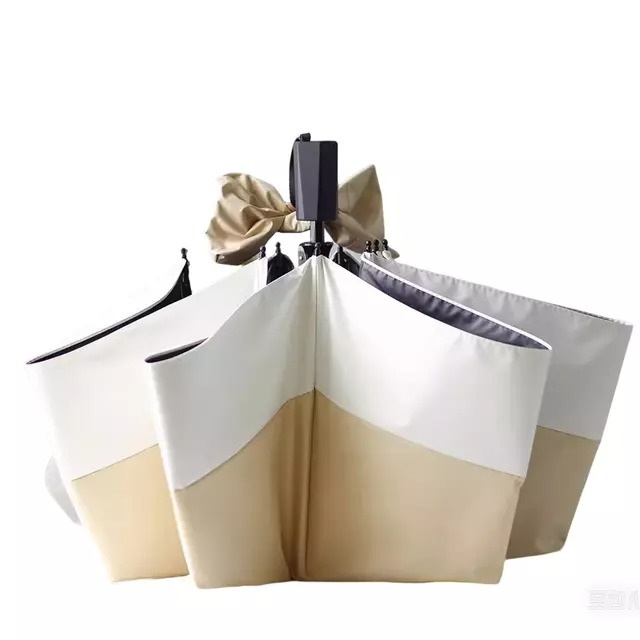
Classic stick umbrellas offer a traditional, stylish look with a long shaft and curved handle. They are often used in business and formal settings. Compact umbrellas can be folded into a small size, perfect for bags and suitcases, and are very popular for everyday commuters.
Golf umbrellas are large umbrellas with extended canopies designed to cover both the golfer and equipment. They provide excellent coverage in strong sun and heavy rain, and are often used as promotional products at events. In terms of function, a large golf umbrella can sometimes serve as a small Parasol when used purely for shade on sunny days.
The growing awareness of skin health has created a strong demand for UV umbrellas. These products:
- Use coated or multi‑layer fabrics to block UV radiation
- Maintain waterproof performance
- Often feature dark inner layers to reduce glare
From a functional point of view, a UV umbrella is essentially a hybrid Parasol‑umbrella. It lets the user carry one item that works both as a Parasol in bright sunlight and as an umbrella in sudden showers. For OEM manufacturers, this category is especially attractive because it adds clear value to standard umbrella collections and supports cross‑season sales.
For Parasols, especially garden and patio Parasols, the canopy must handle:
- Long periods of sunlight
- Heat
- Occasional light rain
- Dust and outdoor dirt
Therefore, the typical Parasol fabric emphasizes UV resistance, color stability, and strength. Some fabrics have special treatments to resist fading, mildew, or light pollution. The goal is not only to provide shade, but also to keep the Parasol looking fresh and stylish after long‑term outdoor use.
Umbrella canopies prioritize:
- Water repellency
- Lightweight
- Flexibility for folding
Materials like polyester pongee or nylon are common, often treated with a water‑repellent coating that lets raindrops bead and roll off. When combined with a UV inner layer, the same fabric can be used in hybrid umbrella‑Parasols, extending the product's function without heavily increasing cost.
Both umbrella and Parasol products can use a range of materials for frames and handles:
- Aluminum and steel for strength and cost‑efficiency
- Fiberglass for flexibility and wind resistance
- Wood or bamboo for a traditional, premium appearance
- Plastic and rubber for ergonomic grips and colorful designs
Handheld Parasols tend to favor more decorative handles to match their fashion role, while umbrellas often focus on comfort, grip, and anti‑slip performance in wet conditions.
A Parasol is the best choice when:
- The main goal is sun protection and comfort
- The user spends long hours outdoors in stable, dry weather
- The focus is on style, skin protection, and outdoor atmosphere
Examples include relaxing in the garden, sitting in an outdoor café, lounging on the beach, attending a summer wedding, or walking under strong sunlight in cities with hot climates.
An umbrella is ideal when:
- Rain protection is the first priority
- Weather is unstable with possible showers or storms
- The user needs a reliable, portable product for daily commuting
In these situations, wind resistance, water repellency, and mechanical reliability are more important than decorative details.
Hybrid products are perfect for travelers, city commuters in sunny but rainy regions, and users who prefer to carry only one item. A UV umbrella‑Parasol can protect from intense sun at midday and sudden showers in the afternoon. For brands and OEM factories, this category offers a clear selling story and justifies a higher price point.
As a professional umbrella and Parasol manufacturer serving overseas brands, wholesalers, and other producers, it is vital to:
1. Define clear product families
Create well‑structured series such as:
- Rain umbrella series (stick, folding, golf, kids, promotional)
- Sun Parasol series (fashion, personal UV, travel Parasol)
- Outdoor Parasol series (garden, patio, market, beach Parasol)
- Hybrid UV umbrella‑Parasol series
2. Offer technical specifications
Provide detailed data such as:
- Fabric type and weight
- UPF rating for Parasols and UV umbrellas
- Waterproof rating for umbrellas and hybrid designs
- Frame material and wind test performance
- Opening/closing mechanisms (manual, auto‑open, auto‑open‑close)
3. Support customization for international brands
Overseas partners often need:
- Custom colors and patterns
- Logo printing on umbrella and Parasol canopies
- Tailor‑made packaging, hangtags, and barcodes
- Special shapes (square, rectangular, pagoda, double‑roof Parasols)
4. Educate buyers with clear communication
Explain to customers:
- When they should choose a Parasol instead of an umbrella
- Why a dedicated Parasol may deliver better UV protection and comfort for outdoor business
- How a hybrid Parasol‑umbrella range can increase sell‑through in their retail channels
By doing this, your factory is not only selling products, but also providing professional guidance and value to foreign buyers.
In everyday English, many people casually use "umbrella" for almost any canopy on a stick, especially when it folds and can be carried in the hand. However, in product catalogs, technical descriptions, and B2B communication, it is better to make a clear distinction:
- Use "Parasol" when the core purpose is shade and sun protection.
- Use "umbrella" when the core purpose is rain and weather protection.
- Use "sun umbrella" or "UV umbrella" when explaining hybrid items that act as both umbrella and Parasol.
This clear vocabulary helps your international customers quickly understand your product range and select the right specification for their markets.
Umbrellas and Parasols share the same basic structure—a canopy, ribs, shaft, and handle or base—but they serve different primary purposes. A Parasol is essentially a sunshade, optimized for UV protection, comfort, and outdoor lifestyle, whether as a personal fashion Parasol, a garden Parasol, or a beach Parasol. An umbrella, on the other hand, is mainly designed to keep users dry and protected in rain and wind, with water‑repellent canopies and robust folding mechanisms.
With modern materials and technology, many products can now act as both umbrella and Parasol, especially when using UV‑blocking and waterproof fabrics. For an OEM factory working with overseas brands and wholesalers, the smartest strategy is not to treat them as "the same," but to develop a complete, well‑organized collection: dedicated rain umbrellas, specialized sun Parasols, outdoor Parasols, and hybrid UV umbrella‑Parasols. This structure helps partners meet different customer needs, grow their product lines, and strengthen their brand image in international markets.
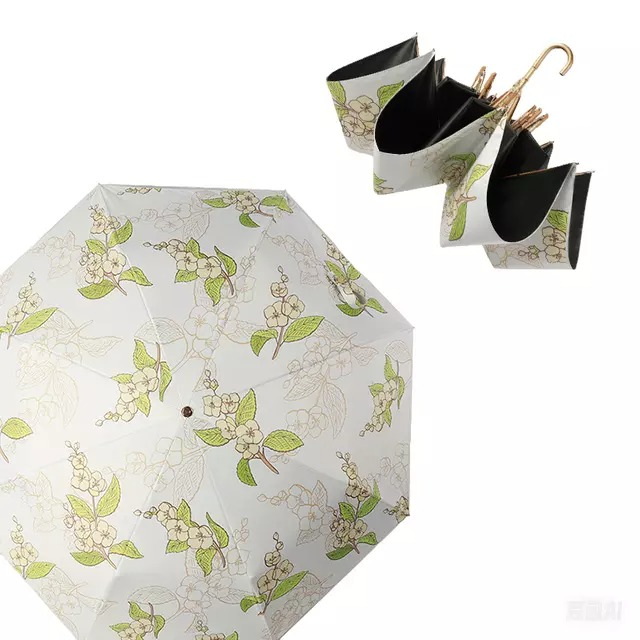
Many fashion and personal sun parasols are not fully waterproof because their fabrics and coatings are optimized for UV blocking and breathability rather than heavy rain. Some garden or patio parasols use water‑repellent materials, but they are still intended mainly as sunshade structures, not as storm‑grade umbrellas.
Yes, many modern UV umbrellas use special coatings and tightly woven fabrics that provide both water resistance and high UPF ratings, so they can function as a rain umbrella and a sun parasol at the same time. These hybrid designs are popular for travel and everyday commuting where users want all‑weather protection with one compact product.
High‑quality sun parasols usually use polyester, acrylic, or olefin fabrics with UV‑blocking treatments, which can achieve UPF 50+ ratings for strong sun protection. Darker colors often enhance UV absorption, but proper coating and fiber selection are more important than color alone in professional Parasol design.
Garden and patio parasols must support larger canopies and withstand outdoor conditions, so they use stronger poles, hubs, and bases, often made from aluminum or steel. Their heavier weight improves stability against wind and keeps the Parasol safely in place over tables or lounge areas for extended periods.
Brands can customize parasols by choosing canopy colors, printing logos or artwork, and selecting specific Parasol styles such as patio, beach, or folding personal sun Parasols. OEM factories can also adjust sizes, shapes, and accessories like valances or fringes to match brand identity and outdoor furniture collections.
[1](https://blogs.cdc.gov/niosh-science-blog/2022/05/25/mm_umbrellas/)
[2](https://www.youtube.com/watch?v=dQkghj7HKcE)
[3](https://www.aicathlonoutdoor.com/news/from-raw-materials-to-sturdy-support-the-production-process-of-garden-umbrella-bases/)
[4](https://pbspracharbharat.com/behind-the-scenes-the-manufacturing-process-of-promotional-umbrellas/)
[5](https://www.brandedbrolly.com/how-to-make-umbrellas/)


