
Language
Please Choose Your Language
Views: 222 Author: Amanda Publish Time: 2025-12-14 Origin: Site


Content Menu
● Core Differences Between a Beach Umbrella and a Patio Umbrella
>> Frame and structural design
>> Portability and typical usage
● When Can a Beach Umbrella Work as a Patio Umbrella?
● How to Adapt a Beach Umbrella for Patio Use
>> Step 1: Measure the Beach Umbrella pole
>> Step 2: Choose an appropriate base
>> Step 3: Install and stabilize the Beach Umbrella
>> Step 4: Test canopy operation and wind response
● Safety Tips for Using a Beach Umbrella on a Patio
● Design and Branding Opportunities for OEM and Trade Buyers
● Common Use Scenarios: Which Umbrella Is Best?
● Practical Advice for Choosing Between a Beach Umbrella and a Patio Umbrella
● FAQ
>> 1. Can I safely use a Beach Umbrella on my apartment balcony?
>> 2. Will a Beach Umbrella last as long as a patio umbrella if left outside?
>> 3. What type of base should I use for a Beach Umbrella on a patio?
>> 4. Does a Beach Umbrella provide enough UV protection for patio use?
>> 5. Is a Beach Umbrella suitable for outdoor restaurants and cafes?
A Beach Umbrella is designed first for portability and sun protection on sand, while a patio umbrella is engineered for stability and daily use on hard surfaces. When you understand these differences, you can decide whether to adapt a Beach Umbrella for your patio or invest directly in a patio umbrella. For OEM buyers, brands, and wholesalers, this decision also affects product positioning, cost, and customer satisfaction.
A Beach Umbrella is a lightweight, portable shade product specifically built for use on sand, at seaside resorts, lakes, and poolside areas. It typically features a slim pole, a pointed or screw‑type bottom segment, and a canopy that focuses on blocking UV radiation and glare from the sun. Portability is a core design principle: most Beach Umbrella models fold down into a compact size and come with matching carry bags or straps.
Because a Beach Umbrella is meant to be carried by hand or in the trunk of a car, manufacturers use lighter materials such as aluminum or fiberglass for the frame and ribs. The canopy fabric tends to be quick‑drying, with coatings or fibers that deliver a high UPF rating for skin protection. Many modern Beach Umbrella designs also include tilt functions and vented tops, helping them shed some wind while keeping shade coverage flexible during a day at the shore.
A patio umbrella is designed as a semi‑permanent shade solution for backyards, decks, gardens, balconies, and commercial outdoor dining spaces. Instead of being pushed into sand, it relies on a heavy base and sometimes a table hole to keep the structure stable on hard surfaces such as concrete, stone, or wood. A patio umbrella's frame is noticeably thicker and stronger than that of a typical Beach Umbrella, as it must cope with repeated opening, closing, and exposure to changing weather.
Patio umbrellas usually have canopies made from durable outdoor fabrics that resist fading, mildew, and degradation over long periods of sun and rain. Hardware such as cranks, pulleys, push‑up systems, and locking mechanisms are designed for frequent use throughout a season. Many designs also include tilt or rotation features so users can follow the sun over the course of the day, keeping dining and lounge areas comfortable.
Although a Beach Umbrella and a patio umbrella share the same fundamental goal—creating shade and reducing UV exposure—their structures, use cases, and performance characteristics differ in several important ways. Understanding these differences clarifies when a Beach Umbrella can realistically replace a patio umbrella and when it cannot.
A Beach Umbrella frame prioritizes low weight and portability over maximum strength. Slim poles and flexible ribs make it easy to carry and handle, but they are more vulnerable to bending or inverting in stronger winds. A patio umbrella frame, on the other hand, is heavier and more rigid. It uses thicker aluminum, steel, or wood poles, reinforced joints, and stronger ribs that allow the umbrella to remain stable and usable over an entire season.
A Beach Umbrella is designed to be anchored by pushing or screwing the pointed pole into sand or other soft ground. On a patio, this anchoring method is not possible, so the Beach Umbrella must be adapted to a separate base. A patio umbrella is engineered from the start to work with a weighted base, often 25–50 lb or more, and sometimes a table that stabilizes the center pole. That difference in intended support system explains much of the variation in performance on hard surfaces.
Because a Beach Umbrella is used intermittently and often stored indoors between trips, its materials are optimized for short, intense exposure rather than continuous outdoor life. The fabric focuses on UV protection and quick drying, while metal parts are resistant but not necessarily built for year‑round exposure. Patio umbrellas use fabrics and finishes that are designed to stay outside for months at a time. The priority is long‑term weather resistance, color retention, and resistance to rust or corrosion.
A Beach Umbrella is built for mobility: families and travelers carry it from car to beach, then back home, again and again. A patio umbrella is designed to remain in one place, such as a dining set or lounge space, with only occasional repositioning. If a customer values portability over all else, a Beach Umbrella is attractive, even for patio use. If stability and long service life are more important, a patio umbrella is usually the better choice.
A Beach Umbrella can work as a patio umbrella in light‑duty, low‑wind, and occasional‑use situations. This is especially true on smaller patios, balconies, or temporary outdoor setups where the user wants flexibility and may already own a Beach Umbrella. If combined with the right base and used with sensible safety practices, it can provide effective shade and comfort.
However, the limitations of a Beach Umbrella become clear in more demanding scenarios. It is not the ideal choice for very windy locations, rooftop terraces, large commercial terraces, or year‑round outdoor installations. The lighter structure and beach‑oriented design mean that long‑term patio performance may fall short of what customers expect from a dedicated patio umbrella.
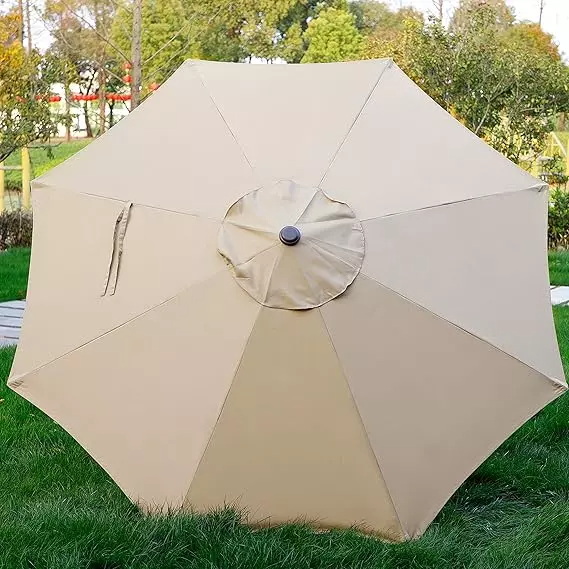
To use a Beach Umbrella effectively on a patio, the key is to adapt it to the hard surface environment. That means replacing its original sand‑anchoring role with a stable base and ensuring that the pole, height, and canopy size all work with the patio setting.
Start by measuring the diameter of the Beach Umbrella pole. Many bases are designed to fit common patio umbrella pole diameters, which may be larger than a beach model. If the Beach Umbrella pole is significantly slimmer, an adapter sleeve or reducing insert can help it fit securely in a standard base. Also check the total pole length; some Beach Umbrella designs are shorter and may need a raised base or table to provide enough headroom over seating.
Next, select a base that matches both the Beach Umbrella pole and the canopy size. A small Beach Umbrella canopy can work with a lighter base, while a wide canopy requires more weight to prevent tipping. Look for bases with adjustable tightening knobs or clamps that can grab narrower Beach Umbrella poles. The base should be heavy enough for typical wind in your area and should sit stable on the patio surface.
Place the Beach Umbrella pole into the base and tighten all adjustment points. The pole must sit straight and should not shift when gently pushed. If the base includes additional stabilizing hardware, such as locking screws or collars, make sure they are fully engaged. For extra safety in gusty areas, place the base on level ground and consider adding sandbags or pavers around it.
Open the Beach Umbrella canopy gradually while watching the pole and base. The structure should remain vertical and stable. If your Beach Umbrella has a tilt feature, test it in different positions and verify that the base still holds the pole securely. Always close the Beach Umbrella in strong winds or whenever you are away from the patio for extended periods.
Safety is essential when a product is used outside its primary environment. A Beach Umbrella on a patio can be safe and comfortable if several precautions are followed consistently.
First, respect wind conditions. A Beach Umbrella's lighter frame handles mild breezes but is more likely to invert, bend, or tip over in gusty winds. Closing and securing the canopy during strong wind or storms greatly reduces the risk of accidents. Second, maintain adequate clearance. Make sure the open Beach Umbrella does not interfere with doors, windows, railings, or walkways. On balconies, always confirm that the umbrella cannot be pushed or blown over the edge.
Third, follow basic maintenance habits. Regularly check the Beach Umbrella pole, ribs, and joints for damage, especially after windy days. Inspect the base and fasteners, tightening anything that feels loose. If the canopy fabric starts to show wear or fading from continuous patio use, consider replacing it or transitioning to a dedicated patio umbrella.
From a manufacturing and OEM perspective, both Beach Umbrella and patio umbrellas provide strong platforms for brand building. The canopy acts as a large, visible surface that can show logos, color schemes, slogans, or seasonal artwork. For brands that sell to both beach and patio customers, coordinated Beach Umbrella and patio umbrella collections create a unified outdoor image.
A Beach Umbrella often uses bold, high‑contrast patterns and bright colors that stand out on crowded beaches. This style can appeal to younger consumers, travel brands, and retailers focused on fun, seasonal products. Patio umbrellas may use more muted tones or elegant fabrics that match furniture sets in cafes, resorts, and private homes. Combining both approaches, OEM manufacturers can offer Beach Umbrella and patio umbrella ranges that share the same branding but are technically adapted to their environments.
For wholesalers and importers, the ability to supply both Beach Umbrella products and patio umbrellas allows them to address multiple channels and climates. A versatile Beach Umbrella model that can also be adapted to patio use, with appropriate bases and accessories, adds value for retailers that want flexible inventory. At the same time, high‑spec patio umbrellas can target premium hospitality and commercial accounts.
In everyday life, customers face several typical scenarios where they must choose between a Beach Umbrella and a patio umbrella. Understanding these situations helps them buy the right product and helps brands position their offerings clearly.
For small balconies, rental apartments, and temporary outdoor setups, a Beach Umbrella can be an attractive solution. It is easy to move, store, and transport, and when combined with a good base, it can deliver enough shade for a couple of chairs or a compact table. For families who visit the beach and also have a small patio, one Beach Umbrella that serves both spaces may be a practical choice.
For permanent backyard dining sets, hotel terraces, restaurant patios, and rooftop lounges, a dedicated patio umbrella is generally the better option. These environments demand stability, durability, and a professional appearance day after day. A heavier, stronger frame and a purpose‑designed base improve safety and comfort, especially in variable weather. In many commercial settings, a Beach Umbrella would simply not meet operational requirements for longevity and performance.
When deciding whether to adapt a Beach Umbrella or invest in a patio umbrella, consider the following practical questions:
- How often will the umbrella be used on the patio?
Occasional weekend use leans in favor of a Beach Umbrella that can also be taken to the beach. Daily or all‑season use favors a patio umbrella.
- How windy is the location?
Sheltered courtyards and low balconies may be safe for a well‑based Beach Umbrella. Exposed rooftops and open gardens require a stronger patio umbrella.
- Is portability important?
If the user often moves the shade between different outdoor areas or transports it by car, the portability of a Beach Umbrella is a major benefit.
- What are the aesthetic and branding needs?
Beach Umbrella designs support playful graphics and seasonal promotions, while patio umbrellas often align with permanent décor and hospitality branding.
By evaluating these factors carefully, customers and specifiers can select the most appropriate solution or decide to stock both Beach Umbrella and patio umbrella products in their range.
A Beach Umbrella can be used as a patio umbrella, provided it is paired with a suitable base, set up on a stable surface, and closed during strong winds or storms. This approach works well for light‑duty, occasional use, and for users who value portability and multi‑purpose products. In such cases, adapting a Beach Umbrella offers a flexible, cost‑effective shading solution for balconies, small patios, and seasonal outdoor events.
However, for long‑term, intensive, or commercial applications, a dedicated patio umbrella remains the more reliable choice. Its stronger frame, heavier base, and weather‑resistant materials deliver better performance, safety, and service life. For OEM manufacturers, brands, and wholesalers, offering both Beach Umbrella and patio umbrella options—potentially in coordinated designs—allows a complete product strategy that covers both the beach and the patio with tailored solutions.
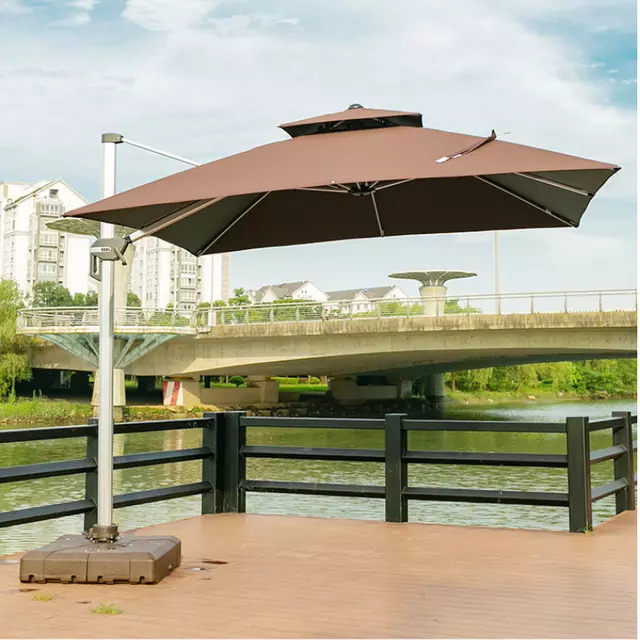
Yes, a Beach Umbrella can be used on an apartment balcony if it is placed in a correctly sized weighted base and set on a stable, level surface. Always make sure the Beach Umbrella cannot be pushed or blown over the railing, and close it whenever you leave the balcony or when wind speeds increase.
In most cases, a Beach Umbrella will not last as long as a patio umbrella when left outside permanently. Beach Umbrella materials are optimized for intermittent beach trips and storage, while patio umbrellas are engineered for continuous outdoor exposure, more frequent use, and stronger weather resistance.
For patio use, choose a heavy base designed for outdoor umbrellas, checking that the pole diameter of your Beach Umbrella matches the base or can be adapted with sleeves. The base weight should be appropriate for the canopy size and local wind conditions, and the pole must sit firmly without wobbling.
Many Beach Umbrella canopies are created with strong UV protection in mind and can offer similar or even higher UPF ratings compared to some patio umbrellas. For effective patio use, look for Beach Umbrella models with clearly stated UPF ratings and position the canopy so that it shades seating areas during peak sun hours.
For professional outdoor restaurants and cafes, a dedicated patio or market umbrella is usually more suitable. Commercial spaces need robust frames, heavy bases, and long‑term durability that go beyond what most Beach Umbrella designs provide. Beach Umbrella products can still be useful for temporary events or extra portable shade, but they are not ideal as primary, year‑round solutions in hospitality environments.


