
Language
Please Choose Your Language
Views: 222 Author: Amanda Publish Time: 2025-11-28 Origin: Site


Content Menu
● Key Differences Between Parasols and Umbrellas
>> Purpose and Primary Function
● Can an Umbrella Really Be Used as a Parasol?
● UV Protection: Why Parasol Technology Is Superior
● Applications: When to Choose a Parasol Over an Umbrella
● Innovations: Parasol and Umbrella OEM Solutions
● Maintenance and Care of Parasols
● Fashion, Branding, and Lifestyle Value
● Choosing the Right Product: Parasol, Umbrella, or Hybrid?
● Frequently Asked Questions (FAQ)
>> Can any umbrella be used as a parasol?
>> Do parasols protect against rain?
>> Which lasts longer: parasol or umbrella?
>> Is it possible to buy a hybrid product?
>> What should a foreign brand or wholesaler consider when sourcing parasols or umbrellas?
The parasolis one of history's most recognizable symbols of leisure, but its function and design have evolved dramatically over time. As a leading umbrella OEM manufacturer, we often encounter customers worldwide wondering whether regular umbrellas can suffice for sun protection, or if a specialized parasol is better. This comprehensive guide explores the key factors, differences, innovations, and usage scenarios, providing clarity for buyers, foreign brands, wholesalers, and end-users who value both sun safety and style.[1][3][4]
A parasol is fundamentally a lightweight, portable shade device designed specifically to shield individuals from direct sunlight. Historically rooted in cultures ranging from ancient Egypt to Victorian Europe, parasols have signified both sophistication and practical sun care. Unlike umbrellas, which primarily focus on rain protection, parasols prioritize UV-blocking materials, elegant aesthetics, and coverage tailored for sunny environments.[4][1]
- Parasols typically feature larger canopies made from sun-reflective fabrics.
- Their frames are manufactured with light, easy-to-carry materials.
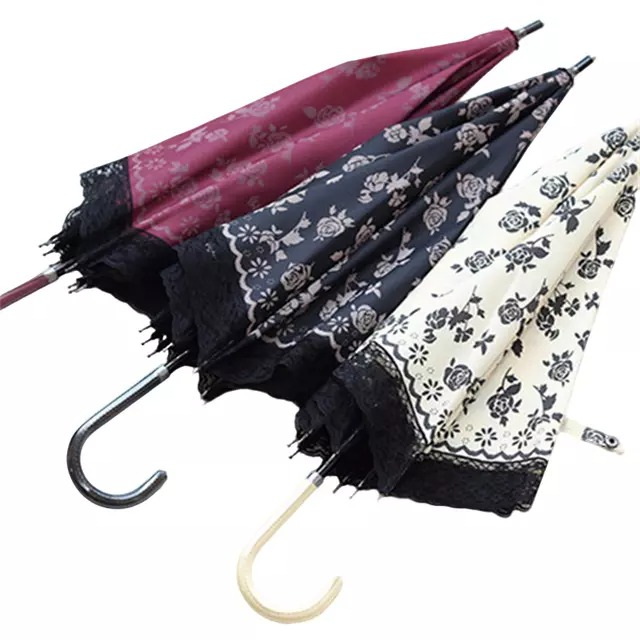
- Popular designs include attention-grabbing shapes and delicate touches such as lace or tassels.
Modern parasols appear at beach resorts, weddings, outdoor cafés, and garden parties, blending ornamental beauty with functional UV protection.
An umbrella is designed for water resistance, with sturdy canopies and mechanisms to keep users dry during inclement weather. They are convenient to carry, instantly deployable, and crucial for urban dwellers and outdoor adventurers facing unpredictable rain.
- Umbrella components focus on strength and waterproofness.
- Fabric choices include high-density polyester or nylon coatings.
- Frames utilize aluminum, steel, or fiberglass for durability.
While traditional umbrellas center on practicality, manufacturers today commonly offer combined sun-and-rain protection options that bridge the gap between umbrellas and parasols.
- Parasols prioritize sun safety, style, and shade.[6]
- Umbrellas focus on keeping their users dry in wet conditions.
- Parasols use lighter, UV-coated fabrics like cotton, silk, or lace.
- Umbrellas rely on waterproof, weather-resistant textiles such as treated polyester.[4][6]
- Parasol frames are lighter (often bamboo or wood), ideal for portability, while umbrellas have reinforced steel or fiberglass structures.
- Parasol designs are often ornate and accentuate fashion.
- Umbrellas maintain a focus on functionality, sometimes sacrificing aesthetics for sturdiness and ease of use.[1][6]
- Parasols typically shade one or two individuals, though patio parasols and garden umbrellas cover larger groups.
- Some umbrellas offer tilting mechanisms to adapt to changing sun positions.
- Both product types can feature unique prints, branding, and patterns—key for OEM and ODM clients seeking differentiation.
Many people grab their trusty umbrella when stepping into the sun, which works to an extent. Standard umbrellas block portions of sunlight and provide shade for the face and shoulders, helping avoid immediate exposure. However, several performance gaps exist when compared to true parasols:
- Umbrellas may lack effective UV filtering unless made with special fabrics.[3]
- Regular umbrella frames aren't optimized for stationary shade in strong sunlight—especially for group cover.
- Water-resistant coatings don't always block harmful UVA/UVB rays.
For short-term use on sunny days, a quality umbrella provides basic protection. For extended outdoor activity, or for sensitive skin, a purpose-built parasol remains the safer, more stylish choice.
A major selling point of parasols is their superior UV-blocking capability:
- Many parasols use textiles tested for UPF (Ultraviolet Protection Factor), often offering 40+ or 50+ ratings.
- Specialized coatings, such as titanium oxide or silver lamination, can deflect and absorb UV rays.
- Stationary parasols for patios or gardens often include vented canopies for air circulation, reducing heat buildup.
Umbrellas increasingly incorporate UV protection, and innovative OEM models can feature waterproof, UV-resistant fabric in one product—an ideal solution for international brands seeking maximum versatility.
Consider your environment, expected weather, and use case when choosing shade protection:
- Beach Days: Parasols provide broader, longer-lasting shade and are often easier to anchor in sand.
- Outdoor Events: Decorative parasols add sophistication to weddings, picnics, or art festivals.
- Travel & Leisure: Handheld parasols let you explore sunny locales safely and stylishly.
- Gardens or Patios: Large parasols shade outdoor furniture and protect groups from midday sun.
- Urban Commuting: Umbrellas are compact, quick to deploy, and better for unpredictable showers.
If portability, flexibility, and multi-purpose protection are priorities, hybrid umbrellas are increasingly available. For beauty, sun-blocking, and group settings, parasols remain unmatched.[5][6]
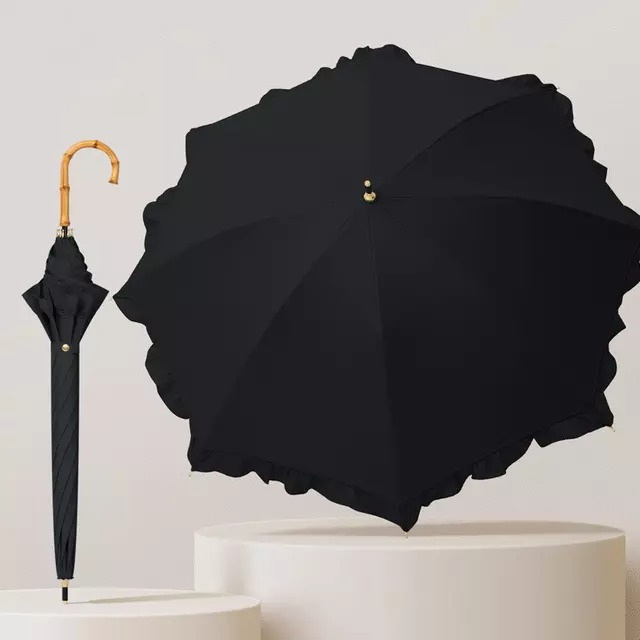
As a manufacturer supplying foreign brands and wholesalers, we understand that today's market demands products that blend aesthetics, protection, and customization. OEM solutions now include:
- Dual-purpose umbrellas featuring specialized UPF and waterproof coatings.
- Parasol frames designed for strength, lightness, and collapsibility.
- Modular canopies allowing for brand-specific prints, colors, or logos.
- Accessories such as weighted bases, tilting arms, and replaceable covers.
- Eco-friendly options, utilizing sustainable materials and packaging.
Competitive international partners increasingly require product differentiation, local compliance certifications, and the ability to tailor every aspect from handle length to logo placement.
Attentive maintenance can lengthen the life-span and enhance the effectiveness of any parasol or umbrella:
- Clean gently with mild soap and water—never abrasive chemicals.
- Store in well-ventilated areas to avoid mold or mildew.
- Lubricate folding mechanisms and hinges in adjustable models.
- Use protective sleeves or covers when storing for long periods.
- Inspect regularly for loose stitching or faded material—replace as needed.
Customers and brands will value OEM support for after-sales service and maintenance tips, boosting confidence and long-term loyalty.[5]
Beyond their practical use, parasols remain a touchstone of personal style, branding, and lifestyle appeal:
- Parasols often serve as fashion accessories in weddings, photoshoots, and celebrity events.
- Custom parasols make standout promotional products for hotels, resorts, and cafés.
- The lightweight, decorative style promotes luxury, relaxation, and status.
- Color, shape, and ornamentation can reinforce brand identity, create memorable experiences, or serve as heritage symbols.
OEM producers must anticipate trends in consumer fashion, cultural significance, and evolving requirements for sun safety in global markets.
To maximize protection and enjoyment when using parasols and umbrellas:
- Always test for certified UV protection (look for UPF 40+ or 50+).
- Anchor larger models securely; wind can tip lightweight frames.
- Combine with sunscreen or protective clothing during peak UV hours.
- Store out of reach of small children and pets to avoid breakage.
- Never use parasols in strong winds, storms, or adverse weather.[6][4]
Selecting the best product depends on your climate, usage, and aesthetic preferences:
- If rain is frequent, prioritize a sturdy, compact umbrella.
- For sunshine and fashion, gravitate toward high-quality parasols.
- For international buyers or uncertain weather, dual-use hybrid products offer value and versatility.
- Always balance function, materials, style, and cost when sourcing for commercial or OEM needs.[3]
By investing in research and product development, manufacturers can offer more robust, safe, and stylish options to partners worldwide.
Parasols represent a timeless solution for sun protection, offering elegance and comfort that suits countless climates and cultures. While umbrellas may suffice for brief sun exposure, dedicated parasol technology provides superior UV defense, wider shade, and style that enhances outdoor experiences. OEM innovation now supports custom hybrid models blending the best aspects of both, serving the needs of global brands, wholesalers, and consumers. By understanding these differences and features, buyers can make smarter decisions for health, beauty, and long-term value.
Most umbrellas can offer some shade, but only certain models include UV-blocking textiles comparable to genuine parasols. For reliable sun protection, always verify the umbrella's UPF rating and material specifications.[1][6]
Most parasols are not designed for rain protection. While some can temporarily shield against light drizzle, their lightweight fabric may quickly become saturated. Always use water-resistant umbrellas for wet weather scenarios.[3][4]
Umbrellas generally withstand frequent use and harsher weather better than parasols. Properly cared-for parasols can provide years of sun safety, but regular exposure to wind or rain may shorten their lifespan.[5]
Yes. Many modern OEM models integrate waterproof materials with UV-blocking technology, offering users shade and rain protection in one product—perfect for changing seasons or international buyers seeking flexibility.[3]
Consider quality, certifications (e.g., UPF ratings), user needs, local climate, portability, branding options, and after-sales support. OEM manufacturers offer specialized customization and product development to meet global market requirements.[4][1][5][3]
[1](https://igerenjoyparasol.com/what-is-the-difference-between-a-parasol-and-an-umbrella/)
[2](https://artsandculture.google.com/usergallery/YAISMX_YucmALg)
[3](https://insights.made-in-china.com/Umbrellas-Vs-Parasols-Selection-Guide-Differences-and-Best-Use-Cases-for-Weather-Protection_XApaLDKvhEHO.html)
[4](https://umbrellabazaar.com/blogs/news/what-is-a-parasol-umbrella)
[5](http://www.cfylfurniture.com/news/comparison-between-a-parasol-and-a-foot-market-umbrella/)
[6](https://hauserspatio.com/blog/unique-and-exciting-differences-of-parasol-vs-umbrella-exposed/)
[7](https://www.gloryleisure.com/patio-umbrella-vs-parasol-understanding-the-differences-and-choosing-the-perfect-shade-solution/)
[8](https://smart.dhgate.com/parasol-vs-sun-umbrella-are-they-really-that-different-or-just-fancy-names/)


