
Language
Please Choose Your Language
Views: 222 Author: Amanda Publish Time: 2025-12-14 Origin: Site


Content Menu
● How Cruise Lines View Beach Umbrellas
● Why Large Beach Umbrellas Are Restricted
● Choosing the Right Beach Umbrella for a Cruise
● Packing a Beach Umbrella for Embarkation
● Storing Your Beach Umbrella in the Cabin
● Using a Beach Umbrella on the Ship vs at Ports
● Beach Umbrella Etiquette on Busy Cruise Beaches
● Anchoring a Beach Umbrella Safely in the Sand
● Renting Shade vs Bringing Your Own Beach Umbrella
● Other Sun‑Protection Essentials to Pair with a Beach Umbrella
● How a Beach Umbrella Fits Cruise Packing Strategy
● OEM and Private‑Label Beach Umbrella Opportunities
● How to Communicate Beach Umbrella Policies to Customers
● FAQ
>> 1. Can I open my Beach Umbrella on the ship?
>> 2. What size Beach Umbrella is best for a cruise?
>> 3. Are clamp‑on Beach Umbrellas better than traditional pole umbrellas?
>> 4. Do I still need sunscreen if I use a Beach Umbrella?
>> 5. Is it worth bringing a Beach Umbrella if my cruise offers rental shade?
A Beach Umbrella is one of the most useful sun‑protection items for cruise passengers who love spending time on sandy beaches, but it is also a bulky object that raises safety and space concerns on a ship. Many cruise lines allow guests to bring a Beach Umbrella as long as it remains folded on board and is used only ashore during beach stops. At the same time, some lines, especially family‑oriented brands, set stricter rules and may only permit compact rain umbrellas or very small shades.
To avoid problems at embarkation, cruise travelers need to understand how a Beach Umbrella is classified by their chosen line, what size and type are considered acceptable, and where it can be safely opened. This knowledge helps you pack efficiently, pass security smoothly, and enjoy your Beach Umbrella on sunny beaches without running into policy issues or safety conflicts with crew and other guests.
Cruise companies publish packing guidelines and restricted‑items lists that indirectly determine how a Beach Umbrella is treated. In many cases, a Beach Umbrella is grouped with sporting goods or beach equipment that are allowed “for port use only,” meaning you can bring and store them, but you cannot actively use them on board. This is similar to how snorkel gear, floating mats, or certain sports items are handled.
On the other hand, some lines draw a clear distinction between small rain umbrellas and large Beach Umbrellas. A compact folding umbrella for rain, carried like everyday travel gear, is almost always accepted. In contrast, a wide‑spreading Beach Umbrella canopy with a long pole may be considered too bulky or unsafe to open on ship decks, even if it is allowed in your luggage. Because there is no single worldwide rule, travelers must always verify current instructions from their specific cruise line before finalizing packing plans.
The main reasons cruise lines restrict large Beach Umbrellas relate to safety, crowd management, and ship design. Open decks and pool areas are exposed to strong winds, and a poorly secured Beach Umbrella can easily turn into a flying object that may hit other guests, damage property, or even go overboard. In addition, open umbrellas take up significant floor space, blocking walkways, reducing visibility, and making it harder for crew to monitor the area.
Another concern is emergency access. On a cruise ship, crew must be able to move quickly and clearly through public zones during safety drills or real incidents. Large Beach Umbrellas can obstruct escape routes and stairways, so most lines prefer to rely on fixed, built‑in shade structures that meet maritime safety standards. As a result, your Beach Umbrella is usually welcome as a beach accessory at ports but not as a personal canopy on the ship itself.
For cruise travel, not every Beach Umbrella is suitable. Instead of a heavy, full‑height model designed to stay in your car trunk for local day trips, focus on slim, portable versions tailored to luggage and tight cabins. A cruise‑friendly Beach Umbrella typically has:
- A collapsible or telescoping pole that reduces length for packing.
- A lightweight frame, often aluminum or fiberglass, that is easy to carry.
- A durable canopy with UV protection coating to block strong tropical sun.
- A carrying bag with shoulder strap for walking through terminals and ports.
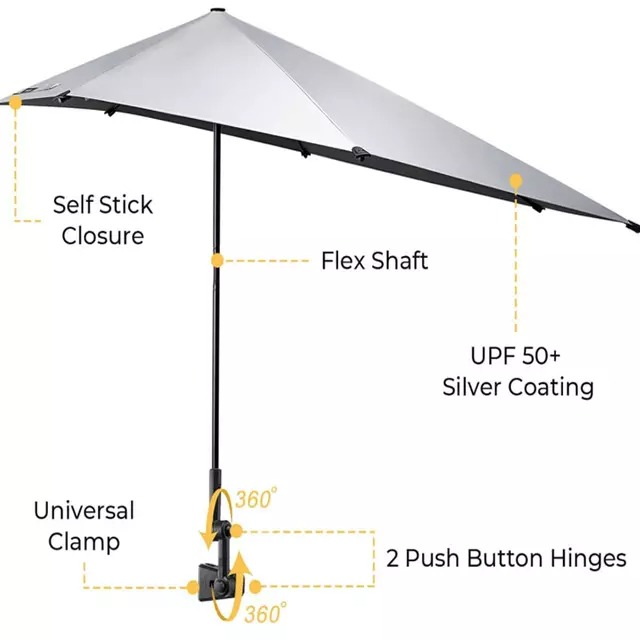
Clamp‑on Beach Umbrellas are especially popular among cruisers. These smaller shades attach directly to a chair or lounger, offering directional shade with far less bulk than a standard pole‑in‑sand design. Because clamp‑on models fold very small, they can fit into a carry‑on or checked suitcase and are less likely to be treated as cumbersome equipment. When planning your trip, think of the Beach Umbrella as part of a compact travel kit, not a full‑scale beach structure.
How you pack a Beach Umbrella can affect both security screening and the condition of your luggage. Whenever possible, place the Beach Umbrella in checked baggage rather than carrying it loose through the terminal. A long duffel or hard‑sided suitcase protects the canopy and prevents the metal pole from catching on conveyors or other bags.
Before packing, make sure all sharp ends are capped or covered. If your Beach Umbrella includes a spike for the sand, protect it with a plastic cover or wrap it in thick clothing so it does not damage other items. Keep any detachable pieces, such as a clamp or sand anchor, together in a small pouch so you do not lose them when unpacking in your cabin. A carefully packed Beach Umbrella is more likely to travel safely and avoid delays at the security checkpoint.
Cruise cabins are compact, so efficient storage is important. Fortunately, most travel‑style Beach Umbrella models can slide neatly under the bed once folded. If the pole is short enough, you can also tuck the Beach Umbrella into a closet corner or between the wall and a piece of furniture. The goal is to keep walkways clear so no one trips at night.
When you first enter the cabin, take a moment to decide where the Beach Umbrella will live for the entire voyage. Putting it in the same place every time helps ensure you do not misplace it on busy port days. It also prevents clutter that can make the room feel smaller. A tidy storage plan means your Beach Umbrella is always ready when you need it and out of the way when you do not.
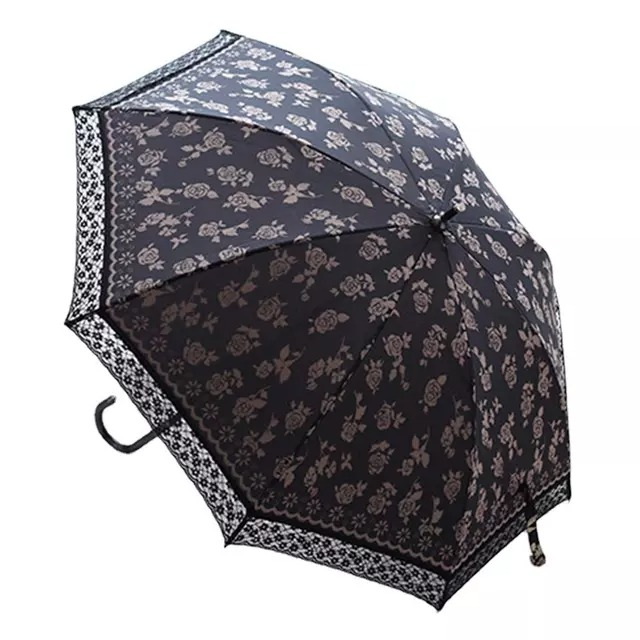
The practical difference between using a Beach Umbrella on the ship and at ports is simple: most of the time, the ship is for storage only, while the beach is for active use. On deck, you will normally rely on permanent shade from awnings, overhangs, or built‑in structures around the pool. Even if it feels tempting to open your Beach Umbrella next to a lounger on a hot sea day, crew members will often ask you to close it for safety reasons.
At ports of call, the situation changes. Once you step onto a public or cruise‑managed beach, your personal Beach Umbrella becomes a valuable asset, especially when rental shade is limited or expensive. You can select a quiet area away from crowds or position your Beach Umbrella closer to the waterline than rental rows allow. Just remember that local beach rules still apply, so avoid restricted zones, respect lifeguard instructions, and keep public paths clear.
Good etiquette helps everyone enjoy their time in the sun. When setting up a Beach Umbrella near other cruise guests, leave enough space so the canopy does not overshadow strangers or block their view of the sea. If people have already settled into a small cluster, choose a spot slightly to the side rather than squeezing your Beach Umbrella directly in front of them.
Be mindful of wind direction as well. Position your Beach Umbrella so that if it does move, it will not topple directly onto another family. Lower the canopy when you step away for a long swim or lunch break; this reduces the chance that a sudden gust will lift the Beach Umbrella and send it tumbling down the beach. A considerate setup keeps both your neighbors and your crew happy.
Proper anchoring is one of the most important skills for any Beach Umbrella user. Start by inserting the lower pole deep into the sand, using your body weight and a gentle twisting motion to reach firm ground. Burying the base at a steep angle, leaning slightly into the wind, makes the Beach Umbrella more stable than placing it straight up.
For added security, many travelers bring a compact sand anchor or screw‑style base designed specifically for Beach Umbrellas. These devices create a strong grip in loose sand, reducing the risk of the umbrella pulling free. After opening the canopy, test the structure by gently pushing against the pole to see how it reacts to pressure. If it feels loose, close the Beach Umbrella and adjust the anchor before relaxing. Safety comes first, both for you and for everyone on the beach.
On many popular cruise beaches and private islands, shade rentals are easy to find. You can often pay a single fee for a pair of loungers and one large umbrella set up by local staff. This is extremely convenient if you prefer to travel light and do not want to carry a Beach Umbrella through terminals or tenders.
However, rentals are not always ideal. At peak times, the best spots may already be taken, leaving you far from the water or crowded tightly among other guests. In addition, rental costs can add up across multiple port days. Bringing a personal Beach Umbrella gives you more control: you can choose your exact location, adjust the angle throughout the day, and walk further along the shore where it is quieter and cooler. For frequent cruisers, a durable travel Beach Umbrella may quickly pay for itself.
Even the best Beach Umbrella cannot cover every situation, especially when you are walking around port towns, exploring historic sites, or standing in line for tender boats. For this reason, it is wise to treat the Beach Umbrella as just one part of a broader sun‑protection strategy that also includes:
- High‑SPF broad‑spectrum sunscreen applied regularly.
- Wide‑brimmed hats or caps to protect the face and neck.
- UV‑protective shirts, rash guards, and lightweight cover‑ups.
- Sunglasses with good UV filtration for long hours near water.
When combined, these items shield you from reflections off the sea and sand even when your Beach Umbrella is closed or left behind on the ship. They are also more flexible in situations where opening any umbrella is impractical, such as crowded markets or windy tenders. With a complete kit, you can enjoy the cruise climate comfortably and safely.
Every item placed into a suitcase competes for limited space and weight. A Beach Umbrella must earn its spot by offering enough value on beach days to justify its volume. For itineraries heavy on city ports or cooler regions, the Beach Umbrella may be unnecessary, but for tropical island routes with frequent beach stops, it can be one of the most appreciated items you bring.
Think about your travel style: if you always rent loungers at cruise‑line private islands and prefer organized excursions with included shade, carrying a personal Beach Umbrella might not be essential. On the other hand, if you like independent exploring, walking to quieter public beaches, and setting up your own mini base camp, a compact Beach Umbrella can dramatically improve comfort. Align your Beach Umbrella choice with your itinerary and habits to avoid overpacking.
From a business perspective, the growth of cruise travel creates new demand for specialized Beach Umbrella products designed specifically for travelers. Brands serving overseas markets can develop lightweight, suitcase‑friendly Beach Umbrella lines that match cruise‑line standards while offering stylish colors and logos tailored to particular destinations. Compact designs, clamp‑on mechanisms, and rust‑resistant materials like fiberglass ribs and powder‑coated poles are especially attractive in this niche.
An experienced OEM manufacturer can work with international brands, wholesalers, and importers to customize Beach Umbrella sizes, fabrics, and packaging. For example, a range might include a “Cruise Compact Beach Umbrella” that fits inside standard luggage, a “Family Beach Umbrella Set” with matching small and large canopies, and a “Hybrid Travel Umbrella” that functions as both rain umbrella and sunshade. By aligning product development with real cruise‑passenger needs, OEM partners help retailers offer refined Beach Umbrella solutions that stand out in competitive markets.
Retailers and brands that sell travel‑oriented Beach Umbrellas can add value by clearly explaining typical cruise policies and best practices to their customers. Product packaging, hang tags, and online product pages can highlight features such as “ideal for cruise ports,” “collapsible for cabin storage,” and “designed for port‑use shade.” Simple diagrams showing how the Beach Umbrella fits in a suitcase or attaches to a chair also help users visualize real benefits.
In addition, concise safety reminders—such as how to anchor the Beach Umbrella or when to close it in strong winds—can reduce misuse and improve customer satisfaction. When travelers understand that their Beach Umbrella is purposely engineered for cruise and beach trips, they are more confident in purchasing and recommending it to friends. Clear communication turns a basic Beach Umbrella into a specialized travel tool in the customer's mind.
A Beach Umbrella can absolutely travel with you on a cruise and become one of the most valuable items on hot, sunny beach days. The key is to choose a compact, travel‑friendly Beach Umbrella, verify that your cruise line permits it (often for port use only), and use it responsibly with proper anchoring and considerate spacing. When combined with sunscreen, hats, and UV clothing, a well‑chosen Beach Umbrella helps you enjoy every beach stop in cool, comfortable shade.
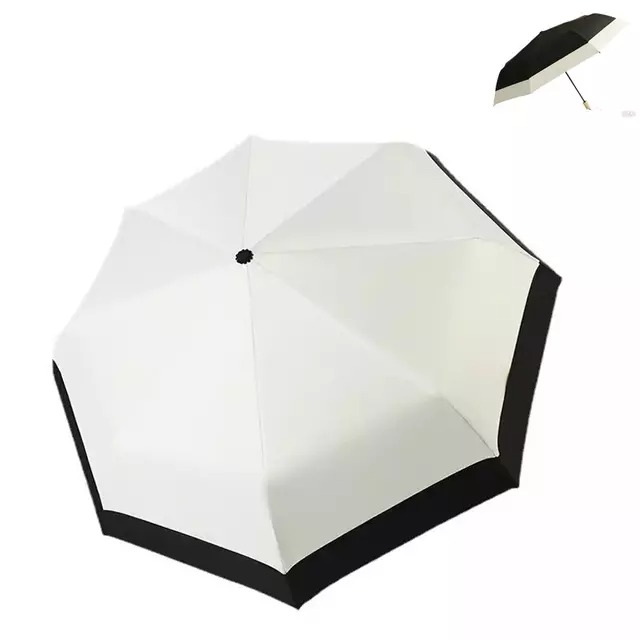
Most cruise lines do not allow guests to open a Beach Umbrella on open decks or near pools because of wind and safety concerns. Even when a Beach Umbrella is allowed in your luggage, it is typically intended for use only at ports of call and should remain folded while you are on board.
The best size for a cruise is a medium or compact Beach Umbrella that collapses to suitcase length and does not have an excessively wide canopy. Large, heavy models designed for permanent car or garage storage are less suitable because they are harder to carry, store, and stabilize in windy beach conditions.
Clamp‑on Beach Umbrellas are often more convenient for cruise travelers because they fold very small and attach directly to chairs or loungers. Traditional pole‑in‑sand Beach Umbrellas can offer more overhead shade, but they are bulkier and require deeper anchoring, so many cruisers prefer clamp‑on designs for portability and ease of use.
Yes, sunscreen is still necessary even with a Beach Umbrella because UV rays can reflect off sand and water and reach your skin from the sides. A Beach Umbrella should be viewed as an extra layer of shade that works together with sunscreen, hats, and UV clothing to create a more complete sun‑protection system.
Whether it is worth bringing a Beach Umbrella depends on your itinerary and personal preferences. If you like the freedom to walk beyond busy rental areas and set up in quieter spots closer to the water, a personal Beach Umbrella is very valuable; if you are happy to pay for fixed loungers in designated sections, you may prefer to travel lighter and use rental shade instead.


