
Language
Please Choose Your Language
Views: 222 Author: Amanda Publish Time: 2025-12-14 Origin: Site


Content Menu
● Security Rules for Beach Umbrellas
● Airline Rules and Categories
● Carry-On vs Checked for a Beach Umbrella
● How to Pack a Beach Umbrella for Flying
● Protecting Poles, Tips, and Hardware
● Choosing Travel-Friendly Beach Umbrella Designs
● When to Check the Airline's Fine Print
● Beach Umbrella vs Rain Umbrella in Real Travel
● Practical Strategies for Hassle-Free Travel
● Caring for Your Beach Umbrella Before and After the Flight
● FAQ
>> 1. Can I carry a Beach Umbrella in my hand luggage?
>> 2. Does a Beach Umbrella count as one checked bag?
>> 3. How should I pack a Beach Umbrella so it does not get damaged?
>> 4. Is it better to rent a Beach Umbrella at the destination?
>> 5. What type of Beach Umbrella is best for air travel?
A Beach Umbrella can usually travel on the same flight as you, but it is rarely accepted as a standard carry‑on item because the pole is long and rigid. Most cabins are designed around small bags that fit in the overhead bin or under the seat, and a full‑sized Beach Umbrella simply does not match those dimensions. In practice, the Beach Umbrella canopy and accessories may fit into normal luggage, while the pole is handled as checked baggage or special equipment.
Airlines look at three things when deciding how your Beach Umbrella can travel: length, total weight, and whether any parts are sharp or could be used as a weapon. The Beach Umbrella pole, sand screw, or ground spike often triggers these concerns. Even if security technically allows umbrellas through the checkpoint, the airline can still insist that your Beach Umbrella goes in the hold instead of the cabin.
Airport security agencies in many countries state that umbrellas are permitted, but they do not treat all umbrellas the same way. Small folding umbrellas that fit easily in a backpack are low‑risk, while a Beach Umbrella with a long, heavy pole is more likely to draw attention during screening. The longer and more pointed the Beach Umbrella, the more likely it is that officers will ask you to check it.
Checkpoint staff always have the final say. If they consider your Beach Umbrella pole or spike dangerous, they can refuse to allow it in the cabin and ask you to place it in checked baggage. To avoid a last‑minute problem at security, it is safer to plan from the start to check the Beach Umbrella pole and any ground anchors.
Airlines usually place Beach Umbrellas into one of two categories: regular baggage or sports/special equipment. A compact Beach Umbrella that folds short and packs flat may simply be treated as part of your normal checked suitcase. A large, heavy Beach Umbrella carried as a separate item is more likely to be charged as an extra checked bag or a type of sports gear.
Some airlines also distinguish between everyday umbrellas and large umbrellas like golf umbrellas, parasols, and Beach Umbrella models. The smaller umbrella may be allowed free in the cabin, but the Beach Umbrella is treated like a long, rigid item that must be checked. This difference matters for cost and convenience, because a separate Beach Umbrella bag can count against your baggage allowance.
When deciding whether your Beach Umbrella can be carried on, start with the airline's published cabin‑baggage size limits. Most carriers use a typical line of around 22–24 inches in length for carry‑on bags. A full‑size Beach Umbrella pole is usually far longer than that, even when telescoped or folded. That makes it almost impossible for a traditional Beach Umbrella to qualify as carry‑on.
Checked baggage offers more flexibility. If your Beach Umbrella can fit diagonally inside a large suitcase, the airline will likely treat it as part of that bag. If it needs its own long case, the Beach Umbrella will usually count as a single checked item. As long as you keep the Beach Umbrella within standard size and weight limits, it can normally travel just like any other large piece of luggage.
Good packing makes flying with a Beach Umbrella much safer for both your equipment and the baggage system. The first step is to disassemble the Beach Umbrella as much as possible. Remove the fabric canopy, detach the pole sections, and separate any removable sand anchors or ground spikes. This allows you to distribute the Beach Umbrella parts more efficiently in your bags.
Next, protect the vulnerable elements of the Beach Umbrella. The canopy should be dry, clean, and folded neatly, then placed inside a protective bag or soft cover before going into your suitcase. Ribs and hinges can bend under pressure, so wrap the Beach Umbrella canopy and frame in towels, clothing, or foam. The more snugly your Beach Umbrella is padded, the less likely it is to arrive bent or broken.
The pole of a Beach Umbrella is the part most likely to cause trouble because it is long, hard, and sometimes sharp. Before packing, add caps or covers to the ends, or wrap them in thick material secured with tape. This prevents the Beach Umbrella from punching through the side of your luggage and protects baggage handlers from accidental injury when they lift or shift your bag.
Ground anchors or sand screws should also be wrapped individually and placed where they cannot move freely. A Beach Umbrella spike rolling around inside a bag can tear clothes, scratch other gear, or break fragile items. Using separate small pouches for these Beach Umbrella accessories keeps things organized and reduces damage risk.
If you plan to fly often, choosing a travel‑friendly Beach Umbrella design makes a big difference. Models with telescoping or multi‑section poles fold into much shorter lengths, so the Beach Umbrella can often fit inside a standard suitcase or sports bag. This reduces the chance that your Beach Umbrella will be treated as oversize baggage and saves money on fees.
Weight is another key factor. A Beach Umbrella built with aluminum or fiberglass ribs and a light pole is easier to carry and less likely to push a suitcase over the airline's weight limit. Lightweight Beach Umbrella fabrics with good UV protection are especially useful because they pack compactly but still offer strong shade at your destination.
Every airline has its own rules, so it is important to read the fine print for baggage and special items before you fly with a Beach Umbrella. Some carriers explicitly list umbrellas and parasols in their baggage guidelines and clearly state whether they must be checked or can be carried on. Others group a Beach Umbrella with sports equipment such as surfboards, golf bags, or fishing rods.
If the airline has a section on sports and leisure gear, that section may describe how they treat a Beach Umbrella, even if it is not named directly. Look for details on maximum dimensions, weight limits, and whether long or rigid items need pre‑approval. When in doubt, contacting customer service with the specific length and packed size of your Beach Umbrella can prevent unpleasant surprises at the airport.
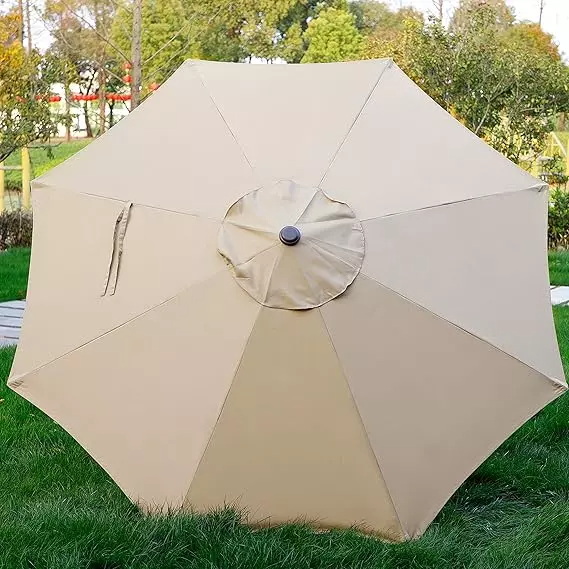
In everyday travel, a small rain umbrella is easy to tuck into a backpack or laptop bag, and most airlines and security teams barely notice it. A Beach Umbrella, though, is a piece of beach furniture and behaves like it. It takes up more space in hotel rooms, cars, and baggage carousels, and airline staff know this when they decide how to handle it.
For that reason, frequent travelers often keep a compact rain umbrella in their hand luggage and treat the Beach Umbrella as equipment that may or may not be worth transporting. For short beach breaks, it can be simpler to leave a bulky Beach Umbrella at home and rent one at the destination. For longer stays or trips where shade is essential, investing extra effort in packing and checking a durable Beach Umbrella can still be worthwhile.
A few simple strategies help reduce risk and cost when flying with a Beach Umbrella:
- Choose a Beach Umbrella with a shorter packed length, even if that means a slightly smaller canopy.
- Weigh your bag at home with the Beach Umbrella inside to avoid overweight fees at the airport.
- Clearly label any separate Beach Umbrella bags inside and out with your name and contact details.
- Arrive at the airport early enough to handle possible extra check‑in steps for your Beach Umbrella.
These habits make it easier to negotiate airline counters and security lanes and give you more time to solve any issue with your Beach Umbrella calmly instead of under time pressure.
Good care before and after the flight keeps your Beach Umbrella in service for many seasons. After your last beach day, rinse the Beach Umbrella with fresh water to remove salt and sand, then let it dry fully before packing. Salt and moisture can corrode metal parts and stain fabric, especially when trapped during a long flight.
At your destination, inspect the Beach Umbrella as soon as you unpack. Check that the pole is straight, the ribs are intact, and the opening mechanism works smoothly. If the Beach Umbrella or its bag shows signs of rough handling, document the damage quickly so you can discuss possible compensation with the airline, especially if your Beach Umbrella is a high‑value model.
A Beach Umbrella can travel on a plane, but the safest and most reliable option is to send the pole and any sharp accessories as checked baggage while placing the canopy and lighter parts in your suitcase. Because airlines treat a Beach Umbrella more like large or sports equipment than like a small folding umbrella, paying attention to size limits, weight rules, and special‑item sections in the airline's baggage policy is crucial. With the right Beach Umbrella design, careful packing, and a little planning, you can enjoy cool shade at your beach destination without stress at the airport.
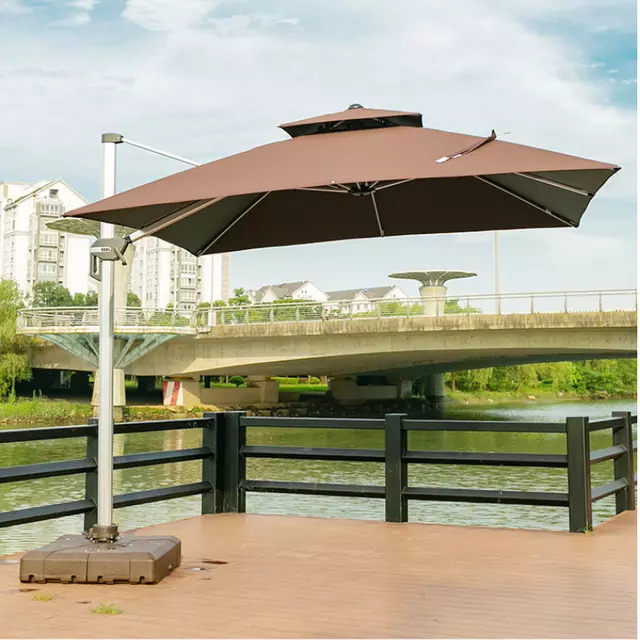
In most situations, a full‑size Beach Umbrella is too long and bulky to fit within standard cabin baggage dimensions, so it will not be accepted as normal carry‑on. Only very compact, travel‑specific Beach Umbrella models with a short packed length have a realistic chance of being allowed in the cabin.
If the Beach Umbrella travels in its own bag or case, many airlines treat it as a separate checked item, which counts against your checked baggage allowance. When the Beach Umbrella fits inside a suitcase and the total weight remains within the limit, it is often treated as part of that single checked bag instead.
To protect your Beach Umbrella, remove the canopy from the frame, fold it neatly, and wrap it in soft items such as towels or clothing inside your suitcase. Then cover the pole ends, wrap the pole and any sand anchors or spikes in padding, and place them in a hard case or along the side of a checked bag where they cannot bend easily.
For short trips or flights with very strict baggage policies, renting a Beach Umbrella on the beach or at a resort can be cheaper and more convenient than transporting your own. If you travel often to the same place or need a specific high‑quality Beach Umbrella for strong sun or wind, bringing your own may still make sense despite the extra packing effort.
The best Beach Umbrella for air travel is lightweight, has a telescoping or multi‑section pole that packs short, and uses durable materials like aluminum or fiberglass ribs. A compact, travel‑oriented Beach Umbrella with strong UV‑blocking fabric offers effective shade while still fitting more easily in standard luggage and staying within airline weight limits.


