
Language
Please Choose Your Language
Views: 222 Author: Amanda Publish Time: 2025-11-01 Origin: Site


Content Menu
● Airline & Security Regulations for Golf Umbrellas
● Collapsible vs Non-Collapsible Golf Umbrellas
>> Non-Collapsible Golf Umbrellas
● Packing Tips for Golf Umbrella Air Travel
● Features of the Best Golf Umbrellas for Travel
● International Policy Examples
● Security Screening Experiences
● Manufacturer & OEM Best Practices
● Additional Travel Advice for Golf Umbrella Users
● FAQs
>> 1. Can I take a golf umbrella in my carry-on?
>> 2. Does my golf umbrella count towards my baggage allowance?
>> 3. Can sharp-tipped umbrellas cause security delays?
>> 4. Is packing in checked luggage recommended for golf umbrellas?
>> 5. What is the best type of golf umbrella for airline travel?
Bringing a golf umbrella on a plane is an important consideration for frequent travelers, golfers, and international brand managers sourcing high-quality OEM umbrellas. With unpredictable weather and modern travel needs, understanding how to pack, choose, and comply with regulations for your golf umbrella is essential for a smooth journey.[1][2][3]
The Transportation Security Administration (TSA), as well as most international civil aviation authorities, generally allow umbrellas—including golf umbrellas—in both carry-on and checked baggage. However, there are several caveats:[2][3][1]
- Size Restrictions: Most airlines limit the length of carry-on umbrellas to around 22–24 inches (55–60 cm). Golf umbrellas, which are often significantly longer, may not fit these requirements and frequently must be checked into your hold baggage.[3][5]
- Security Inspection: Security staff may flag umbrellas with sharp points or heavy metal handles as possible threats. The decision to allow your umbrella always rests with the TSA officer or local airport security, especially for larger, non-collapsible golf umbrellas.[5][1]
- International Differences: While the US, UK, and Canada are generally lenient, airlines in the EU, Australia, and some Asian countries may have tighter enforcement or specific requirements for length and tip shape.[2][3][5]
- Allowance: Most airlines do not count an umbrella toward your regular baggage allowance, allowing it as a special item. Double-check this policy before flying to avoid surprises.[2]
Selecting the proper umbrella type is crucial for air travel convenience and compliance.
These fold into compact sizes and are ideal for travel. Conveniently packed into your luggage or carried discreetly, collapsible golf umbrellas rarely trigger problems at security. They are made with lightweight materials and fold down to fit most size restrictions for carry-ons.[8][1]
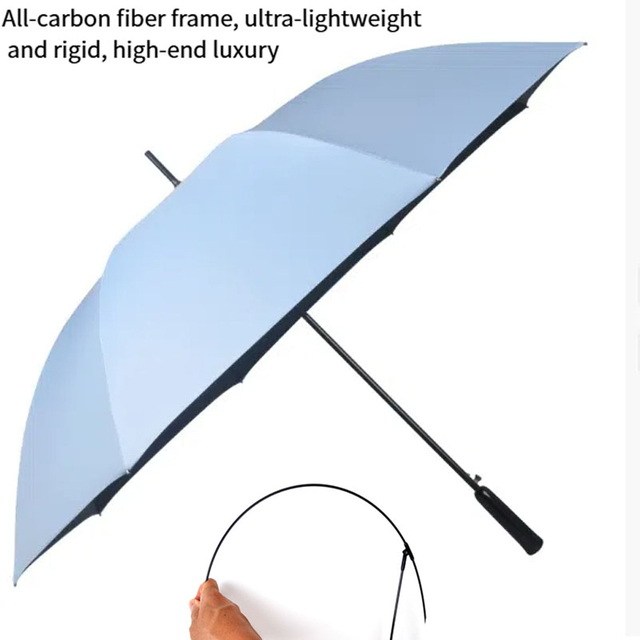
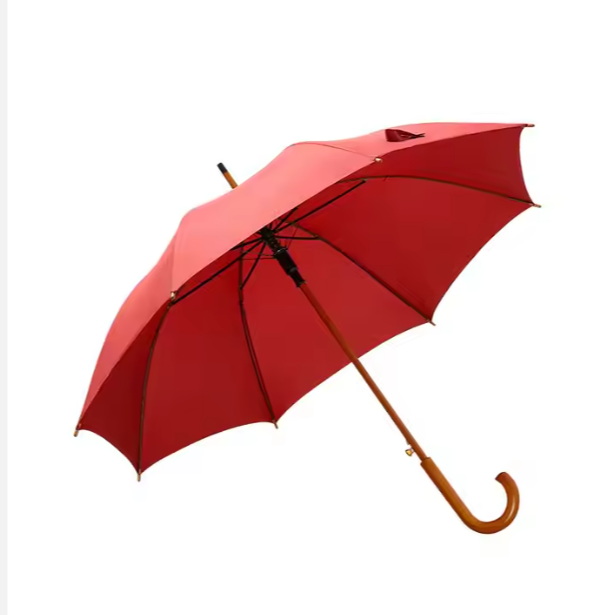
Non-collapsible golf umbrellas—often the classic large "stick" models—pose greater challenges. Due to their length and structure, they may not fit in overhead bins or under-seat compartments, and face closer scrutiny by airport security. Often, these must be checked in with your luggage, and should be carefully packed to prevent breakage during transit.[3][5]
Careful packing keeps your umbrella safe and compliant throughout your journey.
- Use a collapsible model that fits length restrictions and has a rounded tip.
- Place your umbrella flat in your suitcase or in a side compartment. Avoid loose packing that could snag on airport scanners.
- If the umbrella is wet, ensure it's stored in a waterproof sleeve to prevent damage to your other belongings and airport equipment.
- For security screening, put the umbrella in a separate tray/bin when passing through the scanner to reduce inspection delays.[1][5]
- Larger, classic golf umbrellas should be packed in checked baggage if they exceed size limits.
- Position the umbrella centrally with ample clothing or padding around it to prevent bending, snapping, or damage from other items during transport.
- If your umbrella includes a travel sleeve or tip protector, use it to further minimize risk.
When choosing a golf umbrella for international travel, consider key features for maximized utility and compliance:[8]
- Compact, collapsible design: Facilitates easy packing and meets size requirements.
- Rounded, blunt tip: Safer and less likely to be flagged by security.
- Durable materials: Reinforced fiberglass or lightweight alloys for strength without excess weight.
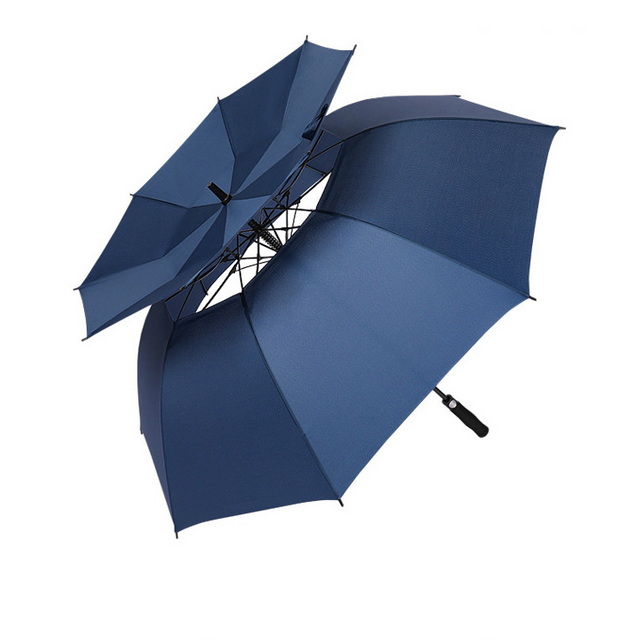
- Vented canopy: Improved wind resistance, reducing the risk of damage in turbulent weather.
- Water-repellent fabrics: Quick-dry construction is valuable for travel.
- Easy-open mechanism: Essential for convenience in crowded terminals.
Leading travel umbrella brands focus on these features, offering purpose-built models for frequent fliers, golfers, and OEM buyers.
Customs and airline rules differ across markets:[5][1][2]
- United States (TSA): Permits umbrellas in carry-on and checked luggage with length restrictions. Final decision left to the screening officer; sharp tips or excess size may require checked baggage.[1]
- United Kingdom (Gov.UK): No size restriction mentioned, but practical advice is to use foldable umbrellas. Blunt-ended umbrellas are preferred.[5]
- European Union: Umbrellas are not on the restricted items list, but size and tip checks are typical. Choose travel-friendly models for easiest passage.[5]
- Canada: Allows umbrellas of any size, but airlines may require large models to be checked.[5]
- Asia/Australia: Local aviation authorities may enforce stricter measurements. Always verify before flying.
Most travelers who follow guidelines have no issues with golf umbrellas. Security attention most often arises if:
- Handles appear "weapon-like" or umbrella tips are sharp and metallic.
- Non-collapsible models exceed accepted length, prompting officers to request they be moved to checked baggage.
- Umbrellas are loose and fall out in scanners, potentially causing delays or minor equipment issues.
Cooperation and clear packing can reduce these risks. Security officer discretion always applies, so travel prepared.
If you supply golf umbrellas to international clients, smart product and packaging design can avoid headaches for your buyers. Focus on:
- Designing collapsible, airline-compliant umbrellas (under 22–24 inches) for customer convenience.
- Rounding all tips and using lightweight, durable materials to avoid scrutiny.
- Including a branded waterproof sleeve to encourage safe packing for airport handling.
- Providing tip covers or guards to meet varied regional airport requirements.
- Clearly labeling "air travel approved" features to assure buyers and end-users of compliance.
This attention not only increases traveler satisfaction but also improves your OEM competitiveness with overseas brands and wholesalers.
- Always confirm airline guidelines for every flight, as individual carriers sometimes update policies based on aircraft type and route.
- Consider the local weather and your full itinerary—packing a travel umbrella can mean the difference between comfort and inconvenience by the time you land.
- Embedding safety tips or instructional flyers in packaging can assist international travelers to make the right choice and avoid confiscation.
Bringing a golf umbrella on a plane is permitted and frequently straightforward, provided you follow size and safety guidelines set by the TSA, airline, or local aviation authority. For the smoothest travel, select a compact, collapsible golf umbrella with a rounded tip, pack it thoughtfully, and always verify up-to-date airline policies before departure. For umbrella manufacturers and OEM suppliers, designing travel-compliant models and thoughtful packaging ensures positive experiences for international brands and travelers alike. By staying informed and prepared, you'll arrive dry, protected, and ready for your destination—no matter the forecast.[3][1][2]
Yes, if it fits the usual length restrictions (22–24 inches) and has a blunt tip. Longer non-collapsible umbrellas need to be checked.[1][2][3]
Generally, it does not count toward your carry-on or personal item allowance, but check with your airline to be certain.[2][1]
Yes, umbrellas with sharp points or weapon-like handles may be flagged and could lead to confiscation or require checking in as hold baggage.[1][5]
Yes, for larger models. Proper central packing with padding will prevent damage during transit. Collapsible models are favored for carry-on.[1][5]
Compact, collapsible, lightweight umbrellas with rounded tips, vented canopies, and water-repellent fabrics offer ideal air travel utility.[8][1]
[1](https://blog.remitly.com/travel/can-you-bring-an-umbrella-on-a-plane/)
[2](https://www.travomint.com/article/can-you-bring-an-umbrella-on-plane)
[3](https://www.cabinzero.com/blogs/packing-tips/can-you-bring-umbrellas-on-planes)
[4](https://www.aa.com/i18n/travel-info/baggage/specialty-and-sports.jsp)
[5](https://www.thisexpansiveadventure.com/planning-prep/luggage/can-you-bring-umbrellas-on-a-plane/)
[6](https://www.tripadvisor.com/ShowTopic-g1-i10702-k4662567-o10-Airport_Security_Umbrellas-Air_Travel.html)
[7](https://greencardgolf.com/our-guide-to-airline-golf-bag-allowance-policies-part-1/)
[8](https://weatherman.com/blogs/news/best-compact-lightweight-golf-umbrellas-for-travel)


