
Language
Please Choose Your Language
Views: 222 Author: Amanda Publish Time: 2025-11-28 Origin: Site



Content Menu
● Parasol Travel Regulations: What You Need to Know
>> TSA and Security Guidelines
>> International Considerations
● How to Pack a Parasol for Air Travel
● Practical Experiences: Real Traveler Stories
● The Parasol Advantage: Sun and Rain Protection Anywhere
● Parasols and OEM Opportunities: Serving Global Brands
● Travel Tips for Parasol Owners
>> Can I bring a parasol in my carry-on bag?
>> What should I do if my parasol is too large for carry-on?
>> Will a parasol count towards my baggage allowance?
>> Are there special rules for international flights?
>> What kind of parasol design is best for airline travel?
Traveling with a parasoloffers both style and protection, whether shielding from summer sun or rain showers during international adventures. If you're planning a trip or manufacturing travel-friendly parasols, understanding airline rules, proper packing methods, and traveler experiences is essential. In this article, we deliver the latest tips, regulatory details, and practical advice for making your parasol a reliable travel companion.[1][3]
A parasol is more than just an accessory—it's an essential tool for sun protection, comfortable sightseeing, and practical travel. From tropical resorts to metropolitan city streets, travelers want the confidence to bring their favorite parasol anywhere. In recent years, airline policies and security regulations have evolved, making it vital for manufacturers and users to understand how to travel smoothly with a parasol.[3][5][1]
The Transportation Security Administration (TSA) in the United States permits umbrellas and parasols in both carry-on and checked luggage. Most international civil aviation authorities adopt similar rules. Generally, compact, foldable parasols are preferred for air travel, as they fit easily in bags and do not pose safety risks. Security officers have the discretion to inspect your parasol, especially if it features unusual tips or handles. Choosing parasols with blunt ends and standard handles reduces the risk of delay at security checkpoints.[10][1][3]
While TSA sets the baseline, airlines may apply their own restrictions. For example, large or non-collapsible parasols longer than 22–24 inches (55–60cm) may need to be checked, and some airlines count parasols toward your baggage allowance. Before traveling, measure your parasol and consult the airline's luggage guidelines to avoid surprises.[8][3]
Rules can vary depending on destination. European, Asian, and American airlines have mostly similar policies, but exceptions exist. Travelers flying to countries with heightened security might encounter stricter inspections for parasols with metallic or ornate tips. Always review local regulations and consider packing a secondary travel-size parasol for safety.[1]
Manufacturers and travelers alike should favor lightweight, collapsible parasols for air travel. These models are easy to stow, pass most airline checks, and withstand the rigors of transit. Classic stick parasols or large decorative models may require extra preparation, such as protective sleeves or sturdy tubes for checked baggage.
- Place parasols inside your suitcase or carry-on, and use umbrella sleeves to protect surrounding items from accidental dampness.
- Avoid opening or assembling the parasol inside the airport or airplane for safety.
- Pack rigid or oversized parasols in checked luggage, using cardboard tubes if necessary to protect the frame from bending.
For companies offering OEM parasols to global clients, providing clear instructions for packing and travel compliance improves user satisfaction. Consider marketing "airline-compliant" parasol models and educating foreign partners and wholesalers on travel regulations.
Many travelers have successfully carried parasols on both short and long-haul journeys. Compact travel parasols rarely face issues at security, and most airlines allow them in addition to standard personal items. Reports from various international airports suggest that trouble mainly arises from large, rigid, or weapon-like designs.
Security officers emphasize safety as their primary concern. Parasol tips made of soft plastic or rounded aluminum are ideal, while designs with pointy metallic ends may be flagged. Manufacturers should take note of these firsthand experiences when designing and selling travel parasols for international use.[3][1]
A travel parasol can transform your trip—providing comfort in sunny climates, offering relief from surprise showers, and even serving as a stylish fashion accessory. Particularly beneficial in regions with strong UV rays or unpredictable rain, a parasol helps keep you safe and comfortable outdoors. Travelers appreciate parasols that open smoothly, feel sturdy, and match their wardrobe, turning a practical item into a statement piece.
Parasols are deeply rooted in traditional festivities and fashion trends worldwide. Classic Japanese, European, and African designs show cultural heritage, while Victorian-style parasols evoke elegance. Contemporary travel parasols blend traditional artistry with modern features: UV-protection fabrics, lightweight construction, and folding mechanisms that serve busy travelers.
Events, outdoor concerts, cultural parades, and tourist outings all benefit from parasol usage. As airlines increasingly accommodate personal accessories, travelers enjoy more flexibility in packing items that express their personalities.

Umbrella manufacturers and OEM parasol producers can capitalize on market demand for travel-friendly models. Wholesale clients, brand owners, and international retailers value:
- Collapsible, portable parasols ideal for carry-on luggage.
- Innovative designs optimized for air travel.
- Clear compliance tags showing suitability for international transit.
- Protective sleeves and instructions for safe packing.
Emphasizing travel-readiness and regulatory compliance in your product portfolio can boost market share among global clients. Educating partners about the nuances of air travel regulations—such as varying allowance policies and recommended parasol features—reinforces brand leadership and customer loyalty.
To fully enjoy a hassle-free journey, parasol users should follow these steps:
- Review both TSA and airline-specific guidelines before packing.
- Measure the length of your parasol and confirm it fits carry-on or checked baggage criteria.
- Opt for simple, travel-sized designs with non-metallic tips for maximum acceptance.
- Use padded or waterproof sleeves to protect against damage and moisture.
- Cooperate with security staff and be prepared for inspection if your parasol is flagged at checkpoints.
- Purchase a replacement parasol at your destination if local rules are unclear or strict.
The year 2025 introduces new airline and TSA rules focused mainly on identification, battery policies, and flammable items, but travelers bringing parasols encounter few challenges. As of this year, REAL ID compliance is mandatory for domestic flights within the U.S. While parasols are not considered hazardous, compliance with updated ID and electronics rules ensures smoother travel overall. Always ensure parasols are separated from restricted items, such as aerosol sprays or fuel, and keep electronic accessories like chargers in your carry-on according to current policies.[5][6][7][9]
Bringing a parasol on a plane is practical, fashionable, and generally permitted so long as you follow TSA and airline regulations. Collapsible, compact parasols are hassle-free and ideal for carry-on luggage, while non-collapsible models may need special packing in checked bags. Manufacturers and global OEM partners should focus on developing travel-ready, lightweight parasols and providing clear guidance to clients. By staying informed about the latest travel rules, measuring your parasol before travel, and choosing compliant designs, anyone can enjoy the comfort and style of their favorite parasol wherever they go.[5][8][1][3]
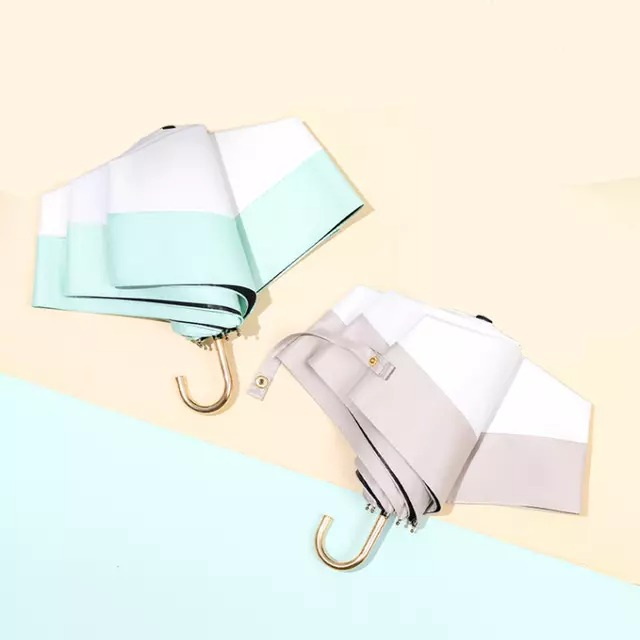
Yes, most airlines allow you to carry compact and foldable parasols as part of your carry-on items. Check your airline's length restrictions (typically under 22–24 inches) to avoid issues, and favor parasols with rounded tips for smoother security checks.[1][3]
If your parasol exceeds the carry-on size limit, pack it securely in your checked luggage. Use a protective tube or sleeve to prevent damage, and confirm the maximum dimensions allowed by your airline before flying.[8][3]
On most airlines, a small parasol packed inside your luggage will not count as a separate item. However, very large parasols or additional accessories may be counted depending on your booking class and airline policy.[3][1]
For international travel, confirm the rules of both your departure and destination countries. Most civil aviation authorities follow similar guidelines, but some locations may have stricter policies on metallic, decorative, or non-collapsible parasols.[10][1]
Opt for collapsible, lightweight parasols with blunt tips and conventional handles. Avoid ornate, weapon-like designs and choose neutral colors if possible. Manufacturers should highlight travel compatibility and provide packing tips to clients and partners for the best results.[1][3]
[1](https://blog.remitly.com/travel/can-you-bring-an-umbrella-on-a-plane/)
[2](https://www.youtube.com/watch?v=9E0s_K2DQZA)
[3](https://www.cabinzero.com/blogs/packing-tips/can-you-bring-umbrellas-on-planes)
[4](https://www.youtube.com/watch?v=bVl33fh9Uts)
[5](https://aotos.com/blogs/airlines-guide/2025-tsa-carry-on-checked-banned-items)
[6](https://www.keytotheworldtravel.com/new-travel-regulations-in-2025/)
[7](https://www.visitorscoverage.com/blog/new-travel-rules-in-2025-what-you-need-to-know/)
[8](https://www.travomint.com/article/can-you-bring-an-umbrella-on-plane)
[9](https://www.newsweek.com/major-us-travel-rules-2025-changes-explained-10897742)
[10](https://faq-jp.jal.co.jp/en/s/article/jdsp000000R0000000027049int)


