
Language
Please Choose Your Language
Views: 222 Author: Amanda Publish Time: 2025-11-28 Origin: Site


Content Menu
● The Origins and Purpose of the Parasol
● Parasol vs. Umbrella: Key Differences
>> Functionality and Durability
● Can a Parasol Protect You in the Rain?
>> When Is It Safe to Use a Parasol in the Rain?
● Parasol Care and Maintenance
● The Role of Parasols in Outdoor Décor
● Parasol vs. Umbrella: Choosing the Right Shade Solution
● Parasol Innovations and Features
● Parasol Usage in Different Cultures
● The Environmental Impact of Parasols
● Parasol Safety Considerations
● FAQs
>> 1. Can You Use a Parasol in Heavy Rain?
>> 2. What Makes a Parasol Water-Resistant?
>> 3. When Should You Use an Umbrella Instead?
>> 4. Can Parasol Fabrics Protect Against UV Radiation?
>> 5. How Should Parasols Be Maintained After Rain Exposure?
Parasols have long been cherished for their elegance and ability to provide shade on sunny days. Their delicate fabrics, intricate designs, and lightweight frames make them a favorite accessory for outdoor events, garden parties, and leisurely strolls. However, when rain clouds gather, many people wonder: can a parasolactually protect you from the rain? The answer is nuanced, and understanding the differences between parasols and umbrellas is essential for making the right choice in any weather.
The word "parasol" comes from the French "para-sol," meaning "to shield from the sun." Historically, parasols were used by royalty and aristocrats to protect themselves from the sun's rays, often crafted from luxurious materials like silk, lace, and fine cotton. Over time, parasols evolved into both functional and decorative items, prized for their ability to provide shade and enhance personal style. Today, parasols are commonly seen at outdoor weddings, beach outings, and garden gatherings, where their aesthetic appeal is just as important as their practical function.[9][10]
While parasols and umbrellas may look similar at first glance, their purposes and construction are fundamentally different. Umbrellas are designed primarily for rain protection, featuring robust frames and waterproof canopies that can withstand heavy downpours. Parasols, on the other hand, are engineered for sun protection, with lightweight frames and canopies made from materials that prioritize breathability and UV resistance over waterproofing.[1][4][5]
Parasols are typically smaller and more decorative than umbrellas, making them ideal for individual use or as a fashion accessory. Their canopies are often crafted from delicate fabrics like silk, lace, or cotton, which allow air to circulate and prevent overheating. Umbrellas, in contrast, are larger and more functional, designed to accommodate multiple people and offer a wider coverage area. Their frames are usually made from sturdy materials like aluminum or fiberglass, and their canopies are constructed from weather-resistant fabrics such as polyester or acrylic.[2][7][1]
The materials used in parasols and umbrellas reflect their intended purposes. Parasols are often made from lightweight, breathable fabrics that block UV rays but are not designed to repel water. Some modern parasols are treated with water-repellent coatings, allowing them to withstand light drizzles, but they are not fully waterproof. Umbrellas, on the other hand, are built with waterproof materials that can handle heavy rain and strong winds. Their frames are engineered to be durable and flexible, ensuring they can withstand outdoor conditions.[5][1][2]
Umbrellas are designed with functionality in mind, featuring easy opening and closing mechanisms, adjustable canopies, and sometimes even built-in lights or remote control operation. Parasols, while beautiful, are more focused on aesthetics and may lack the adjustability and durability of umbrellas. With proper maintenance and storage, both parasols and umbrellas can serve as reliable shade options, but umbrellas are better suited for harsh weather conditions.[1][2][5]
The short answer is: not reliably. While some parasols are treated with water-repellent coatings and made from tightly woven polyester, they are not designed to withstand heavy rain. In light drizzles or brief showers, a well-made parasol might offer temporary protection, but sustained rain will quickly penetrate most decorative fabrics. The lightweight frame of a parasol is also more susceptible to damage from moisture and wind, making it less durable than an umbrella in wet conditions.[11][12][5]
- Light Drizzles: Some water-resistant polyester parasols can handle gentle drizzles for short durations.[12][13]
- Short Exposure: If caught in a surprise shower, a treated parasol might provide temporary relief, but only briefly.
- Avoid in Heavy Rain: Parasols should not be used during storms, heavy rain, or strong winds, as water is likely to seep through, and the frame may be damaged.[13][14][15]
Proper care is essential to extend the life of a parasol, especially if it is exposed to moisture. Always dry your parasol thoroughly after any exposure to rain, and store it in a dry location when not in use. Protecting your parasol with weather-resistant covers and checking for tears or frame issues can help maintain its appearance and functionality.[16]
Contemporary parasols often feature advanced designs and materials to enhance their performance. Some models include tilting and rotation mechanisms for optimal shade throughout the day, automatic open/close mechanisms, and UPF 50+ fabrics for enhanced UV resistance. Water-repellent coatings are also available, though these do not make parasols fully waterproof.[11][16]
Parasols excel in sunny environments, making them ideal for outdoor events, beach visits, and patio or garden shade. Their decorative appeal adds charm to weddings, garden parties, and other social gatherings. While they can offer limited protection in light rain, parasols are best suited for sun protection and aesthetic enhancement.[10][16]
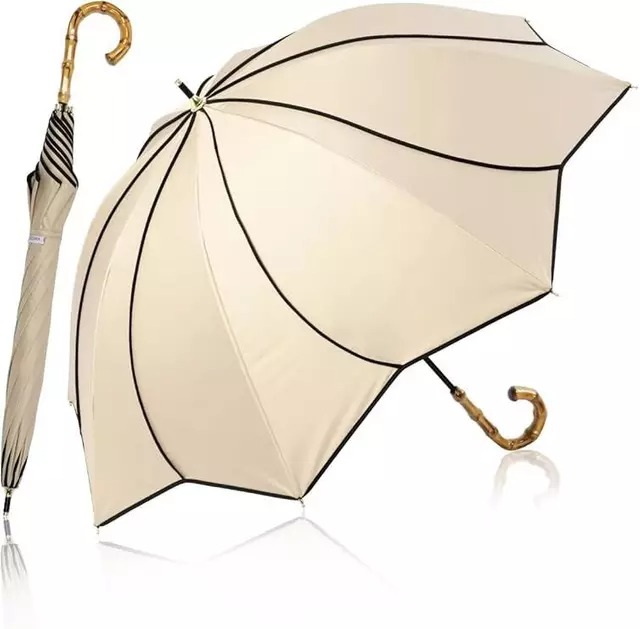
Beyond their practical function, parasols play a significant role in outdoor décor. Their vibrant colors, intricate patterns, and elegant designs can transform any outdoor space into a stylish retreat. Whether used to shade a patio, enhance a garden, or add flair to a beach outing, parasols are a versatile accessory that combines form and function.[8][10]
When selecting between a parasol and an umbrella, consider your specific needs and the environment in which you'll be using the shade provider. For sun protection and aesthetic appeal, a parasol is the ideal choice. For reliable rain protection and durability, an umbrella is the better option. Many outdoor spaces benefit from having both, allowing you to adapt to changing weather conditions and personal preferences.[2][5][1]
- Always dry your parasol after exposure to moisture.
- Store in a dry location when not in use.
- Use weather-resistant covers for added protection.
- Lubricate the opening mechanism if needed for smooth operation.
- Check periodically for tears or frame issues.
Modern parasols often include features such as tilting and rotation mechanisms, automatic open/close mechanisms, and UPF 50+ fabrics for enhanced UV resistance. Water-repellent coatings are available, though these do not make parasols fully waterproof.[16][11]
Parasols have a rich cultural history, with variations found in many parts of the world. In Japan, for example, parasols are used in traditional ceremonies and festivals, often crafted from paper and bamboo. In Europe, parasols are associated with elegance and refinement, frequently seen at outdoor events and social gatherings. Understanding the cultural significance of parasols can enhance appreciation for their beauty and functionality.[8][10]
As with any product, the environmental impact of parasols depends on the materials used and the manufacturing process. Choosing parasols made from sustainable materials and supporting manufacturers with eco-friendly practices can help reduce environmental harm. Proper care and maintenance also extend the life of a parasol, reducing the need for frequent replacements.[8][16]
While parasols are generally safe to use, there are some safety considerations to keep in mind. In windy conditions, parasols can be blown over or damaged, so it's important to secure them properly. Additionally, parasols should not be used as a substitute for umbrellas in heavy rain, as they may not provide adequate protection and could be damaged by moisture.[14][15][13]
As technology advances, parasols are likely to incorporate new materials and features that enhance their performance and durability. Innovations such as smart fabrics, integrated lighting, and improved water-repellent coatings may make parasols more versatile and practical for a wider range of uses. The enduring appeal of parasols ensures they will remain a popular accessory for outdoor shade and style.[11][16][8]
A parasol is a stylish and functional accessory designed primarily for sun protection. While some modern parasols offer limited water resistance, they are not a reliable substitute for an umbrella in heavy rain. Parasols are best suited for sunny environments, where their aesthetic appeal and UV protection can be fully appreciated. For reliable rain protection, an umbrella is the better choice. By understanding the differences between parasols and umbrellas, you can make informed decisions about which shade solution is right for your needs.
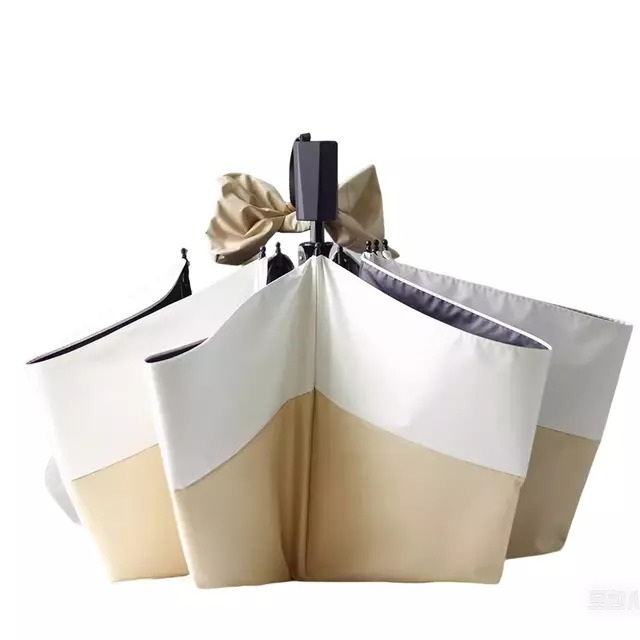
No, parasols are not designed for heavy rain and may quickly become saturated, leading to potential damage of the frame and canopy.[5][9][14]
Some parasol canopies are treated with water-repellent coatings like Scotchgard™ and made from tightly woven polyester, which can handle very light rainfall for brief periods.[12][11]
Always choose an umbrella over a parasol for wet or windy weather, as umbrellas have robust, waterproof canopies and stronger frames specifically built for rain protection.[13][1][5]
Yes, many parasols offer significant UV protection, with some fabrics providing UPF 50+ defense. High-quality parasols reduce experienced solar radiation by up to 30% and temperatures by up to 11 degrees.[17][18][16]
Dry your parasol thoroughly before storage, use weather-resistant covers, and check for warping, rust, or mildew to maintain function and appearance.[16]
[1](https://hauserspatio.com/blog/unique-and-exciting-differences-of-parasol-vs-umbrella-exposed/)
[2](https://www.harbourlifestyle.co.uk/blogs/news/parasol-vs-umbrella)
[3](https://www.reddit.com/r/CruelWorldFest/comments/13iw92w/whats_the_difference_between_an_umbrella_and_a/)
[4](https://www.youtube.com/watch?v=eq4D-k6-Pl4)
[5](https://insights.made-in-china.com/Umbrellas-Vs-Parasols-Selection-Guide-Differences-and-Best-Use-Cases-for-Weather-Protection_XApaLDKvhEHO.html)
[6](https://www.facebook.com/groups/waywordradio/posts/10161234674348584/)
[7](https://smart.dhgate.com/parasol-vs-sun-umbrella-are-they-really-that-different-or-just-fancy-names/)
[8](https://www.gloryleisure.com/patio-umbrella-vs-parasol-understanding-the-differences-and-choosing-the-perfect-shade-solution/)
[9](https://www.umbrellastore.co.uk/parasol-or-umbrella/)
[10](https://umbrellabazaar.com/blogs/news/what-is-a-parasol-umbrella)
[11](https://www.cyan-teak-furniture.com/faqs/general-information/can-parasols-be-used-for-rain)
[12](https://www.reddit.com/r/camping/comments/17gut65/will_a_polyester_parasol_protect_from_rain/)
[13](https://purpleleafshop.com/blogs/news/use-patio-umbrella-in-rain)
[14](https://www.mydepot.com/blogs/news/parasol-vs-umbrella)
[15](https://baliosumbrellas.com/the-ultimate-guide-for-umbrella-material/)
[16](https://belveo.co.uk/blogs/news/errors-to-avoid-when-buying-a-parasol)
[17](https://slate.com/technology/2019/09/parasols-better-than-sunscreen.html)
[18](https://www.may-online.com/en/tips/uv-radiation/)


