
Language
Please Choose Your Language
Views: 222 Author: Amanda Publish Time: 2025-11-26 Origin: Site


Content Menu
● Understanding Umbrella Types
>> Canopy Materials and UV Protection
>> Size, Portability, and Adjustability
● Using a Patio Umbrella at the Beach: Feasibility and Advice
>> Pros of Patio Umbrella on the Beach
● Practical Tips for Anchoring a Patio Umbrella at the Beach
● When to Prefer Beach Umbrellas
● Practical Scenarios and User Choice
● FAQ
>> 1. What are the differences between a beach umbrella and a patio umbrella?
>> 2. Is it safe to use a patio umbrella at the beach?
>> 3. Do patio umbrellas offer sufficient UV protection for beach use?
>> 4. How do I transport a patio umbrella to the beach?
>> 5. How can I maintain my umbrella after beach use?
Seeking shade during a beach trip is essential, and many people wonder whether a patio umbrella can substitute for a purpose-built beach umbrella. In reality, while both products serve the core function of providing sun protection, they differ significantly in design, durability, portability, and suitability for sandy environments. Understanding these differences is vital for making informed choices and ensuring relaxation and comfort throughout your seaside adventure. This article analyzes and integrates technical comparisons, practical usage tips, and maintenance guidelines, guiding you to the best shade solution for your next day on the beach.[1][6]
A beach umbrella is a lightweight, portable shade device designed specifically for use on sandy surfaces like beaches and by pools. It often has a pointed, twist-in pole for easy anchoring into sand and features rust-resistant frames and UV-protective canopies. Typically, beach umbrellas weigh less than 6 lbs, collapse into a compact size, and include a handy carry bag for transport.[5][6][10]
A patio umbrella is engineered for stability, weather resistance, and stationary use in gardens, patios, or poolside areas. It is heavier, uses robust materials like steel or wood, and requires a solid base, often weighing 25–50 lbs or more. Patio umbrella canopies utilize durable fabrics such as acrylic, polyester, and olefin for long-term exposure, making them ideal for homes and commercial spaces.[3][6][1]
Patio umbrellas use thick poles—usually 1–2 inches in diameter—made from strong metals or treated wood. The weight of the base and the sturdy frame are intended to keep the umbrella steady during wind or major weather changes. Beach umbrellas, in contrast, are designed for rapid setup with pointed poles or augers to anchor securely in the sand, where wind and movement are frequent factors.[6][7][3]
Beach umbrellas prioritize lightness and UV protection, favoring polyester or oxford cloth with UPF (Ultraviolet Protection Factor) ratings to reduce skin damage. Many beach umbrellas are tested for high UV resistance, but may fade quickly under constant sun while remaining lightweight. Patio umbrellas offer weather-resistant fabrics, including mildew and fade resistance, for continuous outdoor use year-round.[10][3][5][6]
- Beach Umbrellas: Small-to-medium size (5–8 feet diameter), easy to collapse and carry, minimal adjustability.
- Patio Umbrellas: Medium-to-large size (up to 13 feet diameter), heavy, advanced tilt or rotation features, not as portable.[5][6]
- Larger Shade Coverage: Ideal for big family gatherings or group picnics.
- Strong Wind Resistance: Thick frames and durable canopies can withstand wind if properly anchored.[1][3]
- Potential Longevity: Quality patio fabrics resist fading and deterioration over several seasons.
- Transport Issues: Weight and bulk make patio umbrellas difficult to carry across sand.[6]
- Base Instability: Patio umbrella bases are designed for flat, solid surfaces, so anchoring on sand requires DIY solutions.[7][3]
- Corrosion Risk: Exposure to salt and sand can damage metal components not intended for beach conditions.
- Limited UV Ratings: Not all patio umbrellas offer the high UPF protection typical of beach umbrellas.[6]
Purchase an auger or corkscrew sand anchor. Screw it 12–18 inches into firm sand, insert the pole, and secure tightly for the best stability against wind and movement.[4][7]
Fill a large bucket or planter bag with wet sand and set the umbrella pole deeply inside. This makeshift anchor improves patio umbrella performance on sand and prevents tipping.
- Always install above the high tide line, using compact, damp sand for best hold.[7]
- Test stability with strong shakes before relaxing underneath.
- Close umbrella when strong winds begin or before leaving the area to avoid flying hazards.[4]
- Monitor for sudden gusts and never leave it unattended.
- Shake out sand and debris from canopy and joints before storing.
- Rinse all parts with fresh water to eliminate salt, sand, and grit.
- Air dry thoroughly to avoid mildew, rust, or fabric deterioration.
- Inspect regularly for corrosion or mechanical damage, repairing immediately to maintain safety.[11]
- Store indoors during off-season or extended periods of non-use.
- Keep fabrics out of direct sunlight to preserve color and UV protection.
- Disassemble bases and poles for compact storage, minimizing the risk of damage.
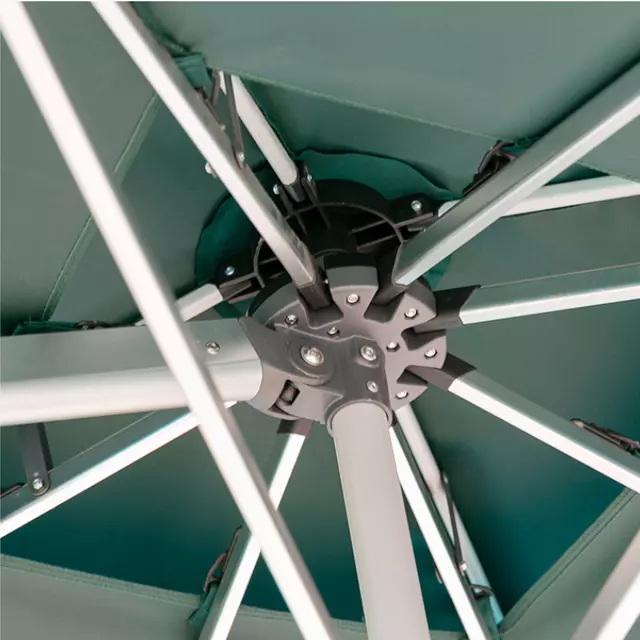
If frequent beach outings are part of your lifestyle, invest in a specialized beach umbrella for hassle-free transport and quick setup. Beach umbrellas often include ergonomic features—such as ventilated canopies, adjustable tilt, and rust-proof materials—tailored for seaside outings.[5][6]
Beach umbrellas are designed for maximum UV resistance and comfort during outdoor recreation. Always verify the UPF rating for reliable protection, especially during long beach days with prolonged sun exposure.
- For large groups seeking maximum coverage: patio umbrellas work well if anchored safely.
- For solo or small family trips: beach umbrellas offer easy transport, setup, and optimal sun protection.
- For hybrid flexibility: bring both, adapting your arrangement throughout the day and accommodating varying sun positions or wind conditions.
Patio umbrellas can be used successfully at the beach with adaptations, but they present significant challenges related to transport, setup, and durability in sandy environments. The beach umbrella remains the optimal choice for portability, UV protection, and reliable anchoring. For manufacturers and retailers, understanding customer lifestyles and local climates can help recommend products tailored for their outdoor leisure needs. Whether you choose a patio umbrella or a specialized beach umbrella, prioritize safe installation and proper maintenance to guarantee many enjoyable days under the sun.
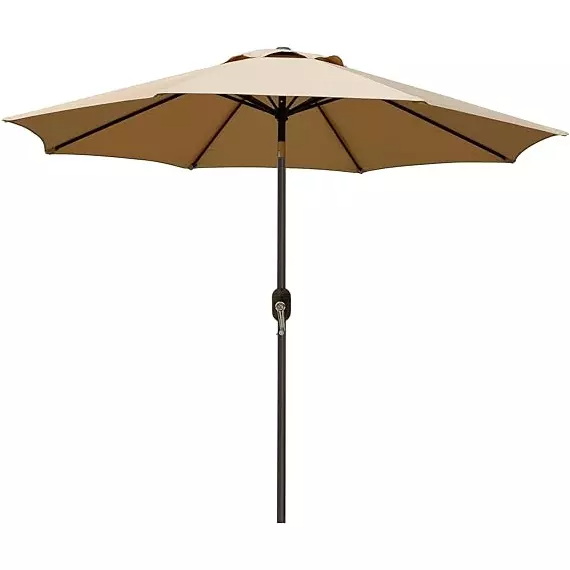
Beach umbrellas are lightweight, portable, and designed with pointed bases for easy anchoring in sand. Patio umbrellas are heavier, use robust materials, and require weighted bases for stability on flat surfaces.[7][5][6]
It is safe if properly anchored using sand augers, buckets, or similar tools. Always check the installation and close the umbrella when winds are strong to avoid accidents.[4][7]
Many patio umbrellas offer excellent shade, but be sure to check the UPF rating to ensure suitable sun protection for extended beach stays.[3][6]
Transporting a patio umbrella requires a cart or assistance due to its weight and bulk, while beach umbrellas are designed for effortless solo carrying.[6]
Shake out sand, rinse thoroughly, allow to dry, and inspect for corrosion or fabric damage before storing—this preserves lifespan and safety for future use.[11]
[1](https://bindhahi.ae/difference-between-a-beach-umbrella-and-a-patio-umbrella/)
[2](https://sunnydazedecor.com/blogs/news/can-i-use-a-beach-umbrella-as-a-patio-umbrella)
[3](https://www.ammsun.com/blogs/news/what-is-the-difference-between-a-beach-umbrella-and-a-patio-umbrella)
[4](https://purpleleafshop.com/blogs/news/patio-umbrella-used-as-beach-umbrella)
[5](https://topumbrella.com/info/156)
[6](https://www.aosom.ca/blog-beach-umbrella-vs-patio-umbrella-what-sets-them-apart.html)
[7](https://www.reddit.com/r/Doineedthis/comments/nxjfny/do_i_need_a_patiobeach_umbrella/)
[8](https://www.jackwills.net/the-different-types-of-patio-umbrellas-and-their-benefits/)
[9](https://businessandpleasureco.com/pages/umbrella-product-guide)
[10](https://www.sxgaobu.com/news/what-s-the-difference-between-a-beach-umbrella-and-a-patio-umbrella.html)
[11](https://www.ammsun.com/blogs/news/beach-patio-umbrella-care-and-maintenance)


