
Language
Please Choose Your Language
Views: 222 Author: Amanda Publish Time: 2025-11-05 Origin: Site


Content Menu
● Defining Umbrella vs Parasol
>> Fabric and UV considerations
● Can an Umbrella Double as a Parasol?
>> When sun protection is the priority
>> Aesthetic alignment and branding
>> Practical limits and risk management
● Design Framework for an OEM Parasol-enriched Product Family
>> Fabric selection and UV performance
>> Frame and hardware strategy
>> Canopy shapes and branding options
>> Safety features and compliance
>> Packaging, logistics, and after-sales support
● Manufacturing Pathways and Operational Benefits
>> Shared production lines and efficiency
>> Supplier ecosystem and quality control
>> Materials durability and lifecycle
● Go-to-Market Strategy for Overseas Partners
>> Compliance, documentation, and transparency
>> After-sales and spare parts
● FAQ
>> 1. Can a standard umbrella be used as a parasol for sun protection?
>> 2. What materials optimize parasol performance in OEM projects?
>> 3. How should umbrellas be marketed to overseas brands as parasols?
>> 4. What base options are recommended for parasols in outdoor commercial settings?
>> 5. What should OEMs communicate to overseas buyers?
In the global market of sun protection and outdoor shade, the lines between everyday umbrellas and parasols can seem blurred, yet the distinction is meaningful for product positioning, branding, and OEM production planning. For overseas brands, wholesalers, and manufacturers seeking efficient manufacturing, it is valuable to understand when a standard umbrella can function as a parasol, what design choices influence performance, and how to present a coherent Parasol-focused product family without sacrificing production efficiency. This article delves into the nuanced differences between umbrellas and parasols, explores practical strategies for leveraging shared manufacturing capabilities, and provides actionable guidance for OEM collaborations targeting international markets. Throughout, the emphasis remains on UV protection, aesthetic appeal, and robust engineering suitable for large-scale manufacturing and global distribution.
An umbrella is primarily engineered to shield a user from rain, combining water-repellent fabrics, tight seam construction, and wind-resilient frame geometry. A parasol, by contrast, is designed to shield from sun exposure, prioritizing UV protection, colorfast fabrics, and often a more fashion-forward or decorative presentation. For OEM programs, recognizing these core purposes helps align product specs, labeling, and marketing materials with target market expectations. The distinction matters not only for consumer perception but also for regulatory labeling, testing requirements, and warranty considerations. The differences influence fabric selection, frame stiffness, canopy tension, and UV performance ratings, all of which affect consumer perception and product performance.
Parasol fabrics are typically selected for UV resistance and outdoor durability, with higher emphasis on UV blocking and fabric fade resistance. Umbrella fabrics emphasize water repellency and seam integrity. When an OEM program targets parasol markets, incorporating UV-stable textiles, colorfast finishes, and appropriate edge stitching is essential to deliver consistent parasol performance under sun exposure.
Parasol frames tend to be sturdier and able to sustain longer, wind-tolerant shade structures, often with longer parasol poles and bases designed for more stable outdoor installation. Umbrella frames may prioritize compactness and portability, which can limit shade coverage in parasol applications. For a single OEM family, a modular approach to frame components can support both product lines while preserving performance targets in each market segment.
An umbrella can serve as a parasol in settings where the primary need is sun shading rather than rain protection, especially in light-to-moderate sun conditions. To ensure consumer satisfaction, verify that the canopy fabric provides adequate UPF ratings, and clearly communicate intended use in product labeling, packaging, and technical documentation. This approach can streamline production by leveraging shared canopy materials and components while maintaining separate marketing and certification documentation for parasol use.
If branding calls for a parasol aesthetic—larger shade area, UV-focused messaging, and lifestyle imagery—an umbrella can be adapted through fabric selection, colorways, branding treatments, and finishing touches. This enables OEM programs to offer a unified sun-shade family where some models carry explicit parasol branding while others remain umbrella-branded, depending on regional market preferences and distribution channels.
Heavy winds, rain exposure, and UV intensity beyond a market's norms can challenge an umbrella's performance as a parasol. To mitigate risk, define wind-resistance targets, incorporate optional wind vents, and provide guidance on base systems and deployment constraints. Clear risk disclosures and performance data help overseas buyers select the right model for their climate and use-case.
Prioritize UV-stable canopy fabrics with durable colorfastness, preferably rated for outdoor use in the target markets. Offer options such as UV-rated polyester or acrylic blends with protective finishes, and consider laminated or coated fabrics to extend color life under sun exposure. Include clear UPF labeling and test certificates to support overseas marketing claims.
Develop a modular frame system that can scale canopy size while maintaining structural integrity. Use corrosion-resistant alloys and reinforced joints, and provide robust base mounting options compatible with international base standards. A modular approach reduces changeover times and supports rapid customization for different regions.
Offer a range of canopy geometries to satisfy diverse brand aesthetics, retail channels, and outdoor environments. Provide branding features such as logo embroidery, edge piping colors, and printed patterns that align with partner branding while preserving parasol-seeking market perception.
Incorporate tilt mechanisms, locking devices, and sturdy bases to meet safety expectations in public outdoor spaces. Ensure compliance with international product safety standards, including UV protection testing and labeling requirements. Provide documented certifications and technical sheets as part of the OEM package.
Design packaging that protects fabrics and frames during international shipping, with clear care instructions and warranty terms. Establish spare parts programs and a straightforward parts catalog to support long-term customer satisfaction in overseas markets.
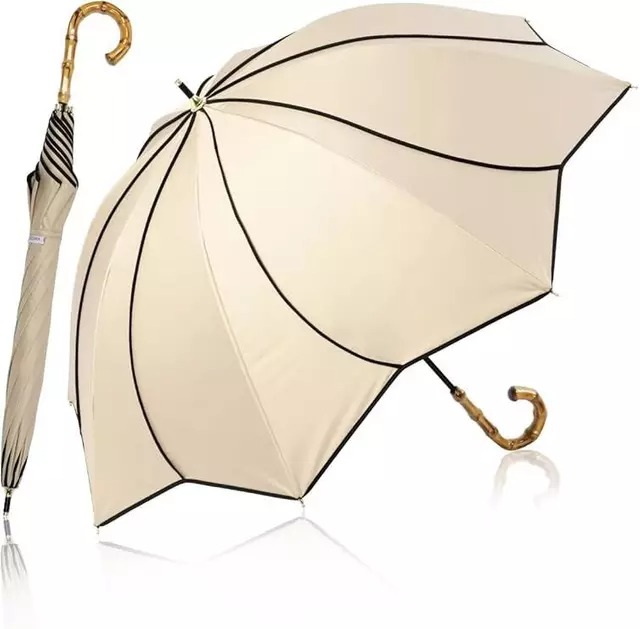
By aligning umbrella and parasol components in a common production family, manufacturers can optimize tool usage, reduce changeover times, and improve batch consistency. This approach supports large orders from overseas brands while preserving the ability to customize for different market segments.
Maintain a supplier base that can consistently deliver UV-stable fabrics, reinforced canopy seams, and corrosion-resistant frames. Implement rigorous quality checks at each stage—from fabric roll to finished canopy—to ensure consistent performance across orders and regions. Documented QC processes support certifications needed for international markets.
Invest in long-lifecycle materials and finishes that resist fading and wear in hot, sunny climates. A durable parasol constructed with UV-stable fabrics and robust frames can command premium positioning in outdoor venues, hospitality projects, and retail settings across multiple continents.
Position parasols as UV-protective sun shade solutions with premium aesthetics, emphasizing reliability, durable construction, and brand-aligned customization. For umbrella lines, highlight portability and rain protection while offering optional parasol-inspired features for cross-sell opportunities. Clear differentiation in marketing copy and product specs helps prevent confusion across markets.
Provide complete UPF test results, fabric certifications, and material safety data. Include bilingual labeling where applicable and detailed installation guides to support distributors in international markets. Transparent documentation reduces post-sale issues and supports brand credibility.
Offer warranties aligned with market expectations, plus readily available spare parts and repair services. A robust parts ecosystem enhances customer loyalty and reduces downtime for overseas customers in commercial settings.
For umbrella manufacturers expanding into the parasol segment for overseas brands, wholesalers, and manufacturers, a modular sun-shade family offers significant strategic and operational advantages. By combining UV-stable fabrics, sturdy frames, and versatile base options within a coherent OEM program, it is possible to deliver both umbrellas and parasols under a single production umbrella, while preserving distinct performance characteristics, branding, and regulatory compliance for each market. Clear labeling, robust material choices, and reliable logistics underpin successful international partnerships, enabling rapid responses to diverse market demands without sacrificing efficiency or quality.
- Answer: Yes, in light-to-moderate sun conditions, but verify UPF performance and clearly label intended use to meet consumer expectations.
- Answer: UV-stable canopy fabrics, corrosion-resistant frames, and durable bases, with finishes that resist fading under sun exposure.
- Answer: Emphasize UV protection, shade coverage, and outdoor lifestyle appeal; provide UPF data, certifications, and branding options aligned with partner markets.
- Answer: Weighted or cross-shaped bases, floor-mounted solutions, and bases compatible with standard international sizes to ensure stability.
- Answer: Clear use-case labeling, UV performance data, warranty terms, spare parts availability, and production timelines to meet international shipping and compliance requirements.
[1](https://stackoverflow.com/questions/3812055/how-to-remove-square-brackets-in-string-using-regex)
[2](https://www.reddit.com/r/libreoffice/comments/1ewthm4/how_to_remove_square_brackets_that_appear_after/)
[3](https://stackoverflow.com/questions/17522855/how-to-remove-square-brackets-and-any-text-inside)
[4](https://www.geeksforgeeks.org/python/how-to-remove-brackets-from-text-file-in-python/)
[5](https://community.notepad-plus-plus.org/topic/23270/replace-all-the-square-brackets)
[6](https://community.safe.com/transformers-9/how-to-remove-square-brackets-in-a-column-14136)
[7](https://www.reddit.com/r/PowerShell/comments/6tkuqp/replace_square_brackets_with_text/)
[8](https://forums.getdrafts.com/t/action-to-remove-brackets-and-content-between-them/13015)
[9](https://www.msofficeforums.com/word-vba/49751-how-remove-square-brackets-surrounding-numbers-commas.html)
[10](https://learn.microsoft.com/en-us/answers/questions/5182327/adding-and-removing-square-brackets-with-wildcards?page=1)


