
Language
Please Choose Your Language
Views: 222 Author: Amanda Publish Time: 2025-12-06 Origin: Site


Content Menu
● Parasol vs Umbrella – What Really Changes?
>> Design Purpose and Typical Use
>> Structural and Material Differences
● Can You Practically Use a Parasol in the Rain?
>> Light Showers vs Heavy Downpours
● How Parasol Fabric Influences Rain Performance
>> Polyester, Acrylic and Other Options
>> Water‑Repellent vs Fully Waterproof
>> Combining UV and Rain Protection
● Frame Strength and Stability in Wet Weather
● Best Practices for Using a Parasol in Rain
>> How to Use Parasol Safely in Rain
>> Cleaning and Drying After Rain
>> Storage and Seasonal Protection
● OEM Parasol Solutions for Sun and Rain
>> Custom Parasol Specification Options
>> Branding, Printing and Market Appeal
● FAQ
>> 1. Is every parasol suitable for rain?
>> 2. Can a garden parasol replace a rain umbrella?
>> 3. How do I choose a parasol that works for both sun and rain?
>> 4. Will using a parasol in the rain shorten its lifespan?
>> 5. What maintenance does a rain‑exposed parasol need?
The word “parasol” literally means “for the sun,” and historically parasols were created as stylish shade tools rather than serious rain shields. Over time, however, parasol design, fabric technology and frame engineering have evolved, allowing many contemporary parasol models to offer basic rain protection as well as UV protection. For users, and especially for brands that sell parasol products globally, the key is to understand where a parasol performs well in the rain and where a true rain umbrella remains the smarter choice.
In everyday life, people use a parasol on café terraces, beaches, gardens and city streets mainly to avoid strong sun, heat and harmful UV radiation. At the same time, sudden showers are common in many climates, so a multi‑purpose parasol that can handle both sunshine and a bit of rain is very attractive. Whether you are a consumer choosing one parasol for family use, or a brand planning a new OEM parasol collection, it is important to look closely at fabric type, construction, waterproof treatment and frame strength before deciding how much rain use is realistic.
A parasol and an umbrella may look similar at a glance, but they are usually tuned for different priorities. A classic parasol focuses on shade, aesthetics and long, comfortable use under the sun; a classic umbrella focuses on waterproof performance and stability in bad weather. This difference shows up in the fabric, the frame and the small details that affect daily use.
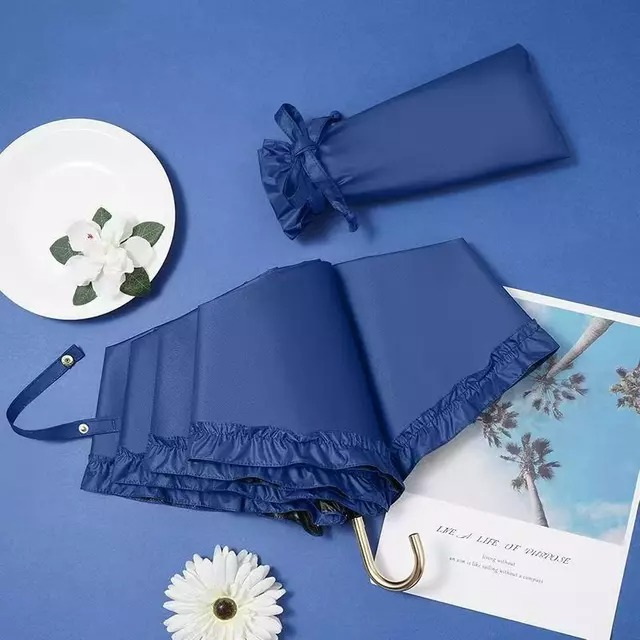
Traditional parasols were popular fashion accessories, carried for style and gentle shade, often made with lace, cotton or decorative textiles that were never meant to be soaked in rain. In contrast, umbrellas were always tools for staying dry, using tight‑weave synthetic fabrics with coatings that block water and resist wind. Today, outdoor garden parasols, patio parasols and beach parasols bridge the gap: they still prioritize shade, but many also feature coated fabrics and stronger frames that allow occasional rain use.
Because of these design roots, a parasol often offers wider coverage and a more relaxed atmosphere, while an umbrella generally offers more compact, mobile protection. A garden parasol stands over a table for hours, while a folding umbrella travels with you in a bag or car. When thinking about rain, this difference in scene and duration is important: a short shower during coffee on the terrace is very different from walking through a storm for 30 minutes.
Parasol canopies are commonly made from polyester, acrylic or other outdoor fabrics chosen for UV rating, colorfastness and style. Umbrella canopies, while often also polyester or nylon, are optimized for water resistance and sometimes for wind‑vent structures that release pressure. Parasol frames tend to be heavier and more architectural in the garden models, or lighter and more decorative in fashion models, whereas umbrella frames favor a balance of strength and light weight for portable carry.
The rib geometry and joint design also reflect these purposes. A parasol used in a café or garden relies on a solid center pole and ribs that support a large canopy for long periods with minimal opening and closing cycles. An umbrella must open and close many times and survive impacts, gusts and constant handling. When a parasol is advertised as suitable for rain, it usually means the fabric and frame have been upgraded to borrow some of the performance characteristics normally associated with umbrellas.
In practical terms, many users do rely on a parasol for sudden light rain, especially when they are already seated or standing in one place. If the parasol canopy is coated and the rain is not too heavy, water will bead on the surface and run off the edges instead of soaking through immediately. For this kind of scenario, a parasol can be considered sufficiently useful as a rain shelter.
However, there are clear limits. A parasol that is not specifically designed for heavy rain can start to leak under long exposure, especially at seams or where fabric has aged. Water can collect in shallow areas of the canopy, adding weight, and wind can push the wet canopy more aggressively than a dry one. For walking in strong rain or for long outdoor events under unstable weather, a product that is meant primarily as a rain umbrella or an all‑weather parasol is still a much safer and more reliable choice.
In light showers and short drizzles, most coated parasol fabrics perform well enough to keep people comfortably dry. The water‑repellent coating makes drops roll off quickly, and the wide canopy gives generous coverage for tables, displays or seating areas. In such situations, the parasol feels like a flexible, multi‑purpose outdoor tool that handles both sunshine and small surprises from the sky.
During heavy downpours, on the other hand, continuous water pressure can overcome simple water‑repellent coatings, causing slow seepage through the fabric or through stitching holes. If the parasol canopy does not have a sufficient pitch angle, puddles may form on top, stretching fabric and stressing ribs. This is why manufacturers and suppliers often recommend closing parasols during severe storms, even when the fabric itself is robust.
Fabric is one of the most critical factors in determining whether you can safely use a parasol for rain. The same parasol frame can perform either poorly or very well in wet conditions depending on what covers it. Understanding the main fabric options helps buyers and OEM customers choose the right specification for their market.
Polyester is the most common parasol fabric because it is affordable, durable and accepts coatings very well. When treated with a quality water‑repellent or waterproof finish, polyester parasol canopies can offer good protection from showers while still blocking UV radiation. Many mid‑range and even premium garden parasol collections use polyester with specialized finishes for this reason.
Acrylic and other premium outdoor fabrics are popular at the high end because they combine excellent colorfastness, pleasant touch and very strong weather resistance. These materials are engineered to resist fading under strong sun and to repel water effectively, making them ideal for hotels, resorts, cafés and high‑value residential projects. They also maintain their performance over many seasons when cared for correctly, which makes them attractive for professional buyers.
A water‑repellent parasol fabric is treated so that water beads up on the surface instead of soaking in immediately. This is usually enough for sunshade plus occasional showers, and it keeps the canopy lighter and more breathable. Over time, however, very long rain exposure can still lead to dampness or leaks, especially if the coating wears or if the parasol is folded when wet.
Fully waterproof fabrics are designed to withstand much higher water pressure, often tested by a “water column” method to indicate how much pressure they can endure before leaking. In parasol applications, these fabrics can be combined with seam sealing and tight stitching to create all‑weather products. For brands that want to market parasols explicitly as both shade and rain solutions, specifying waterproof fabric is a powerful selling point.
Modern outdoor textiles allow manufacturers to integrate UV‑blocking pigments, dense weaves and advanced hydrophobic coatings in one parasol fabric. This means a single parasol can offer strong UPF ratings against the sun while also providing reliable resistance to rain. For users, this translates to buying just one product that works in many settings: garden dining, poolside relaxation, temporary market stalls and light rainy days.
For OEM clients, combining UV and rain performance in parasol designs can open new market segments. Hospitality customers, for example, want parasols that look stylish in the sunshine but still work when a surprise shower arrives, without having to move guests inside immediately. With optimized parasol fabric, a brand can position its products as a complete outdoor comfort solution.
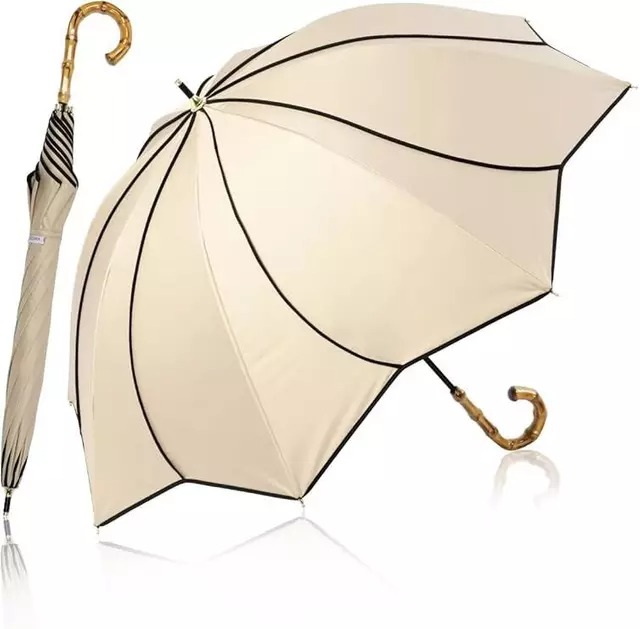
Beyond fabric, the frame of a parasol plays a huge role in how it behaves in rain. Water adds weight to the canopy, and wet fabric catches more wind, so ribs, hubs and poles experience higher stress. A strong, well‑engineered parasol frame helps maintain safety and extends product life.
When a parasol gets wet, the canopy can become heavier and more aerodynamic in a way that traps more wind. Gusts that a dry parasol might survive can become more dangerous if the canopy is already loaded with water. If the base is not heavy enough or the frame is too light, the parasol may tip, bend or even break, which is a safety risk for people below.
To handle these conditions, rain‑ready parasols often use thicker poles, stronger metal components or fiberglass ribs that flex without snapping. Some designs include vented canopies, where fabric panels allow wind to escape from beneath the parasol rather than lifting it. Such details are important if the parasol will be used in coastal, high‑wind or rainy regions.
Large garden parasols provide generous coverage, which is excellent for groups and for commercial spaces, but large surfaces also collect more water and catch more wind. This means big parasol models must be paired with appropriate bases, ground anchors or mounting systems and should be closed when storms are expected. Smaller or handheld parasols are easier to manage but must still have robust joints and ribs to handle the extra load from rain.
When selecting parasols specifically for mixed sun and rain use, it is sensible to balance size and manageability. A slightly smaller but more stable parasol can give reliable protection in varied weather, whereas an oversize parasol with a light base may become a liability when clouds turn dark.
Using a parasol sensibly in the rain is not just about the product you buy; it is also about the way you operate and maintain it. With good habits, the same parasol can deliver many seasons of safe, multi‑purpose use.
In light rain, open the parasol fully so that water runs quickly off the edges and does not pond in the center. Make sure the parasol is firmly fixed into its base or mounting, and avoid placing it where runoff from roofs or trees will pour heavily onto a single part of the canopy. If wind speed starts to rise, consider whether it is still safe to keep the parasol open or whether closing it is smarter.
During storm warnings, strong gusts or long, heavy downpours, it is better to close the parasol and rely on indoor shelter or a purpose‑built umbrella. Closing early prevents extreme bending forces on ribs and poles and reduces the risk of accidents. Treating the parasol as a comfortable shade and light‑rain solution, not a storm shield, keeps expectations realistic and protects everyone involved.
After using a parasol in rain, always allow the canopy to dry completely before long‑term storage. If you must close it while damp to move or transport it, reopen it in a dry, ventilated place as soon as possible. This prevents mold, odor, staining and premature degradation of coatings.
Cleaning the canopy periodically with mild soap and water helps maintain both its appearance and its water‑repellent surface. Avoid harsh chemicals, stiff brushes or high‑pressure washers that could damage fibers or strip protective layers. Gentle care supports both UV and rain performance over time and keeps the parasol looking fresh for customers and guests.
For garden and patio parasols, using a protective cover when not in use is a simple way to extend life. A well‑fitted cover protects the parasol from dust, bird droppings, pollution and unexpected showers or frost. During winter or very long rainy seasons, many users choose to dismantle and store parasols indoors to avoid continuous moisture exposure.
OEM buyers and hospitality operators often plan a seasonal schedule: open parasols daily in fair weather, close and cover at night, and store for the off‑season. Clear operating instructions provided with each parasol help end‑users treat the product correctly, which reduces warranty issues and enhances brand reputation.
For overseas brands, wholesalers and manufacturers, working with a professional parasol OEM partner makes it possible to design products that are truly optimized for both sunshade and realistic rain use. Instead of relying on generic models, a custom parasol program can align fabric choice, frame design, printing and packaging with target markets and climate conditions.
In a typical OEM project, a client can choose between different canopy fabrics, such as standard polyester with water‑repellent coating, heavy‑duty waterproof polyester, or premium acrylic and marine‑grade textiles. Each option balances budget, performance and brand positioning. The OEM factory can also suggest fabric weights, UV ratings and water ratings that best match usage scenarios.
Frame options usually include aluminum, steel, wood or hybrid constructions, plus different rib materials like steel or fiberglass. Clients can specify vented canopies for windy locations, special tilt mechanisms for better sun control, or reinforced joints for markets where heavy rain is common. By combining these choices, a parasol line can be precisely tuned for patio, resort, street marketing or everyday consumer use.
Parasol products offer excellent branding surfaces because the canopy is large and highly visible. OEM parasol projects frequently integrate full‑color logo printing, all‑over graphics, UV‑stable inks and coordinated color palettes. For brands selling in rainy as well as sunny climates, emphasizing both “UV protection” and “shower‑ready” performance in graphics and packaging can strongly attract end‑users.
A well‑designed parasol collection can therefore support lifestyle marketing: sunny beach scenes, cozy café terraces under light rain, family barbecues protected from both glare and drizzle. For a parasol manufacturer, showcasing these use cases helps international buyers understand that a modern parasol is much more than a simple shade device; it is a flexible outdoor comfort solution that works across seasons.
A parasol can indeed be used for rain, as long as you respect its limits and understand its design. With quality water‑repellent or waterproof fabric and a strong, stable frame, a parasol will handle light showers comfortably and provide pleasant shelter for gardens, terraces, markets and events. However, in heavy downpours or strong winds, a dedicated rain umbrella or indoor space remains the safest and most effective choice.
For consumers, the best approach is to view a parasol as a multi‑purpose outdoor partner for sun, heat and occasional rain, not as a full storm shield. For brands, wholesalers and manufacturers, working with a capable OEM parasol factory makes it possible to specify fabrics, coatings, frames and branding so that each parasol line performs reliably in the real weather of its target market.
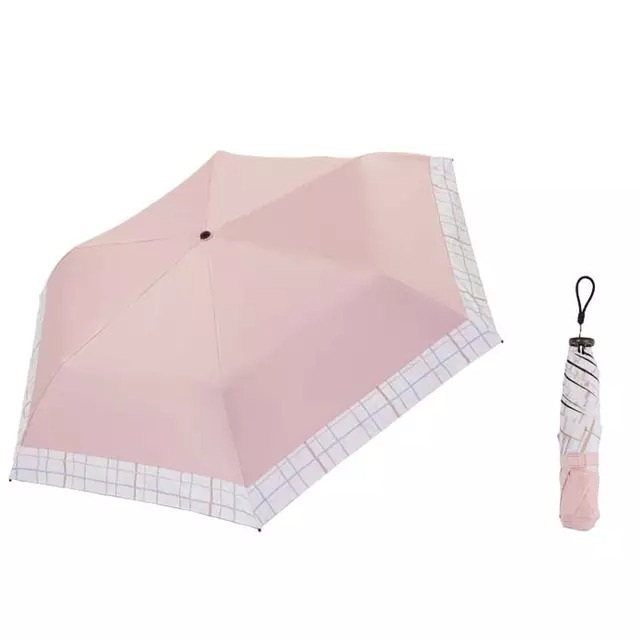
Not every parasol is suitable for rain. Fashion parasols or purely decorative models may use fabrics and frames that are not treated for water resistance, so they can leak or become damaged if exposed to showers. If you want to use a parasol for rain, look for clear descriptions such as “water‑repellent,” “waterproof” or “all‑weather” in the product specification.
A garden parasol can replace a rain umbrella in limited situations, such as light showers while you sit at a table or relax on a lounge chair. It is not a practical replacement for walking in the city or commuting, because it is not designed to be carried, opened and closed repeatedly in crowded spaces. For mobility and stormy conditions, a classic rain umbrella still works better.
To choose a parasol that works for both sun and rain, focus on three points: fabric, frame and rating. Select a canopy material with good UV protection and a proven water‑repellent or waterproof coating; pick a frame with solid ribs, corrosion‑resistant hardware and a stable base; and check that the product is described as suitable for outdoor use in varied weather. This combination will give you reliable performance in sunshine and light showers.
Using a parasol in the rain can shorten its lifespan if it is not designed for wet conditions or not cared for correctly afterward. Continuous soaking, ponding water and storage while damp can cause mold, discoloration, fabric stretching and rust on metal parts. If you dry the parasol thoroughly, clean it gently and store it under cover, occasional rainy use should not cause serious damage.
A rain‑exposed parasol needs regular drying, gentle cleaning and sensible storage. After each wet use, open the parasol in a ventilated place until the canopy and frame are completely dry, then close it and use a protective cover if possible. Periodically wash the fabric with mild soap and water, avoid harsh chemicals, and store the parasol indoors during long rainy seasons or winter to preserve both appearance and performance.


