
Language
Please Choose Your Language


Content Menu
● Understanding UV, SPF, and UPF
● Do Parasols Really Block UV?
● Parasol vs Umbrella for Sun Protection
● How UV‑Blocking Parasols Work
● Key Design Factors That Affect UV Blocking
>> Canopy Size, Shape, and Angle
● Comfort Benefits of a UV Parasol
>> Patio, Garden, and Café Parasols
● How to Choose a UV‑Blocking Parasol
● Using Parasols in a Complete Sun‑Safe Strategy
● OEM and Branding Opportunities with Parasols
● FAQ
>> 1. Do all parasols block UV?
>> 2. Is a parasol better than sunscreen?
>> 3. What color parasol blocks UV the best?
>> 4. Can I use a regular rain umbrella as a parasol?
>> 5. How long does the UV protection of a parasol last?
Yes, a modern parasol engineered for sun protection can block most harmful UV rays when it uses high‑quality, tightly woven fabrics, UV coatings, and a UPF 50+ rating. A well‑designed parasolnot only creates shade but also acts as a technical barrier against UVA and UVB, helping users enjoy outdoor spaces more safely and comfortably.
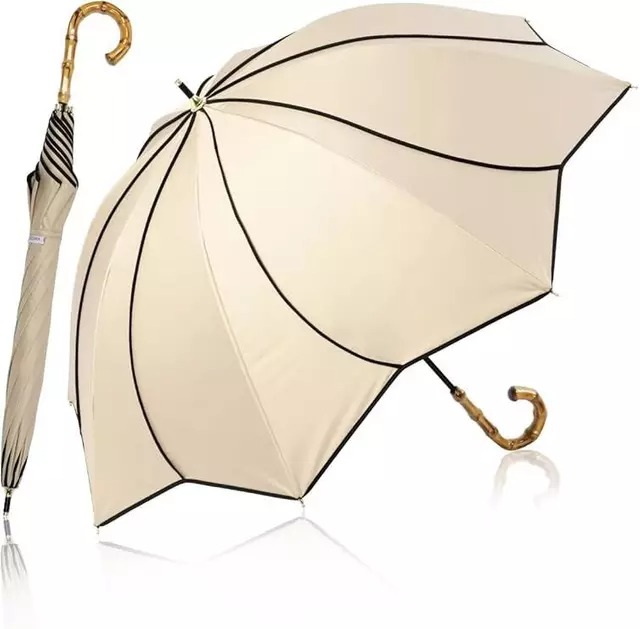
A parasol is a shade device designed primarily to protect users from sun exposure rather than from rain. Compared with a traditional rain umbrella, a parasol focuses on blocking solar radiation, providing cooler shade, and often enhancing the visual style of outdoor and street scenes.
Parasols can be handheld for personal use or mounted on stands and bases for gardens, cafés, hotels, swimming pools, and beach areas. In both scenarios, the parasol's core purpose is to create a protected micro‑climate under the canopy, where UV, glare, and heat are significantly reduced.
Ultraviolet (UV) radiation from the sun consists mainly of UVA and UVB, both of which can damage skin, accelerate photoaging, and increase the risk of skin cancer. Sunscreen products describe protection with SPF (Sun Protection Factor), but shade products use UPF (Ultraviolet Protection Factor).
UPF measures how much UV passes through a fabric to the skin underneath. A parasol canopy with UPF 50+ blocks about 98% of UV, allowing only a small fraction to reach the user. Fabrics without any tested UPF rating may look like they offer good shade, but they can still allow a considerable portion of UV through, especially when they are thin, light, or loosely woven.
Parasols can block UV very effectively when they are purpose‑built as UV sun parasols rather than purely decorative accessories. The most efficient models use woven or knitted fabrics specifically developed to stop or absorb UV rays, combined with dark or metallic inner coatings to further reduce transmission.
However, not every parasol on the market has strong UV performance. Decorative lace parasols, thin cotton models, or vintage‑style products often focus on aesthetics and may transmit a lot of UV, even though they cast visible shade. To enjoy true UV protection, users should focus on technical features like UPF rating, fabric specification, and canopy design.
At first glance, a parasol and a rain umbrella look similar, but they are optimized for different tasks. Traditional umbrellas focus on waterproof performance, using coatings that repel water and frames that withstand wind and rain. A parasol focuses on sun management: blocking UV, reducing glare, and keeping the shaded area cooler.
Today, many products combine both functions in “UV umbrellas,” which can act as a parasol in summer and as a rain umbrella in wet weather. For users who care most about UV protection, however, a dedicated parasol with a clear UPF rating and specialized fabric often offers more consistent and reliable performance than a basic, non‑rated rain umbrella.
A UV‑blocking parasol brings together several physical mechanisms to stop or manage incoming radiation from the sun:
- Absorption: Special pigments and coatings in the fabric absorb UV and convert it into harmless low‑energy heat.
- Reflection: Light or metallic finishes reflect part of the solar spectrum away from the canopy.
- Scattering: Dense fibers and complex weave structures scatter UV within the fabric, keeping much of it from passing through.
The combination of these effects, plus a sufficiently large canopy, can dramatically reduce the dose of UV a person receives when standing or sitting under the parasol. When the parasol includes a dark inner lining, it also helps reduce glare, making the shaded space more visually comfortable.
Fabric is the heart of UV performance in any parasol. High‑density polyester, solution‑dyed acrylic, or specialized UV‑blocking textiles usually offer much better protection than thin, loosely woven materials. A tight weave leaves fewer gaps between yarns, giving UV photons less chance to pass through and reach the skin.
Multi‑layer constructions further enhance performance: for example, a parasol with an outer decorative fabric and an inner UV‑blocking layer can provide both aesthetics and technical protection. By contrast, delicate lace or crochet designs, while visually charming, are usually not suitable as serious UV shields.
Color matters because darker shades absorb more solar radiation, including UV, while lighter shades reflect more visible light. Dark parasol canopies often achieve higher natural UV protection, especially when combined with a dense weave. To complement this, manufacturers commonly add invisible UV‑absorbing or reflective coatings so that even lighter colors can reach UPF 50+.
Some high‑performance parasols use a double‑tone concept: a stylish printed or light‑colored top for branding and appearance, and a dark or metallic inner surface to maximize UV absorption and reduce glare. This approach allows a parasol to look bright and attractive while still performing like a professional sun‑blocking tool.
Even with a highly protective fabric, shading geometry is critical. A small parasol canopy can leave shoulders, legs, or side areas exposed, especially when the sun is low in the sky. Larger canopies, wider diameters, and designs like cantilever or offset parasols create broader shade zones and offer better coverage against angled sunlight.
The ability to tilt or rotate the parasol is also important. As the sun moves from morning to afternoon, a fixed, vertical parasol may allow more light and UV to slip underneath from the side. With a tilting mechanism, users can continuously adjust the parasol angle to keep themselves and their guests in the shade, maintaining a high level of UV protection throughout the day.
Beyond pure UV numbers, a good parasol significantly improves outdoor comfort. Under a UV‑blocking parasol:
- Skin is less prone to burning and redness, reducing the need for repeated sunscreen applications on shaded areas.
- The perceived temperature is often lower, because the parasol reduces both direct solar heating and part of the infrared radiation.
- Glare is reduced, making it easier to read, use digital devices, or enjoy food and drinks without squinting.
A parasol essentially creates a portable micro‑climate: a pocket of cooler, softer light where people can relax, work, or socialize even when the sun is intense.
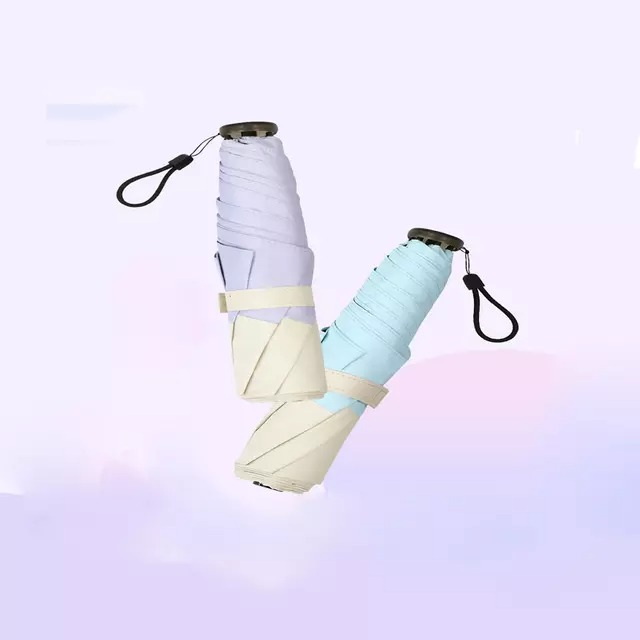
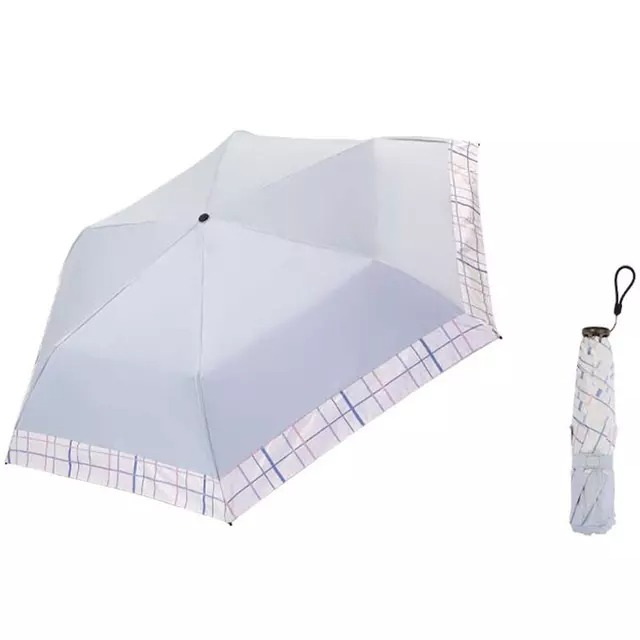
Handheld parasols are aimed at personal everyday use, such as walking in the city, commuting, traveling, and attending outdoor events. Many of these compact parasols fold down to handbag size and are lightweight enough for daily carry. When equipped with UPF 50+ fabric and quality frames, they become essential tools for skincare‑focused users who want to reduce sun damage without changing their wardrobe.
Larger outdoor parasols are standard equipment for patios, gardens, restaurants, bars, and hotel terraces. These parasols usually mount on central or side poles, with heavy bases to resist wind. High‑end models use UV‑resistant, fade‑resistant materials that maintain color and performance across many seasons. For hospitality and commercial projects, parasols can be produced in the brand's color scheme with logos, patterns, or custom shapes.
Beach parasols operate in one of the harshest environments: strong UV, salt, wind, and reflective sand. To protect users effectively, these parasols need both robust mechanical design and strong UV fabric. Spike or screw bases help secure the pole in sand, while adjustable angles help the user stay under shade even as the sun changes position. For resorts, coordinated parasols across poolsides and beaches also create a unified, premium visual identity.
When selecting a parasol, users should consider the following practical criteria:
1. UPF Rating
Look for clear labeling such as “UPF 30,” “UPF 40,” or “UPF 50+.” For serious sun protection, UPF 50+ is ideal, meaning that the parasol allows only a tiny fraction of UV to pass through the fabric. If no rating is provided, the product may not have been tested, so its true performance is uncertain.
2. Fabric and Construction
Check whether the parasol uses tightly woven polyester, acrylic, or dedicated UV fabrics, preferably with double‑layer or coated construction. Avoid very thin or transparent materials if UV blocking is a priority. Reinforced stitching, strong ribs, and quality joints also contribute to long‑term performance, because sagging or torn fabric can open pathways for sunlight.
3. Size, Shape, and Adjustability
Choose a canopy size that suits the intended use: compact and foldable for individual city use, wider for family or group seating areas. Consider round, square, or rectangular shapes to match furniture layouts. Features like crank lifts, push‑button ribs, and tilt functions make daily use easier and shade control more precise.
4. Durability and Maintenance
UV, rain, pollution, and mechanical wear all gradually affect fabric and frames. High‑quality parasols use UV‑stable dyes and finishes that resist fading and degradation. Removable canopies, washable fabrics, and replaceable parts extend the life of the parasol and keep it looking fresh even after intense use.
While a good parasol is a powerful tool, it should be part of a wider sun‑protection strategy rather than the only measure. Even under a parasol, indirect and reflected UV from surfaces like sand, water, glass, or pavement can still reach exposed skin. For best results:
- Apply broad‑spectrum sunscreen on exposed areas.
- Wear UV‑blocking clothing, hats, and sunglasses.
- Plan outdoor activities to avoid the strongest midday sun when possible.
- Move or re‑angle the parasol regularly to keep the body within the shaded zone.
With these combined steps, the parasol significantly reduces the cumulative UV dose over months and years, which is especially important for children, people with fair or sensitive skin, and anyone spending long hours outdoors.
For international brand owners, wholesalers, and manufacturers, the parasol is much more than a simple shade product: it is a large, eye‑catching branding surface and a practical gift or equipment item. OEM parasol production allows full customization, including:
- Canopy color matching to brand identity.
- Logo printing, all‑over patterns, and promotional messages.
- Choice of canopy sizes, shapes, and pole finishes.
- Selection of UV‑blocking fabrics and UPF performance levels.
In hospitality and retail, coordinated parasols across terraces, pool areas, outdoor cafés, and event zones create a strong brand atmosphere while adding real value in the form of comfort and UV protection. For marketing campaigns, a custom parasol serves as a long‑lived promotional item that customers use repeatedly, giving the brand exposure season after season.
As a professional parasol manufacturer serving overseas partners, it is possible to work closely with clients to balance technical performance (UPF, durability, frame strength) with design goals (colors, logo placement, special shapes). This OEM cooperation ensures that the final parasol is not only visually aligned with the brand but also meets the sun‑safety expectations in target markets.
Parasols can definitely block UV, but their effectiveness depends on whether they are designed as technical sun‑protection tools rather than purely decorative accessories. When a parasol uses tightly woven, UV‑blocking fabrics, suitable coatings, and a well‑sized, adjustable canopy, it can provide UPF 50+ and significantly reduce harmful UV exposure. For personal, commercial, and hospitality applications, a carefully chosen or custom‑made parasol combines health protection, thermal comfort, and powerful outdoor branding, helping users and brands enjoy the sun more safely and stylishly.
No, not all parasols block UV effectively. Thin, decorative, or lace parasols may cast visible shade but still allow a large portion of UV to pass through, especially under strong sunlight. For reliable protection, choose a parasol with a clearly stated UPF rating, preferably UPF 50+.
A parasol and sunscreen work best together rather than in competition. The parasol provides a strong physical barrier and can protect clothing‑covered areas and faces without reapplication, while sunscreen protects all exposed skin, including areas outside the parasol's shade. Relying on both gives more complete, consistent protection than using either one alone.
Generally, dark colors such as black, navy, or deep green absorb more UV and therefore offer higher natural protection than very light colors. However, many modern parasols use special UV coatings or double‑layer constructions that allow even light‑colored or patterned canopies to reach UPF 50+. The combination of fabric density and UV treatment is more important than color alone.
A regular rain umbrella can provide some UV protection because it blocks direct sunlight, but it is not always optimized for UV blocking. The fabric may not be tested for UPF, and coatings might focus only on waterproofing. For frequent sun exposure, a UV‑rated parasol or UV umbrella is a safer choice, especially for users with sensitive skin or high sun‑protection needs.
The UV protection of a parasol gradually decreases over time due to sun exposure, weathering, and fabric aging. High‑quality UV fabrics and stable dyes retain performance for several seasons, but factors like constant outdoor use, strong sun, and poor storage can speed up degradation. Regular inspections for fading, thinning, or damage, plus timely replacement of worn canopies, help maintain effective UV protection.


