
Language
Please Choose Your Language


Content Menu
● UV Protection and Skin Health
● Parasol vs Umbrella vs Other Shade
● Real‑World Cooling Scenarios
● Design Features That Improve Cooling
● Color, Coatings, and Heat Perception
● Structural Quality and Stability
● Business and Branding Benefits
● OEM Opportunities for Professional Parasols
● Choosing the Right Parasol for Heat
● Everyday Tips for Staying Cooler with a Parasol
● Why Parasols Are Energy‑Efficient Cooling Tools
● FAQ
>> 1. Do parasols actually make the air cooler?
>> 2. Can a parasol replace sunscreen?
>> 3. Is there a difference between a parasol and a normal umbrella?
>> 4. What kind of parasol is best for very hot climates?
>> 5. How should a parasol be positioned to give the most shade?
Parasols do help with heat by blocking direct sunlight, reducing the radiant energy that hits your skin and clothing, and creating a cooler zone of shade beneath the canopy. In hot weather, standing under a well‑designed parasol can make the air feel several degrees cooler and much more comfortable. At the same time, a parasoloffers strong ultraviolet (UV) protection, which helps prevent sunburn and long‑term skin damage.
A parasol is a shade device designed primarily to protect people from the sun rather than from rain. While a typical rain umbrella focuses on keeping water away, a parasol focuses on filtering sunlight and UV radiation so that people feel cooler and safer outdoors. In many markets, the word “parasol” is also used for large outdoor sun‑shades used in gardens, cafés, pools, and beaches.
Compared with a standard umbrella, a parasol often has a wider canopy, UV‑resistant fabric, and a frame optimized for stable shade in bright, hot conditions. Handheld parasols are usually lighter and easier to carry for daily use in streets and parks, while patio or garden parasols are mounted on poles and bases and can cover tables, loungers, or whole seating zones.
Heat outdoors comes not only from the temperature of the air, but also from direct solar radiation falling on your body, clothing, and the ground around you. A parasol breaks this direct line of radiation by blocking sunlight before it reaches you. Once the parasol canopy is in place, your body receives far less radiant heat and begins to feel closer to the actual air temperature instead of the much hotter “in the sun” temperature.
In many situations, this simple shading effect can change your comfort level dramatically. On a hot summer day, people often feel a sudden sense of relief as soon as they step under a parasol. Surfaces such as metal chairs, wood decks, and plastic tables also absorb far less heat when shaded, which prevents the environment from turning into a heat reservoir that keeps radiating warmth back toward you.
Besides reducing heat, a parasol is a powerful tool for protecting your skin. Direct exposure to UV rays can cause sunburn in the short term and contribute to premature aging, dark spots, and increased skin cancer risk over time. By placing a woven or coated barrier between the sun and your skin, a parasol cuts a large portion of this radiation before it even reaches you.
Many modern parasol fabrics are designed with high Ultraviolet Protection Factor (UPF) ratings, similar to high‑quality sun‑protective clothing. A parasol with UPF 50+ fabric can dramatically reduce the amount of UV that passes through the canopy. When combined with sunscreen, hats, and sunglasses, a parasol completes a layered protection strategy that keeps you more comfortable and safer during long hours outdoors.
Although “parasol” and “umbrella” are sometimes used as if they mean the same thing, there are important differences for heat protection. A typical rain umbrella is built mainly for water resistance and portability. Its fabric is often optimized for waterproof performance, not for high UV blocking or advanced heat reflection, and the canopy is usually smaller.
A parasol, on the other hand, is designed from the beginning as a sunshade. Its canopy is often bigger to cover more body area or entire seating groups, and the material is chosen or treated to block UV rays efficiently. In fixed outdoor areas like patios, balconies, and pool sides, parasols can also compete with shade sails and pergolas. Shade sails spread fabric tensioned over a large area, but parasols are far more flexible and easy to reposition as the sun moves or as seating layouts change.
In real life, people use parasols in many different environments where heat is a problem. On city streets, handheld parasols give pedestrians personal shade as they walk along wide avenues or stand in open queues. This is especially important where buildings and asphalt reflect a lot of heat upward, making the environment feel like an “urban heat island.”
In hospitality and commercial spaces, large garden parasols cover restaurant terraces, bars, or pool lounges. Under these parasols, guests can dine, drink, or rest without feeling overwhelmed by the sun's glare or heat. At the beach, rows of branded parasols protect families and tourists throughout the day. These setups not only make people feel cooler but also increase the usable time for outdoor areas, since guests can remain comfortable even when the sun is high.
The design of a parasol strongly influences how well it reduces heat. One of the most important elements is the canopy fabric. Thick, tightly woven materials or special coated textiles block light more effectively and limit the amount of solar energy that penetrates through to the person below. Fabrics with high UPF ratings or specific UV‑blocking treatments are especially beneficial in strong sunlight.
Canopy size and geometry matter too. A large, wide parasol casts a broader pool of shade, which covers more of the body and more surrounding surfaces. Round canopies are popular for general use, while rectangular or square shapes are ideal for long tables and bench seating. Good engineering also includes vents or double canopies at the top of the parasol. These vents allow hot air to rise and escape, improving ventilation and reducing heat build‑up under the canopy.
Color plays a subtle but important role in how a parasol handles heat and light. Darker outer colors tend to absorb more sunlight, helping to block intense glare and UV from passing through the canopy. Lighter inner surfaces can keep the shaded area visually bright and pleasant without feeling dim or gloomy. Some parasols use reflective or metallic coatings on the outside to bounce solar radiation away while maintaining a lighter, comfortable shade tone inside.
From a user's point of view, the perceived comfort under a parasol depends on more than just air temperature. Glare from the sun can make you squint, cause headaches, and make the environment feel harsher. A well‑chosen parasol color and finish will soften this glare and create a calm, visually comfortable zone. This combination of reduced brightness and lower radiant heat is what makes time under a parasol feel so different from standing in open sun.
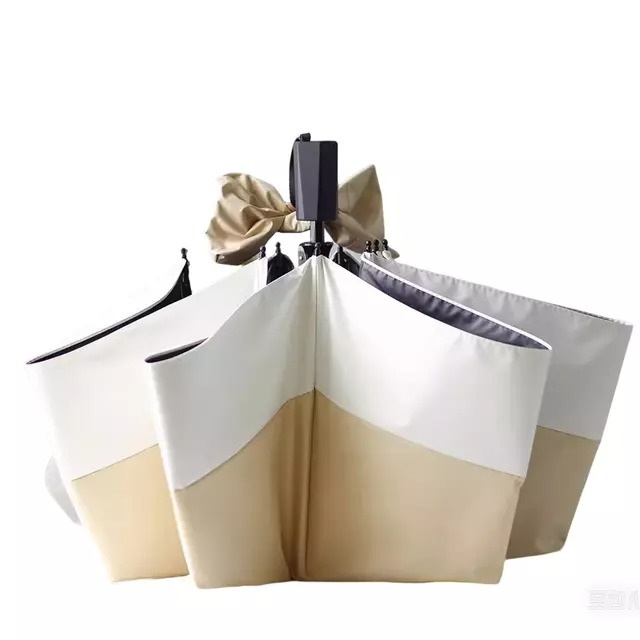
For fixed or semi‑fixed parasols, frame quality is crucial both for safety and for maintaining consistent shade. Strong poles made from aluminum, steel, or reinforced composites resist bending and ensure that the parasol remains upright even in wind or when accidentally bumped. Durable ribs and hubs keep the canopy tensioned, which maintains its proper shape and shade coverage.
Easy‑to‑use opening mechanisms, such as cranks, pulleys, or push‑up systems, encourage people to actually use the parasol whenever the sun appears. If a parasol is difficult to operate, users may avoid adjusting it, and areas remain in direct sun. Stable, heavy bases or ground anchors prevent the parasol from tipping or shifting, so the shade stays exactly where customers and guests need it for comfort.
For brands, retailers, and wholesalers, parasols are more than a simple accessory: they are a functional advertising platform. Large canopies provide generous space for logos, brand colors, slogans, and decorative patterns. When installed in outdoor seating areas, hotel pools, beachfronts, or promotional events, parasols become visible from a distance and help create a strongly recognizable environment.
At the same time, the cooling and protective features of a parasol directly affect customer experience. Guests who can sit comfortably under shade are more likely to stay longer, order more, and remember the venue positively. For foreign brands that work with OEM manufacturers, customized parasols that match furniture, walls, and other visual elements allow them to build a coherent outdoor identity while adding real, measurable comfort value.
OEM parasol manufacturing opens a wide range of customization options tailored to different climates and markets. International partners can specify canopy size, shape, fabric type, UPF rating, pole material, opening mechanism, tilt functions, and base style. This level of customization makes it possible to design parasols perfectly adapted to beach resorts, street cafés, hotel rooftops, and residential terraces.
For professional buyers, parasols can also be integrated into broader product lines. The same color palette and printed graphics can be used across parasols, umbrellas, cushions, tents, and other outdoor products, building consistent branding across every touchpoint. For hot regions, OEM clients may focus on maximum UV protection and ventilation, while for more temperate areas, they may prioritize style, weight, and easy storage.
When the main goal is reducing heat, certain technical details become especially important. First, a large canopy diameter and appropriate shape ensure that the parasol covers the entire area people actually use, instead of leaving shoulders or legs exposed to the sun. Second, high‑quality UV fabrics with clear performance ratings provide better long‑term protection and fade resistance.
Third, features like tilt adjustments and cantilever arms make it easier to track the sun's movement throughout the day. As the sun moves from east to west, fixed canopies may leave parts of a table or lounge exposed. A parasol with tilt or side‑arm functions can be repositioned quickly, keeping the shade zone exactly where people are sitting. Finally, a stable base matched to the parasol size keeps everything secure and safe in daily operation.
To get the most from any parasol, users should think about both placement and behavior. Position the parasol so that it blocks the sun from the side where the sun is strongest at that time of day, usually to the south or west in many locations. Adjust the angle of the canopy, if possible, so that it shades the upper body and face, where people feel heat most intensely.
Whenever possible, combine parasol shade with other sensible habits: wearing breathable clothing, drinking enough water, and avoiding heavy physical activity during peak sunlight hours. In outdoor business spaces, grouping several parasols together can create a continuous shaded corridor, guiding people smoothly from one area to another without forcing them to step into harsh sun.
Unlike electric fans or air‑conditioning units, parasols consume no energy and generate no noise or emissions. They work purely by controlling solar radiation and improving local micro‑climate conditions. For businesses, this means parasols can help keep outdoor areas attractive even during hot seasons without adding to energy bills.
At home, a strategically placed parasol near windows, balconies, or glass doors can also reduce direct solar gain into indoor spaces. By shading the exterior, the parasol lowers the amount of heat entering the building, which can reduce the load on air‑conditioning systems. This combination of thermal comfort, energy savings, and aesthetic value makes parasols an especially appealing solution for modern outdoor design.
Parasols clearly help with heat by blocking direct sunlight, reducing radiant energy, and creating cooler, more comfortable shade zones wherever people gather outdoors. A high‑quality parasol also protects against harmful UV radiation, decreases glare, and improves how long and how comfortably people can enjoy outdoor spaces. Whether used on city streets, beaches, hotel pools, or restaurant terraces, parasols are among the simplest and most effective tools for instant, energy‑free heat relief.
For brands, wholesalers, and manufacturers, well‑designed parasols combine practical cooling performance with strong visual impact. Through OEM customization, parasols can be tailored to different climates, usage scenarios, and branding requirements. When customers ask whether parasols really help with heat, the answer is straightforward: a thoughtfully engineered parasol offers immediate comfort, long‑term skin protection, and significant value in any hot, sunny environment.
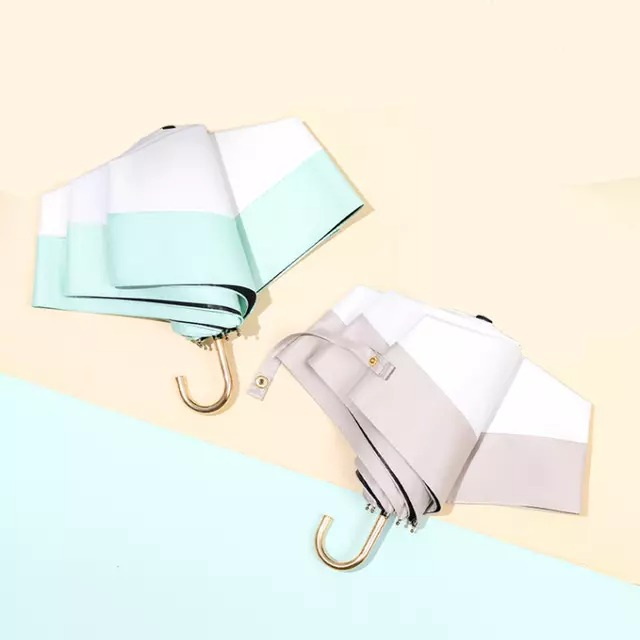
Parasols reduce how hot you feel by blocking direct solar radiation and cutting the amount of heat your body absorbs from sunlight. The air temperature may stay similar, but the radiant load on your skin and clothing drops, so you experience a noticeably cooler and more comfortable environment.
A parasol is a strong physical barrier against UV rays, but it does not cover your entire body from every angle, especially when light reflects from water, sand, or walls. Sunscreen on exposed skin is still recommended, so the best approach is to use a parasol together with sunscreen, protective clothing, and sunglasses.
Yes. A parasol is primarily designed for sun protection, often with UV‑blocking fabrics, wider canopies, and frames optimized for shade. A normal umbrella is mainly designed for rain protection, usually with smaller size and fabrics that are waterproof but not necessarily optimized for UV and heat reduction.
For very hot areas, choose a parasol with a large canopy, high‑UPF or UV‑treated fabric, good ventilation at the top, and a stable, weather‑resistant frame. Darker or specially coated outer surfaces help block intense sunlight, while tilt or cantilever functions allow you to follow the sun's movement during long, hot days.
To maximize shade, place the parasol so that the canopy is between you and the sun's strongest direction at that time of day. Adjust the height and tilt so that it covers the head, shoulders, and the main seating or working area. In larger spaces, combining several parasols can create a continuous shaded zone with minimal gaps.


