
Language
Please Choose Your Language


Content Menu
● 1: Shade, airflow, and human comfort
● 2: Passive cooling design principles for mass production
● 3: Active and semi-active cooling options for OEM programs
● 4: Material choices and durability for global markets
● 5: Positioning and messaging for OEM success
● 6: Sample OEM configurations and market-ready options
● 7: Quality control, supply chain, and production integration
● FAQ
>> Q1: Do parasols with vented canopies reduce heat exposure for users?
>> Q2: Are there OEM-friendly cooling options that don't require electricity?
>> Q3: Can phase-change materials be integrated into parasols, and what are the trade-offs?
>> Q4: What materials balance durability and cost across global markets?
>> Q5: What maintenance practices help sustain cooling performance?
Parasols are evolving beyond simple sun shade into smart outdoor comfort systems. For brand partners, wholesalers, and manufacturers seeking OEM opportunities, parasols can combine shade, airflow optimization, material science, and lightweight engineering into a scalable product family. This article delves into the cooling mechanisms associated with parasols, surveys contemporary design strategies, and outlines practical, OEM-friendly configurations that balance performance, cost, and durability across global markets. It also covers material choices, venting strategies, and optional active cooling features that can be integrated into an OEM program, all while keeping the message clear for international buyers and channel partners.
Shade reduces radiant heat load by blocking direct solar radiation, but comfortable outdoor environments also depend on air movement and surface evaporation. A well-designed parasol creates a microclimate beneath its canopy, where wind flow and moisture exchange interact with skin temperature and perceived comfort. For OEM initiatives, this translates into design choices that promote airflow without compromising shade volume or structural stability. Incorporating vented canopies, breathable fabrics, and carefully engineered rib spacing can enhance perceived cooling, particularly in warm, breezy coastal regions or outdoor dining settings. In-field observations and laboratory simulations show that even modest improvements in airflow under a parasol can yield noticeable reductions in skin temperature and thermal sensation for users wearing typical outdoor apparel. These concepts underpin effective, scalable OEM products.
- Venting strategies: Ventilated canopies reduce heat buildup by enabling vertical airflow while maintaining shade. A double-canopy or strategically placed vent openings can create chimney-like effects that channel breeze through the canopy.
- Reflective and UV-stable fabrics: Light-colored or reflective textiles minimize heat absorption, lowering canopy temperatures and improving wearer comfort. Breathable fabrics that wick moisture help dissipate heat and maintain a cooler feel under the shade.
- Fabric weight and weave: Lightweight, breathable materials with optimized porosity improve air exchange without sacrificing shade effectiveness. Fabric technologies that balance opacity with airflow support can preserve aesthetics and performance.
- Frame systems: Aluminum or high-strength alloy frames provide lightness and corrosion resistance, enabling larger shade areas without excessive weight. Ribs and joints should be engineered for high fatigue life to support frequent deployment and retraction in varied climates.
- Connection hardware: Durable, corrosion-resistant connectors reduce maintenance needs in outdoor environments, ensuring consistent canopy tension and shade quality over time.
These passive strategies enable OEM programs to deliver cooling-friendly parasols at scale, maintaining cost efficiencies while guaranteeing repeatable performance across production lots.
- Integrated micro-fans: Small, energy-efficient fans can augment airflow beneath the canopy, improving evaporative cooling at the user level. These systems should be modular, weather-resistant, and designed for quick installation in existing lines.
- Solar-assisted modules: Lightweight solar panels can power fans or a small cooling unit, aligning with sustainability goals and appealing to environmentally conscious buyers.
- Phase-change materials (PCMs): PCMs embedded in canopy linings or inserts can absorb heat during peak sun exposure, moderating canopy temperature and extending perceived coolness. Thermal management and packaging considerations are essential to prevent bulkiness or compatibility issues with transport.
- Hybrid cooling solutions: A combination of vented canopy design with a compact, low-noise fan module offers a practical, scalable option that can be standardized for multiple models and market segments.
OEM configurations should emphasize modularity, ease of assembly, and robust environmental sealing to withstand sun, rain, and dust in offshore markets. The emphasis is on scalable options that preserve margins while delivering demonstrable comfort improvements.
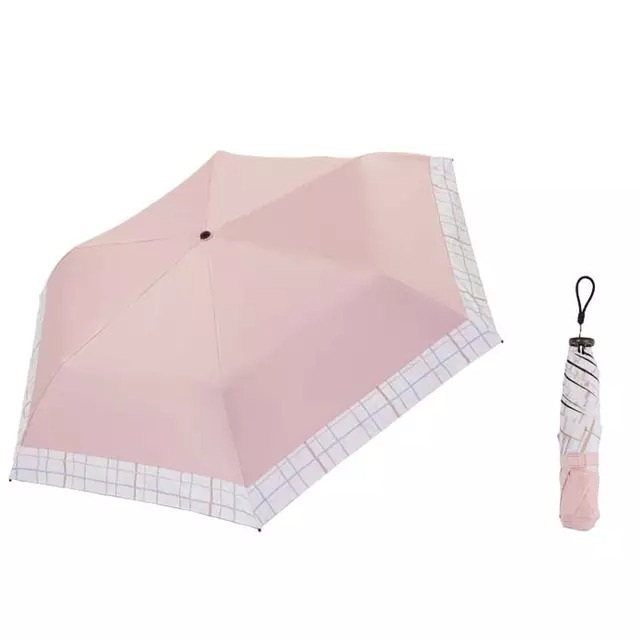
- Fabrics: Polyester blends with UV stabilization provide balance among color fastness, breathability, and cost. For premium lines, fabrics offering enhanced moisture wicking and higher UPF protection can differentiate products in sun-intensive regions.
- Frames: Aluminum alloys deliver lightness and corrosion resistance—critical for humid tropical zones and coastal markets. Finishes such as anodizing can extend service life in salty environments.
- Canopy linings and reinforcement: Reinforced edges and stress-relief stitching improve long-term performance, especially for large-diameter parasols used in hospitality or event contexts.
- Hardware: Hardened steel or high-strength aluminum connectors improve wheel-and-axle durability for frequent operation. Protective coatings reduce wear from repeated deployment cycles.
- Care and maintenance: Easy-clean surfaces and removable fabric panels simplify cleaning in markets with high dust or salt exposure, supporting consistent aesthetics and performance.
In OEM engagements, material selection should align with expected climate exposure, service life targets, and cost ceilings, ensuring uniform quality across production batches and markets.
- Clear cooling benefits: Communicate the shade plus comfort benefits with tangible, shopper-friendly metrics. When possible, quantify perceived temperature reductions and airflow improvements using simple, repeatable tests.
- Visual storytelling: Use visuals to illustrate airflow paths, venting design, and the interaction between shade and outdoor environments. High-quality imagery supports SEO and helps distributors convey value to end customers.
- Feature sets that travel: Design parasols with modular options—e.g., vented canopies, UV-reflective fabrics, wind-resistant ribs, and optional cooling add-ons—that can be combined into tiered product lines for different markets and price points.
- Certification and safety: Provide third-party certifications for fabric durability, fire retardancy, and outdoor suitability, which helps buyers in regulated markets and reduces import barriers.
- After-sales and service: Offer maintenance guides, spare parts kits, and standardized replacement components that simplify aftermarket support for international customers.
These positioning strategies enable OEM partners to build trust, simplify international sales, and scale a diverse parasol portfolio with reliable, repeatable quality.
- Hospitality standard parasol: Large canopy, vented design, UV-reflective fabric, aluminum frame, and a modular cooling option with a quiet, low-power fan kit.
- Travel-friendly parasol: Compact, lightweight frame, breathable canopy material, and optional compact fan module for on-the-go comfort.
- Event-grade solar parasol: Integrated solar panel, detachable battery pack, silent micro-fan unit, and robust transport-friendly features.
- Premium outdoor living parasol: Advanced fabrics with high UPF, reinforced ribs, anti-rust coatings, and a full-service maintenance program for high-traffic venues.
These configurations illustrate how an OEM program can deliver a spectrum of products to meet diverse market needs while maintaining consistent quality and branding across regions.
- Standardized testing: Wind resistance, canopy tension, color consistency, and weather exposure tests ensure repeatable performance across lots.
- Supplier alignment: Close collaboration with fabric, frame, and hardware suppliers to ensure consistent material properties and finishes across regions.
- Assembly efficiency: Design for manufacturability with modular cooling components, standardized hardware, and clear assembly instructions aiming for rapid ramp-up in existing production lines.
- Documentation: Provide BOMs, installation guides, maintenance recommendations, and regional regulatory considerations to support smooth international distribution.
A tightly integrated QA/QA plan reduces returns and improves brand reputation in overseas markets.
Do parasols genuinely keep you cool? They can, when designed with a thoughtful blend of passive ventilation, reflective materials, and optional active components that are modular, scalable, and OEM-friendly. The most successful programs balance shade effectiveness with airflow, durability, and cost, delivering tangible comfort gains for end users while aligning with brand partners' sustainability and reliability goals. By leveraging vented canopy designs, breathable fabrics, and selective cooling add-ons, parasols become versatile outdoor comfort systems suitable for a wide array of markets and brands.
A1: Yes. Venting improves airflow under the canopy, which can lower perceived heat and improve comfort, with effectiveness depending on wind conditions and canopy dimensions.
A2: Yes. Passive features such as vented canopies, reflective fabrics, and breathable textiles offer cooling benefits without power, while modular fan kits provide scalable improvements with minimal energy use.
A3: Phase-change materials can absorb heat under sunshine, moderating canopy temperature. Trade-offs include added weight, cost, and the need for careful packaging to prevent bulkiness and to maintain usability.
A4: Aluminum frames for lightness and corrosion resistance, combined with UV-stable fabrics and reinforced edges, generally provide a strong balance of durability and cost for mass production and international distribution.
A5: Regular cleaning of fabric surfaces, inspection of joints and ribs, and checks on any active cooling components (fans or solar panels) for dust or battery health keep performance consistent and extend product life.
[1](https://scholars.cityu.edu.hk/en/publications/cooling-effect-of-fanned-parasol-for-mitigating-outdoor-heat-stre)
[2](https://www.imnovation-hub.com/science-and-technology/high-tech-cooling-parasol-works-without-electricity)
[3](https://www.sciencedirect.com/science/article/abs/pii/S0360132324008679)
[4](https://www.sciencedirect.com/science/article/abs/pii/S0038092X23003742)
[5](https://www.jstage.jst.go.jp/article/jmsj/100/4/100_2022-035/_html/-char/en)
[6](https://pmc.ncbi.nlm.nih.gov/articles/PMC12191002/)
[7](https://www.tandfonline.com/doi/full/10.1080/23328940.2023.2279032)
[8](https://scientificadvice.eu/scientific-outputs/solar-radiation-modification-evidence-review-report/)
[9](https://www.nature.com/articles/s43247-024-01908-4)


