
Language
Please Choose Your Language
Views: 222 Author: Amanda Publish Time: 2025-12-06 Origin: Site


Content Menu
● Parasol vs Regular Umbrella in Sun
● Do Parasols Really Protect From Sun?
● Key Parasol Features for Sun Safety
● Types of Parasols for Different Uses
● How to Use a Parasol for Maximum Protection
● Design and Material Choices in OEM Parasols
● Parasol Color, Heat, and Comfort
● When a Parasol Is Not Enough
● Why Parasols Matter for Brands and Wholesalers
● How Parasols Fit into Modern Lifestyle
● FAQs
>> 1: Do parasols protect from UV rays?
>> 2: Is a parasol enough on its own for sun safety?
>> 3: What features should I look for in a sun parasol?
>> 4: Are dark parasols always better than light ones?
>> 5: Can I use my regular umbrella as a parasol?
Parasols, when properly designed for UV protection, can block a very high percentage of harmful ultraviolet radiation and create comfortable shade in a wide range of outdoor environments. Modern parasol fabrics with high UPF ratings, combined with smart design and correct usage, make the parasola practical and elegant tool for everyday sun protection. For brands, wholesalers, and manufacturers, professional OEM parasol production allows all these technical advantages to be integrated into attractive, market-ready products.
A parasol is a portable shade device similar in structure to an umbrella but created mainly to shield users from sunlight rather than rain. The word itself traditionally refers to “sunshade,” and the typical parasol focuses on blocking UV rays and reducing glare instead of offering waterproof performance. In modern usage, the term covers both small handheld parasols and larger garden, patio, or beach parasols that stay in a fixed position.
Compared with a standard rain umbrella, a parasol places more emphasis on fabric UV performance, canopy size, and long-term colorfastness under sun exposure. Some parasols are decorative fashion accessories used for city strolling, while others are robust outdoor shading systems for gardens, hotel pools, cafés, or beaches. For overseas buyers, parasols can be produced by OEM factories in custom forms that match local styles and sun conditions.
The core of parasol sun protection lies in the fabric, particularly its Ultraviolet Protection Factor (UPF). UPF measures how much UV radiation can penetrate the cloth; a UPF 50+ parasol canopy allows only a very small fraction of ultraviolet light to pass through. In practice, that means most UV rays are absorbed or reflected by the parasol fabric before they reach the skin.
Several technical factors improve this blocking effect. A dense weave reduces the microscopic gaps through which rays can pass, while UV-absorbing coatings or pigments increase the fabric's ability to stop both UVA and UVB radiation. Darker or more saturated colors often perform better in absorbing UV energy, although multilayer designs can combine a dark inner layer with a lighter outer appearance. When all these elements are optimized, a sun parasol can provide “excellent” or “maximum” fabric-based UV protection.
Many people wonder whether an ordinary umbrella can double as a parasol. A typical rain umbrella does cast shade and therefore offers some reduction of direct sunlight, but its fabric is usually engineered first for waterproofing and mechanical durability, not for UV blocking. As a result, its protective performance may vary widely and is rarely tested or labeled in terms of UPF.
A dedicated parasol, however, is designed from the beginning with UV exposure in mind. The fabric is chosen, treated, and tested for its UV-blocking capability, and manufacturers often provide explicit UPF ratings so users know what level of protection they are getting. While a dark rain umbrella can still help in strong sun, a purpose-built parasol with verified UV performance is far more reliable for frequent or long outdoor use.
A well-constructed parasol does much more than simply “feel shady.” By blocking direct solar rays and a large proportion of UV radiation, it can significantly reduce the intensity of sunlight on the covered parts of the body. Skin under a quality parasol is exposed to less cumulative UV, which is an important factor in preventing sunburn, premature aging, and other UV-related damage.
However, not all shade is the same. Deep shade, where most of the visible sky is blocked by the parasol canopy, offers substantially better protection than a narrow or patchy area of shade. A parasol with a wide diameter and appropriate shape can create this deeper shadow over the head, shoulders, and upper body. When used thoughtfully, the parasol becomes a highly effective personal or group shield from midday sun.
When evaluating whether a parasol can truly protect from sun, it helps to understand its technical specifications. Important features include:
- UPF rating: A UPF of 40–50+ indicates very strong UV blocking performance at the fabric level.
- Weave density: Tightly woven textiles offer fewer gaps for rays to pass through.
- Coatings and treatments: Special finishes can improve UV resistance and slow down fabric degradation under constant exposure.
- Canopy size and depth: Larger, deeper parasols generate broader and more protective shade.
- Color and layering: Dark inner layers or double-layer construction can enhance UV absorbance and reduce light penetration.
For OEM and professional production, these features can be chosen and combined to meet different market needs, such as coastal climates, high-altitude sun, fashion-focused urban markets, or heavy commercial use.
The word “parasol” covers a broad family of products, each suited to specific sun-protection scenarios:
- Handheld city parasol: Compact and lightweight, convenient for daily commuting, travel, and shopping in sunny streets.
- Fashion parasol: Often decorative, but in modern designs increasingly lined with effective UV fabrics.
- Garden or patio parasol: Mounted through a table or on a base, used in home terraces, balconies, and yards.
- Beach parasol: Larger, with robust poles and anchors to withstand wind and strong coastal sun.
- Commercial parasol: Heavy-duty models for cafés, restaurants, hotels, resorts, and outdoor events, frequently branded with logos.
Each parasol type can be engineered with sun protection as a central requirement, ensuring that style and function work together. For brands and wholesalers, offering multiple parasol types in one collection makes it possible to cover everyday city use, leisure use, and professional hospitality use under a unified brand image.
Even the best parasol can only perform well if used correctly in the sun. Several practical tips can help users gain maximum benefit:
- Positioning: Always place the parasol between the sun and your body, adjusting as the sun moves across the sky.
- Distance: Stay close enough to the parasol pole or handle so that your head and upper body remain fully inside the darkest part of the shadow.
- Timing: Pay special attention during midday hours, when the sun is highest and UV intensity peaks.
- Combine methods: Use sunscreen on exposed skin, wear sunglasses and hats, and choose UV-protective clothing; do not rely on a parasol alone.
Reflections from water, sand, glass, or concrete can still send UV rays toward the skin, even under a parasol. That is why experts usually present shade, including parasols, as one pillar of a broader sun-protection strategy instead of a complete solution by itself.
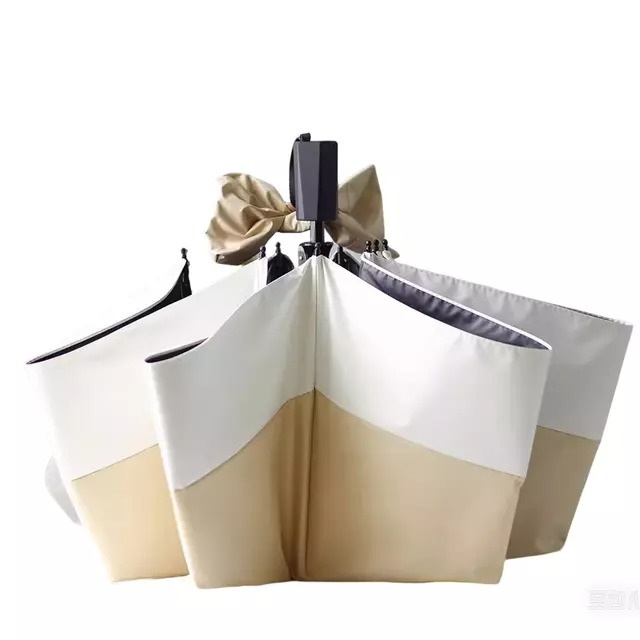
From the viewpoint of a parasol manufacturer, material selection and engineering are central to both UV performance and long product life. Textile choices such as polyester, acrylic, or outdoor-specific fibers can be optimized to reach targeted UPF levels while also being resistant to fading and tearing. The addition of UV-stabilizing chemicals in fibers or coatings helps maintain performance over multiple seasons of strong sunlight.
Frames and hardware are also critical. Steel offers strength but may require careful treatment against corrosion, while aluminum provides a good balance of lightness and rust resistance. Fiberglass ribs give flexibility and durability in windy conditions, especially for beach or garden parasols. Well-designed joints and tilt mechanisms allow the parasol to be adjusted easily as the sun moves, preserving the effectiveness of the shade without sacrificing user comfort.
The color of a parasol canopy influences both UV blocking and thermal comfort. Darker colors generally absorb more radiation and therefore often block more UV, but they can also become warmer to the touch and make the air under the canopy feel hotter in some conditions. Lighter colors reflect more visible light and can create a cooler visual atmosphere, yet may allow more UV to pass unless enhanced with special treatments.
To solve this, many modern parasols use multi-layer construction or special coatings. A darker inner layer handles UV absorption while the outer layer shows the desired brand color or decorative pattern. Some fabrics also integrate reflective or radiant-barrier layers that push a portion of the heat and light back away from the user. The result is a parasol that feels comfortable and cool underneath while still achieving strong UV performance.
Even though a parasol is a very useful tool, it cannot fully block every pathway of UV exposure. Diffuse radiation scattered in the atmosphere and reflection from surrounding surfaces mean that some rays will still reach the skin from the sides or below the canopy. This is particularly noticeable near water, snow, or pale sand, all of which can strongly reflect sunlight.
Therefore, medical and safety advice typically recommends a multi-layered approach. A parasol should be combined with broad-spectrum sunscreen of appropriate SPF, applied generously and reapplied as needed. Protective clothing, wide-brimmed hats, and UV-rated sunglasses add further barriers against radiation. For people with sensitive skin, children, or individuals who must spend long time outdoors, following all of these measures together provides the best balance between enjoying sunshine and staying protected.
The importance of the parasol goes beyond simple outdoor comfort. In many markets, sun safety awareness is rising, and customers are actively seeking solutions that protect the skin while still looking stylish. This trend creates strong opportunities for brands, retailers, and wholesalers to introduce dedicated parasol collections with clear, trustworthy UV claims.
OEM parasol manufacturing makes it possible to combine technical UV fabrics, custom frames, and distinctive branding into integrated product lines. Logos and patterns can be printed across the canopy, turning every parasol into both a sun-protection tool and a highly visible marketing surface. Hospitality businesses such as beach resorts, coffee shops, and outdoor event organizers can strengthen their image by offering coordinated, branded parasols that show consistent color and design. For consumer brands focusing on beauty, skincare, or fashion, a portable parasol range also fits naturally alongside other sun-care or lifestyle products.
Proper care extends the life and protective performance of a parasol. Regular cleaning removes dust, salt, pollution, and sunscreen residues that might gradually weaken fabrics or coatings. Mild soap and water are usually enough for most canopies; harsh chemicals should be avoided because they can damage fibers and reduce UPF effectiveness. After washing, the parasol should be fully dried before storage to prevent mold or mildew.
Storing a parasol correctly also protects both fabric and frame. Keeping it in a dry, covered area when not in use reduces UV exposure and weathering. For garden and commercial parasols, closing and securing the canopy during strong wind or storms helps avoid bending ribs or breaking poles. With sensible maintenance, a good parasol can provide reliable sun protection and keep its appearance over many seasons, improving the return on investment for both end users and B2B buyers.
In many cities and tourist destinations, parasols are becoming part of a broader shift toward healthier, more sun-aware lifestyles. Commuters carry compact parasols in bags or cars, using them whenever the mid-day sun becomes intense. Parents bring parasols to parks or playgrounds, combining them with children's hats and sunwear. Travelers choose hotel or beach facilities that provide large parasols, preferring comfortable, shaded seating over fully exposed loungers.
From a cultural and aesthetic point of view, the parasol also offers a unique balance between function and elegance. It allows people to protect their skin without hiding indoors, and it adds a visual element to fashion, outdoor décor, and brand identity. As awareness of UV-related health issues continues to grow worldwide, the parasol is likely to remain a prominent and practical accessory in daily life.
Parasols can absolutely protect from the sun when they are constructed with high-quality, UV-tested fabrics and designed to cast deep, generous shade over the user. By blocking most direct ultraviolet radiation and reducing overall light intensity, a parasol helps prevent sunburn and long-term skin damage while making outdoor environments more comfortable. The key is to focus on UPF ratings, canopy design, and correct use, and to treat the parasol as one important part of a complete sun-safety routine.
For international brands, wholesalers, and manufacturers, parasols represent a strong opportunity to combine sun protection, aesthetic design, and visible branding in a single product. Through OEM production, it is possible to tailor parasol size, material, color, and printing to different markets while maintaining consistent UV performance. Whether used for city commuting, beach holidays, garden relaxation, or commercial hospitality, a well-designed parasol remains one of the most attractive and effective ways to enjoy the sun more safely.
Yes, parasols designed for sun protection can block a very high percentage of UV rays, especially when made with UPF 40–50+ fabrics. The parasol canopy absorbs or reflects much of the harmful radiation before it reaches the skin. For regular outdoor use, choosing a parasol with a confirmed UPF rating is far more reliable than depending on random shade or unknown fabrics.
A parasol is an excellent first line of defense but should not be the only measure used. Reflected and scattered UV rays can still reach the skin from the sides and below the canopy. For best protection, combine a parasol with sunscreen, protective clothing, a hat, and sunglasses, especially during midday when the sun is strongest.
When selecting a sun parasol, pay attention to the UPF rating, the density and quality of the fabric, and the overall size of the canopy. A UPF 50+ label, tight weave, and sufficiently wide diameter indicate strong protection. Additional useful features include adjustable tilt mechanisms, durable frames, and, for businesses, the ability to print custom logos or colors that match brand identity.
Dark parasols frequently provide better UV blocking because darker pigments absorb more radiation. However, they may feel warmer to the touch and can make the space under the canopy slightly hotter. Modern parasol designs often use multilayer fabrics or UV coatings so that even light-colored or pastel parasols achieve high UV protection while maintaining a cool and bright appearance.
A regular umbrella does offer some shade and thus some sun protection, but its fabric is usually not tested or labeled for UV performance. For occasional, short-term use, a dark umbrella may help, but for consistent or intense sun exposure it is better to choose a dedicated parasol. A true sun parasol is engineered specifically with UV-blocking materials and design details that make its performance more predictable and dependable.


