
Language
Please Choose Your Language


Content Menu
● How Does a Parasol Block Sun and UV?
● UV Protection and UPF Ratings
● Parasol vs. Umbrella: What Is the Difference?
● Comfort Benefits: Cooling and Glare Reduction
● Key Design Features That Make a Parasol Work
● Why Consumers Love Parasols Today
● Parasols and Overall Sun Safety
● OEM Opportunities in the Parasol Market
● Customization and Branding with Parasols
● Practical Factors for End Users
● How Parasols Support Outdoor Business Spaces
● FAQ
>> 1. Do parasols really protect against UV rays?
>> 2. Is a parasol enough on its own for sun protection?
>> 3. How is a parasol different from a regular umbrella?
>> 4. What features should I look for in a high‑quality parasol?
>> 5. Why do brands and wholesalers choose OEM parasol manufacturers?
Parasols have developed from historical fashion accessories into practical sun‑protection products used at beaches, homes, cafés, hotels, and city streets. A well‑designed parasol can significantly reduce direct sunlight, lower perceived heat, and provide a comfortable, shaded space for people to enjoy outdoor activities longer.
For OEM buyers, a parasol is not just a simple shade tool; it is a customizable platform that can carry brand colors, logos, and design concepts. By choosing the right parasol specifications, foreign brands and wholesalers can offer end customers both functional protection and a stylish lifestyle accessory.
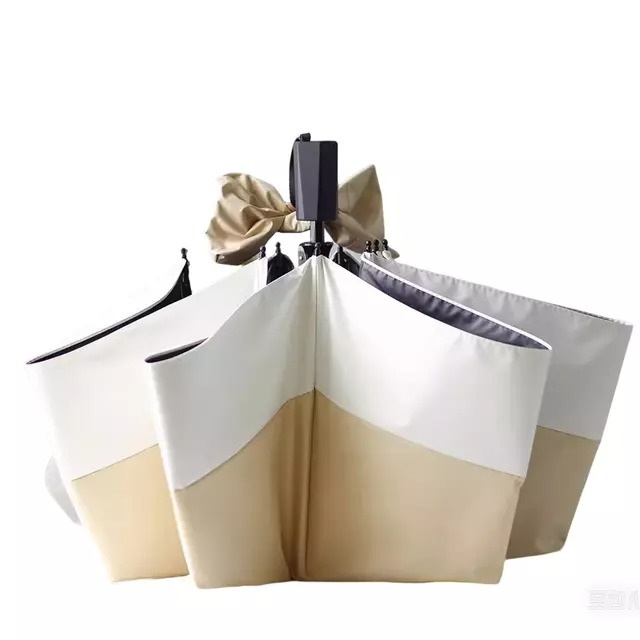
A parasol is a shade device consisting of a canopy stretched over ribs and supported by a central or side pole, designed primarily to shield people from the sun rather than the rain. While a traditional umbrella focuses on waterproof performance, a parasol focuses on blocking solar radiation and improving comfort under bright light.
Parasols exist in many forms, such as handheld personal parasols for walking and events, large garden parasols for terraces and patios, and beach parasols designed to be anchored in sand. Each type of parasol aims to create a protected area where users can sit, walk, or work without constant direct sun exposure.
A parasol works by providing a physical barrier between the sun and the skin, preventing a large portion of ultraviolet radiation from reaching the user. The canopy fabric—its thickness, color, and surface treatment—plays a key role in filtering, absorbing, and reflecting UV rays, while the overall size and shape of the parasol determine the shade footprint.
Under a parasol, users receive much less direct UV exposure than in open sun, and the shade area is also protected from intense glare. Although some scattered and reflected light will still reach the skin from the environment, a good parasol significantly reduces overall UV dose and helps prevent sunburn during typical outdoor activities.
To understand whether parasols work, it is important to look at UV protection factors such as UPF (Ultraviolet Protection Factor). Fabrics with a high UPF rating can block a very high percentage of UV radiation, similar to how high‑SPF sunscreens work for skin, but in this case, the protection comes from the parasol canopy.
Many modern parasols use dense weaves, special coatings, or double‑layer constructions to improve UV blocking performance. When brands choose UV‑rated fabrics and clearly communicate the UPF level, customers can trust that the parasol offers more than just visual shade and delivers measurable sun protection.
Although parasols and umbrellas share a similar overall shape, their purpose and construction are different. A parasol is generally optimized for sun protection, with attention to UV blocking, cooling, and aesthetic styling, whereas a typical umbrella is optimized for rain protection and water repellence.
Umbrellas often use lightweight, waterproof fabrics that are not specifically engineered to block UV, while parasols may use heavier or specially coated fabrics that provide stronger UV resistance. In addition, parasols are often larger, more decorative, and supported by poles and bases for fixed outdoor use, while rain umbrellas are usually compact, handheld items designed for mobility.
Beyond UV protection, parasols also improve thermal and visual comfort. By blocking direct solar radiation, a parasol can lower the temperature beneath the canopy and make hot outdoor spaces feel more pleasant. Users sitting under a parasol often experience less sweating and fatigue compared with staying directly in the sun.
Parasols also reduce glare, which makes it easier to read, use a phone or laptop, or enjoy food and drinks without squinting. For cafés, resorts, and outdoor dining areas, this improvement in comfort encourages guests to stay longer and creates a more relaxed atmosphere, which directly benefits business owners and their supply partners.
Parasols have a broad range of everyday applications, which is one of the main reasons they are such a strong category for OEM production and export. Families use beach parasols to create a safe, shaded spot for children and adults near the water. Homeowners rely on garden parasols to transform balconies, terraces, and backyards into usable outdoor living rooms.
In commercial settings, parasols are widely used by restaurants, hotels, bars, and resorts to provide shaded seating and align outdoor spaces with brand identity. Personal handheld parasols are also popular in urban environments where people walk or commute under strong sunlight and view sun protection as part of their daily routine.
The effectiveness of a parasol depends heavily on its design and construction. Several major features influence whether a parasol truly “works” in real‑world conditions:
- Canopy fabric: Dense, UV‑resistant textiles or specially coated fabrics provide stronger UV blocking and longer service life than thin, untreated materials.
- Color and finish: Dark or lined canopies can absorb and block more radiation, while reflective coatings can help keep shaded areas cooler.
- Size and geometry: A larger diameter and well‑designed shape provide a wide, usable shadow that continues to protect users as the sun moves.
- Adjustability: Tilt, height adjustment, and rotation allow users to adapt the parasol to changing sun angles throughout the day.
- Frame and ribs: Strong, corrosion‑resistant poles and ribs keep the parasol stable in wind and regular use, reducing damage and safety risks.
- Base system: For standing parasols, a reliable base system or anchoring solution is essential to prevent tipping and ensure user safety.
When these elements are combined thoughtfully, the parasol delivers reliable protection and a pleasant experience, which enhances customer satisfaction and brand reputation.
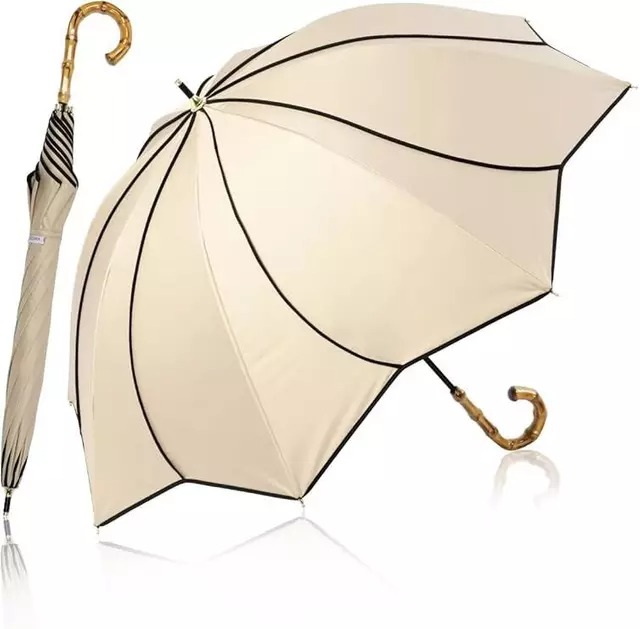
Modern consumers appreciate parasols because they deliver visible, immediate shade without effort or waiting time. Unlike sunscreen, a parasol does not need to be reapplied, and it does not involve chemical contact with the skin, which is appealing to people with sensitive skin or those looking for more “physical” sun‑protection methods.
Parasols also act as expressive lifestyle products. Color, shape, and details such as fringes, valances, ribs, and decorative prints make a parasol part of outdoor décor, not just a functional object. For personal parasols, the product can double as a fashion accessory that matches outfits, bags, or seasonal trends.
Even though parasols are highly effective, they should be viewed as one element in a complete sun‑safety strategy. No shade solution can entirely block scattered and reflected UV rays coming from the surroundings, especially near sand, water, glass, or bright pavements.
For long periods outdoors, combining a parasol with sunscreen, wide‑brimmed hats, UV‑protective clothing, and sunglasses offers better overall protection. This combined approach is particularly important for children, people with very fair skin, and customers living in regions with strong year‑round sunlight.
Parasols do have limitations that responsible brands and manufacturers should clearly communicate. A small parasol or a poorly positioned canopy may not cover the entire body, leaving arms, legs, and sides exposed to the sun. The effectiveness of a parasol also decreases when the sun is very low on the horizon and rays come in from the side.
Another limitation relates to product quality. Low‑quality parasols with weak frames, unstable joints, or cheap fabrics can fail quickly due to wind, sun fading, or mechanical stress, which harms the end user experience and the reputation of the brands that sell them. For OEM clients, choosing a manufacturer that focuses on durability and testing is therefore crucial.
The parasol category offers rich opportunities for OEM manufacturing, especially for suppliers who can combine engineering know‑how with strong customization capabilities. International brands look for partners who can deliver consistent quality, flexible order quantities, and timely delivery for seasonal or project‑based demand.
OEM parasols can be tailored for different markets:
- Garden and patio parasols designed to match outdoor furniture sets and home décor themes.
- Beach parasols with sand anchors, vented canopies, and bright summer‑themed prints.
- Commercial parasols for cafés, restaurants, and hotels, featuring large logos, corporate colors, and durable structures.
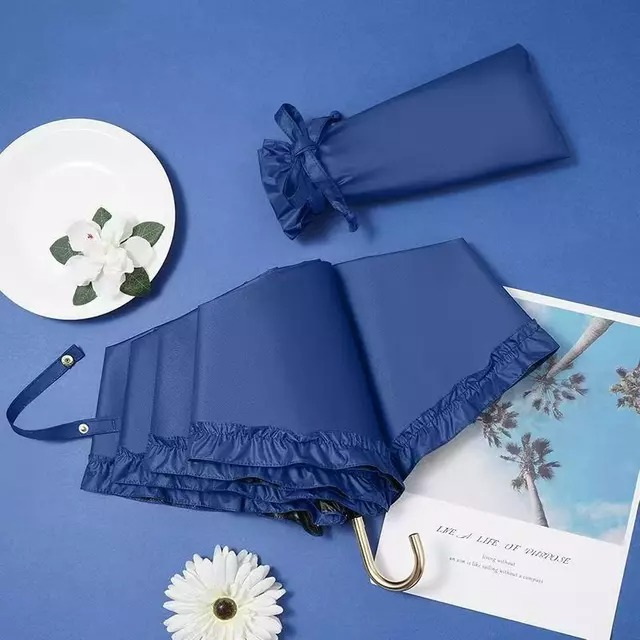
- Personal parasols focusing on compact folding designs, lightweight frames, and fashionable patterns for city use.
By offering design support, material selection guidance, structural optimization, and packaging solutions, an OEM parasol manufacturer can help foreign brands develop complete product lines that match local preferences and regulations.
One major reason parasols are popular with brands and marketing teams is the large, visible surface area of the canopy. This makes the parasol an ideal medium for brand expression, from simple one‑color logos to full‑coverage prints that tell a visual story.
Common customization options include:
- Canopy color matching to brand guidelines or seasonal palettes.
- Logo printing on one or multiple panels for maximum exposure in outdoor spaces.
- Unique patterns, gradients, or illustrations for fashion‑oriented collections.
- Special edge treatments such as fringes, scallops, or contrast piping.
- Custom hardware finishes for poles, ribs, and finials to coordinate with the canopy.
For wholesalers and project buyers, the ability to adapt parasol designs to specific venues—such as beachfront resorts, city cafés, or luxury rooftops—creates strong differentiation and makes the parasol a central part of the visual environment.
From the end user's perspective, a parasol needs to be easy to operate, safe, and convenient to store. Mechanisms such as crank lifts, push‑button tilt, or simple manual opening systems should be smooth and intuitive so that people of different ages can handle the parasol without difficulty.
Storage and portability also matter. Folding frames, detachable poles, or carry bags make it easier to move parasols between locations, pack them for travel, or store them during off‑season periods. When brands pay attention to these details in their OEM specifications, the resulting parasols feel more user‑friendly and premium.
For commercial clients, parasols contribute directly to the appeal and functionality of outdoor business spaces. Shaded areas attract customers in hot weather, increase seating capacity, and extend the usable hours of outdoor terraces throughout the day.
Parasols also create clearly defined zones that can be arranged and rearranged to match traffic patterns, events, or seasonal needs. Because they are less permanent than built structures, parasols allow hospitality and retail businesses to experiment with layouts and aesthetics without large construction investments. This flexibility increases demand for reliable parasol products in the B2B market.
Parasols do work—and work very well—when they are designed with the right materials, structures, and dimensions. A high‑quality parasol can significantly cut direct UV exposure, reduce glare, and create a cooler, more comfortable environment in homes, public spaces, and travel settings. For end users, parasols are a simple, reusable, and elegant way to enjoy the sun more safely and comfortably.
For foreign brands, wholesalers, and manufacturers, parasols represent a versatile, customizable product category with strong consumer demand and broad application in both residential and commercial markets. By partnering with an experienced parasol OEM supplier, companies can develop differentiated parasol ranges that deliver reliable sun protection, visual impact, and lasting value to their customers.
Yes. A parasol with dense, UV‑resistant fabric can block a large percentage of harmful UV rays and greatly reduce the intensity of direct sunlight on the skin. While not every parasol has the same performance, those with high‑quality canopies and UPF‑rated fabrics provide effective sun protection in everyday outdoor use.
A parasol provides strong shade and significantly lowers UV exposure, but it is not a complete solution on its own. For longer periods in strong sunlight, it is best to combine parasol use with sunscreen, protective clothing, hats, and sunglasses to cover body parts that may still be exposed to reflected or scattered UV.
A parasol is designed mainly for sun and comfort, while a regular umbrella is designed mainly for rain. Parasols typically use fabrics and constructions optimized for UV blocking, cooling, and aesthetics, whereas regular umbrellas focus on waterproofing and portability. Many umbrellas are not specifically engineered to provide strong UV protection, even if they create some shade.
Key features include UV‑resistant or UPF‑rated canopy fabric, a stable frame and pole, a secure base or anchoring system, and convenient opening and tilt mechanisms. The parasol should also be large enough to cover the intended seating or standing area and made from materials that resist fading, corrosion, and wear over time.
Brands and wholesalers choose OEM parasol manufacturers because they can obtain customized designs, consistent quality, and competitive pricing tailored to their target markets. An experienced OEM partner can help with material selection, structural design, branding and printing, and packaging solutions, allowing clients to launch unique parasol collections under their own labels.


