
Language
Please Choose Your Language


Content Menu
● How the Parasol Canopy Blocks Sunlight
● How a Parasol Creates Shade and Cooling
>> Shade Geometry and Coverage
>> Temperature and Comfort Effects
● Different Types of Parasols and How They Work
>> Beach and Portable Parasols
● How to Operate a Modern Parasol
>> Opening, Tilting, and Rotating
● Engineering and Materials Behind a Parasol
>> Frame Materials and Durability
● How an OEM Parasol Manufacturer Adds Value
>> Quality, Testing, and Compliance
>> 1. Is a parasol only for sun, or can it be used in light rain?
>> 2. How do I choose the right parasol size for my outdoor space?
>> 3. What maintenance does a parasol need during the season?
>> 4. How long does a good parasol typically last?
>> 5. What information should a brand give to an OEM parasol manufacturer?
A parasol is essentially a portable, engineered shade system designed to block sunlight before it reaches the skin or a target area. Unlike a standard rain umbrella, a parasol focuses on sun protection, comfort, and aesthetics, making it a key element in gardens, terraces, pool areas, beaches, and outdoor cafés. For brands and OEM buyers, understanding how a parasol works makes it easier to specify the right structures, fabrics, mechanisms, and customization options for different markets.
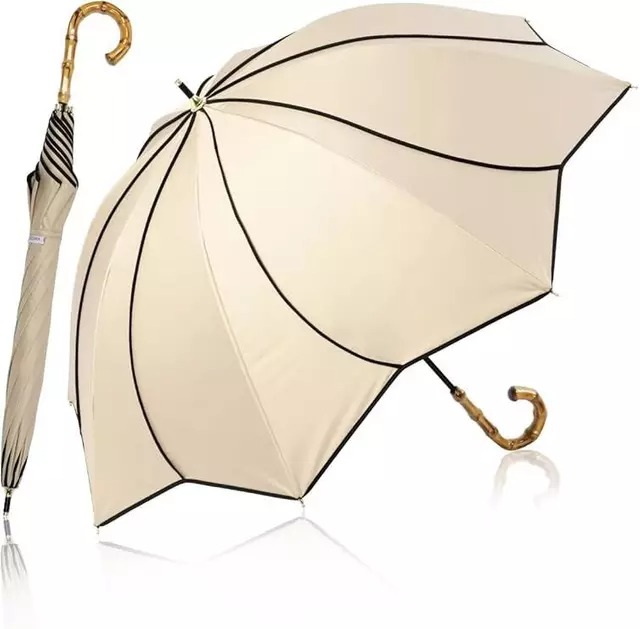
A parasol is a type of umbrella developed primarily for shade and UV protection rather than for keeping off rain. It typically uses a wide canopy and optimized geometry to cast a generous shadow and create a cooler micro‑climate beneath. Fashion parasols are often handheld and elegant, while outdoor parasols are larger, mounted on bases or fixed structures to protect furniture and groups of people.
Modern parasols appear in many categories: center‑pole garden parasols over dining tables, cantilever parasols for lounge sets, beach parasols anchored in sand, and compact parasol umbrellas that fold for everyday sun protection. In every case, the goal is the same: position the parasol canopy between the sun and the user so that harmful radiation and glare are significantly reduced.
A parasol looks simple from the outside, but it is actually a system of interdependent parts. Each component must work correctly to open smoothly, remain stable in the wind, and deliver consistent shade.
The core structural parts of a parasol include:
- Canopy
The canopy is the fabric surface stretched out above the user to block sunlight. It is usually sewn from multiple panels into a dome or subtly conical shape that sheds light, heat, and breezes efficiently. For OEM parasol projects, the canopy is also a key branding surface where colors, patterns, and logos are displayed.
- Ribs and stretchers
Ribs radiate outward from the top of the parasol and define the canopy shape. Secondary arms called stretchers connect the ribs to the sliding runner or hub, providing the tension needed to keep the parasol canopy smooth and taut. Strong ribs help the parasol resist deformation in gusts, while flexible materials prevent sudden breakage.
- Pole or shaft
The pole (or shaft) supports the entire parasol above the ground. In center‑pole parasols, it passes through the middle of the canopy; in cantilever parasols, it stands to the side and connects to a horizontal arm. Pole height and diameter are chosen according to canopy size and application, such as low coffee‑table shading or high clearance over dining sets.
The way a parasol opens and adjusts is crucial to the user experience. These mechanisms must be smooth, intuitive, and durable under repeated operation.
- Runner, hub, and notch
The runner slides up and down the pole and is attached to the stretchers. When the runner moves upward, it lifts the ribs, unfolding the parasol canopy and locking them near the top. The hub and notch components help align the ribs, ensuring that the opened parasol forms a regular, stable shape.
- Crank and cord system
Larger outdoor parasols often use a crank mechanism. A handle turns a geared system connected to a cord or chain inside the pole. Rotating the crank lifts the runner gradually, making it easy to open even a wide parasol canopy with one hand. This is especially important for hospitality environments where staff operate many parasols every day.
- Tilt and rotation joints
Tilt joints are pivot mechanisms placed near the top of the pole or in the cantilever arm. With a simple push, pull, or twist, the user can angle the parasol canopy toward the sun's position. Some parasols add a rotation function—commonly activated by a foot pedal at the base—so the entire parasol body can swing around without moving the base. This combination of tilting and rotating allows a parasol to follow the sun from morning to evening.
No parasol can function safely without a stable base. The base counters the weight and wind load of the canopy.
- Weighted base or fixing
Free‑standing parasols usually sit in a heavy base filled with concrete, metal, water, or sand. The base weight is carefully matched to the parasol size to prevent tipping. On beaches or soft ground, parasols often use pointed poles and screw‑type anchors that dig deeply into sand or soil.
- Wind‑management design
Many parasols incorporate wind vents—small openings or a secondary top section in the canopy—to let air escape and reduce uplift forces. Flexible ribs, tensioned canopies, and correct closing practices further reduce damage in gusty conditions. A parasol is not a storm shelter; closing it in strong winds is part of how a parasol is meant to be used.
The canopy material and construction are central to how a parasol works. Shade is not only about creating darkness; it is about blocking UV rays and managing heat.
Parasol canopies are usually made from tightly woven polyester, acrylic, or other performance textiles. The density of the weave provides the first line of defense against sunlight: the tighter the weave, the less radiation can pass through. Heavier fabrics may offer better blocking but must still be light enough for the ribs and frame to support.
Color also affects parasol performance. Darker parasol canopies absorb more light and can be highly effective at reducing glare and UV, though they may feel slightly warmer to the touch. Lighter colors reflect more visible light and may keep the visual environment brighter and more cheerful, but they need strong UV‑blocking finishes to provide equivalent protection.
To deliver real sun protection, many parasols use specialized UV‑resistant coatings and pigments. Some fabrics are engineered with UPF (Ultraviolet Protection Factor) ratings similar to sun‑protective clothing. A UPF 50+ parasol canopy can block the vast majority of UV radiation, helping protect skin from long‑term sun damage.
These protective properties can be built into the fiber itself, added as surface coatings, or applied as multi‑layer laminations. High‑quality parasol fabrics are also treated to resist fading and degradation from constant exposure to bright sunlight and outdoor conditions, so the parasol continues to look attractive while maintaining performance.
Beyond UV protection, a parasol is valued for the immediate feeling of comfort it provides in hot weather.
Shade coverage from a parasol depends on three main factors: canopy diameter, height, and angle relative to the sun. A larger parasol canopy naturally casts a broader shadow, but the shape and angle also matter. When the sun is high, a centered, horizontal parasol canopy will cover a roughly circular area. As the sun lowers, the shadow lengthens and shifts.
Tilt and rotation features allow the user to “steer” the parasol shade. By slightly angling the canopy and turning the parasol relative to furniture or walkways, the shaded area can be optimized at different times of day. This makes a parasol far more effective than a fixed shade surface, because the parasol can actively track sunlight.
Under a parasol, direct solar radiation is dramatically reduced. Without that constant radiant load, the skin and surfaces beneath the parasol heat up far more slowly, making the space feel cooler even if the air temperature is unchanged. In many climates, simply sitting under a parasol can be the difference between discomfort and a pleasantly usable outdoor area.
Because a parasol does not create a sealed enclosure, natural ventilation remains excellent. Breezes flow under and around the parasol canopy, carrying away hot air. When combined with UV‑blocking fabrics and reflectively coated parasol canopies, this open design helps maintain a noticeably cooler micro‑climate under the shade.
Although all parasols share the same basic principle, different designs suit different applications.
Center‑pole parasols feature a vertical pole in the middle of the canopy, often passing through a table. The runner or crank mechanism lifts the ribs evenly around this central axis, opening the canopy in a symmetrical way. These parasols are common in gardens, balconies, restaurants, and patios.
Some center‑pole parasols add a simple tilt head near the top. After the parasol is fully open, the user presses a button or twists a joint to angle the canopy. This keeps the parasol affordable and mechanically simple while improving afternoon shade, especially for dining sets where the table position cannot easily change.
Cantilever parasols (also called offset parasols) support the canopy from the side with a vertical pole and an overhead arm. The canopy hangs free over the shaded area without any central obstruction, making them ideal for lounge sets, sunbeds, or irregular seating arrangements.
These parasols often incorporate multiple mechanisms: a crank for opening and closing, sliders or levers for tilting in several directions, and a base‑mounted system that allows full rotation around the pole. Once the base is positioned, the parasol can swing over different furniture zones as needed. This flexible control is a key reason why cantilever parasols are popular in high‑end residential and hospitality spaces.
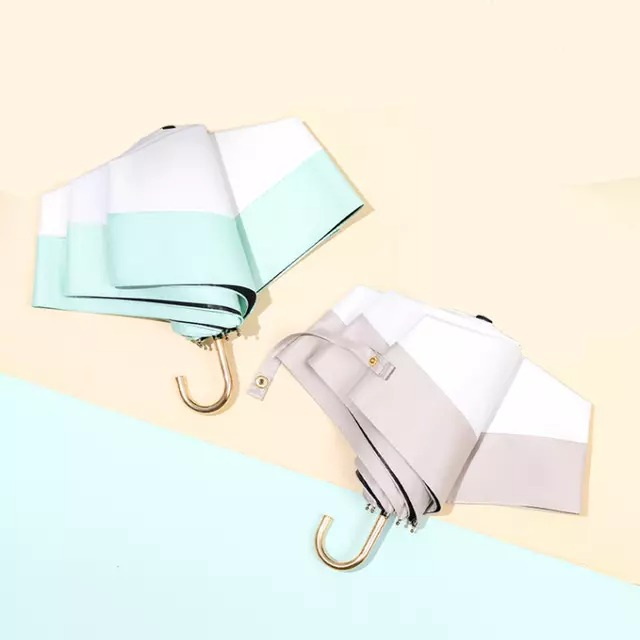
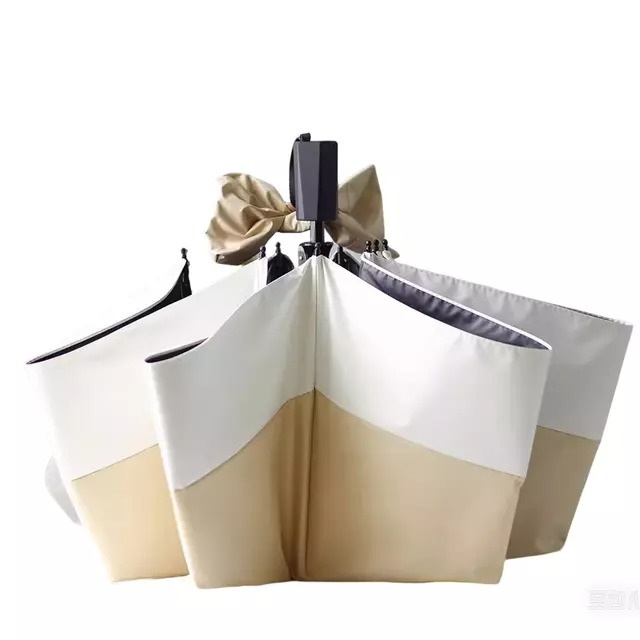
Beach parasols and portable parasol umbrellas prioritize light weight and easy transport. Their poles often end in a spike or screw that can be driven into sand or soft ground, sometimes supported by additional sand anchors. Many designs fold into compact sizes suitable for car trunks or backpacks.
Despite their simpler construction, these parasols can still use UPF‑rated fabrics and tilt heads to improve sun protection. When used correctly—anchored deeply and closed in strong winds—a beach parasol can provide reliable shade for hours by the sea without taking up much storage space.
Ease of use is a crucial part of how a parasol works in real life. A parasol that is difficult to open, adjust, or secure is far less likely to be used regularly.
For crank‑style parasols, the user simply turns the handle to lift the runner and spread the ribs until the canopy is fully open and slightly tensioned. The internal cord or chain system takes the mechanical load, so even a large parasol canopy can be opened smoothly. Push‑up models rely on manual force but lock into place with a notch or clip when fully open.
Once open, tilt is usually controlled by either a button‑type joint or a rotating collar. Adjustments are made gradually to avoid stressing the ribs. For cantilever models, an additional control—often a pedal or lever at the base—unlocks a rotation mechanism, allowing the parasol to swing left or right before locking again.
When closing a parasol, the crank is turned in reverse or the runner is pulled down steadily until the canopy folds around the pole. Straps with hook‑and‑loop or buckle closures keep the folded parasol compact and prevent the canopy from flapping in wind. Many outdoor users also place a protective cover over the closed parasol to shield it from dust, rain, and UV when not in use.
An important part of operating a parasol correctly is knowing when to close it. In strong gusts or storms, any open parasol behaves like a sail and can tip over or damage the frame. Closing the parasol and laying it down or removing it from the base when extreme weather is expected is an integral part of safe operation.
From an OEM perspective, a parasol is a carefully engineered product where each material choice affects performance, durability, and cost.
Common parasol frame materials include aluminum, steel, fiberglass, and wood. Aluminum is widely used because it is light, corrosion‑resistant, and easy to extrude into customized profiles. Powder‑coated aluminum parasol frames handle outdoor environments well and can be color‑matched to brand guidelines.
Steel parasol components provide strength and stiffness but must be protected from rust with galvanizing, plating, or paint. Fiberglass is often used for ribs because it can flex in the wind without snapping, extending the life of the parasol canopy and structure. Wood—such as hardwood poles and ribs—gives a premium, natural look suitable for resorts and high‑end venues, but requires careful finishing and more frequent maintenance.
The canopy fabric defines how well a parasol protects against UV radiation and how long it can stay visually attractive outdoors. High‑performance parasol fabrics are tested for UPF, colorfastness, tear strength, and resistance to mold and mildew. Some materials integrate UV‑absorbing particles directly into the fiber, while others rely on advanced coatings.
For OEM parasol production, it is common to specify fabric weight (for example, grams per square meter), weave type, UPF level, and finishing processes in detail. These specifications influence not only protection but also how accurately colors print and how the parasol canopy drapes over the frame. By tuning these parameters, a manufacturer can create parasol lines optimized for beach, garden, commercial hospitality, or fashion accessory use.
A specialized parasol OEM manufacturer understands both the technical and aesthetic sides of parasol design. This makes it easier for international brands, wholesalers, and project buyers to bring competitive parasol collections to market.
OEM parasol services typically include custom canopy shapes, sizes, panel counts, and valance styles, as well as a wide palette of fabric colors. Logos, slogans, and patterns can be printed on parasol canopies and valances to align with visual identity or promotional campaigns. Matching accessories such as parasol covers, bases, and carry bags help present a complete solution.
In addition, OEM suppliers can tailor structural designs: selecting between center‑pole or cantilever constructions, choosing tilt and rotation mechanisms, integrating LED lighting, or adding side walls and curtains. This flexibility allows one OEM parasol factory to serve multiple tiers of the market—from cost‑effective promotional parasols to premium resort systems—under different brand names.
Quality assurance is built into every stage of professional parasol manufacturing. OEM producers test frames for smooth operation, verify that locking systems hold securely, and confirm that base recommendations match parasol sizes. Fabrics are checked for color consistency, seam strength, and correct application of UV‑blocking treatments.
In export markets, parasol products may also need to comply with specific regulations related to chemical content, fire resistance, or labeling. An experienced OEM parasol partner can help clients prepare documentation, barcodes, multilingual manuals, and packaging that meet local standards. This combination of engineering know‑how and compliance support makes it easier for international buyers to launch parasol collections efficiently and safely.
A parasol works by integrating a UV‑blocking canopy, engineered frame, and user‑friendly operating system into a single, portable shade solution. By intercepting sunlight before it reaches the skin and surrounding surfaces, the parasol reduces UV exposure, glare, and radiant heat, creating a cooler and more comfortable outdoor environment. Important components such as ribs, stretchers, poles, tilt joints, and bases all cooperate so the parasol canopy can be opened, positioned, and secured quickly in real‑world conditions.
For brands, wholesalers, and project planners, understanding how a parasol works is the first step toward choosing the right specifications and features. Partnering with a capable parasol OEM manufacturer makes it possible to turn these technical principles into attractive, reliable products that fit different climates, styles, and budgets. Whether as a compact fashion accessory or a large‑scale outdoor shade system, the parasol remains one of the most practical and elegant tools for managing the power of the sun.
A parasol is primarily designed for sun protection, using fabrics and constructions optimized for UV blocking rather than waterproofing. It can sometimes handle light drizzle, but regular exposure to rain may damage coatings and shorten the life of the parasol canopy and frame. For areas with frequent rain, it is better to pair a parasol with dedicated rain umbrellas or choose a design that specifically combines sun and rain performance.
To choose the right parasol size, start by measuring the area or furniture you want to shade, such as a table diameter or the footprint of a lounge set. As a rule of thumb, the parasol canopy should be at least 60–80 cm wider on each side than the object beneath it to provide effective coverage as the sun moves. Also consider available floor space for the base and clearance for opening, tilting, and rotating the parasol.
During the season, a parasol mainly needs regular inspection and basic cleaning. Wipe the parasol canopy with mild soap and water to remove dust, pollen, and stains, and check frame screws, joints, and ribs for any looseness or wear. Always close the parasol in high winds, secure it with a strap, and, if possible, cover it when not in use to protect the parasol fabric and mechanisms from unnecessary stress.
The lifespan of a parasol depends on fabric quality, frame materials, climate, and maintenance, but a well‑built parasol can often provide several seasons of reliable service in normal domestic use. Commercial environments, such as cafés or resorts where parasols are used every day, may require more robust materials and more frequent replacement cycles. Proper care—closing during storms, cleaning, and storing the parasol correctly in the off‑season—extends its usable life significantly.
A brand working with an OEM parasol manufacturer should provide clear requirements for target market, usage environment, and price level. Key details include desired parasol type (center‑pole, cantilever, beach, or fashion), canopy size and shape, frame material, fabric specifications (color, UPF, weight), and any special features such as tilting, rotation, lights, or printing. Sharing branding guidelines, packaging preferences, and compliance needs helps the OEM parasol partner design and produce a customized solution that aligns perfectly with the brand's positioning.


