
Language
Please Choose Your Language
Views: 222 Author: Amanda Publish Time: 2025-12-05 Origin: Site


Content Menu
● What Makes Japanese Umbrellas Unique?
● Lifespan of Different Japanese Umbrella Types
● Materials and Structure: Why They Matter
● How Japanese Umbrellas Are Made
● Key Factors That Affect Lifespan
● Daily Use Tips for Long Umbrella Owners
● Care and Maintenance for Maximum Longevity
● Repair, Refurbishment, and Sustainability
● Why Long Umbrella Designs Are Ideal for OEM and Branding
● FAQs
>> 1. How many years can a Japanese long umbrella last?
>> 2. What shortens the life of a Japanese long umbrella the most?
>> 3. Are wagasa long umbrellas practical for daily rain?
>> 4. Can a damaged Japanese long umbrella be repaired?
>> 5. Is a Japanese long umbrella better than a compact folding umbrella?
Japanese umbrellas have a reputation for lasting many years, especially when they are made from high‑quality materials and used with care. A well‑crafted Japanese long umbrella or traditional wagasa can often serve 5–10 years or more, and in some cases even decades, depending on design, environment, and maintenance.[10][11]
Japanese umbrellas combine functional engineering with cultural aesthetics in a way that sets them apart from most mass‑market products. Traditional wagasa use bamboo ribs and oiled washi paper, while modern Japanese long umbrella models often feature steel or fiberglass frames and high‑density synthetic fabrics. This blend of materials and craftsmanship leads to long umbrella designs that resist wind, shed water efficiently, and feel balanced in the hand.[1][12][10]
Another important difference is the time and skill invested in production. For traditional wagasa, many craftspeople are involved and the process can take months, from preparing bamboo to applying oil and lacquer for waterproofing. Modern long umbrella manufacturing also emphasizes precise rib alignment, smooth opening mechanisms, and durable coatings, which together extend the usable life of each umbrella far beyond that of inexpensive, disposable options.[2][4][11][1]
The lifespan of a Japanese umbrella depends strongly on whether it is a traditional wagasa or a modern long umbrella intended for everyday rain use. Traditional wagasa, made from bamboo and oiled paper, can last 10–20 years if opened, dried, and stored correctly. Modern Japanese long umbrellas with metal or fiberglass frames and polyester or nylon canopies typically offer 5–10 years of service when handled properly.[3][11][13][10]
By contrast, compact folding umbrellas often have more moving joints and thinner parts, which makes them convenient but less durable. Many users find that compact umbrellas last 1–5 years, while a strong long umbrella with a straight shaft and reinforced ribs keeps performing long after several folding umbrellas have failed. For brand owners and wholesalers, choosing a long umbrella structure is usually the better option when long‑term durability and lower after‑sales issues are priorities.[11][13][14]
Materials sit at the heart of any Japanese long umbrella's durability. In wagasa, the shaft and ribs are carved from bamboo, and the canopy is made from washi coated with oils such as linseed oil or persimmon tannin to make it waterproof and more resistant to tearing. High‑quality bamboo ribs, carefully split and arranged, create a resilient frame that can flex without snapping, which is crucial for a long umbrella facing wind and daily use.[4][1][3]
Modern Japanese‑style long umbrellas rely on steel, aluminum, or fiberglass for ribs and shafts, combined with dense polyester or nylon fabrics. These materials hold water‑repellent finishes well and resist stretching, fading, and abrasion better than low‑grade cloth. When paired with a balanced, streamlined long umbrella design, they create products that open smoothly, withstand routine gusts, and maintain shape after repeated use.[13][11]
Understanding how Japanese umbrellas are made helps explain why they last. In wagasa production, bamboo is first split into many thin pieces for ribs, then scraped, bent, and attached to a central wooden hub that forms the umbrella's skeleton. Craftspeople then stitch and tie components so the long umbrella can open and close evenly, with every rib spaced precisely to avoid uneven stress or tearing.[1][2][4]
Next, sheets of washi are trimmed and glued to the frame in multiple segments, with great care taken so that no misalignment weakens the structure. After the paper is applied, oil is brushed onto the canopy, and the long umbrella is left to dry for days or weeks so that the waterproofing fully cures, forming a flexible but robust protective skin. Each stage adds to the reliability of the long umbrella, making it more resilient than umbrellas produced with quick, purely mechanical methods.[2][3][4]
In modern Japanese long umbrella manufacturing, the process often begins with precision‑cut metal or fiberglass ribs and a sturdy shaft. Ribs are assembled into a frame around a runner and notch system, then connected with stretchers that allow smooth opening and closing. High‑density fabric canopies are then cut, sewn, and tensioned over the frame, and finally treated with water‑repellent coatings that bead rain and reduce water absorption, which also lightens the load on the long umbrella frame.[7][11][13]
Several external and behavioral factors strongly influence how long a Japanese long umbrella or wagasa will last in everyday conditions:
- Wind exposure: Even the strongest long umbrella can suffer if used in extreme storms or typhoons. Sudden gusts can bend ribs or invert the canopy, especially if the user forces the umbrella against the wind. Long umbrella structures handle moderate wind better than small foldable umbrellas, but any umbrella has limits.[14][11]
- Frequency of use: A long umbrella used daily in a rainy climate naturally wears faster than one used only occasionally. The more opening and closing cycles an umbrella experiences, the more stress its joints and ribs must endure.[11][13]
- Sun and UV exposure: Repeated strong sunlight can weaken both fabric and paper over time, fading colors and slowly degrading fibers. Wagasa parasols that are not oiled for rain but used for shade rely on the inherent strength of washi, which still ages under UV if not stored properly.[15][3][11]
- Storage conditions: Umbrellas stored wet, in hot car interiors, or in cramped corners are more likely to develop mold, rust, or warped ribs. Dry, ventilated, and shaded storage, especially for a long umbrella kept near doors or in umbrella stands, is essential to a long lifespan.[12][11]
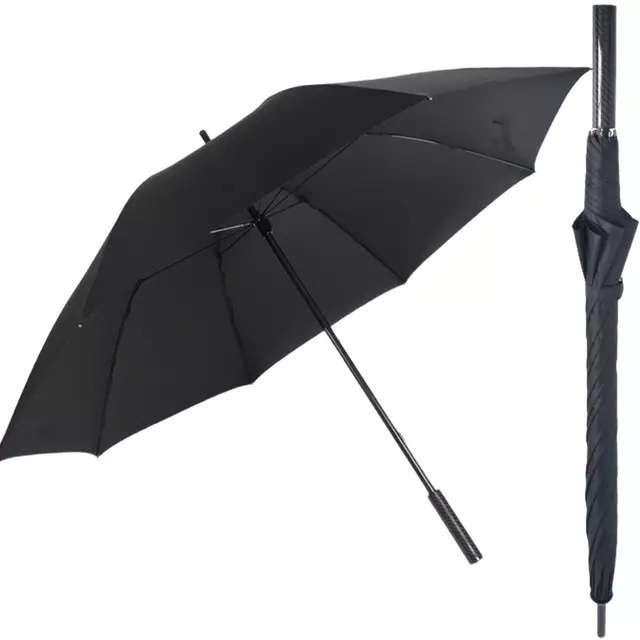
Correct everyday handling can add years to a Japanese umbrella's life. When opening a long umbrella, users should first shake off excess water, then open it slowly and fully instead of snapping it open, which can stress the joints. Closing the umbrella gently and making sure ribs fold along their natural lines helps maintain alignment and prevent small bends that accumulate over time.[11]
During heavy wind or sideways rain, pointing the long umbrella slightly into the wind reduces the chance of inversion. If conditions become extreme, it is usually better to lower and shield the umbrella briefly rather than force the long umbrella to resist dangerous gusts. For many customers, simply learning to avoid using a long umbrella as a walking stick or support pole also prevents premature damage to the shaft and handle.[14][11]
Care routines are particularly important for traditional wagasa but also beneficial for modern long umbrellas. After use in the rain, wagasa should be opened fully and dried naturally in a shaded, airy area, never under direct intense sun that can dry the paper too fast and cause cracking. Once completely dry, the long umbrella can be gently closed and stored vertically or hung, with enough space around it to prevent deformation.[3][4][10][12]
Modern long umbrellas with fabric canopies also benefit from air‑drying in an open position before storage, which helps prevent metal parts from rusting and fabric from smelling or growing mildew. Occasionally wiping the shaft and handle with a soft cloth, and checking screws or caps for looseness, helps keep a long umbrella in optimal condition.[13][11]
For long‑term storage, both wagasa and modern long umbrellas should be kept away from heaters, stoves, or windows where heat and light are intense. Using a breathable umbrella sleeve rather than an airtight plastic bag allows moisture to escape and keeps the long umbrella fresher when not in use for a season.[3][11]
One major advantage of high‑quality Japanese umbrellas is the possibility of repair. Wagasa artisans can replace torn washi, reset broken bamboo ribs, and renew the oil coating, effectively giving the long umbrella a second life instead of discarding it. This repairability supports a culture of long‑term use, where a favorite long umbrella might accompany the same user for many years.[16][3]
Some modern manufacturers are adopting similar principles by designing long umbrellas with replaceable canopies or modular rib components. For overseas brands that cooperate with OEM factories, offering a long umbrella model prepared for future repairs can be a unique selling point, signaling environmental responsibility and long‑term value. Over time, this approach can reduce warranty claims and build a brand image around durable long umbrella products rather than single‑season goods.[14][11]
For foreign brand owners, wholesalers, and retailers, Japanese‑inspired long umbrella designs offer an excellent foundation for premium product lines. A long umbrella provides a larger visual surface for logos, prints, and storytelling while also delivering better mechanical strength and perceived quality. Customers often associate a sturdy long umbrella with reliability and style, especially when combined with refined handles and tasteful canopy patterns.[17][11]
From an OEM perspective, simplifying the mechanical structure around a straight long umbrella shaft allows more control over quality, reduces component count, and makes production more repeatable. This leads to fewer defects, smoother opening and closing, and more consistent branding experiences in markets where consumers value both design and durability. Long umbrella lines modeled on Japanese techniques can therefore satisfy both functional and marketing goals.[7][11]
Japanese umbrellas are built on a tradition of craftsmanship and careful material selection that allows them to last far longer than cheap, disposable alternatives. Traditional wagasa can deliver well over a decade of service when dried and stored correctly, while modern Japanese long umbrella designs commonly provide 5–10 years of reliable protection if used wisely. For overseas brand owners and wholesalers, adopting Japanese‑style long umbrella structures and care‑oriented messaging is an effective way to offer customers products that feel premium, perform consistently, and align with sustainable, long‑term use.[10][3][11]
By focusing on strong frames, quality fabrics or washi, and thoughtful after‑use care such as drying and proper storage, users can extend the life of any Japanese long umbrella substantially. At the same time, repairable designs and close cooperation with experienced OEM manufacturers make it possible to build long umbrella collections that stand out in global markets for their beauty, resilience, and emotional value.[4][12][11]
A well‑made Japanese long umbrella usually lasts around 5–10 years with normal use and good maintenance. Traditional wagasa, when dried carefully and occasionally repaired, can remain functional for more than 10 years and sometimes even 20 years or longer.[10][13][3][11]
The most damaging factors are strong winds, misuse, and poor storage. Using a long umbrella in storms until it inverts, forcing it open or closed, or using it as a walking stick can quickly bend ribs and weaken joints. Storing a long umbrella while still wet or in hot, unventilated spaces also encourages rust, mold, and fabric or paper deterioration.[12][11][14]
Yes, rain‑type wagasa long umbrellas are treated with oil or similar waterproofing agents so that raindrops bead off the washi surface. As long as the paper is not torn and the user dries the long umbrella after each use, it offers practical everyday rain protection as well as a distinctive traditional look.[18][3][10]
Many wagasa workshops provide repair services where they can re‑paper the canopy, replace broken bamboo ribs, and refresh coatings, allowing a cherished long umbrella to continue serving for years. Some modern long umbrella designs also anticipate repair by using modular parts, but very low‑priced umbrellas are often not intended for refurbishment and may need full replacement when seriously damaged.[16][3][11]
For durability and wind resistance, a Japanese long umbrella is generally superior to a compact folding umbrella because it has a stronger, simpler frame with fewer failure points. Compact umbrellas are convenient for travel and emergencies, but users who value long‑term reliability, comfort, and style often prefer a long umbrella as their daily companion.[19][13][11]
[1](https://web-japan.org/atlas/crafts/cra16.html)
[2](https://www.youtube.com/watch?v=dlW-zUOr3QQ)
[3](https://www.ikehikojapan.com/blogs/traditional/l_20220629)
[4](https://www.kyoto-tsujikura.com/en/blogs/news/wagasa_making)
[5](https://oriental-decor.com/how-asian-umbrellas-are-made/)
[6](https://www.reddit.com/r/videos/comments/rr6r9a/how_traditional_japanese_umbrellas_are_made/)
[7](https://www.youtube.com/watch?v=tN4l--xSuQE)
[8](https://laughingsquid.com/how-japanese-wagasa-umbrellas-are-made/)
[9](https://www.facebook.com/VoicesOfColorByInsider/videos/how-a-japanese-artisan-continues-the-1200-year-old-tradition-of-wagasa-umbrella-/1199772440546844/)
[10](https://japanjourneyguide.com/2024/02/03/the-allure-of-japanese-umbrellas-and-their-history/)
[11](https://yfumbrella.com/how-long-do-umbrellas-last-lifespan-care-yo-fu-umbrella-quality/)
[12](https://japanobjects.com/features/wagasa)
[13](https://tutuhome.shop/tutu-stories/whats-the-average-lifespan-of-a-pocket-umbrella/)
[14](https://cool-off.com/blog/best-commercial-pool-umbrellas)
[15](https://westshade.com/blogs/types-of-patio-umbrellas/)
[16](https://wagasa.shop/en/blogs/news/wagasa-repair)
[17](https://japan-clothing.com/collections/japanese-umbrella)
[18](https://wagasa.shop/en/blogs/news/wagasa-and-rain)
[19](https://www.gotokyo.org/en/new-and-now/new-and-trending/240527/topics.html)


