
Language
Please Choose Your Language
Views: 222 Author: Amanda Publish Time: 2025-12-15 Origin: Site


Content Menu
● What “Making an Umbrella” Actually Includes
● Main Stages of Umbrella Production
● Stage 1: Design, Engineering, and Sampling
● Stage 2: Material Sourcing and Quality Testing
● Stage 3: Fabric Printing, Cutting, and Canopy Sewing
● Stage 4: Frame Manufacturing for Long Umbrellas
● Stage 5: Handle Manufacturing and Finishing
● Stage 6: Assembly and Quality Inspection
● Stage 7: Packing, Storage, and Shipment Preparation
● How Long Does Factory Production Take?
● Full Project Timeline for OEM Long Umbrella Orders
● Factors That Influence Lead Time for Long Umbrellas
● How to Shorten Lead Time Without Sacrificing Quality
● Why Long Umbrellas Are Popular for OEM Projects
● FAQ
>> 1. How long does it usually take to complete a Long Umbrella OEM order?
>> 2. Does a more complex design make the Long Umbrella project slower?
>> 3. Is there a difference in production time between Long Umbrellas and folding umbrellas?
>> 4. How can brands speed up their Long Umbrella projects?
>> 5. What should buyers check before approving a Long Umbrella sample?
From raw material to finished product, the hands‑on factory time for an umbrella is relatively short when processes are well organized. A single production line can finish the main cutting, sewing, frame assembly, and inspection for a batch of umbrellas in a matter of days. For OEM customers, however, the overall timeline also includes design work, sampling, material preparation, and international logistics, which stretches the project schedule beyond the pure manufacturing hours.
A Long Umbrella in particular tends to have a more substantial frame, a larger canopy, and often more refined details than a compact folding model. These choices make the product feel premium and durable, but they also influence every step of the process, from engineering to packing. Understanding each stage helps brands and wholesalers plan their Long Umbrella orders more realistically and avoid last‑minute rushes.
When people ask “How long does it take to make an umbrella?”, they may picture one worker assembling a single piece on a table. In reality, modern umbrella factories operate as coordinated systems that handle thousands of units at once. The timeline therefore reflects both the technical operations and the flow of information between buyer and manufacturer.
For an OEM project, “making an umbrella” usually includes the following:
- Defining the product concept and technical specification
- Producing and approving a Long Umbrella sample
- Ordering and testing raw materials
- Running bulk production and quality control
- Packing, labeling, and preparing export documentation
- Shipping and customs clearance
Each of these steps adds its own time and complexity, and any change in design or artwork can push the schedule back, especially for Long Umbrella orders that use custom frames or unique printing.
Although details vary by factory and product type, most umbrella projects follow a similar sequence. Long Umbrella models follow the same core stages, but with more emphasis on structural strength, aesthetics of the long shaft, and larger branding surfaces.
Typical stages include:
- Design and engineering of the umbrella structure
- Fabric printing, cutting, and canopy sewing
- Frame manufacturing and surface treatment
- Assembly of canopy, frame, and handle
- Quality inspection and functional testing
- Packing, warehousing, and shipment preparation
Seeing the process as a chain of stages makes it easier for brands and wholesalers to communicate with their OEM partner and decide where they can accept standard solutions and where they truly need customization for a Long Umbrella line.
The first step is to convert a rough idea into a clear specification that can be produced consistently. For a Long Umbrella, the specification typically covers the canopy diameter, shaft length, number of ribs, frame material, handle style, fabric type, and printing method.
During this stage, factory engineers often suggest adjustments to ensure the Long Umbrella has a good balance between weight and strength. For example, they may recommend fiberglass ribs instead of steel to improve flexibility in wind or adjust the shaft diameter to keep the umbrella stable without becoming too heavy. These engineering decisions affect not only performance but also cost and lead time.
Sample production then turns the specification into a physical product. A complete Long Umbrella sample lets the buyer check:
- The opening and closing feeling of the mechanism
- The overall proportions and silhouette of the Long Umbrella
- Color accuracy of the canopy and logo
- Handle comfort and finishing quality
Only after the sample is approved should mass production start. Delays at this stage typically come from changes requested by the buyer, such as adjusting color, printing position, or frame stiffness.
Once the design is fixed, the manufacturer purchases and prepares all materials needed for the Long Umbrella. Even a simple‑looking model uses several components:
- Fabric for the canopy and tie strap
- Thread, labels, and decorative elements
- Metal or fiberglass ribs and stretchers
- Center shaft, ferrule, and tips
- Handle core and outer finishing (plastic, rubber, wood, or metal)
- Springs, rivets, and small hardware
Each material must match the required specifications. For a Long Umbrella, the frame and shaft become especially important because the longer lever amplifies the forces applied by wind and user handling. Factories may test frame samples with repeated opening cycles and bending tests, and they often check fabric for waterproof performance, color fastness, and resistance to tearing.
When materials arrive in batches, the factory conducts incoming inspections to verify that the supplied goods match the previous samples and technical data. Detecting issues early—such as fabric shade differences or coating problems—prevents waste and last‑minute schedule disruptions.
The canopy is the most visible part of any umbrella and the main branding space for a Long Umbrella. For OEM projects, fabric often goes through printing before cutting, especially when the design includes logos, patterns, or multi‑color artwork.
Common printing methods include:
- Screen printing for logos and simple graphics
- Digital printing for complex, photographic, or multi‑gradient designs
- Heat transfer for certain special effects or limited runs
After printing and drying, large rolls or sheets of fabric move to the cutting department. Here, cutters or automated machines cut long strips and then triangular panels that will form the umbrella's canopy. The precision of this cutting step ensures the canopy will sit evenly on the Long Umbrella frame without pulling or sagging.
Sewing teams then:
- Hem the edges of each panel
- Join panels into a complete circular or polygonal canopy
- Sew reinforcement patches at stress points where ribs connect
- Attach the tie strap and sometimes a valance or decorative edge
Quality sewing helps the Long Umbrella maintain a smooth, tight canopy and avoids issues like fraying, water leakage along seams, or uneven tension that can distort the shape.
Frame production determines how the Long Umbrella feels in the hand and how it behaves in wind and rain. A long, straight umbrella depends on a sturdy shaft and properly tuned ribs that can flex but not break.
Key frame components include:
- Shaft: usually steel, aluminum, wood, or fiberglass, chosen for a balance between stiffness and weight
- Ribs and stretchers: metal or fiberglass elements that support the canopy
- Runner, top notch, and springs: parts that control the opening and closing mechanism
- Joints and rivets: small elements that connect everything and need precise assembly
Manufacturing the frame involves cutting shafts to length, forming and tempering ribs, assembling joints, and sometimes applying coatings to prevent rust. Long Umbrella frames may use thicker or multi‑section ribs and larger diameter shafts than compact models, which adds steps like extra polishing, additional bending operations, or more careful heat treatment.
The more unique the frame—for example, a custom cross‑section shaft, special rib geometry, or hybrid materials—the more time the manufacturer needs to set up tooling and fine‑tune the process before mass production.
Handles are critical for the look and feel of a Long Umbrella. Many brands choose curved handles, wood‑grain effects, or soft‑touch coatings to emphasize quality. This stage often runs parallel to frame and canopy production.
Handle production may involve:
- Injection molding for plastic handles
- Wood turning and sanding for wooden handles
- Surface treatments such as painting, varnishing, plating, or rubber coating
- Adding logos through engraving, embossing, or print
Because handles are highly visible and frequently touched, customers notice even minor defects. For high‑end Long Umbrella lines, factories often allocate extra time for careful polishing, coating, and inspection of each batch of handles.
Assembly is where the umbrella comes together as a finished product. On an assembly line, workers or semi‑automatic fixtures combine the canopy, frame, and handle into a functional Long Umbrella.
Typical steps include:
- Fixing the shaft and frame components into their final configuration
- Pulling the canopy over the partially opened frame
- Attaching canopy points to the ribs by stitching, clamping, or using plastic caps
- Installing the top cap, ferrule, and tips
- Attaching and securing the handle to the shaft
Once assembled, each Long Umbrella is opened and closed several times to verify smooth operation. Inspectors check details such as:
- Symmetry and even canopy tension
- Alignment of patterns and logos across panels
- Straightness of the Long Umbrella shaft
- Firm attachment of handle, tips, and ferrule
- Overall appearance, including absence of stains or scratches
Defective pieces may be repaired when possible or removed from the shipment to maintain the buyer's quality standards.
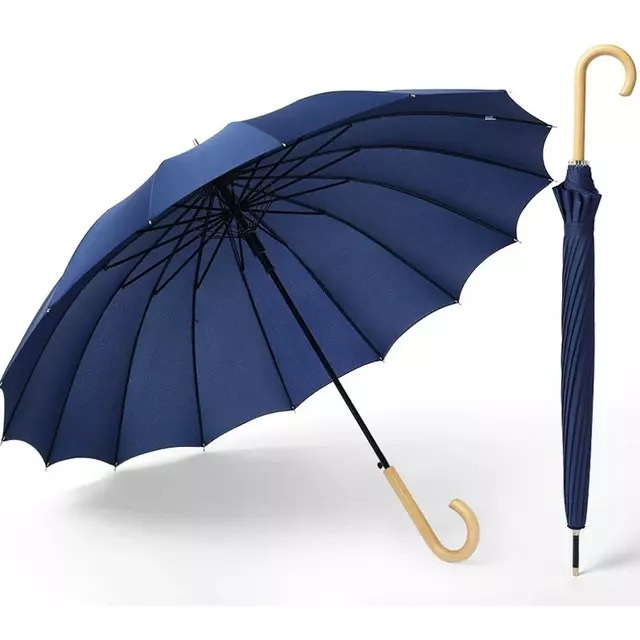
After passing inspection, umbrellas move to the packing area. Proper packing protects the Long Umbrella and helps retailers handle the goods efficiently.
Typical packing steps are:
- Securing each Long Umbrella with a band or strap and inserting it into a polybag or protective sleeve
- Bundling units into inner cartons based on the buyer's packing requirements
- Labeling cartons with model codes, color information, barcodes, and quantity
- Stacking cartons on pallets and wrapping them for transport
For OEM and export projects, the factory also prepares documents such as packing lists, invoices, and any required certificates. Once everything is ready, the goods are loaded into containers or onto trucks for delivery to the port or directly to a local warehouse, depending on the buyer's logistics plan.
Looking only at factory floor activity, a reasonably sized order of standard umbrellas can complete the major steps of cutting, sewing, frame production, assembly, and packing within roughly a couple of weeks if materials are already available and the design is fixed. Long Umbrella models may require a bit more time due to their heavier frames, more complex handles, and often more premium finishing.
In practice, factories schedule multiple orders and share production lines among different clients. As a result, even if the pure work time for a batch of Long Umbrella units is only several days, the calendar time from “start” to “finished goods ready for shipment” can be longer because of queuing, internal logistics, and quality control cycles. Efficient planning and clear communication help keep the production stage on schedule.
For OEM clients, the real question is the total project lead time, not just how long each internal step takes. When planning a Long Umbrella program, it is helpful to think in phases:
- Pre‑production: design, sampling, revisions, and final approval of all specifications
- Production: fabric printing, frame manufacturing, assembly, and inspection
- Post‑production: packing, shipping, and customs clearance
Even when manufacturing itself is efficient, delays in artwork confirmation, late design changes, or slow decisions about sample approvals can extend the overall schedule. By treating Long Umbrella development as a structured project, with clear milestones and deadlines, brands and wholesalers can greatly reduce unexpected time losses.
Several variables influence how long a Long Umbrella project takes from start to finish. Understanding these factors helps buyers make smarter choices.
Key factors include:
- Level of customization
A simple logo on a standard Long Umbrella frame is faster than a fully custom structure with unique ribs, specialty fabric, and exclusive handle tooling.
- Material availability
Using stocked fabrics, standard colors, and commonly used Long Umbrella frame types speeds up production. Special fabrics, unusual colors, or rare components require extra sourcing time.
- Artwork complexity and revisions
Complex, multi‑color prints take longer to set up and test, and repeated artwork changes can delay printing and cutting schedules.
- Order quantity and mix
Large orders of one unified Long Umbrella design may be more efficient than many small runs with different graphics and specifications.
- Season and factory workload
Placing orders before peak rainy seasons or major holidays helps secure earlier production slots and faster shipping arrangements.
By balancing these factors, buyers can choose which aspects of their Long Umbrella project must be unique and where they can adopt proven, standard options to keep timelines under control.
Long Umbrella projects can move surprisingly fast when the buyer and manufacturer collaborate effectively. Several practical strategies help shorten timelines while preserving quality:
- Start with a clear brief describing the target market, price range, and performance expectations for the Long Umbrella line.
- Select an existing frame platform wherever possible, especially when entering the market quickly or testing a new design.
- Finalize colors, logos, and artwork early, and provide editable files in standard formats so the factory can prepare printing screens or digital files without delay.
- Respond quickly to questions and sample feedback, keeping revisions tightly focused on essential points.
- Plan sufficient time for shipping and customs, especially if the Long Umbrella order must arrive before a specific sales season.
Working with an experienced OEM manufacturer further reduces risk, because they can anticipate common issues and propose practical solutions before they become serious delays.
Long Umbrella designs remain a favorite in many markets and product categories. They offer a large printing area, a classic silhouette, and a strong physical presence that fits premium or corporate branding.
For OEM buyers, Long Umbrella models are attractive because:
- They support high‑impact logos and all‑over prints.
- They feel substantial and durable in the hand, often perceived as more premium gifts than small folding umbrellas.
- They can be tailored to a brand's identity through handle design, shaft color, and unique canopy patterns.
Because of these advantages, many corporate gift programs, retail collections, and promotional campaigns choose a Long Umbrella as a flagship product. Knowing how long it takes to make that Long Umbrella—from design and sampling to full delivery—allows marketing and purchasing teams to schedule campaigns with confidence.
Making an umbrella is not just a single mechanical action but a coordinated sequence of design, engineering, material preparation, frame production, canopy sewing, assembly, and quality control. For OEM buyers, the practical answer to “How long does it take to make an umbrella?” depends on the full project timeline rather than the hourly work on the factory floor. Long Umbrella projects in particular require careful attention to structure, finishing, and branding, which adds both value and complexity.
By understanding each stage, planning ahead, and working closely with a capable manufacturer, brands and wholesalers can launch Long Umbrella lines that meet their deadlines, stay within budget, and deliver the durability and visual impact their customers expect. With thoughtful choices about design and materials, the Long Umbrella becomes not only a functional weather tool but also a powerful extension of the brand itself.
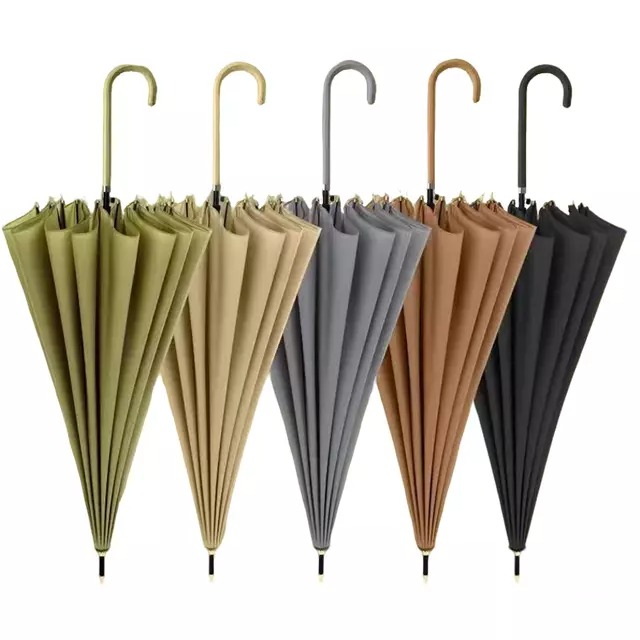
For a typical Long Umbrella OEM order, the main production steps—cutting, sewing, frame manufacturing, assembly, and packing—can often be completed within a couple of weeks once all materials and designs are finalized. The overall project, including design, sampling, and shipping, usually requires several additional weeks, so buyers should plan on a full lead time that comfortably covers both manufacturing and logistics.
Yes. A Long Umbrella with complex artwork, special fabrics, custom handles, or specially engineered frames normally needs more time for sampling, testing, and setup. Each unique element adds extra steps, from checking colors and printing to verifying frame strength, which means that highly customized designs generally have longer lead times than projects based on standard components.
There often is. Folding umbrellas contain more joints and compact mechanisms, while a Long Umbrella has a simpler but larger structure. In many cases, Long Umbrella frames are easier to assemble but may require extra work on the shaft and handle because of their size and aesthetics. Overall timing depends on the exact design, but Long Umbrella projects may take slightly longer when they use premium materials and more elaborate finishing.
Brands can speed up their Long Umbrella projects by choosing existing frame models, using standard fabrics and colors, and finalizing artwork early. Fast approval of samples and clear communication about required changes help keep the production schedule tight. Planning orders outside peak seasons and choosing efficient shipping methods also reduces the risk of delays and ensures Long Umbrella products arrive on time for key sales periods.
Before approving a Long Umbrella sample, buyers should carefully check the opening and closing performance, canopy shape, printing quality, handle comfort, and overall balance of the umbrella. They should also verify that the colors and logo placement match the brand's guidelines and that the Long Umbrella meets any specific requirements for wind resistance or durability. A thorough review at the sample stage helps avoid costly revisions or quality issues later in mass production.


