
Language
Please Choose Your Language
Views: 222 Author: Amanda Publish Time: 2025-11-04 Origin: Site


Content Menu
● Ceremonial and Cultural Importance
● Global Spread and Transformation
● Innovation and Technology: The Modern Long Umbrella
● Long Umbrella: A Fashion Statement
● Technological Advancements and Materials
● Long Umbrella in Everyday Life
● Frequently Asked Questions (FAQ)
>> 1. Who invented the long umbrella?
>> 2. What distinguishes a long umbrella from other types?
>> 3. How has the long umbrella evolved?
>> 4. Is the long umbrella still popular in modern times?
>> 5. What are the latest features in long umbrella technology?
Few inventions have journeyed through history quite like the long umbrella. This indispensable tool, relied upon for shelter from rain and sun, has evolved across continents and centuries, becoming a staple in everyday life and a symbol of status and innovation. Today, the long umbrella is both a practical device and a cultural icon, woven deeply into our global fabric.[1][2][6]
The history of the long umbrella stretches back over 4000 years to ancient civilizations. Early examples first appeared in Mesopotamia and Egypt, crafted from palm leaves, papyrus, and animal skins. These substantial parasols were reserved for royalty and the upper class, symbolizing privilege and protection against the punishing sun.[2][5][6]
Ancient Chinese societies refined the long umbrella, using bamboo sticks and leaves, progressing to waterproofing their designs with wax and oil. Archaeological findings confirm the presence of long umbrellas in ceremonies and daily life, often denoting rank, and sometimes requiring multiple attendants to bear their substantial weight.[6][1]
Umbrellas were adopted by various ancient cultures not just for practical use but also as prestigious artifacts. In Egypt, the parasol was an emblem of power and divinity, associated with the Sun God and pharaonic rituals. In India, China, and Japan, the umbrella carried religious significance, appearing frequently in art, literature, and regal ceremonies.[5][11][12]
Throughout the centuries, the long umbrella became embedded with symbolic meaning. Buddhist icons sometimes feature the umbrella as a protective aura, and in Hindu mythology, the deity Vishnu is adorned with an umbrella symbolizing rain and prosperity.[5]
Trade and cultural exchanges brought the long umbrella to Greece, Rome, and later Renaissance Europe. European societies initially viewed long umbrellas as feminine objects, reserved for upper-class ladies seeking sun protection in gardens and promenades. By the eighteenth century, the long umbrella gained popularity in England, championed by figures like Jonas Hanway, who braved ridicule to make the umbrella a daily necessity for men.[1][6][5]
Materials shifted from heavy whalebones and cane to lighter metals, silk canopies, and decorative handles, paving the way for mass adoption across Europe. The umbrella became an elegant accessory at fashionable events and in street culture.[9][5]
Significant breakthroughs came in the nineteenth century. British inventor Samuel Fox developed the steel-ribbed umbrella, which revolutionized strength and portability. Umbrella manufacturing flourished, with specialized shops and brands producing millions annually. In London, James Smith & Sons opened one of the earliest umbrella boutiques—a testament to the growing importance of the long umbrella in daily life.[6][1]
Further advancements led to water-resistant fabrics and collapsible designs. The first mention of a collapsible umbrella comes from the 1880s, however, it was Hans Haupt in 1928 who patented the first truly compact, telescopic umbrella. Despite advances, the classic long umbrella remains the preferred choice for durability, wind resistance, and extensive coverage.[13][1]
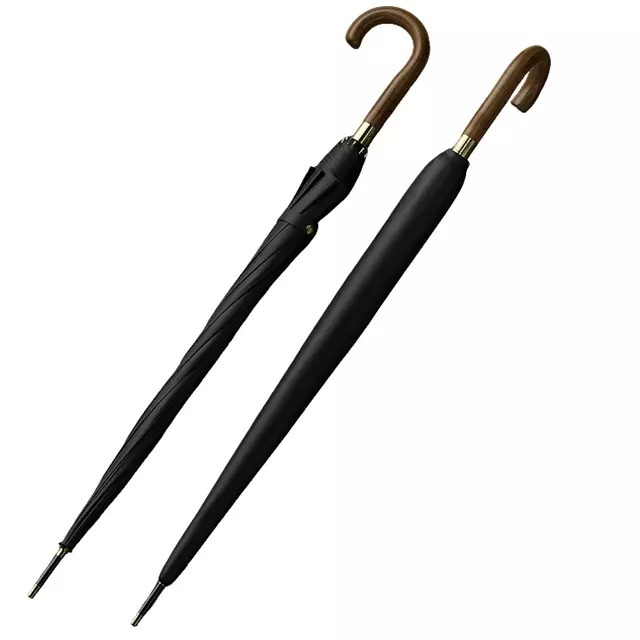
The long umbrella transcended practicality to become a statement of style. The Victorian age welcomed ornate handles, silk covers, and lavish canopy trims. British and European craftsmen competed to create umbrellas that were as much about elegance as function, giving rise to walking stick umbrellas, market umbrellas, and garden parasols. The long umbrella started to feature in literature, theatre, and film, symbolizing mystery, sophistication, and the resilience to weather any storm.[14][9]
Contemporary long umbrellas utilize innovative materials like fiberglass, polycarbonate, and advanced fabrics for enhanced UV and rain protection. Modern manufacturing offers ergonomic designs, automatic opening mechanisms, and wind-resistant structures. Eco-friendly fabrics and recycled materials are increasingly used to meet market demands for sustainability—all while preserving the aesthetic appeal and robust construction of traditional long umbrellas.[1]
The long umbrella is favored today for its broad shelter and reliability. Whether on rainy city streets or sunny beaches, its enduring design adapts to all lifestyles. Brands offer vibrant patterns, ergonomic handles, and smart features, making the long umbrella both a functional and stylish companion.
Chinese manufacturers lead global production, supplying overseas brands with innovative OEM solutions and incorporating eco-friendly technologies, automation, and bespoke designs to meet diverse international markets.[11][1]
For more than four millennia, the long umbrella has sheltered humanity, transcending its humble origins to become an icon of ingenuity, art, and resilience. Its evolution across civilizations—from ancient symbols of status to the marvels of contemporary engineering—illustrates its unwavering place in our lives. While the compact umbrella continues to rise in popular use, the long umbrella remains a timeless favorite for quality, coverage, and heritage. The journey of the long umbrella is a testament to human creativity: blending tradition with ever-advancing innovation, ensuring its indispensable role for generations to come.[2][14][6][1]
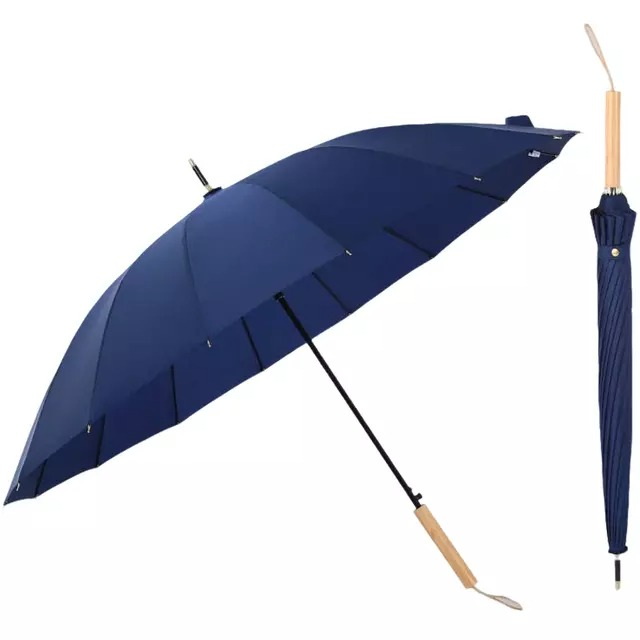
The earliest known long umbrellas were crafted in ancient China some 3500 years ago, but similar designs appeared independently in Mesopotamia, Egypt, and India for sun protection and ceremonial uses.[6][1]
A long umbrella features a classic, stick-style frame that offers greater coverage and durability compared to compact or telescopic models, making it ideal for sustained protection and elegance.[1]
Long umbrellas have transitioned from heavy, ornate bamboo and leather structures to lightweight steel-ribbed and fiberglass designs, with innovations including waterproofing, automatic opening, and style enhancements over the centuries.[9][1]
Absolutely. The long umbrella remains widely used for its reliable coverage and fashionable appeal, favored by individuals, brands, and event planners worldwide.[13][1]
Today's long umbrellas offer wind-resistant frames, UV-protective canopies, eco-friendly materials, and ergonomic designs, ensuring superior performance and comfort in all conditions.[11][1]
[1](https://umbrellaheaven.com/complete-history-of-umbrellas/)
[2](https://www.beau-nuage.fr/en/module-blog?id=8)
[3](https://artsandculture.google.com/story/umbrellas-over-time-inpi/twXxaW0okvtpKw?hl=en)
[4](https://en.wikipedia.org/wiki/Umbrella)
[5](https://www.foxumbrellas.com/pages/history-of-the-umbrella)
[6](https://historycooperative.org/when-was-the-umbrella-invented/)
[7](https://www.promoleaf.com/blog/history-of-umbrellas)
[8](https://www.pens.com/uk/blog/umbrella-history-invention/)
[9](https://www.umbrellasonly.com.au/blog/the-evolution-of-umbrella-fashion-from-victorian-times-to-modern-day.htm)
[10](https://www.thecottonlondon.com/pages/history-and-types-of-umbrella)
[11](https://insights.made-in-china.com/Approach-to-China-Culture-from-Ancient-to-Current-Days-Cultural-Umbrella_LAQtPKVvqxIh.html)
[12](https://www.hodaumbrella.com/news/the-spiritual-meaning-and-fascinating-history-of-the-umbrella/)
[13](https://www.umbrellasonly.com.au/blog/the-birth-of-the-compact-umbrella.htm)
[14](https://www.heddels.com/2018/09/taking-cover-the-long-history-of-the-umbrella/)


