
Language


Content Menu
● Common Types of Long Umbrella
>> 3. Patio and Outdoor Umbrellas
● Materials and Manufacturing Process of Long Umbrellas
>> Canopy
● Features and Advantages of Long Umbrellas
>> Durability and Wind Resistance
● Maintenance for Long Umbrella Longevity
● Choosing the Right Long Umbrella for Your Needs
>> For Groups, Events, or Businesses
● Current Trends in Long Umbrella Design
● FAQs
>> 1. How do you measure a long umbrella?
>> 2. What materials are best for long umbrellas?
>> 3. Do long umbrellas provide better coverage?
>> 4. What customization features can OEM buyers request?
>> 5. How can you ensure long umbrella durability?
Umbrellas are an everyday essential that combine practical protection, stylish design, and clever engineering. For international buyers and manufacturers, understanding the properties, dimensions, and best applications of the long umbrella is crucial. This article explores everything you need to know—how to measure, what it's made of, common types, modern features, market trends, and how OEMs approach customization, longevity, and branding.
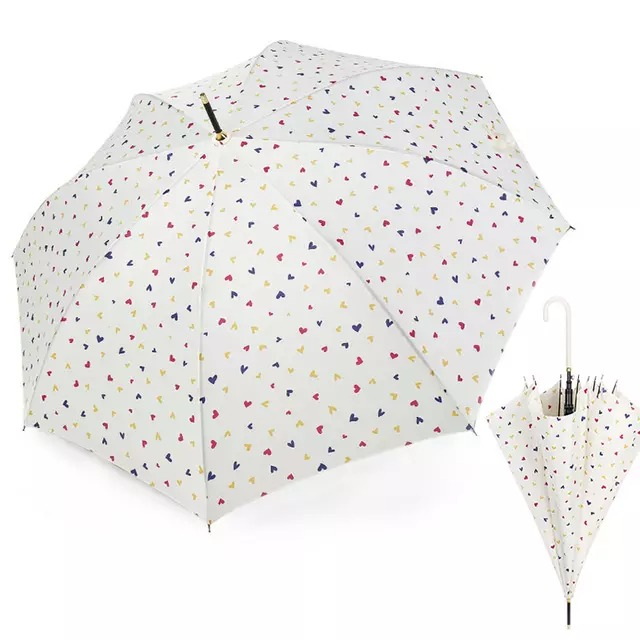
A long umbrella refers to classic, straight-shaft umbrellas—a design that doesn't collapse into a compact package, as with folding types. The defining trait is a rigid, elongated shaft, often ranging from 34 to 50 inches for personal use, and even up to 68 inches or more for golf, patio, and commercial models. This larger format provides more coverage and visual impact compared to smaller folding variants.[5][7][8]
For most models, umbrella length is the measurement from the handle's tip to the top of the canopy. Patio, golf, and promotional models also require canopy diameter and pole height when specifying umbrella dimensions for OEM or retail buyers. Measuring correctly ensures fit for both individuals and groups, and helps international brands offer reliable product specs.[6][12][16]
These are non-collapsible and offer lengths around 36–50 inches. Popular in cities and professional circles, they combine classic aesthetics with generous personal coverage. Traditional stick umbrellas also allow for customized or decorative handles, material upgrades, and branded canopies.[8][5]
Golf umbrellas represent the long umbrella at its largest, often exceeding 60 inches and protecting players (and equipment) from heavy rain and wind. Their robust construction, double canopies, and reinforced frames make them a popular choice for outdoor events.[9][8]
Patio umbrellas are the giants of the category, with pole heights up to 10 feet and canopies stretching 6–12 feet. These long umbrellas are designed for group applications: outdoor dining, swimming pools, resorts, and promotional events. Their length is critical not just for coverage, but also for visual branding and ambiance.[7][12][13]
Modern long umbrellas combine durability and design thanks to technological advances and careful material selection. Their four essential components are canopy, ribs, stretchers, runner, and shaft.[2][1]
- The shaft can be fashioned from wood, aluminum, steel, or fiberglass. Strength and weight are balanced according to the umbrella's size and intended use.[3][1]
- Ribs and stretchers, which create the canopy's structure, commonly use steel or modern alloys, especially for windproof umbrellas. Many outdoor and patio umbrellas use broader metal or fiberglass ribs for added strength.[2][3]
- Most long umbrella canopies are sewn from 6 to 12 triangular panels—eight is common for adults.[3][2]
- Fabric choices include nylon, polyester, microfiber, and acrylic-coated waterproof layers. Durability and water-repellency are essential; rotary or silk-screen printing methods are often used for branding.[4]
- Some promotional or OEM umbrellas employ vibrant digital prints, tailored to the brand's market and style preferences.[4]
1. Designing: Selecting materials, canopy color, branding, and handle style.[4]
2. Cutting & Sewing: Panels are precision-cut and stitched into the canopy, with closing bands or ferrules attached for style and security.[3][4]
3. Frame Assembly: Ribs and stretchers are riveted and attached to the shaft. Springs and runners are mounted, allowing smooth opening and closing.[3]
4. Final Assembly: Canopy is pulled over the frame, sewn at each rib, and secured to avoid slipping. Handles and extra tips may be glued or screwed in place.[1][3]
5. Quality Control: Each finished umbrella undergoes thorough inspection before packaging and shipping.[4]
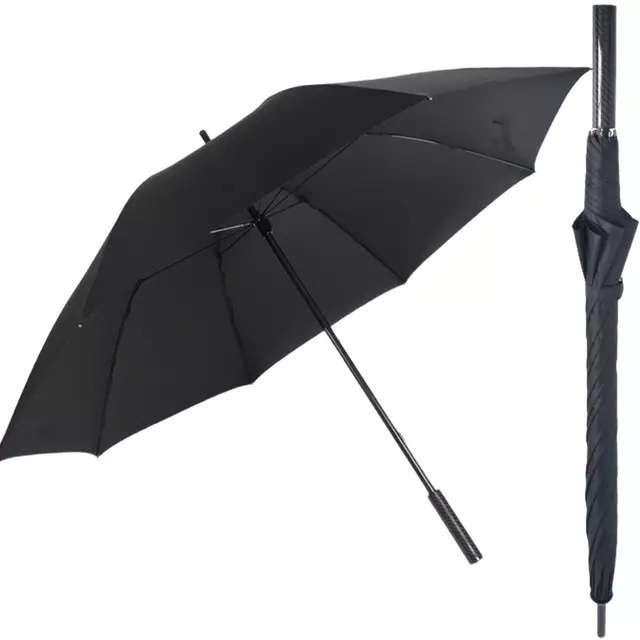
Long umbrellas are engineered for reliable performance. Windproof double canopies, stronger shafts, and metal-reinforced ribs help prevent flipping and structural failure in harsh weather conditions.[13][9]
Their broad diameter provides more coverage than smaller, portable umbrellas. A long umbrella comfortably shields individuals, pairs, or small groups from weather, making it popular for sporting, events, and hospitality use.[12][7]
OEM manufacturers offer extensive customization, from canopy color and pattern to handle style and logo placement. For international buyers, long umbrellas serve as highly visible promotional platforms, effective for marketing campaigns, events, and gifts.[4]
- Clean the canopy with mild soap and water; never use harsh chemicals that could degrade waterproof coatings.[9]
- Regularly inspect shafts and ribs for rust, especially if metal is exposed.[8]
- Always store the umbrella dry and fully closed to avoid mold or fabric deformation.[9]
Choose shaft length according to your height; 34–38 inches suits most adults. Larger models (up to 50 inches) give extra protection, often preferred in rainy regions or for professional settings.[5][7]
Golf and patio umbrellas, with longer shaft and increased canopy size, are ideal for group gatherings, hospitality venues, and promotional efforts. Consider wind and UV resistance features if umbrellas will face challenging outdoor environments.[12][13]
Selecting a long umbrella for your brand involves:
- Market preferences (regional, seasonal, stylistic).
- Required shaft and canopy sizes.
- Branding and printing needs.
- Material choices and minimum durability benchmarks.
International buyers should work with experienced manufacturers to tailor umbrella specifications to target audience demands and regulatory standards.[4]
Modern long umbrellas incorporate innovative features such as UV-protective coatings, eco-friendly materials, adaptable tilt mechanisms (for patio models), and advanced printing for branding. Lightweight yet strong alloys and smart-opening technology make long umbrellas increasingly user-friendly and stylish, broadening their appeal across global markets.[13][12][4]
Long umbrellas offer excellent coverage but require mindful use in public spaces. Always keep your umbrella closed in crowded areas and avoid opening oversized models in tight quarters. Shake excess water before entering buildings, and store umbrellas neatly to maintain social courtesy.[14][17]
The long umbrella is far more than a simple tool—it's a showcase of material innovation, precision design, and global adaptability. By understanding measurements, manufacturing processes, and selecting the right style for your application, you ensure superior user experience and market impact. For brands seeking impact and reliability, the long umbrella remains a top choice for personal, group, and OEM requirements worldwide.
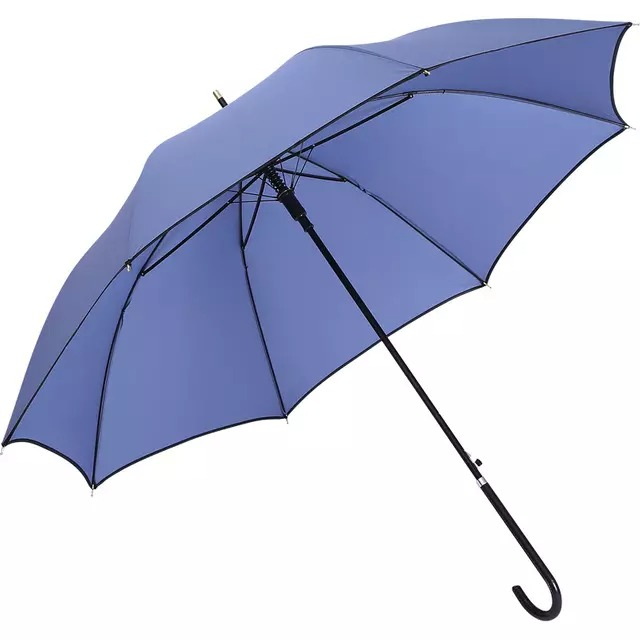
Measure from the bottom of the handle to the tip of the canopy; for patio types, also include pole height and canopy diameter for full sizing accuracy.[15][16][6]
Fiberglass or metal for the shaft and ribs, polyester or acrylic-coated nylon for the canopy—these guarantee strength, water resistance, and long life.[1][4]
Yes, they offer wider protection for individuals or groups, making them ideal for rain, sun, and business use.[7][9]
Canopy color, logo printing, handle design, unique rib shapes, windproof upgrades, and special packaging for marketing purposes.[4]
Regular cleaning, proper storage, rust-checks, and choosing robust materials adapted to your climate and use case.[8][9]
[1](https://blogs.cdc.gov/niosh-science-blog/2022/05/25/mm_umbrellas/)
[2](https://www.youtube.com/watch?v=dQkghj7HKcE)
[3](https://schirmmacher.eu/manufacturing-umbrellas)
[4](https://pbspracharbharat.com/behind-the-scenes-the-manufacturing-process-of-promotional-umbrellas/)
[5](https://www.foxumbrellas.com/pages/stick-solid-umbrella-and-walking-stick-sizing-guide)
[6](https://www.umbrellasource.com/choosing-the-right-umbrella-for-you/how-to-measure-an-umbrella)
[7](https://www.bbqguys.com/a/28834/learn/outdoor-living/buying-guides/umbrellas/sizes)
[8](https://umbrellacustomize.com/what-are-the-different-types-of-umbrellas/)
[9](https://www.businessinsider.com/guides/home/best-umbrella)
[10](https://www.youtube.com/watch?v=KKgamY3E_KY)
[11](https://www.youtube.com/watch?v=wY3OSHkNmS8)
[12](https://www.patiowell.com/blogs/tips-how-tos/what-size-patio-umbrella-do-i-need)
[13](https://www.jackwills.net/the-different-types-of-patio-umbrellas-and-their-benefits/)
[14](https://www.umbrellaworkshop.com/umbrellas/umbrella-etiquette-tips-on-proper-umbrella-usage-in-different-social-settings/)
[15](https://www.youtube.com/watch?v=XBRLJ96aEdY)
[16](https://www.patiowell.com/blogs/tips-how-tos/how-to-measure-patio-umbrella)
[17](https://theweek.com/articles/846309/unabridged-guide-proper-umbrella-etiquette)


