
Language
Please Choose Your Language
Views: 222 Author: Amanda Publish Time: 2025-11-03 Origin: Site


Content Menu
● Understanding the Beach Umbrella
● What Determines Beach Umbrella Prices?
● 2025 Market Trends for Beach Umbrellas
● How to Choose the Best Beach Umbrella
>> Shade Area
● Top Beach Umbrella Models of 2025
>> BeachBUB All-In-One Beach Umbrella
>> AMMSUN Heavy Duty High Wind Beach Umbrella
>> Tommy Bahama AnchorX Beach Umbrella
>> Sport-Brella XL Premiere Umbrella
● Important Beach Umbrella Use Tips
>> 1. What is the average price of a beach umbrella?
>> 2. Are expensive beach umbrellas worth it?
>> 3. What features should I look for?
>> 4. How can I prevent my beach umbrella from blowing away?
>> 5. What new trends should buyers know?
A beach umbrella is far more than a simple accessory—it's an essential piece of gear for sun safety, comfort, and leisure at the shore. Answering “how much is a beach umbrella?” involves exploring various options, understanding features that drive price, knowing market trends, and matching your needs to the best products available. This comprehensive guide not only tackles costs but also provides expert buying advice, industry trends, and actionable tips for choosing a beach umbrella for every budget and occasion.
A beach umbrella is specifically designed to provide shade, reduce UV exposure, and maintain a cooler space while you enjoy sand and surf. Unlike patio or garden umbrellas, beach umbrellas use lightweight frames, weather-resistant fabrics, and practical anchor systems to perform reliably in windy, sunny beach conditions. Standard diameters range from 6 to 9 feet, with most quality models offering UPF 50+ sun protection and features such as tilt mechanisms and vented canopies for wind stability.[3][5]
Umbrellas vary from compact, personal-sized options suited for solo use to expansive canopies and shelters for families or groups. A standard 7-foot umbrella typically costs less than a 9-foot model or a premium tent-style shade. Larger models, often designed for group use, naturally command higher prices due to their materials, construction complexity, and enhanced sun-blocking ability.
Most beach umbrellas are made from polyester or similar weatherproof fabrics, with poles constructed from aluminum, steel, or fiberglass. Higher quality materials enable features such as enhanced UV protection, fade resistance, and increased durability. Commercial-grade fabric and robust frame materials raise prices but add years of use and better wind performance.[7]
Features impacting price include:
- Sand anchors and screw bases for stability in windy conditions.
- Vented “wind-resistant” canopies.
- Push-button tilt mechanisms enabling flexible shade orientation.
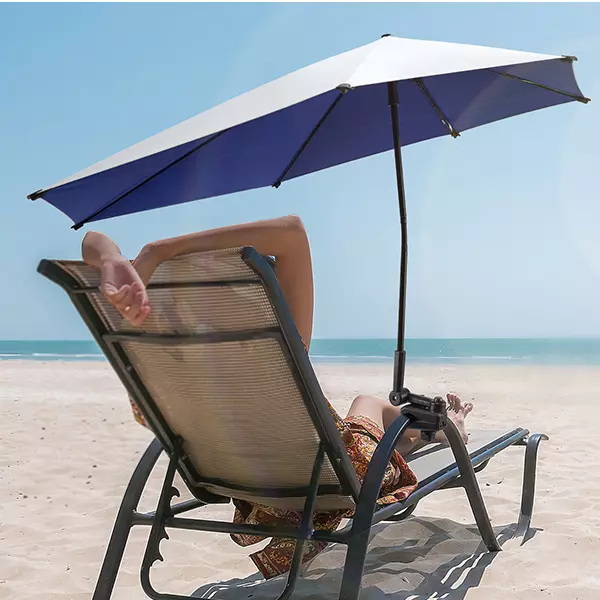
- Chair clamp-on designs for portable, solo protection.
- Carry bags and lightweight construction for easy transport.
Extra touches like cupholders, side panels, or convertible “umbrella-tent” hybrids can also command premium prices.[5][6][3]
Well-established brands such as Tommy Bahama, BeachBUB, AMMSUN, and Sport-Brella consistently earn high marks for quality and long-term reliability. Brand value impacts price, but also reflects better warranties, customer service, and proven wind safety in critical conditions.[8][7]
Current prices for beach umbrellas span a wide range to suit every buyer:
- Budget Models: $25–$45 (basic tilt, standard size, polyester, basic anchor)
- Mid-Range Models: $50–$100 (stronger frames, vented canopies, improved anchors, designer prints)
- Premium & Group Models: $110–$230 (commercial-grade, large canopies, integrated wind-resistance systems, tent/canopy hybrids)
The BeachBUB All-In-One, for example, sits at the upper end due to its patented wind-resistant base, commercial-grade fabric, and easy transport system, while models like Outdoor Master and Sport-Brella deliver affordable quality and portability for less frequent use.[6][3][5][7]
Continued growth in leisure travel, outdoor recreation, and health-focused lifestyles drive innovation and sales in beach umbrella markets worldwide. Notable trends include:
- Increased demand for UV protection and eco-friendly fabrics.
- Wind-resistance and anchor innovations combating accident risks.
- Lightweight, portable designs for ease of transport and setup.
- Modular accessories and hybrid canopy shapes for expanded versatility.
North America remains the largest market for beach umbrellas, while tourism booms in Asia-Pacific and Europe translate to fast growth and new style introductions globally.[10][11][6]
Selecting the ideal beach umbrella is a matter of matching your needs to available features, budget, and environmental demands:
Single users may select compact umbrellas with chair clamps or light carry bags, while couples and families need at least 7–9-foot canopies for comfort. Some shelters/fabric canopies accommodate up to eight people.[1][5]
Look for a UPF rating of 50+. While UPF 30 is the minimum recommended for effective protection, higher ratings are critical if you plan long stays or have young children.[9]
Invest in umbrellas with robust sand anchors, vented canopies, and reinforced frames. Popular models like the BeachBUB and AMMSUN Heavy Duty umbrellas have proven stability in winds up to 35 mph and above, significantly reducing flip risk and ensuring safety.[6][7]
Check for compact fold size, shoulder strap carry bags, and intuitive assembly features. A push-button tilt, screw-type anchor, or clamp-on feature adds both shade and convenience.
Brands like BeachBUB, AMMSUN, Tommy Bahama, and Sport-Brella consistently rate high in consumer tests for durability, wind stability, and ease of use. Investing a bit extra in a reputable brand yields fewer headaches and better long-term performance.[3][7]
- 7.5 feet, commercial grade fabric, wind-resistant base.
- $158-$160
- Tested in winds over 35 mph
- Overbuilt yet easy to set up, loved for genuine stability and excellent sun protection.[5][7][8][6]
- 7 feet, vented canopy, aluminum and fiberglass construction.
- $46-55
- Best value choice for windy conditions—robust, portable, and high-quality shade.[6]
- 6 feet, screw base, aluminum.
- $65
- Noted for stability and attractive design; convenient setup/takedown and superior sand anchors.[3]
- Up to 9 feet, canopy/umbrella hybrid.
- $65-$110
- Expansive shade, excellent ventilation, portable. Great for families and all-weather use.[6]
- Always anchor your umbrella securely before relaxing. Models with sand anchors or screw bases greatly improve safety, particularly on gusty days.
- Choose vented canopies for extra wind resistance. These let air flow through the fabric, reducing the chance of flipping.
- Rotate for optimal shade and comfort. Tilt mechanisms and adjustable positions ensure maximum protection as the sun moves.
- Inspect for wear and damage annually. Replace faded fabrics or bent frames before your next trip to avoid accidents.
Beach umbrellas remain indispensable for creating cool, safe havens on sunny shores. Costs in 2025 reflect a broad spectrum, from budget-friendly basics to sophisticated, wind-resistant, and family-sized models. Factor in shade needs, UV protection, wind performance, and portability before you buy; premium models from trusted brands deliver significant improvements in safety, durability, and value for those who visit the beach regularly. As leading manufacturers innovate with lighter, stronger, and more adaptable designs, every beach trip becomes more enjoyable and worry-free with the right umbrella. Choose wisely and relax—the ultimate beach comfort awaits with your perfect beach umbrella.[7][8][5][3][6]
In 2025, average prices run between $34 and $45 for standard models, but premium wind-resistant umbrellas or extra-large canopies reach up to $160-$230 depending on features and materials.[7][8][5][3][6]
Yes, paying more usually means better performance, wind stability, and more durable materials, which translate to longer lifespan and safer shade for regular beachgoers.[8][7]
Seek high UPF ratings (preferably 50+), vented canopies for wind, robust anchors, reinforced aluminum or fiberglass frames, and practical features such as tilt mechanisms and carry bags.[5][6]
Always use the manufacturer's sand anchor or screw base, position the umbrella with tilt facing away from predominant winds, and avoid use in unsafe gusty conditions.[3][6]
Eco-friendly materials, improved wind stability systems, modular add-ons, and multi-use shade structures are all becoming popular. The market continues to evolve around safety, sun protection, and convenience.[10][7]
[1](https://www.nytimes.com/wirecutter/reviews/best-beach-umbrella-is-not-an-umbrella/)
[2](https://nymag.com/strategist/article/best-beach-umbrella.html)
[3](https://www.consumerreports.org/beach/best-beach-umbrellas-a5712366391/)
[4](https://www.youtube.com/watch?v=OdxWt7cRNUk)
[5](https://gearjunkie.com/outdoor-lifestyle/best-beach-umbrellas)
[6](https://www.outerbanks.com/best-beach-umbrellas-canopies.html)
[7](https://www.cnn.com/cnn-underscored/reviews/best-beach-umbrella)
[8](https://www.reddit.com/r/BuyItForLife/comments/192i0bk/best_beach_umbrellas_out_there/)
[9](https://www.travelandleisure.com/best-beach-umbrellas-7497881)
[10](https://www.globalinsightservices.com/reports/beach-umbrella-market/)
[11](https://www.360iresearch.com/library/intelligence/beach-umbrella)


