
Language
Please Choose Your Language


Content Menu
● Why Cleaning Your Raincoat Matters
● Understand Your Raincoat Material
● Read and Follow the Care Label
● Preparing a Raincoat for Washing
● Choosing the Right Detergent for a Raincoat
● How to Machine Wash a Raincoat
● Drying a Raincoat the Right Way
● Spot Cleaning a Raincoat Between Washes
● Storing a Raincoat for Long‑Term Use
● Professional Cleaning and Large‑Volume Care
● FAQ
>> 1. How often should a raincoat be washed?
>> 2. Can any raincoat be machine‑washed?
>> 3. Why is fabric softener bad for a raincoat?
>> 4. How can I tell when my raincoat needs re‑waterproofing?
>> 5. What is the best way to store a raincoat during the dry season?
Keeping a raincoat clean is essential for long‑lasting waterproof performance, comfort, and a professional appearance. A well‑maintained raincoat not only looks better but also repels water more effectively and remains breathable during daily use or outdoor work. Proper cleaning, drying, and storage will help any raincoat stay in service for many seasons and protect both the wearer and the brand image it represents.
A raincoat is constantly exposed to rain, sweat, air pollution, and body oils, which gradually clog the fabric and surface. When dirt and oils build up, the raincoat starts to “wet out,” meaning water stops beading on the surface and begins to soak into the outer fabric. This can make the raincoat feel cold and heavy and can reduce breathability. Regular cleaning removes this build‑up so the raincoat can perform as designed.
For brand uniforms, promotional raincoats, or work raincoats used by teams outdoors, cleanliness is also about image. A bright, fresh raincoat with clear logos looks professional and trustworthy, while a dirty, stained raincoat sends the opposite message. Cleaning a raincoat properly protects both the waterproof function and the visual presentation of your company.
Before cleaning, it is important to understand what type of raincoat you are dealing with. Some raincoats use a fabric shell with a waterproof membrane or coating, while others use PU‑coated or PVC materials with a smooth, rubbery or glossy surface. Lightweight technical raincoats, commuter raincoats, and heavy‑duty industrial raincoats may all respond differently to washing.
A fabric‑shell raincoat is usually more similar to an outdoor jacket and is often machine‑washable on a delicate cycle. PU or PVC raincoats can be more sensitive to high temperatures and aggressive detergents and usually benefit from gentle hand washing. Knowing the material helps you choose the safest cleaning method for each raincoat.
Every raincoat should have a care label that provides the official instructions from the manufacturer. The label usually tells you:
- Maximum washing temperature.
- Whether the raincoat can be machine‑washed or must be hand‑washed.
- Whether tumble drying is allowed and at what temperature.
- If ironing is allowed and under what conditions.
Always treat the care label as the first reference. Even if you have washed other raincoats many times, different coatings, membranes, tapes, and trims may require different care. If the label warns against machine washing or tumble drying, follow that instruction to avoid shrinking, delamination, or peeling of the waterproof layer.
If the care label is missing or damaged, it is safer to treat the raincoat as delicate. Use cool or lukewarm water, a mild detergent, and gentle handling, avoiding high heat and harsh chemicals. This conservative approach will protect most raincoat materials and coatings.
A raincoat does not need to be washed after every light use, but you should clean it when:
- The raincoat looks visibly dirty or stained.
- It smells of sweat, smoke, or mildew.
- Water no longer beads on the surface but soaks into the outer fabric.
- The inside of the raincoat feels clammy or sticky.
For outdoor workers, delivery drivers, or hikers who wear a raincoat frequently, cleaning every few weeks is reasonable, especially after intense use in wet and muddy conditions. For occasional city commuters, cleaning a raincoat once or twice a season may be enough. However, spot cleaning between full washes is a smart way to keep the raincoat fresh without over‑washing.
Preparation is a simple but important step that protects the raincoat and improves washing results. Before you wash any raincoat, do the following:
- Empty all pockets to remove keys, tickets, coins, and small items.
- Detach removable hoods, belts, faux fur trims, or other accessories if the care label suggests it.
- Close all zippers, snaps, and hook‑and‑loop straps so they do not snag the raincoat fabric during washing.
- Loosen drawcords and open ventilation zippers to allow water to flow freely.
- Shake off loose dirt, leaves, or sand from the raincoat surface.
Many people also prefer to turn the raincoat inside out before washing, especially for fabric‑shell raincoats. This helps protect printed logos, reflective tapes, and outer coatings from friction inside the washing machine.
Not all detergents are suitable for a raincoat. Standard household detergents often contain strong cleaning agents, brighteners, or softeners that can leave residue or damage the waterproof layer. To protect your raincoat:
- Use a mild liquid detergent designed for delicates or synthetics.
- For technical fabric raincoats, use a specialized cleaner for waterproof garments if possible.
- Avoid fabric softener, bleach, and chlorine completely.
- Avoid powerful stain removers or harsh powders that may scratch or clog the raincoat surface.
Using too much detergent is also a problem because excess soap can stay in the fabric and attract dirt. Always follow the dosage on the detergent bottle and consider using a little less than you would for heavy fabrics. Thorough rinsing is crucial to remove any detergent left in the raincoat.
If the care label permits machine washing, it is an efficient and safe method when done correctly. Here is a clear process for machine washing a raincoat:
1. Clean the machine
Run an empty rinse cycle or quickly wipe the detergent drawer and drum to remove any remaining detergent or softener. This helps prevent contamination that could damage the raincoat's waterproof treatment.
2. Load the raincoat properly
Place one or two raincoats in the machine at a time. Overloading prevents proper rinsing and can cause extra friction. Leaving enough space allows the raincoats to move freely and be cleaned evenly.
3. Select the washing program
Choose a gentle or delicate cycle with cold or lukewarm water, usually around 30 °C / 85 °F. A slower spin speed is kinder to seams, tapes, and coatings. Do not select high‑temperature or heavy‑duty cycles.
4. Add detergent correctly
Add the mild detergent or dedicated raincoat cleaner according to instructions. Make sure there is no fabric softener in the drawer or in an auto‑dose compartment.
5. Rinse thoroughly
After the main cycle, check if the raincoat still feels soapy. If necessary, run an extra rinse cycle to remove residual detergent. A clean raincoat should feel free of slippery or sticky soap film.
When the cycle is complete, remove the raincoat promptly. Leaving it sitting wet in the drum can cause creases or musty smells.
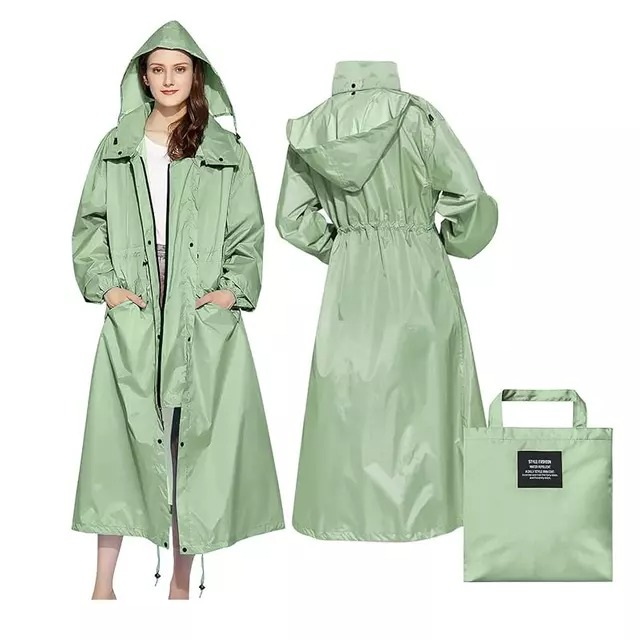
For PU and PVC raincoats, very delicate raincoats, or any raincoat where machine washing is not recommended, hand washing is the safest option. The process is simple and gentle:
1. Fill a basin
Use a clean tub, bucket, or sink and fill it with cool or lukewarm water. Stir in a small amount of mild detergent or a specialized gentle cleaner.
2. Wash gently
Submerge the raincoat and move it softly through the water. Use your hands or a soft cloth to gently clean especially dirty areas like cuffs, shoulders, and collar. Avoid scrubbing with stiff brushes or scouring pads that can scratch the coating.
3. Rinse carefully
Empty the soapy water and refill with clean water. Rinse the raincoat thoroughly until no foam or soap smell remains. You may need to change the water more than once, especially for thick or lined raincoats.
4. Remove excess water
Do not twist or wring the raincoat aggressively. Instead, press the raincoat lightly against the side of the basin or between your hands to squeeze out water.
Hand washing takes a bit more time but provides excellent control, which is ideal for premium or glossy raincoat materials.
Drying is a critical step for every raincoat. Drying the wrong way can melt coatings, damage tapes, or cause the fabric to stiffen or crack. There are two main methods, depending on the care label.
Air‑drying is safe for almost every raincoat:
- Hang the raincoat on a wide, sturdy hanger to support its weight.
- Let it dry in a cool, well‑ventilated area away from direct, intense sunlight or direct heaters.
- Make sure the sleeves and hem hang freely so air can circulate.
- Allow the raincoat to dry completely before folding or storing.
Avoid draping a raincoat over sharp edges or radiators. High heat can damage PU and PVC coatings, and hot metal bars can leave marks or cause hard creases.
Some fabric‑shell raincoats benefit from gentle tumble drying because low heat can help reactivate the factory‑applied durable water repellent (DWR) finish. However, this is only suitable when the care label confirms that tumble drying is allowed.
- Use a low‑heat or no‑heat setting.
- Add a couple of clean towels to help protect the raincoat and improve tumbling action.
- Check the raincoat periodically and remove it once dry to prevent overheating.
If you are not sure whether your raincoat can tolerate tumble drying, always choose air‑drying as the safer option.
Even with perfect washing and drying, every raincoat will eventually lose some of its water repellency after long use. When water no longer beads on the surface and the raincoat starts to absorb moisture, it is time to restore the water‑repellent finish. There are two main methods: wash‑in treatment and spray‑on treatment.
Wash‑in treatments are typically used for fabric‑shell raincoats:
- First, clean the raincoat following the recommended washing steps.
- Then run a second cycle with the wash‑in waterproofing product, following the dosage on the bottle.
- After treatment, dry the raincoat as directed (often with gentle low heat) to help combine the product with the fabric.
This method treats the entire raincoat evenly, including seams and folds, and is convenient for technical outdoor raincoats.
Spray‑on treatments are ideal when you want to focus only on the outer surface or when the raincoat has a special lining or coating:
- Hang the clean, damp raincoat on a hanger.
- Spray the product evenly over the outer surface, paying extra attention to shoulders, hood, and sleeves where water hits hardest.
- Wipe away excess product with a clean cloth if any drops form.
- Allow the raincoat to dry completely, using low heat if the instructions allow.
Spray‑on waterproofing is particularly useful for PU and PVC raincoats and for raincoats with mesh or special inner linings.
A full wash is not always necessary when only a small part of the raincoat is dirty. Spot cleaning is quick, convenient, and gentle on the material. It also keeps the raincoat presentable for daily work or brand events.
To spot clean a raincoat:
- Use a soft damp cloth or sponge to wipe off mud, dust, or light marks from the surface.
- For more stubborn spots, apply a little mild detergent to the cloth, gently rub the area, and then wipe again with clean water to remove the soap.
- Let the raincoat air‑dry fully before wearing or storing.
This technique keeps a raincoat looking good without over‑washing, which helps extend the life of the waterproof layer.
How you store a raincoat between rainy days is just as important as how you wash it. Poor storage can cause mildew, odours, or damage to coatings and fabrics. Good storage habits will keep a raincoat ready to perform whenever the weather changes.
- Always store a raincoat completely dry. Never pack or fold it while still damp.
- Hang the raincoat on a hanger in a cool, dry place with enough space so it is not crushed by heavy garments.
- Avoid long‑term storage in tightly sealed plastic bags; trapped moisture can lead to mold growth and sticky coatings.
- Keep the raincoat away from direct sunlight, hot pipes, or chemical vapours, which may degrade PU or PVC over time.
For branded or uniform raincoats, consider dedicated wardrobe space and clear care instructions for staff, so every raincoat receives the same level of care.
Sometimes raincoats are part of a uniform system for hotels, delivery companies, construction workers, or outdoor teams. In these cases, many raincoats need to be cleaned regularly and consistently. Professional cleaning services familiar with technical outerwear can be very helpful.
A professional cleaner can follow exact temperature, detergent, and drying requirements and may also offer re‑waterproofing. This is useful for high‑value or high‑performance raincoats where incorrect home washing could be costly. For brands, including a simple printed care guide with each raincoat is also an effective way to ensure end users wash and dry correctly, increasing the lifetime of the product and protecting the brand's reputation.
Cleaning a raincoat properly is not complicated, but it does require attention to details such as the care label, detergent choice, water temperature, and drying method. By preparing the raincoat carefully, using gentle washing techniques, and avoiding harsh chemicals and high heat, anyone can keep a raincoat fresh, comfortable, and fully waterproof. Occasional re‑waterproofing, spot cleaning between washes, and correct storage will further extend the life of the raincoat and keep it ready for any rainy day. For brands, wholesalers, and manufacturers, teaching customers how to clean a raincoat correctly adds value to every product and helps maintain a polished, professional image in all weather conditions.
A raincoat should be washed whenever it looks dirty, smells unpleasant, or stops beading water and begins to “wet out.” For people who wear a raincoat frequently in demanding conditions, washing every few weeks may be necessary, while occasional users may only need to wash a raincoat once or twice per season. Between full washes, spot cleaning is usually enough to keep the raincoat presentable.
Not every raincoat can be safely machine‑washed. Many fabric‑shell raincoats are designed for gentle machine cycles, but some PU or PVC raincoats and delicate designs should only be hand‑washed. Always read the care label first; if the label permits machine washing, use a mild detergent, cool or lukewarm water, and a delicate program. If the label is missing or forbids machine washing, choose gentle hand washing instead.
Fabric softener leaves a thin film on fabrics to make them feel softer, but this film can clog the surface of a raincoat and interfere with its waterproof and breathable properties. On a raincoat, softener residue can cause water to spread out and soak into the fabric instead of forming beads. To protect the water‑repellent finish and ensure the raincoat performs correctly, it is best to avoid fabric softeners completely.
If water no longer beads on the surface of a clean raincoat and the outer layer absorbs moisture and darkens quickly in the rain, the water‑repellent finish is wearing off. When this happens, it is time to re‑waterproof the raincoat with a wash‑in or spray‑on treatment suitable for its fabric. It is important to clean the raincoat first, because dirt and oils prevent waterproofing products from bonding properly to the fabric.
The best storage method is to hang the raincoat on a hanger in a cool, dry, and ventilated space. The raincoat should be completely dry before storage to prevent mildew and odours. Avoid compressing it tightly for long periods or leaving it in a hot car, near heaters, or in direct sunlight, as prolonged heat and UV exposure can weaken coatings and cause cracking or stickiness. Proper storage will keep the raincoat ready for the next rainy season with minimal maintenance.


